Permanent collection
All exhibits
283 artifacts recovered, 1976–1992.
 1992
1992
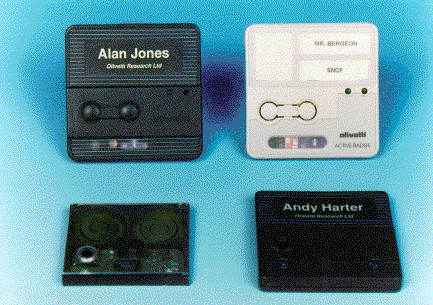
Active Badge
Your location, broadcast every 10 seconds
 1992
1992
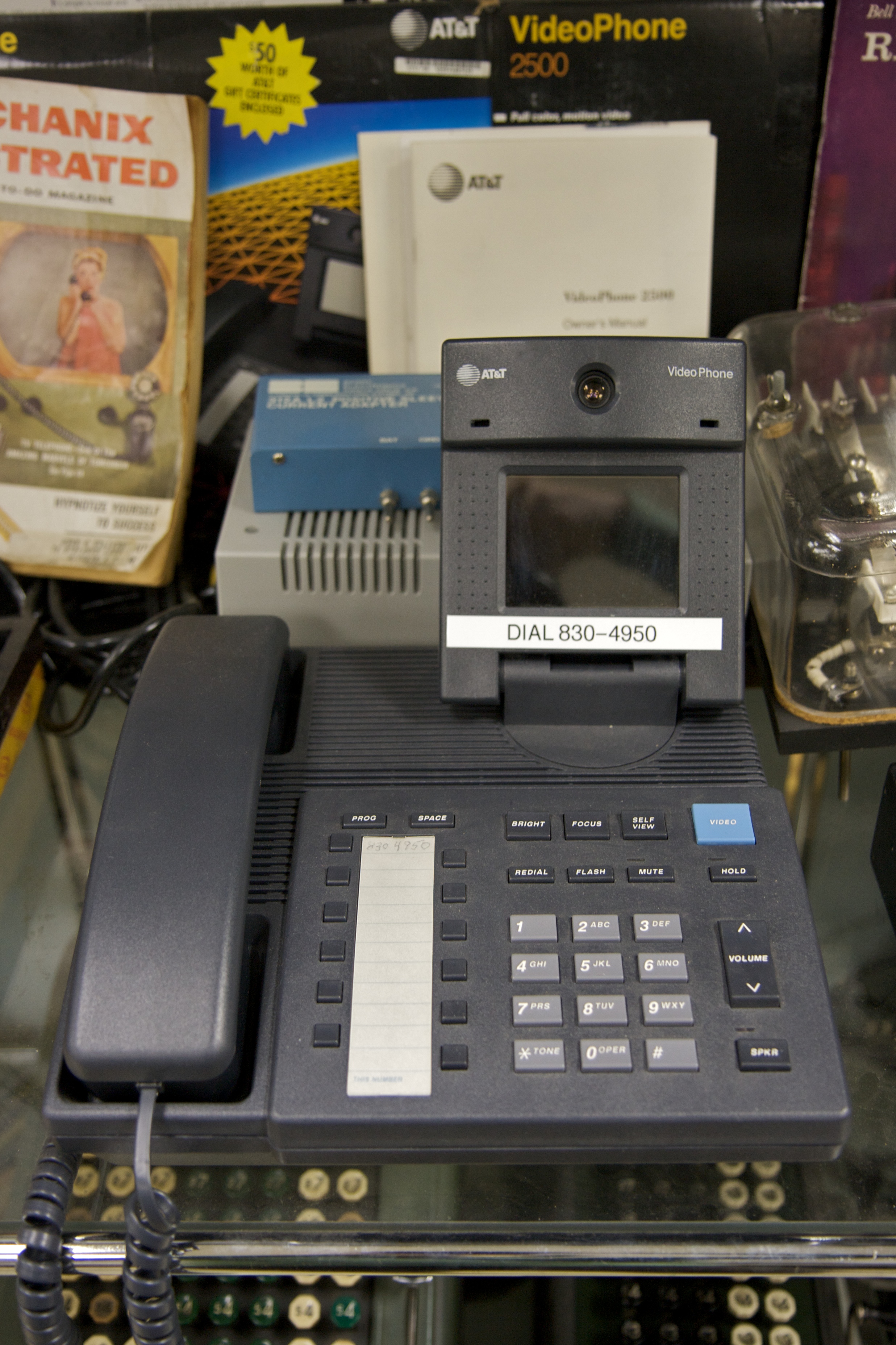
AT&T VideoPhone 2500
A $1,500 color videophone that squeezed 10 frames a second out of a phone line
 1992
1992
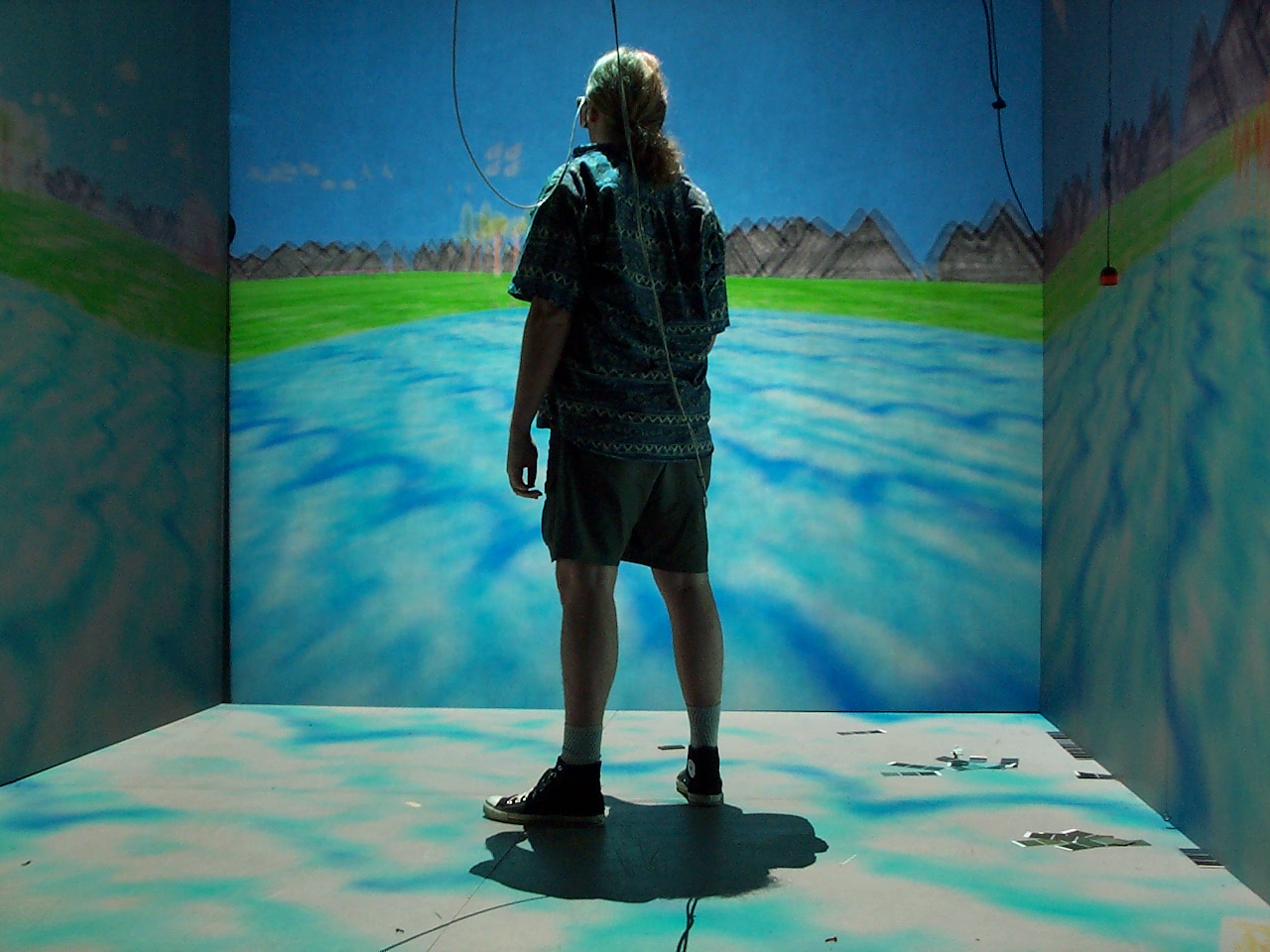
CAVE Automatic Virtual Environment
The first room-scale VR — no headset, just a room you walked into
 1992
1992
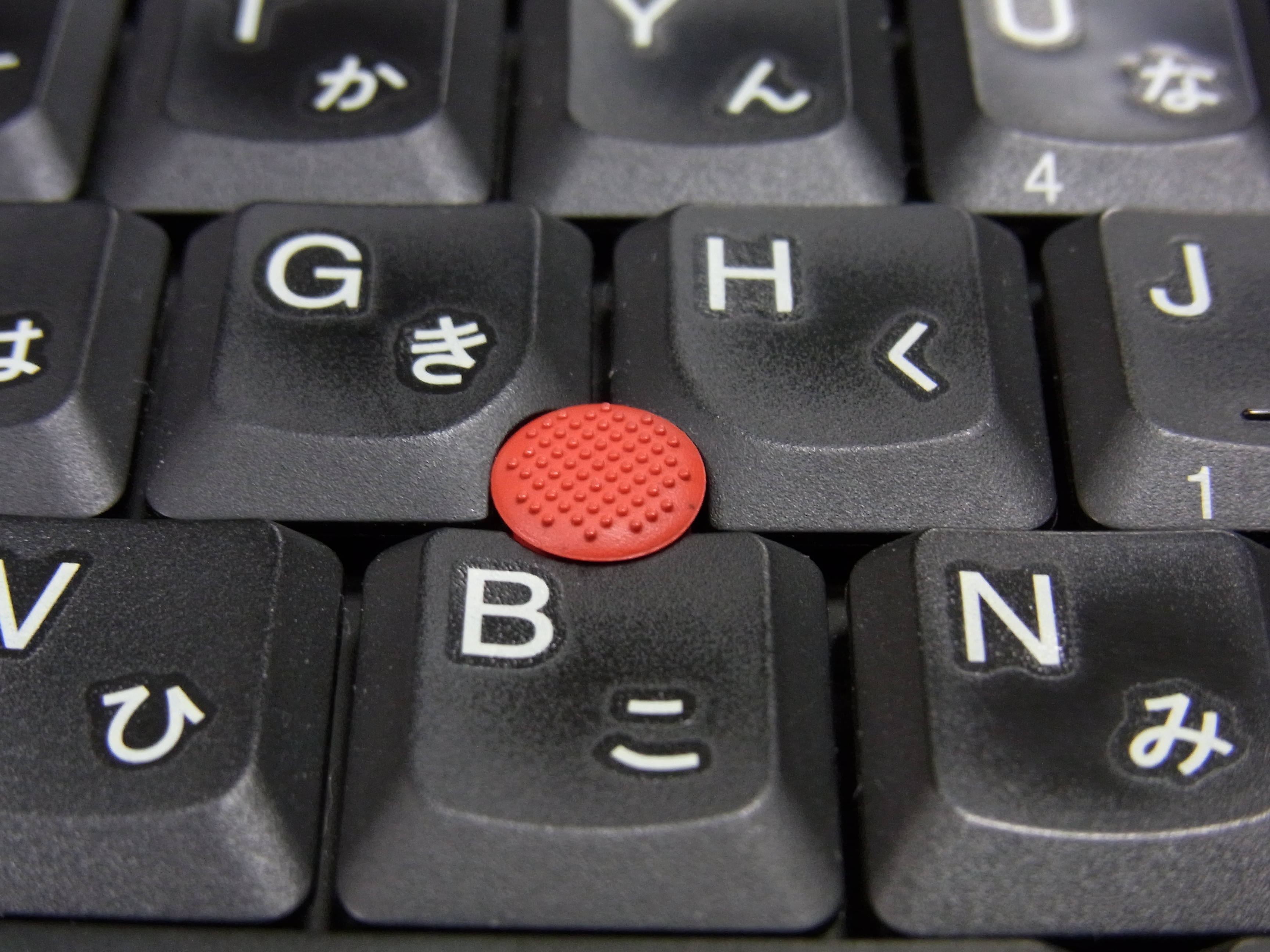
IBM TrackPoint (1992)
The laptop pointer that reads pressure, not motion — force-sensing isometric input between the G and H keys
 1992
1992
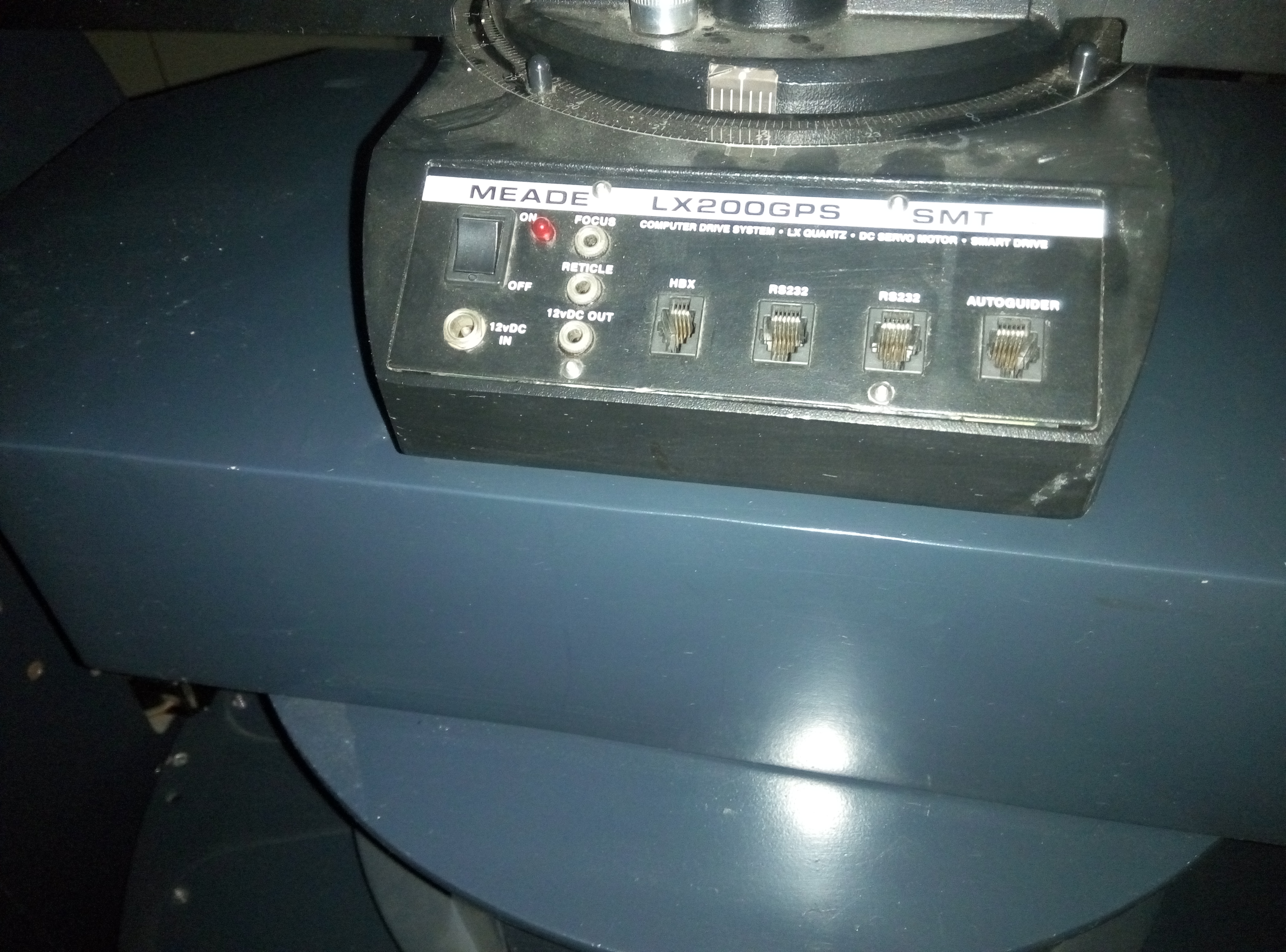
Meade LX200
The first telescope you point by keying a catalog number into a red-lit keypad
 1992
1992
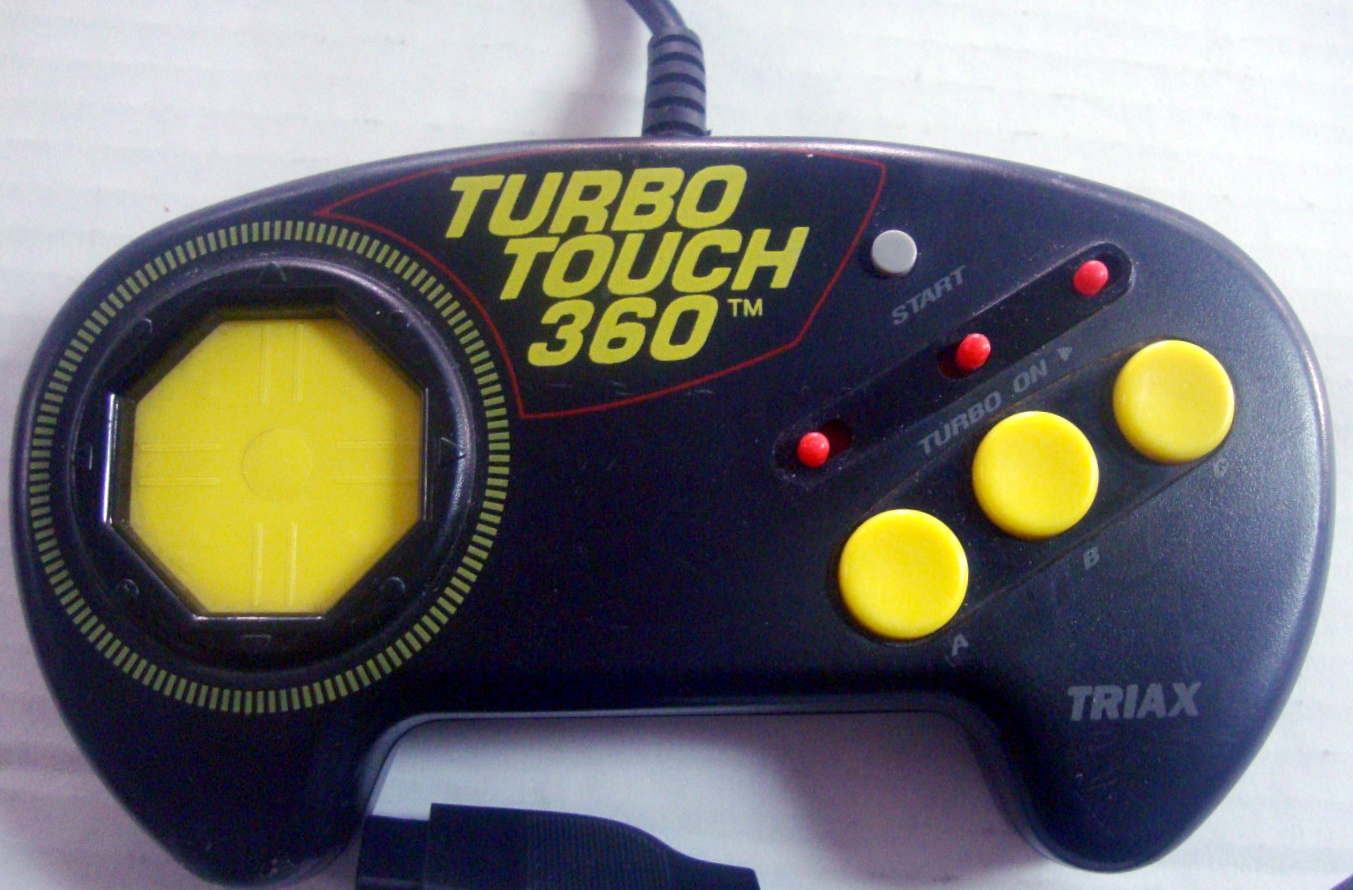
Turbo Touch 360
The D-pad replacement that swapped mechanical switches for a sliding capacitive touch plate
 1992
1992
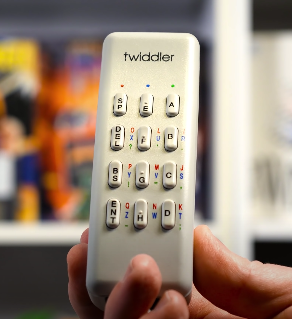
Twiddler
A keyboard in one hand
 1992
1992
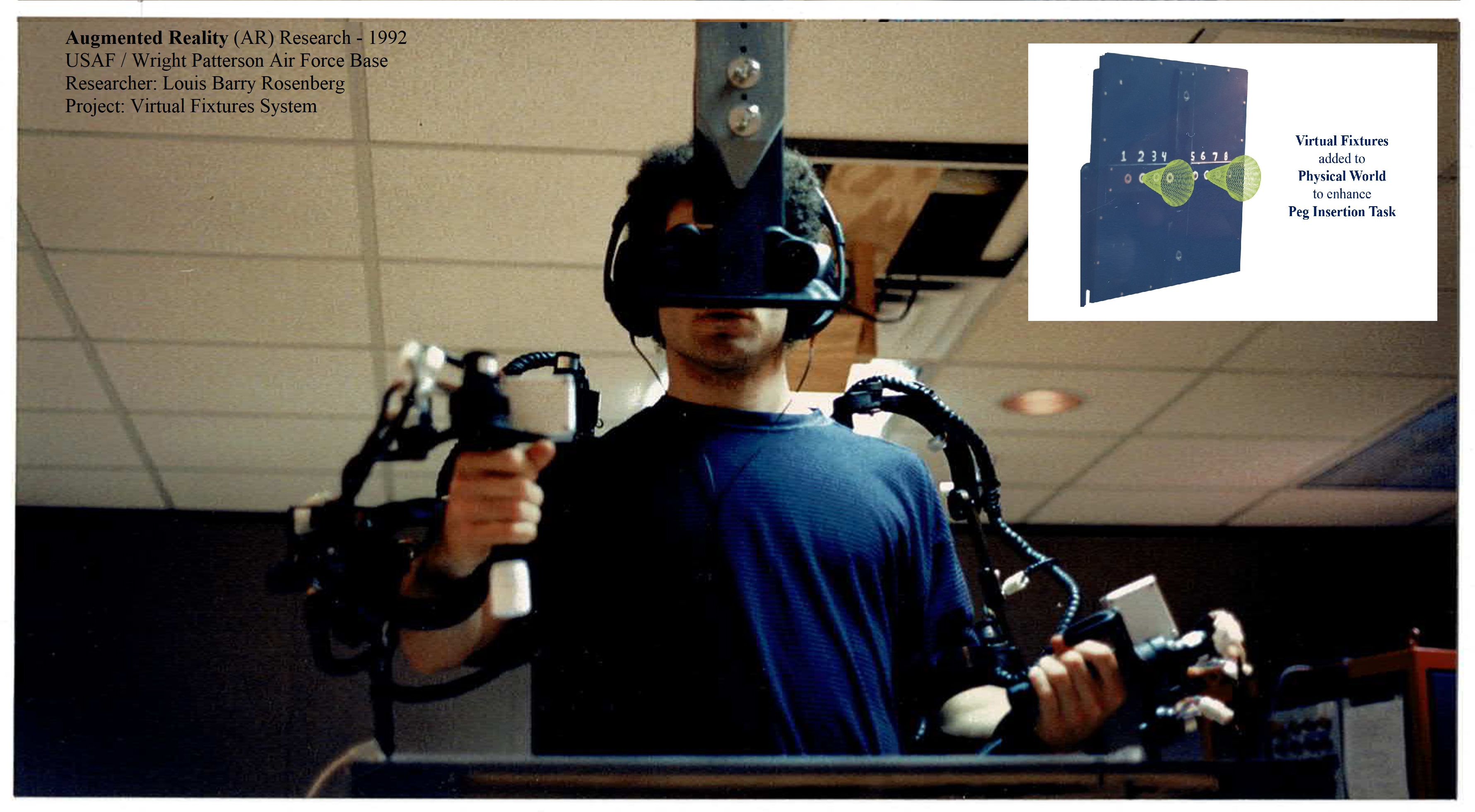
Virtual Fixtures
The first augmented reality system — a full upper-body exoskeleton that let you see and feel virtual objects registered in the real world
 1991
1991
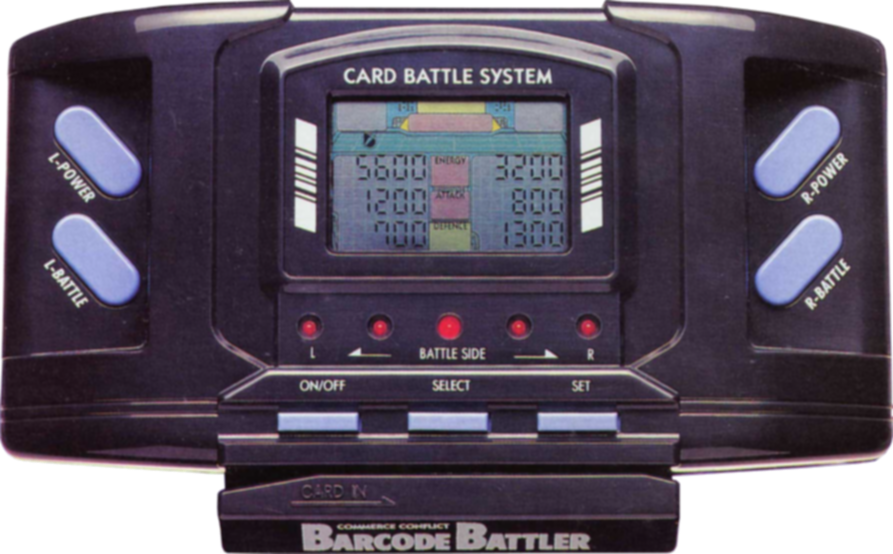
Barcode Battler
A handheld game that turned every supermarket barcode into an RPG character — Japan's brief, glorious fad for scanning cereal boxes into warriors
 1991
1991
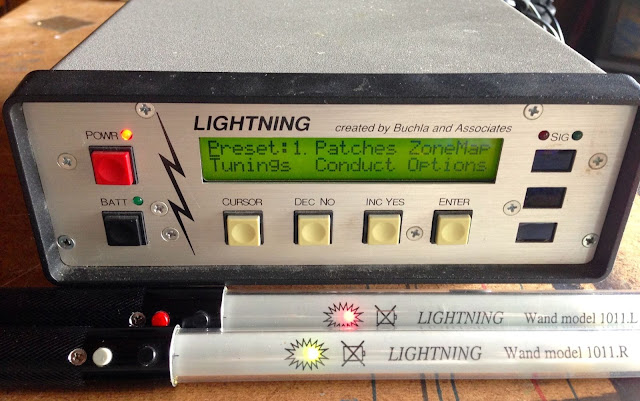
Buchla Lightning
Conjure music from thin air — two infrared wands, one optical tracker, and a DSP that reads your gestures as MIDI
 1991
1991
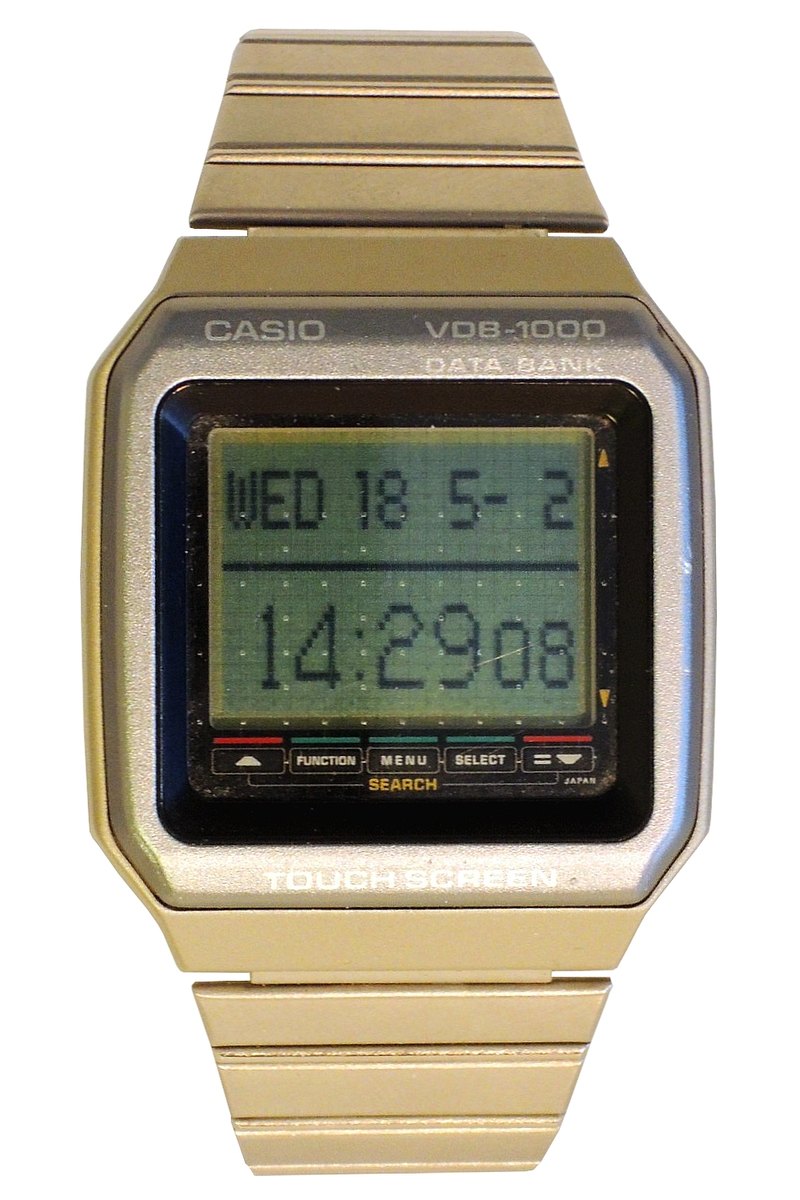
Casio VDB-1000 Touchscreen Watch
The watch whose whole face is a finger-touch touchscreen you type on — a pocket data bank on the wrist
 1991
1991
Interactive Brainwave Visual Analyzer (IBVA)
The first commercial wireless brain-computer interface — think with your forehead, control a Mac with your mind
 1991
1991
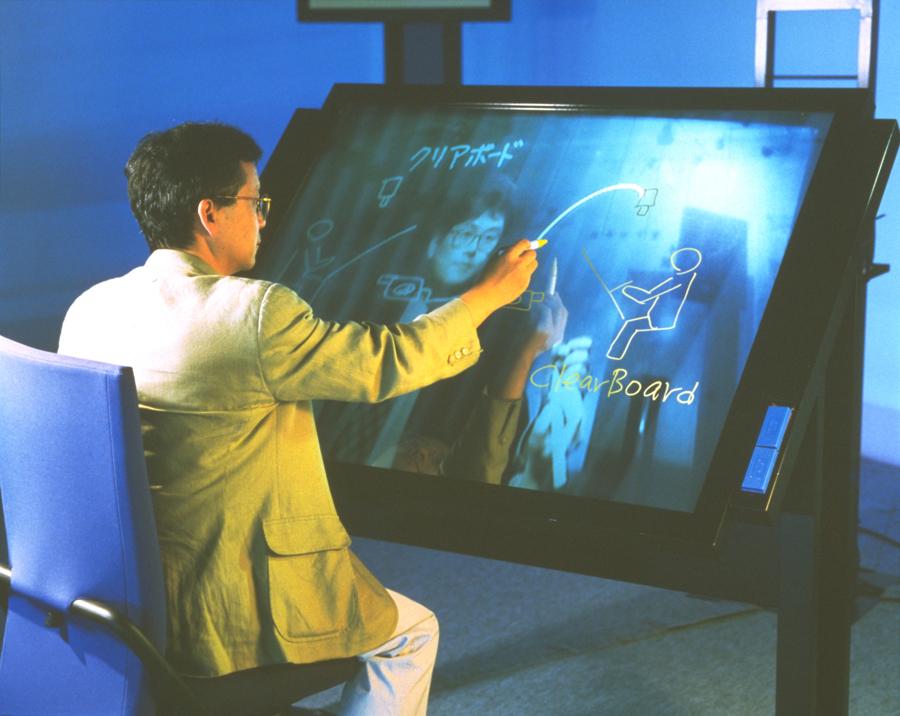
NTT ClearBoard-1
A shared glass drawing surface where your collaborator appears as a ghostly face, maintaining eye contact through a half-silvered mirror.
 1991
1991
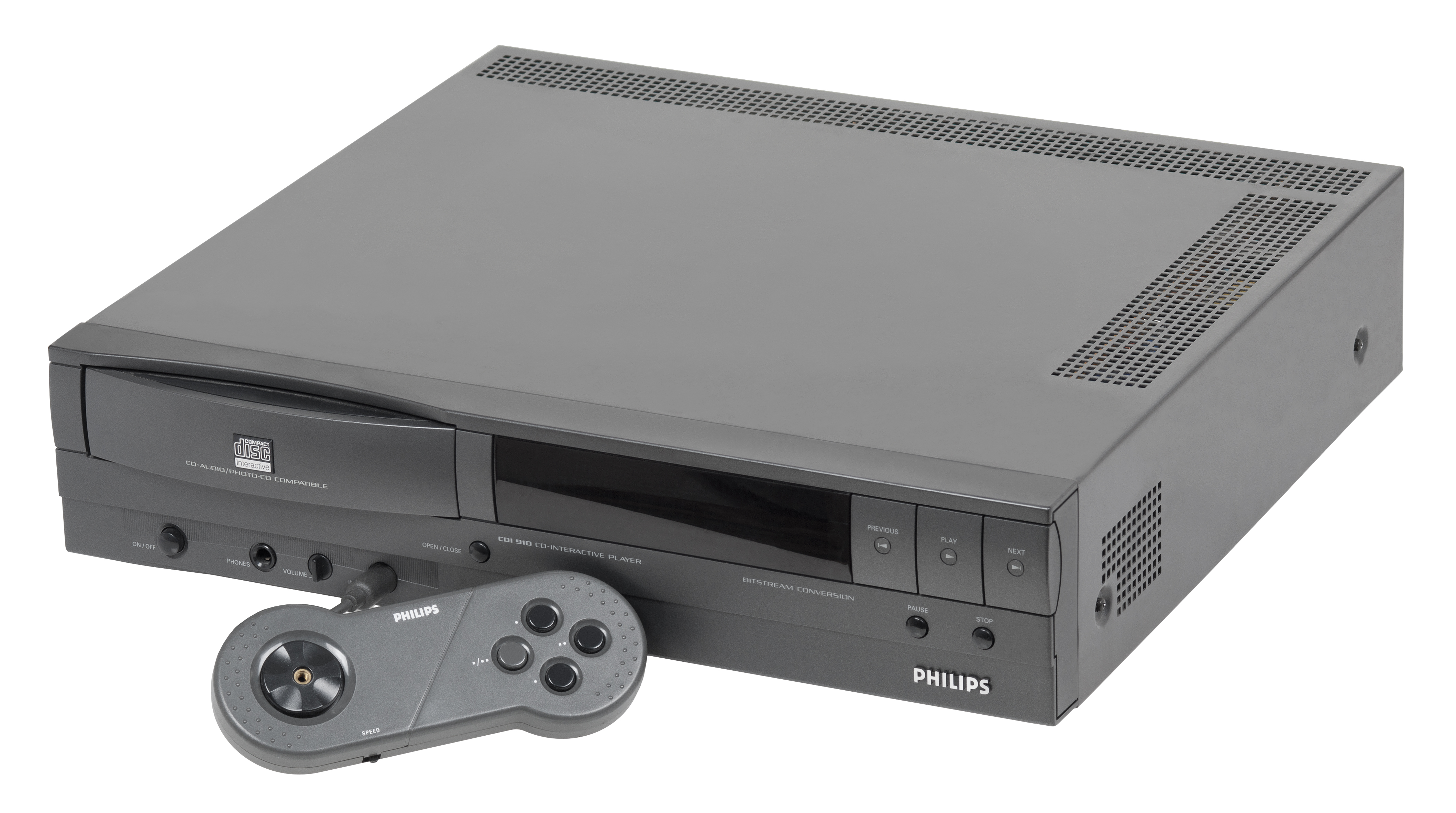
Philips CD-i
The living-room computer you operate like a TV — a remote with a thumb-trackball for a mouse
 1991
1991
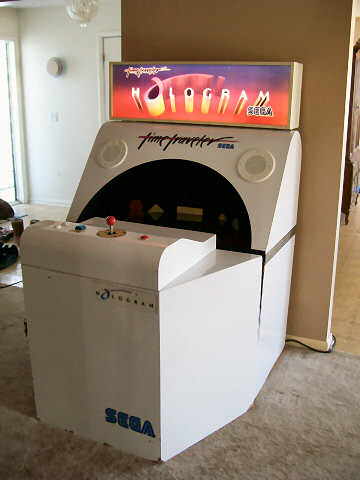
Sega Hologram Time Traveler
A curved mirror projects live-action actors as free-standing 3D figures above the cabinet — and a coin-bought 'time reversal' button rewinds your mistakes
 1991
1991
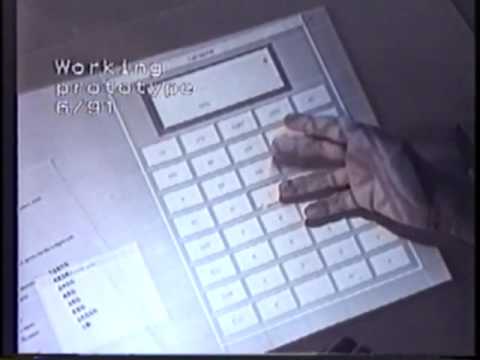
The Digital Desk
Paper meets projector
 1991
1991
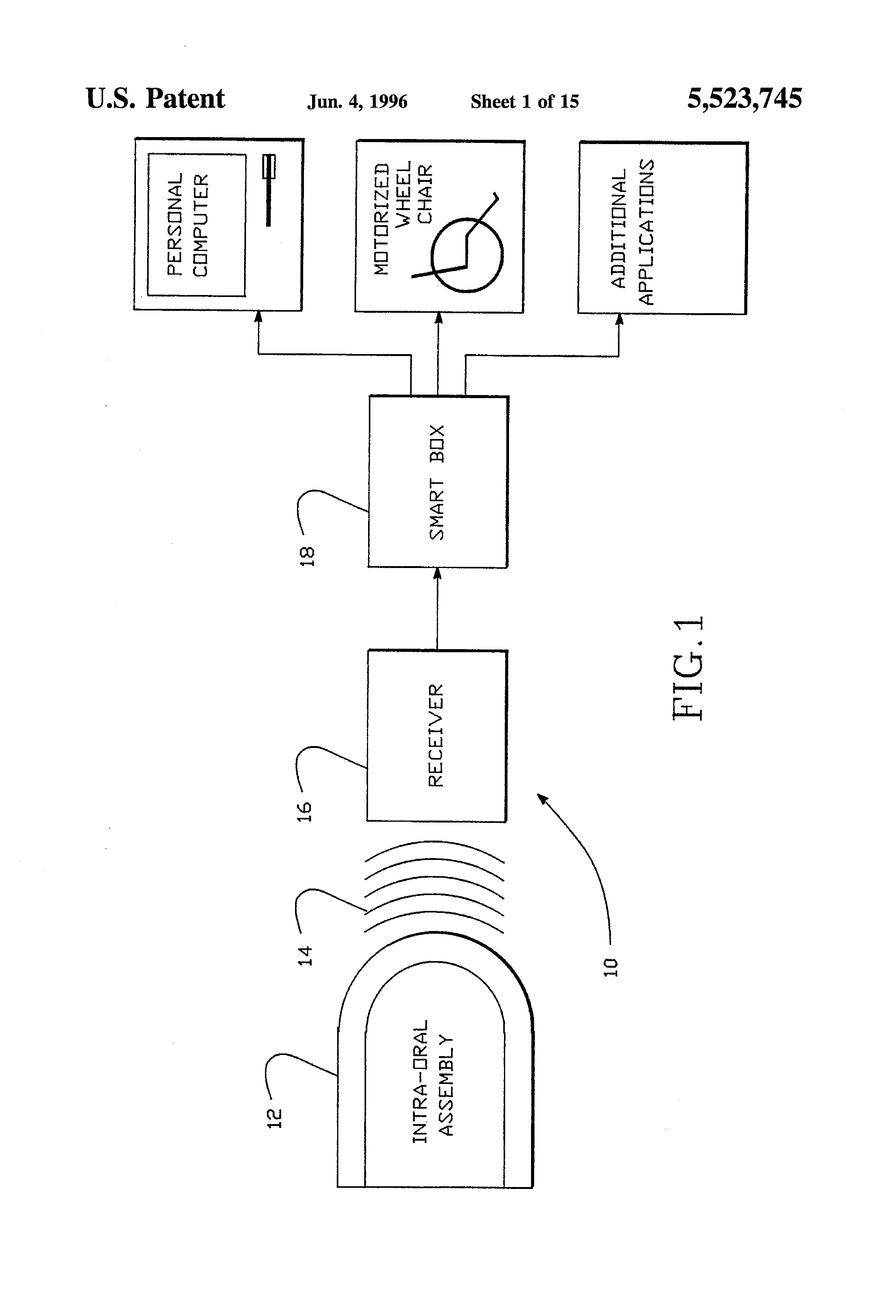
Tongue Touch Keypad
The intraoral dental retainer with a nine-key membrane keypad that let quadriplegics control computers by touching their tongue to the roof of their mouth.
 1990
1990
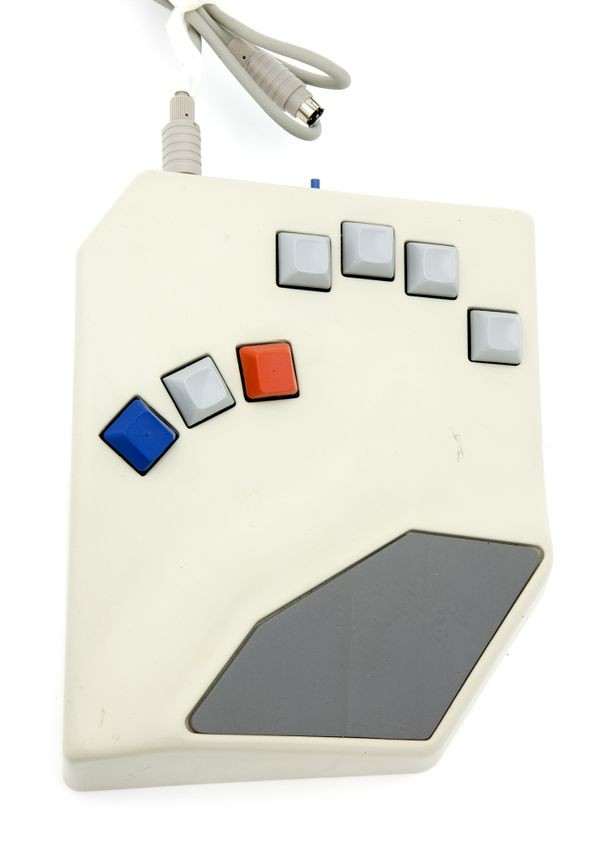
BAT Keyboard
Seven keys, one hand, and a tilt that says 'I was designed for a fighter jet cockpit.' NASA helped bring it to Earth.
 1990
1990
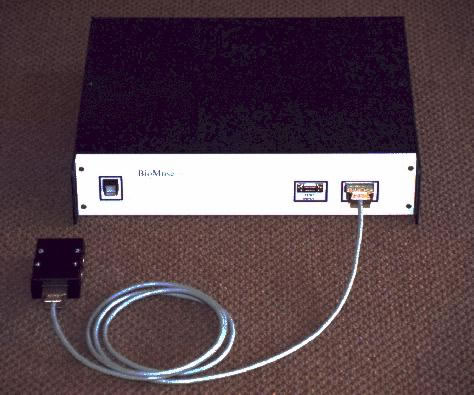
BioMuse
The first commercial biosignal controller: muscle tension, eye movement, and brainwaves become music
 1990
1990
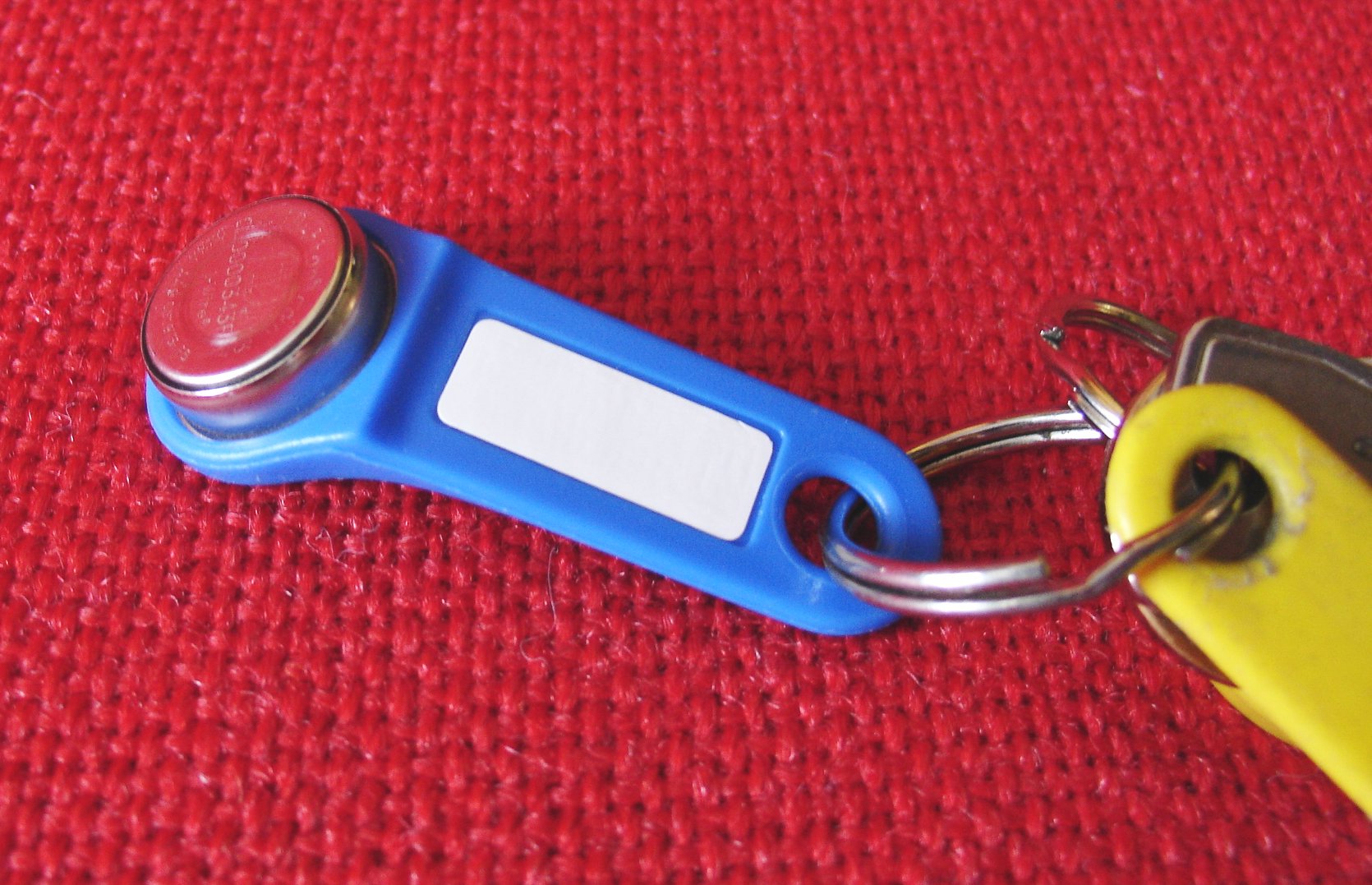
Dallas Semiconductor iButton
A 16mm steel can that turned touch into digital identity
 1990
1990
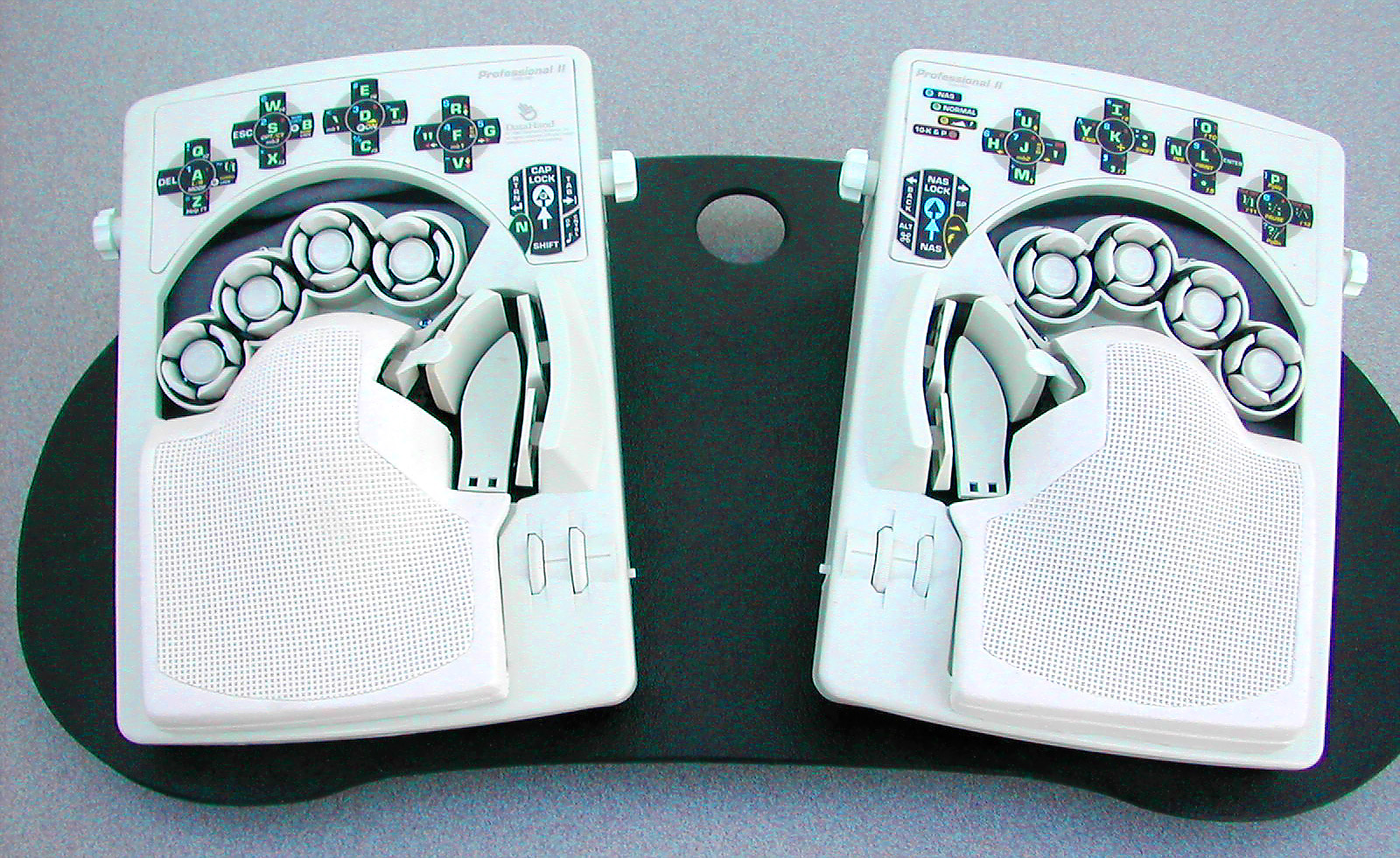
DataHand Keyboard
The keyboard where your fingers never move — each digit rests in a padded well and types by twitching in five directions.
 1990
1990
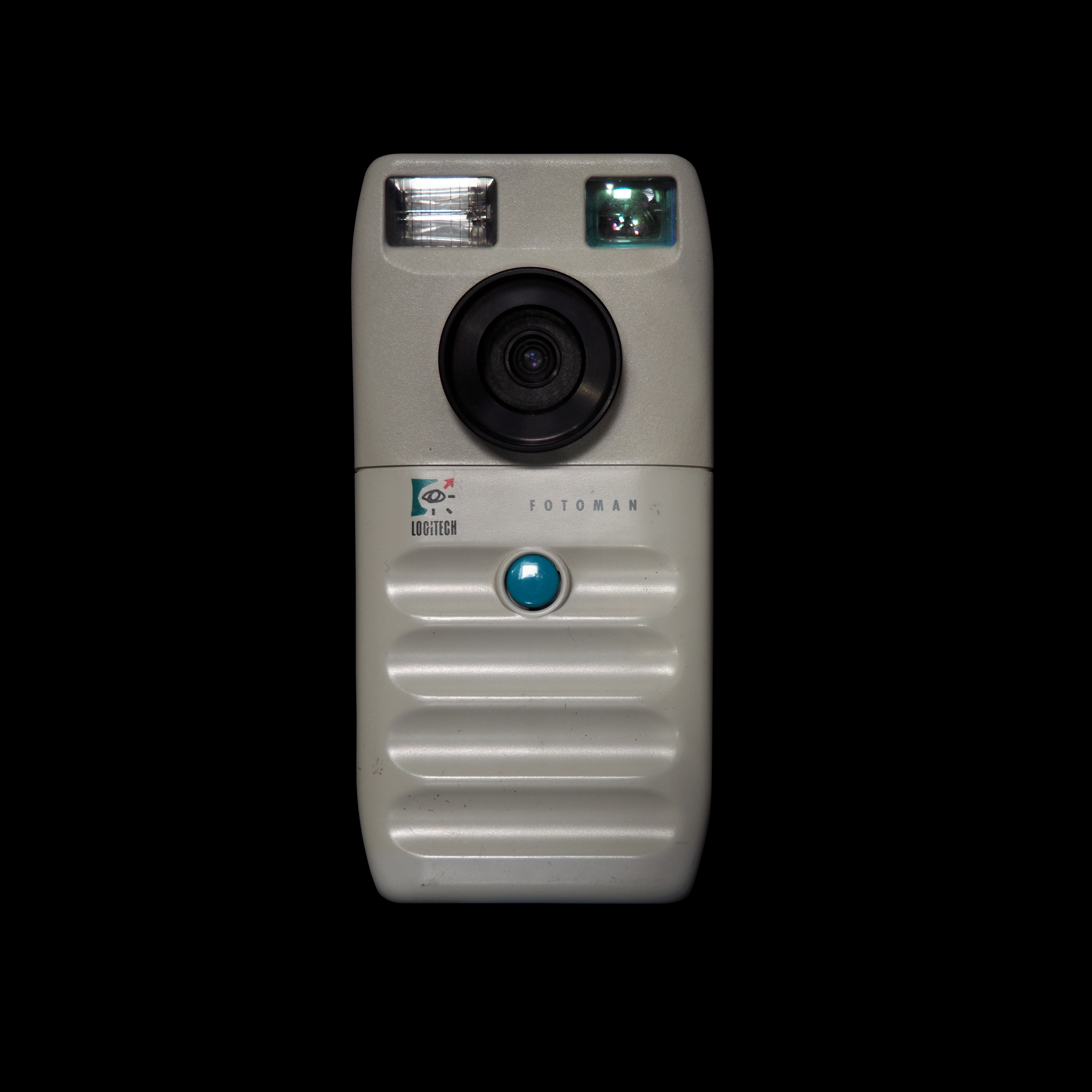
Dycam Model 1 / Logitech Fotoman
The camera with one button, no screen, volatile memory, and a fake shutter sound — a computer peripheral that happened to be shaped like a camera
 1990
1990
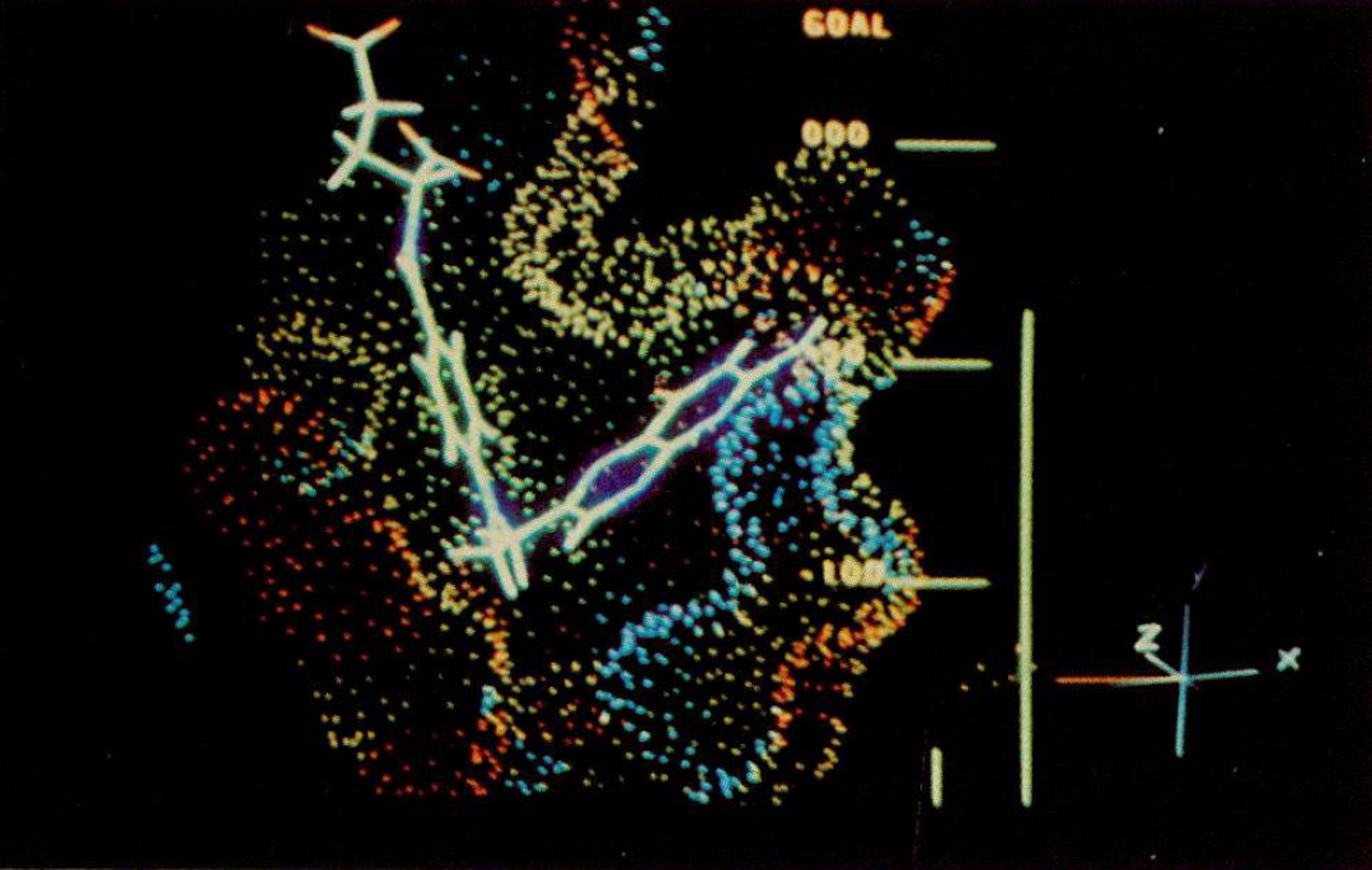
GROPE-III
The first force-feedback molecular docking system that let chemists physically feel electrostatic forces between drug molecules and protein receptors.
 1990
1990
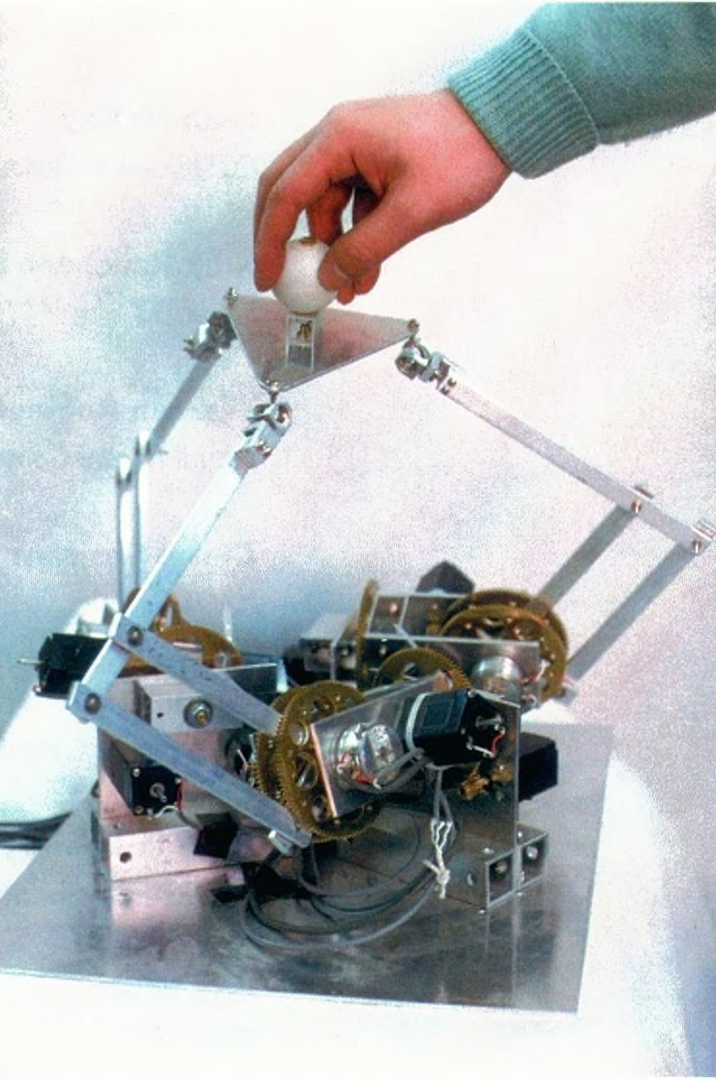
Iwata Desktop Force Display
A compact desktop haptic device that let you grope blind through invisible virtual space — feeling hard walls, squishy surfaces, and swirling fluid vortices with your bare hand.
 1990
1990
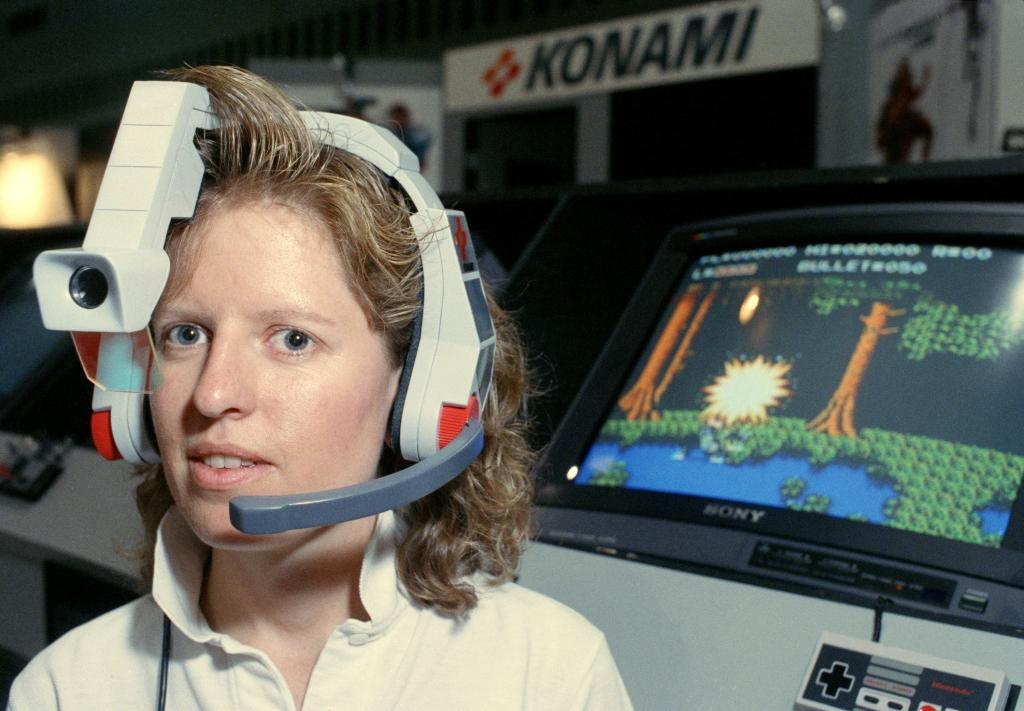
Konami LaserScope
A voice-activated head-mounted targeting device for the NES — shout 'Fire!' to shoot.
 1990
1990
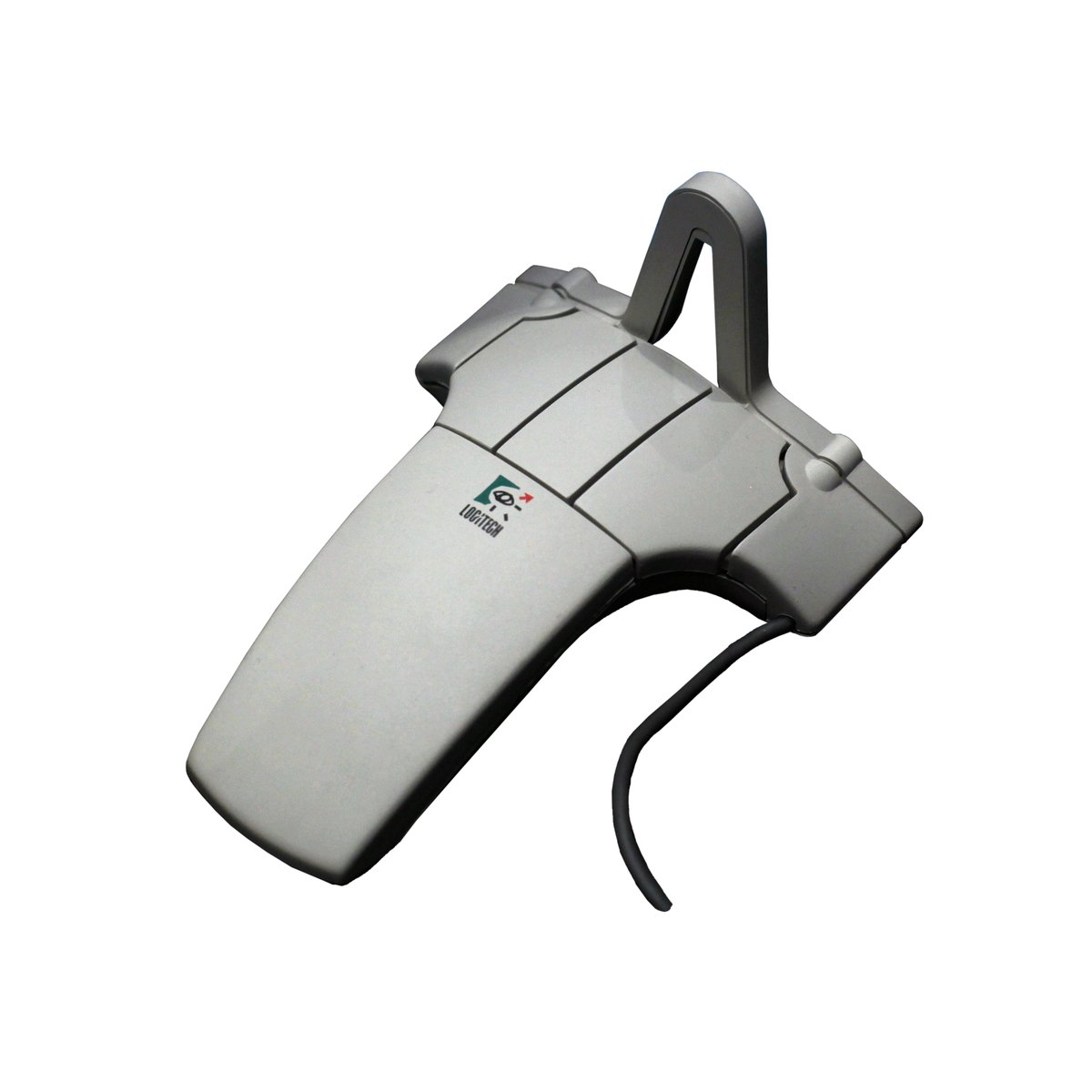
Logitech 3D Mouse (Fly Mouse)
A free-space 6-DOF mouse you lift into the air and fly — ultrasonic time-of-flight tracks your hand in 3D
 1990
1990
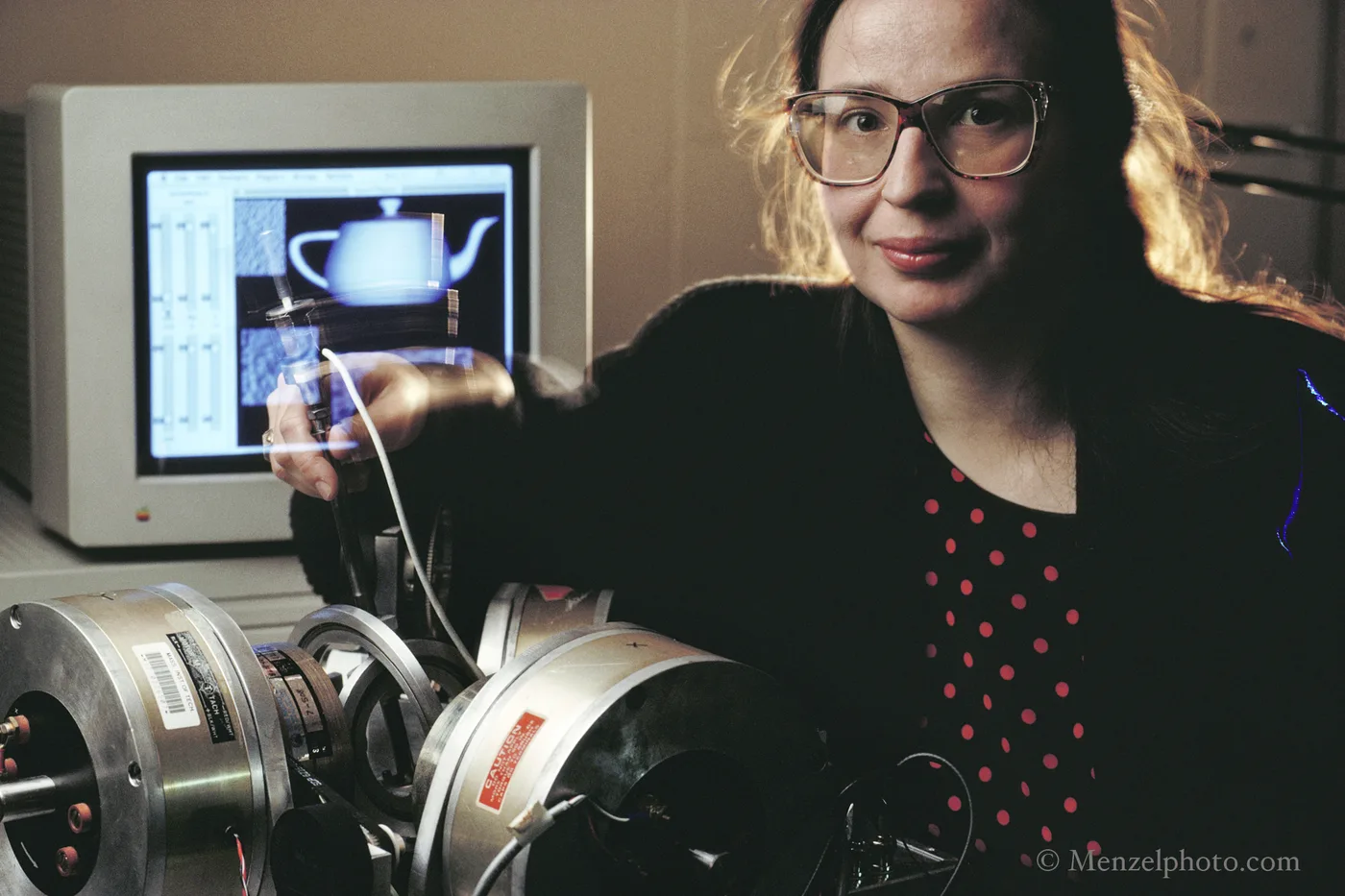
Minsky Sandpaper
The 2-DOF force-feedback joystick that synthesized virtual textures through programmable lateral forces, birthing computational haptics.
 1990
1990
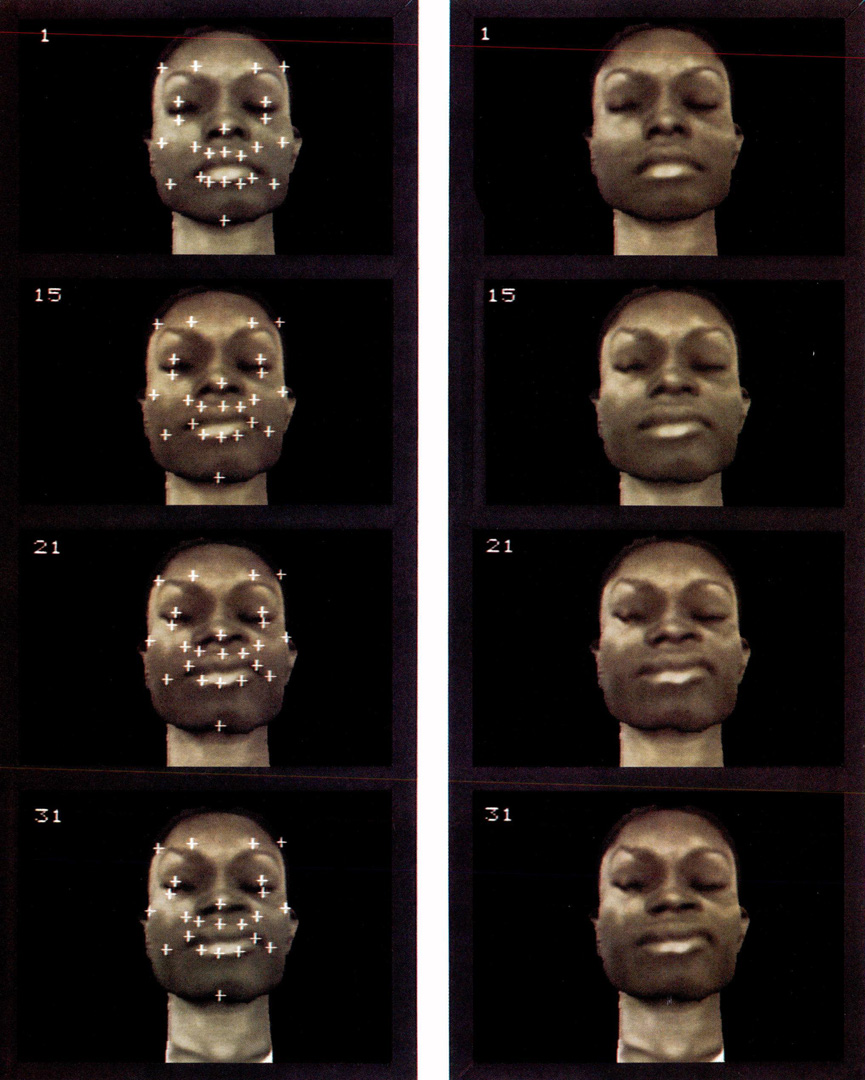
Performance-Driven Facial Animation
The first system to use a live actor's real face as a real-time input device for computer-generated animation
 1990
1990
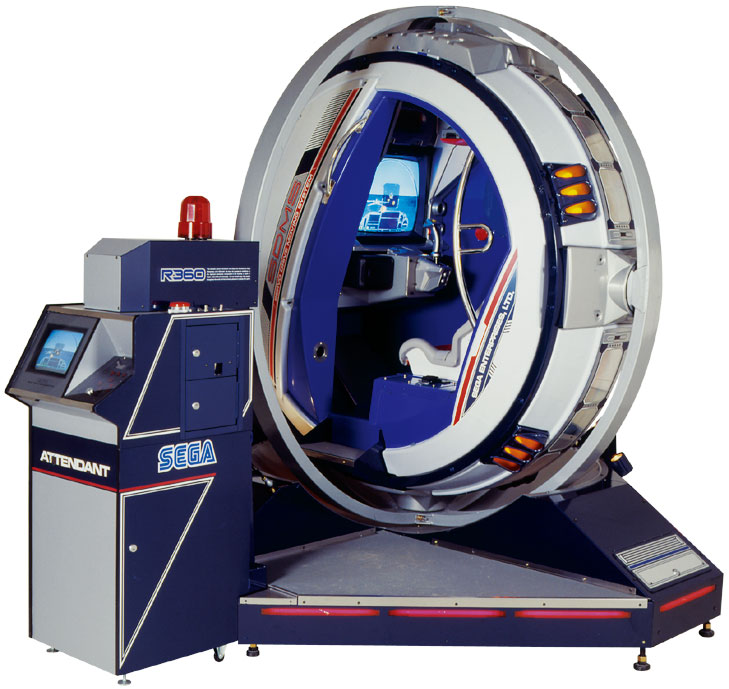
Sega R360
The arcade cabinet that barrel-rolled with you inside
 1990
1990
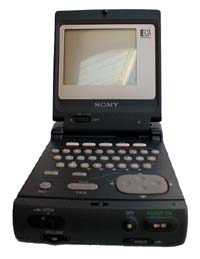
Sony Data Discman
The first dedicated e-book reader, three years before the word meant anything
 1990
1990
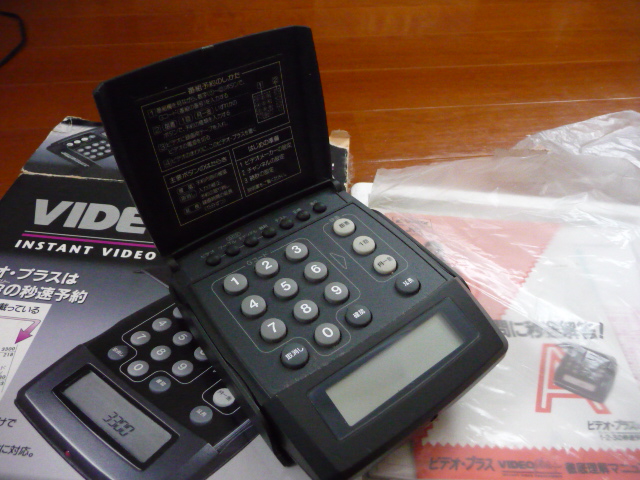
VCR Plus+
A whole recording schedule compressed into a printed number you type into a box
 1990
1990
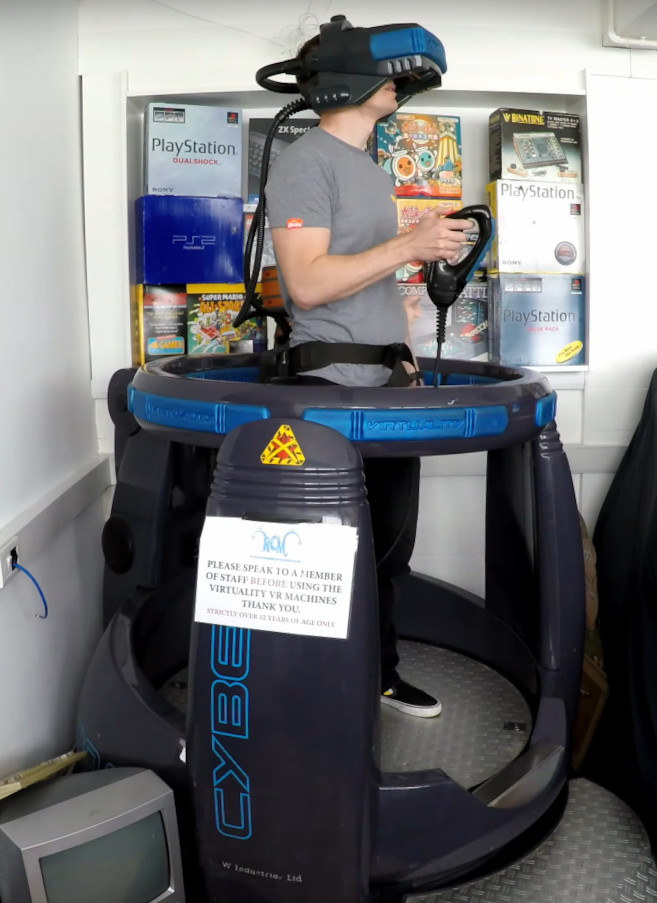
Virtuality
Networked VR in an arcade pod
 1990
1990
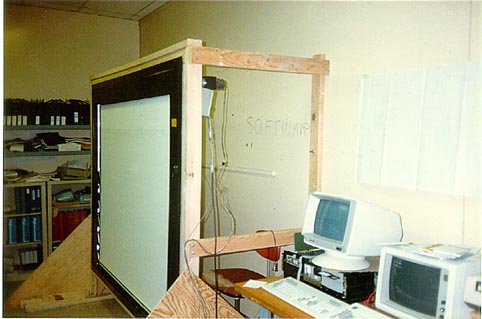
Xerox LiveBoard
A 67-inch rear-projection wall that turned a meeting room into a shared computer — and put a laser from a copier in the corner to track your pen.
 1989
1989
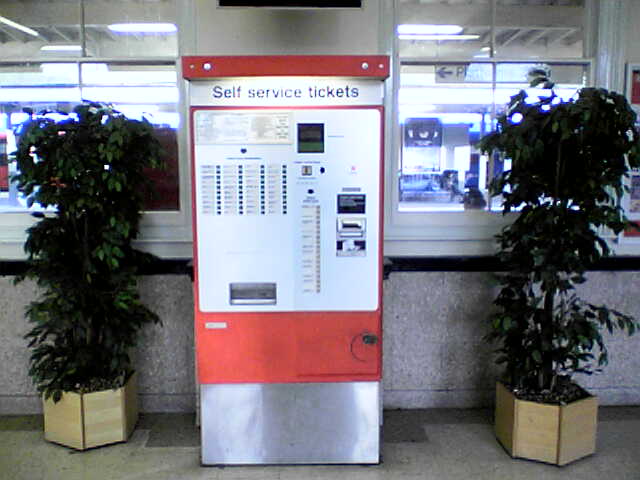
Ascom B8050 QuickFare
A self-service ticket machine whose output is a notched cardstock card that IS the data
 1989
1989
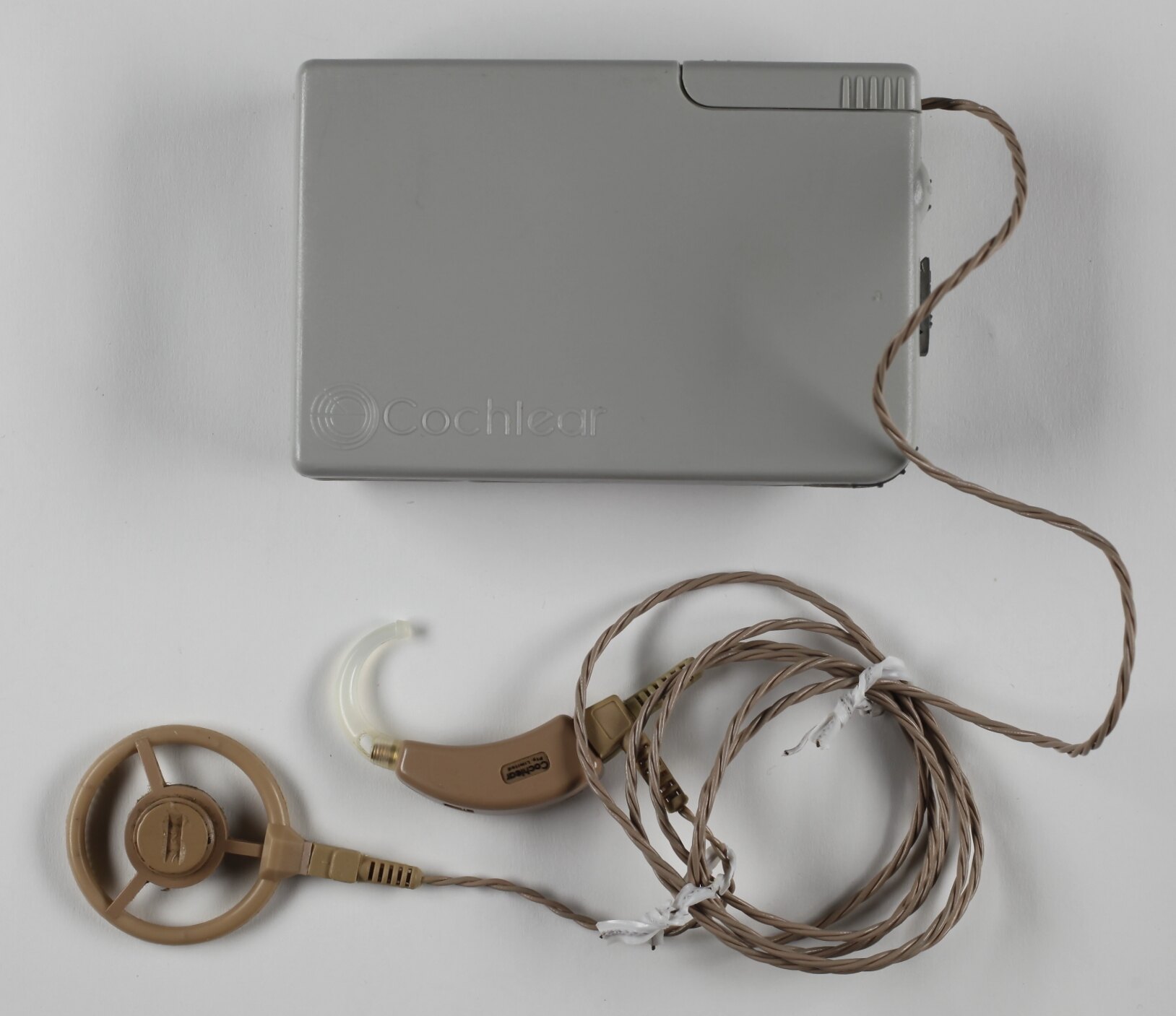
Cochlear Nucleus 22 / Mini Speech Processor
The machine that learns your brain's language for sound, then injects coded pulses straight into your auditory nerve
 1989
1989
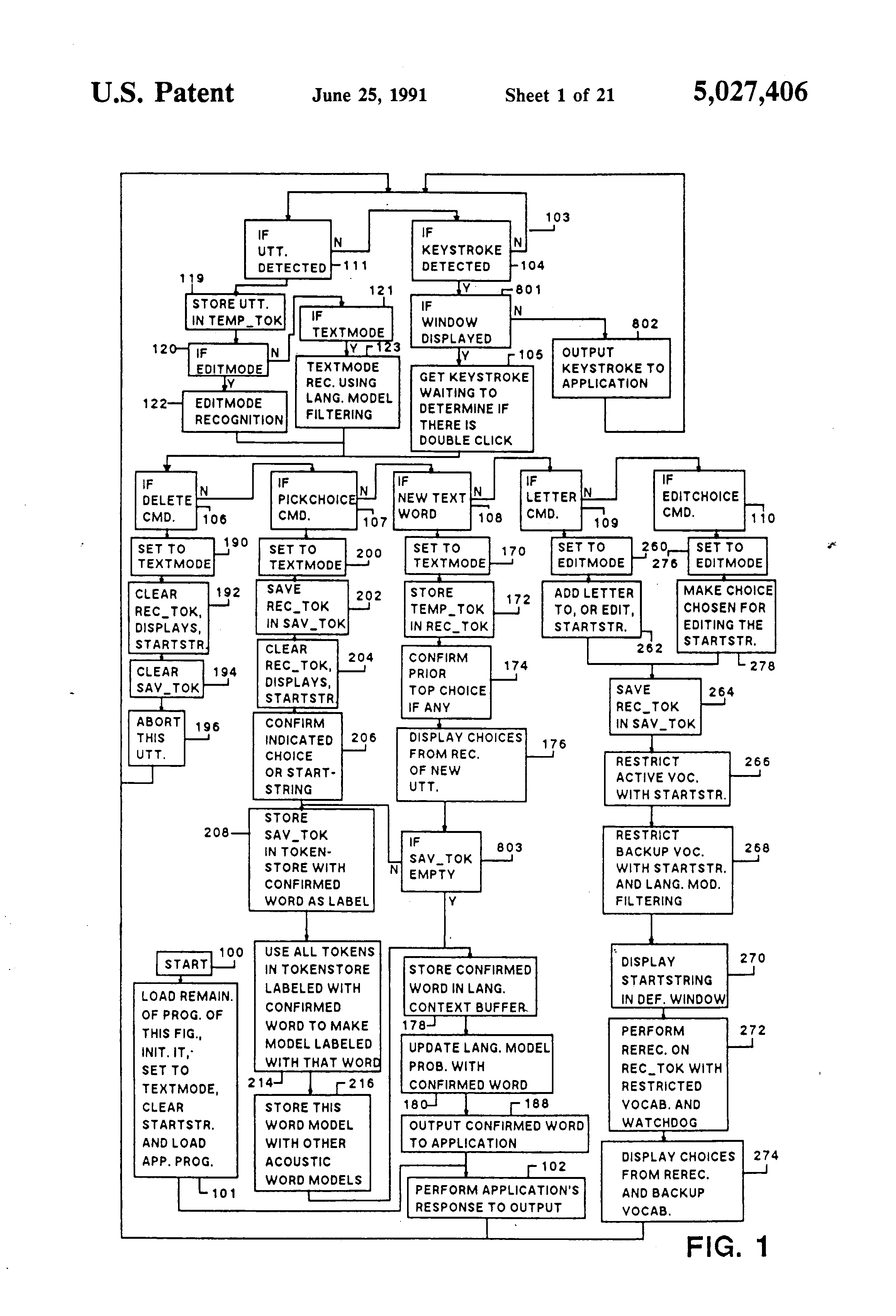
DragonDictate
The first large-vocabulary speech-to-text dictation: 30,000 words, one $9,000 DSP board, and an 'Oops' command
 1989
1989
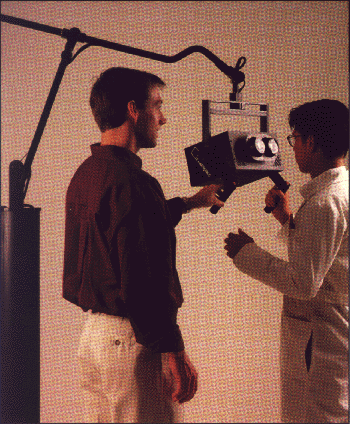
Fakespeare BOOM
Press your face against a CRT on a counterbalanced mechanical arm — immersive VR with zero latency, zero weight on your head
 1989
1989
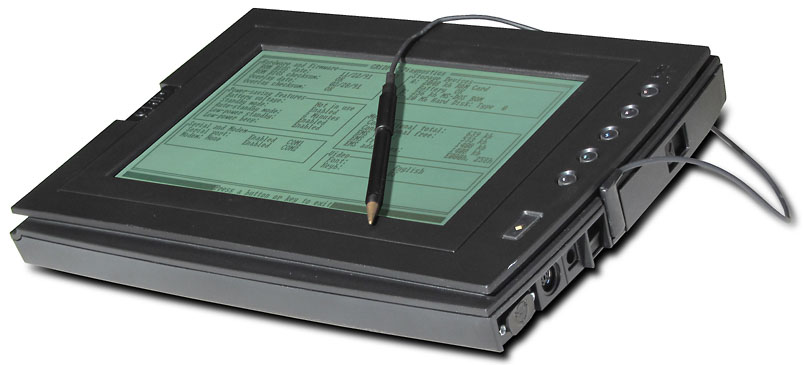
GRiDPad 100
First commercial tablet computer with pen input.
 1989
1989
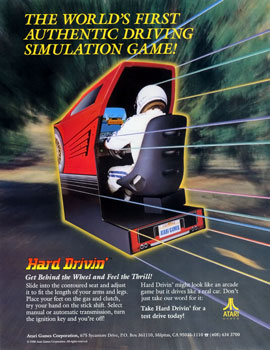
Hard Drivin'
The arcade machine that strapped a real DC motor to your steering wheel — and hid a Milliken-level vehicle physics model inside
 1989
1989
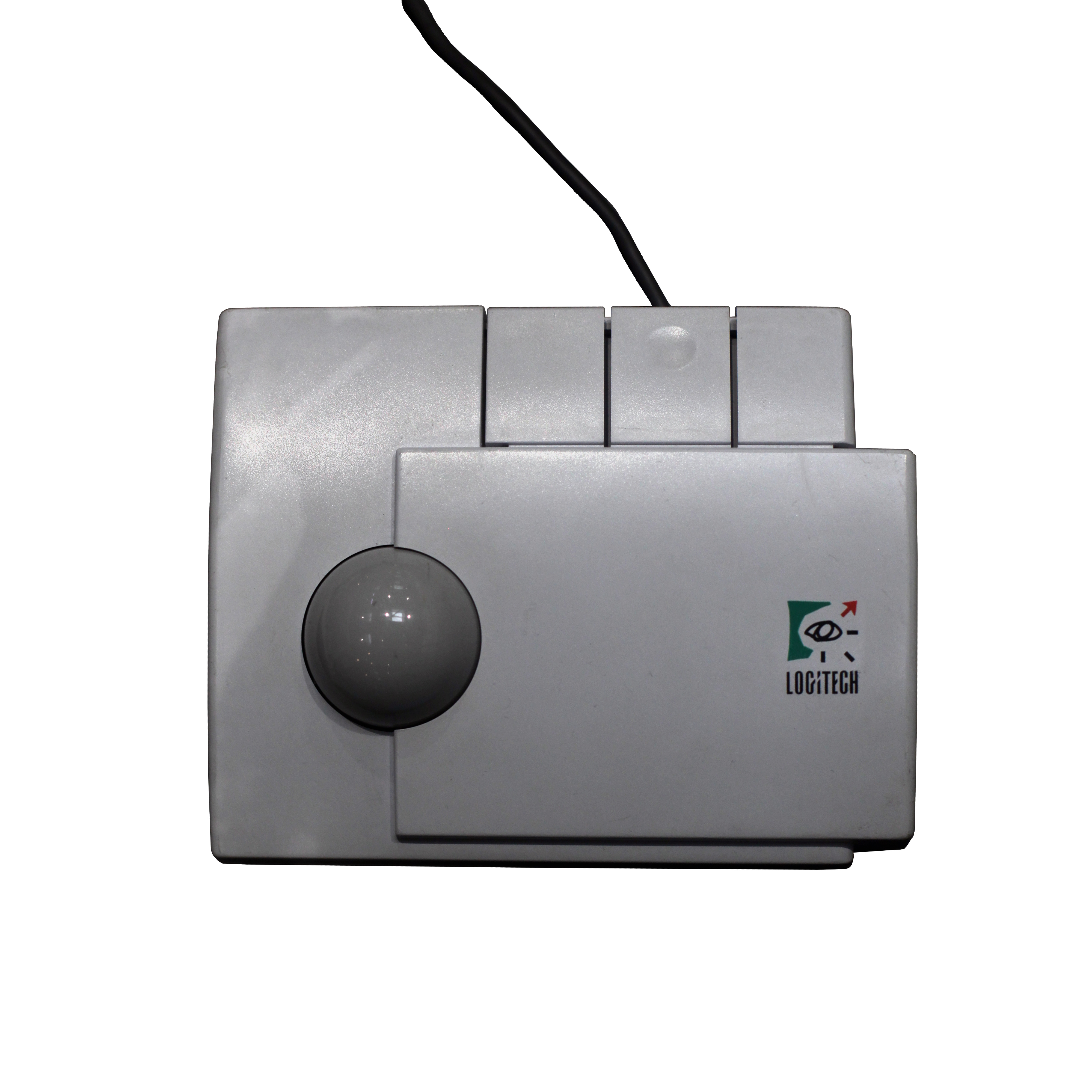
Logitech TrackMan (1989)
The first thumb-operated trackball, the grammar laptops would borrow
 1989
1989
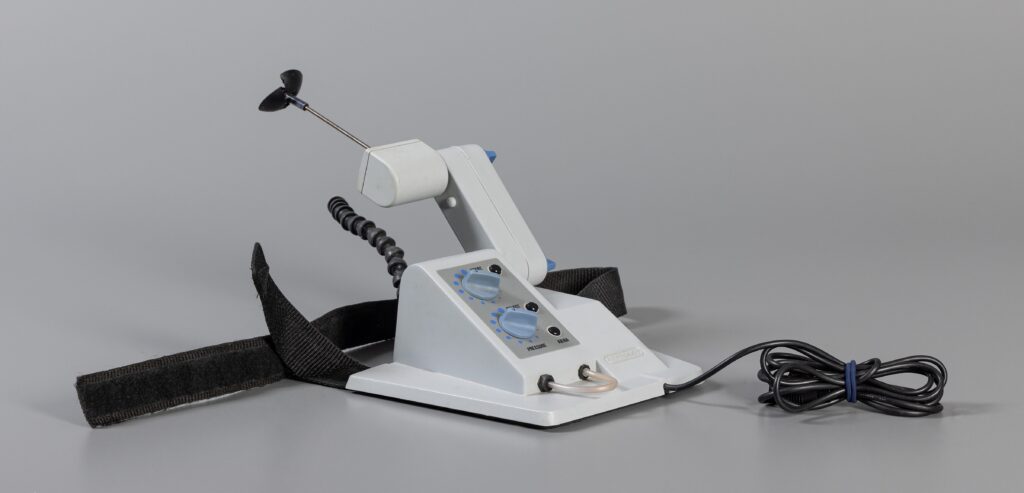
Nintendo Hands Free Controller
The first accessibility controller produced by a major gaming corporation, operated by chin and breath — 29 years ahead of its time.
 1989
1989
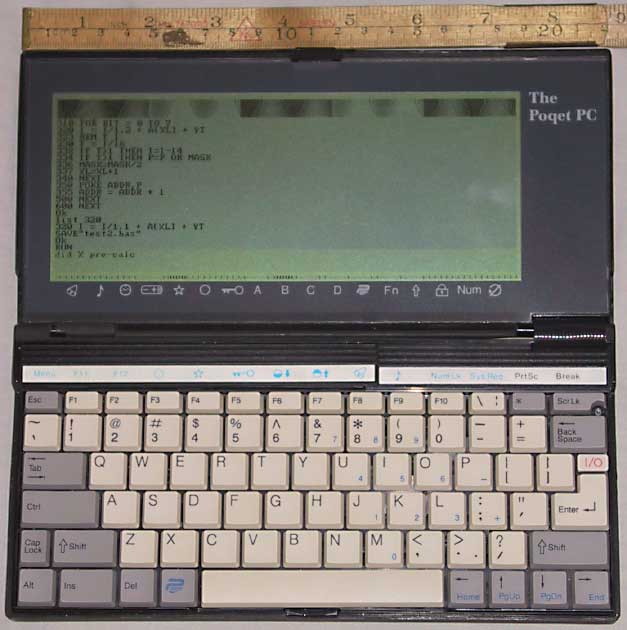
Poqet PC
Credit-card-sized MS-DOS computer with PCMCIA.
 1989
1989
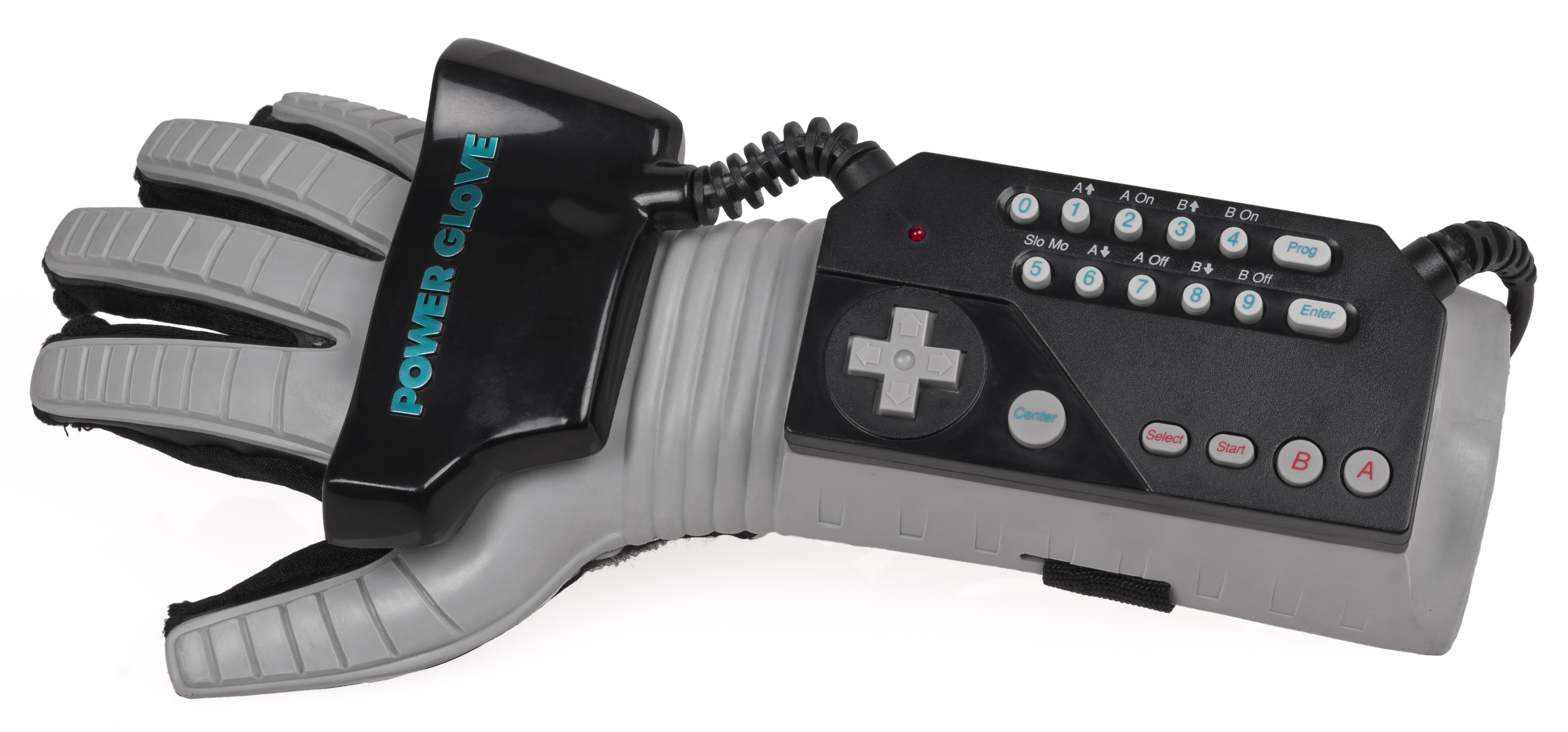
Power Glove
A $10,000 NASA glove, shrunk to $90
 1989
1989
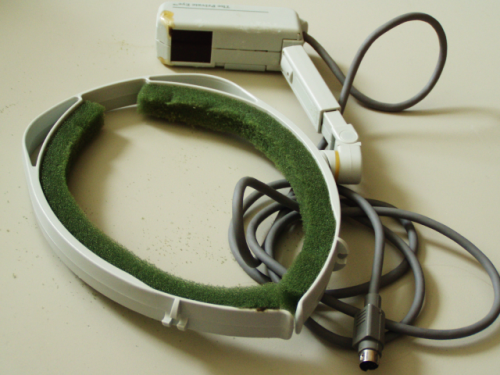
Private Eye
The vibrating-mirror monocular display that launched wearable computing and became the Nintendo Virtual Boy
 1989
1989
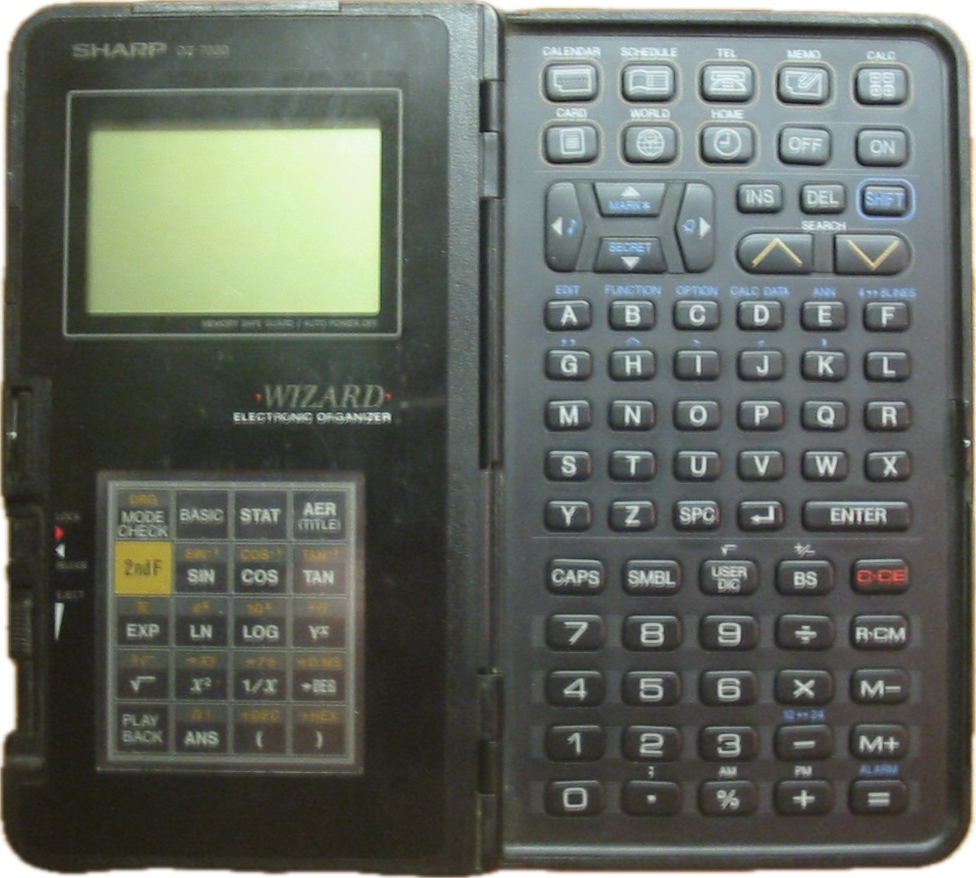
Sharp Wizard OZ-7000
Transparent touch panel over swappable physical IC cards — a plug-and-play hardware UI
 1989
1989
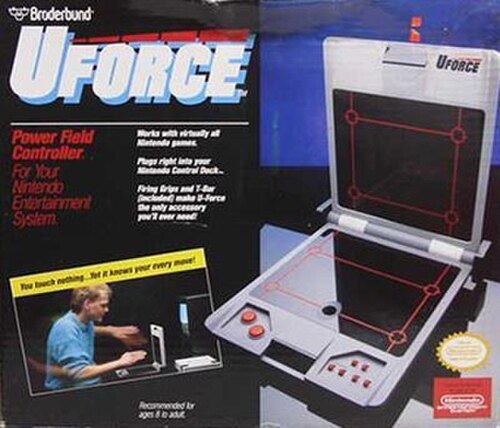
U-Force
The NES touchless controller with the unfortunate slogan 'Don't Touch!' — nine infrared beams, zero playability, one magnificent failure
 1989
1989
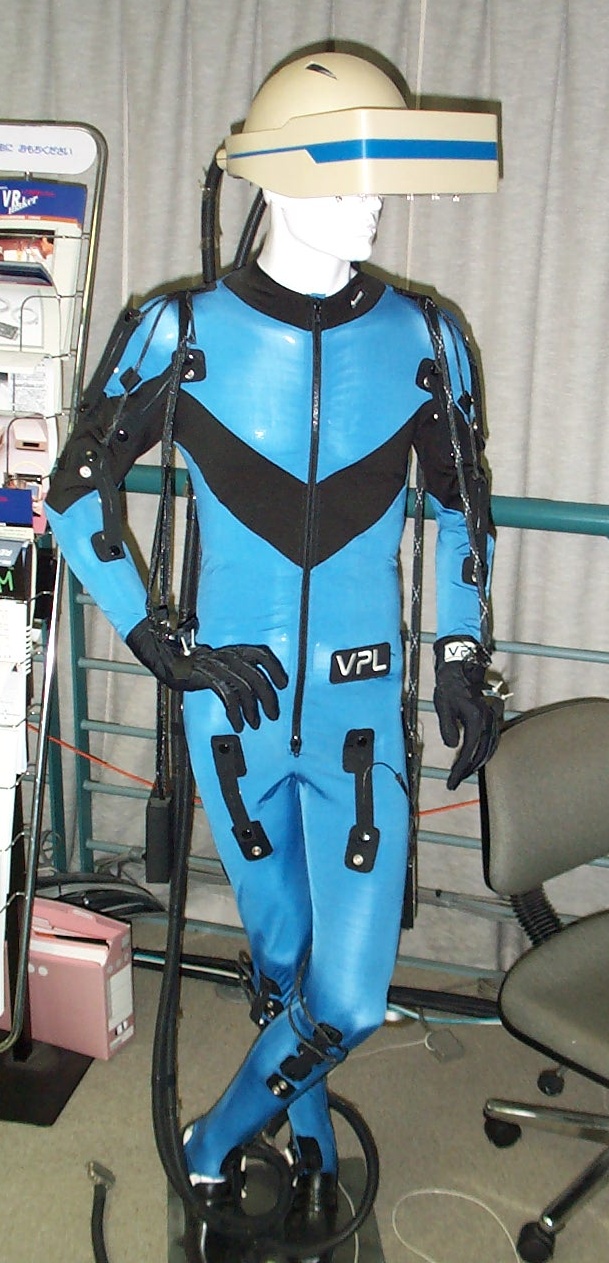
VPL DataSuit
The first full-body fiber-optic tracking suit — 30+ sensors across arms, legs, and trunk, your entire body as computer input
 1988
1988
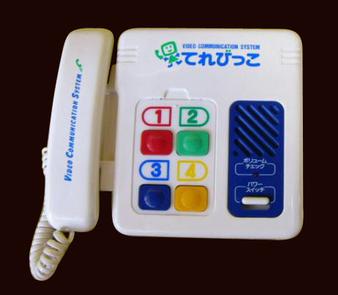
Bandai Terebikko
The VHS telephone that let cartoon characters call you — Bandai's pre-web interactive television.
 1988
1988
Convolvotron
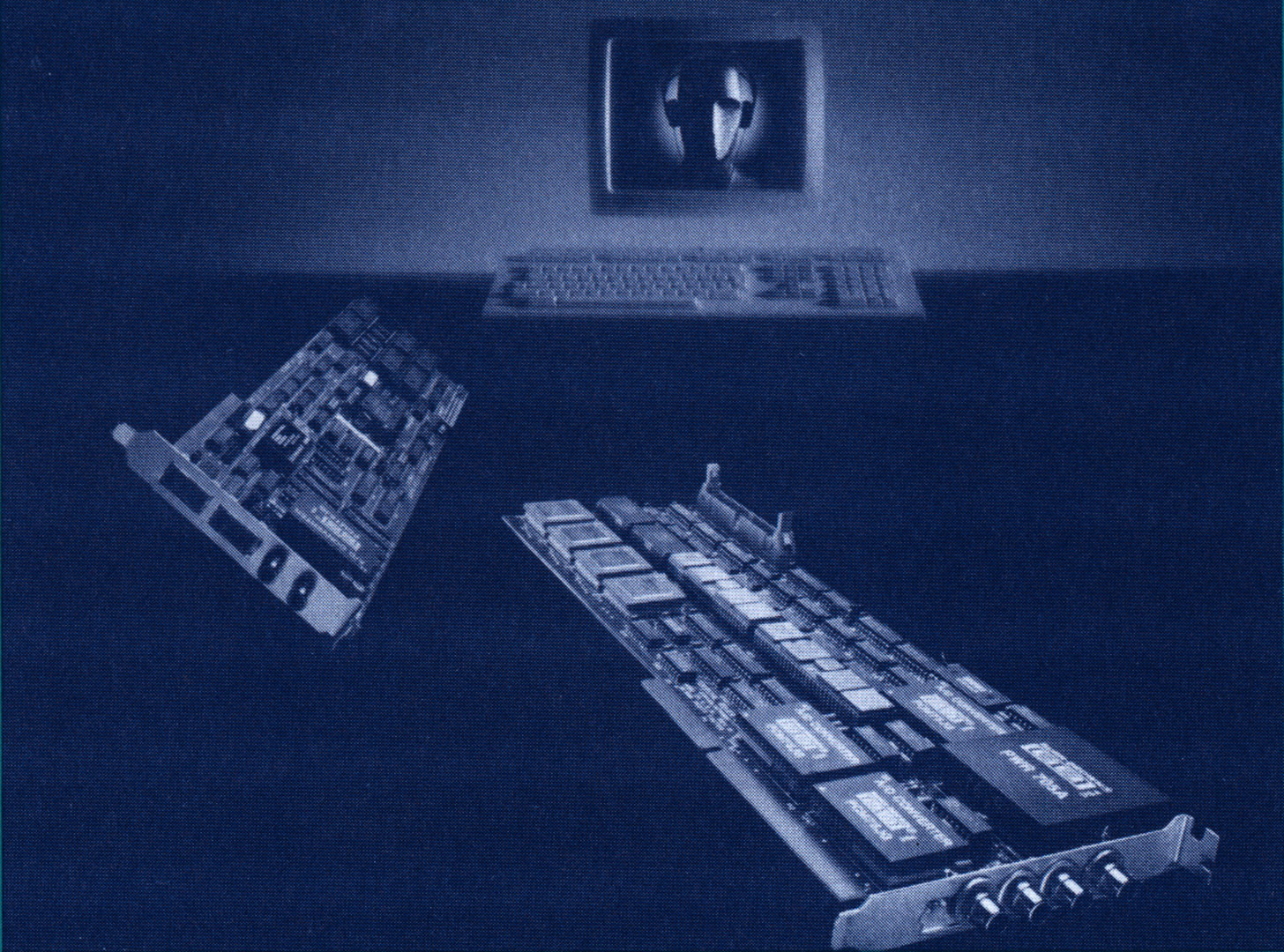
The first real-time 3D audio spatializer — a $15,000 PC board set from NASA's VIEW lab that let you listen through someone else's ears
 1988
1988
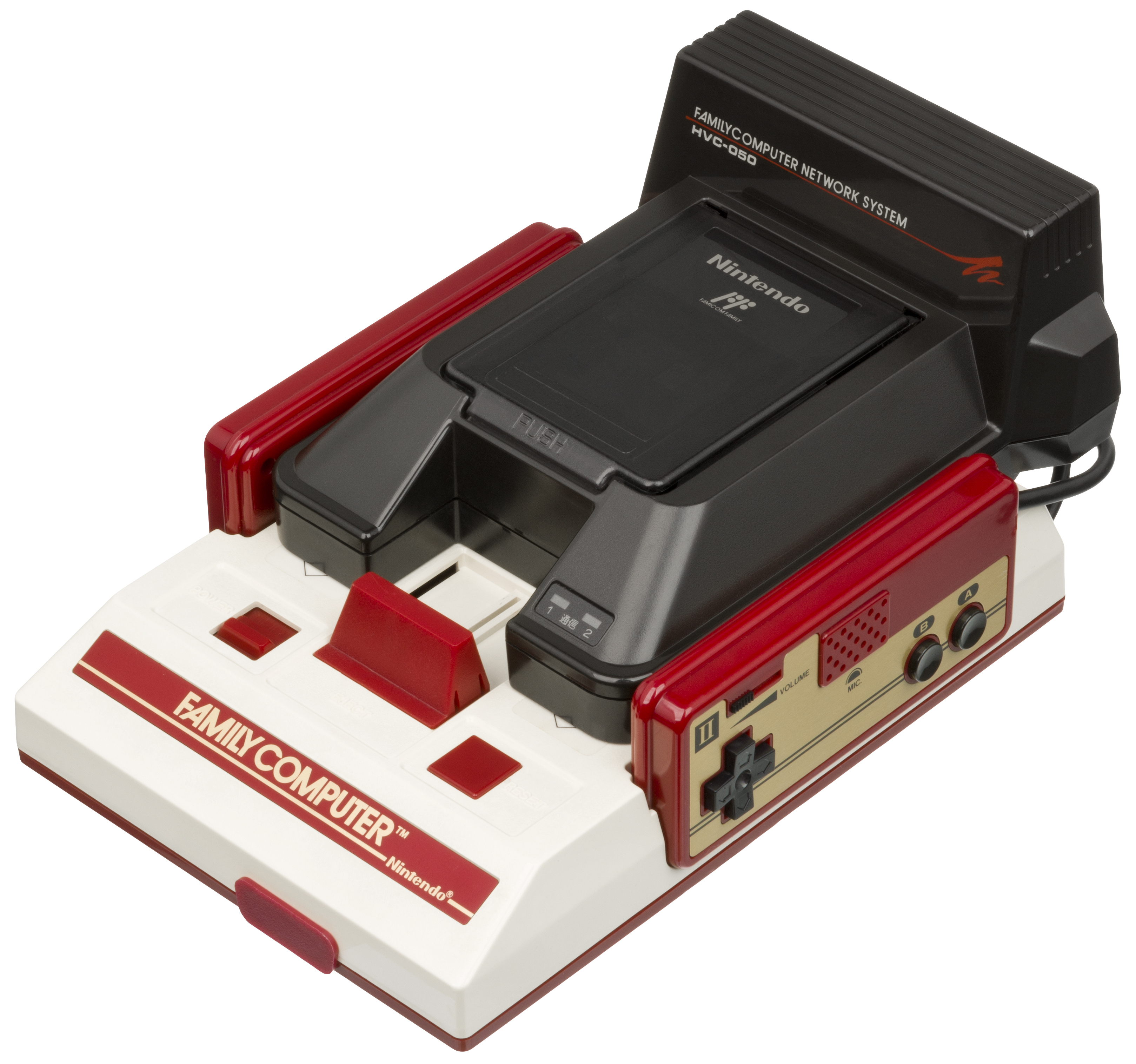
Famicom Network System / Famicom Modem
Japan's iconic game console becomes a stock trading and horse-betting terminal
 1988
1988
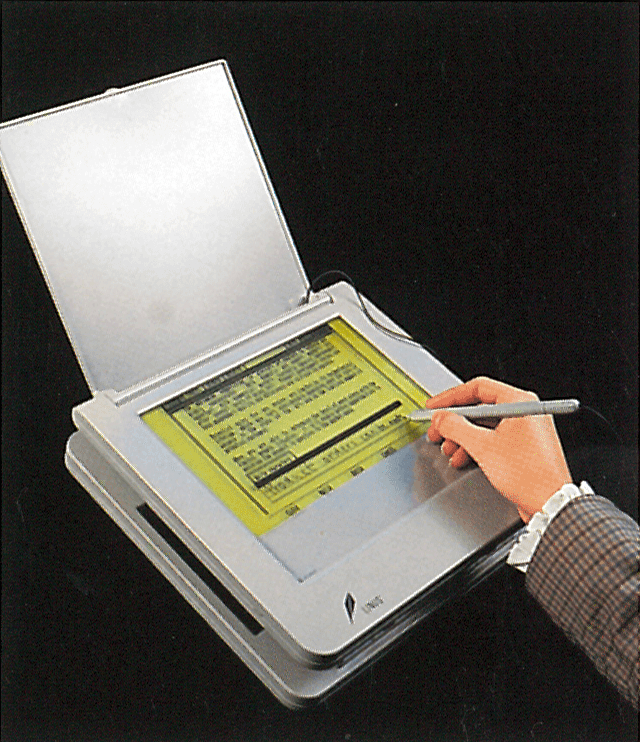
Linus Write-Top
The first handwriting recognition tablet — no keyboard, just a pen and 30 minutes of training
 1988
1988
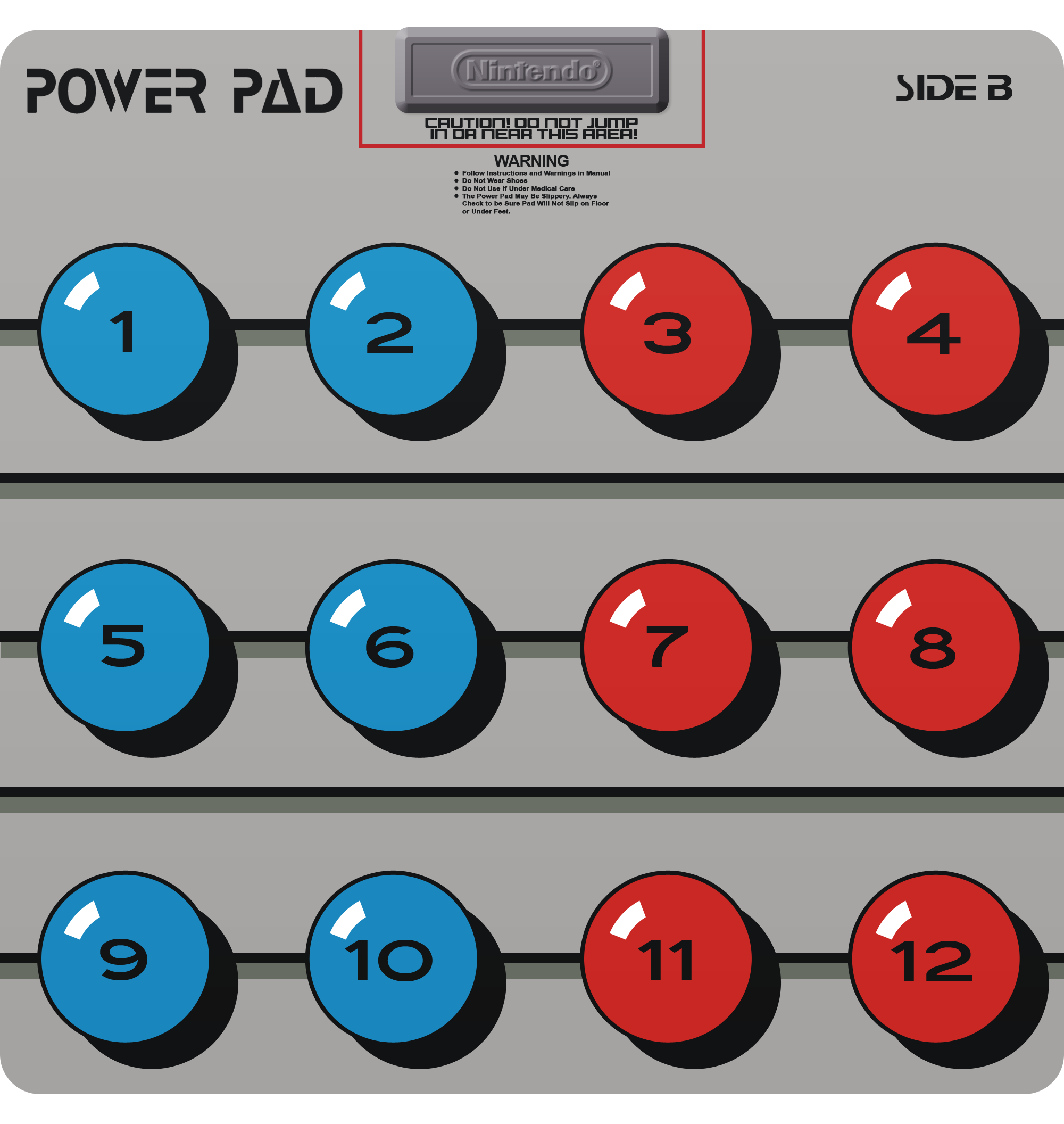
NES Power Pad (Family Trainer / Family Fun Fitness)
The first mass-market full-body exertion interface for home video games — run, jump, stomp.
 1988
1988
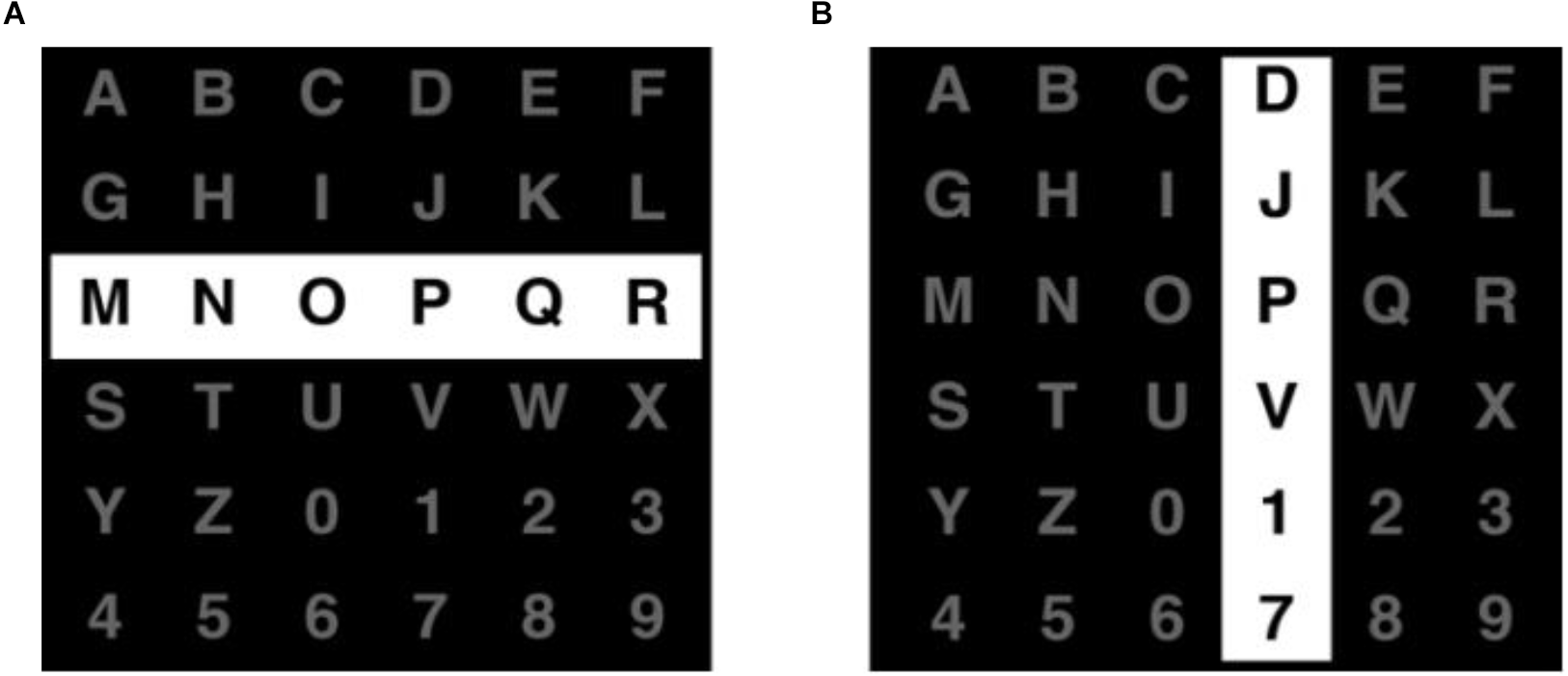
P300 Speller
Talking off the top of your head
 1988
1988
Talking Glove
A glove that translated American Sign Language fingerspelling into spoken words in real time
 1988
1988
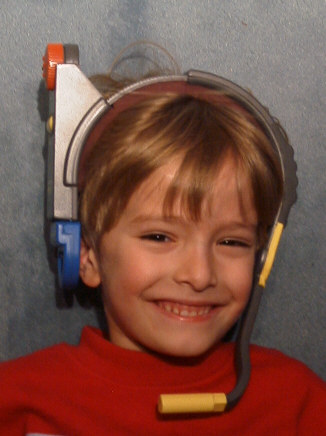
TI Voyager
A talking toy with no keyboard — the only way in is to answer aloud
 1988
1988
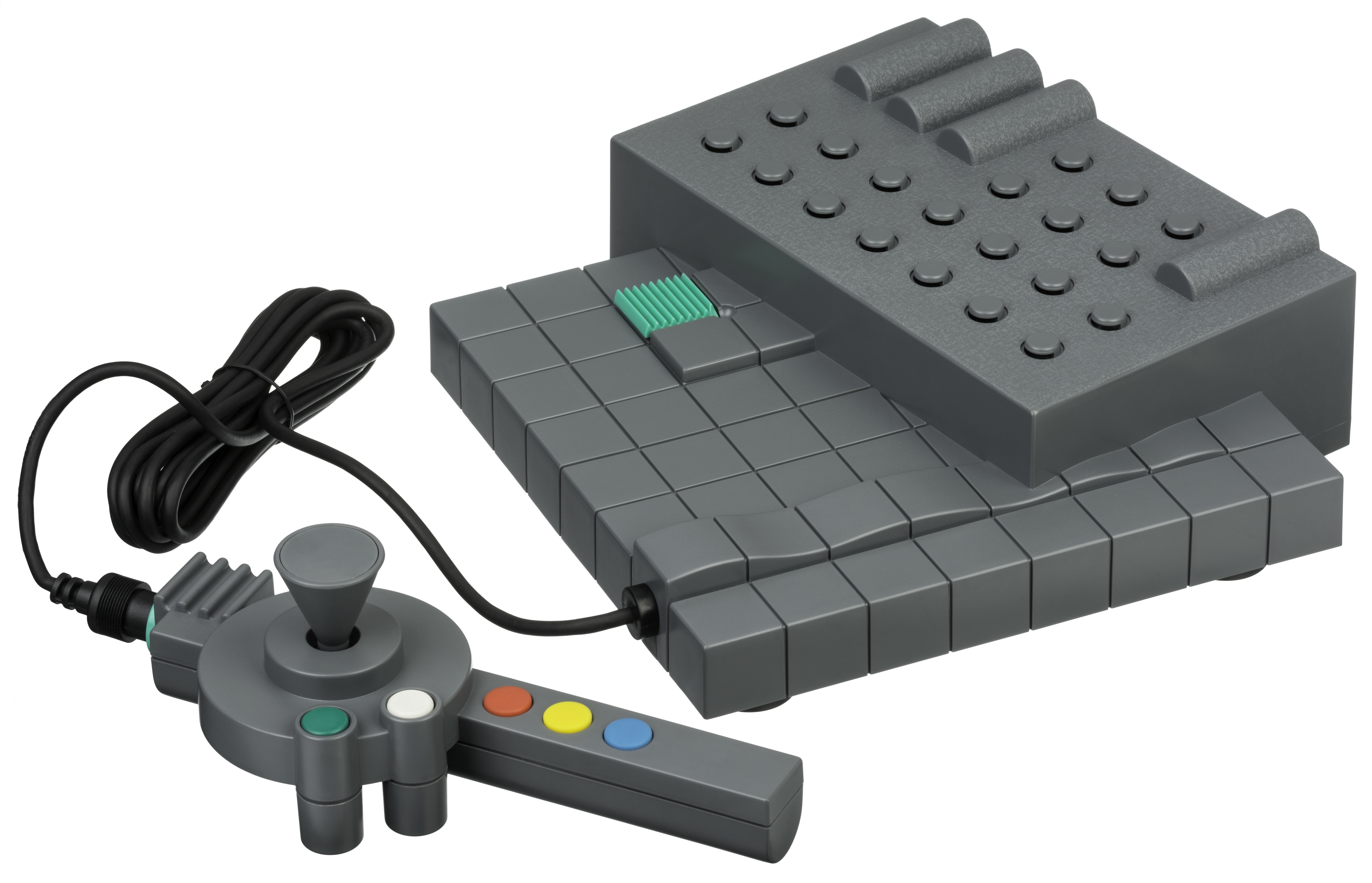
View-Master Interactive Vision
The VHS console that painted 8-bit sprites over live video — interactive television, 1988-style
 1988
1988
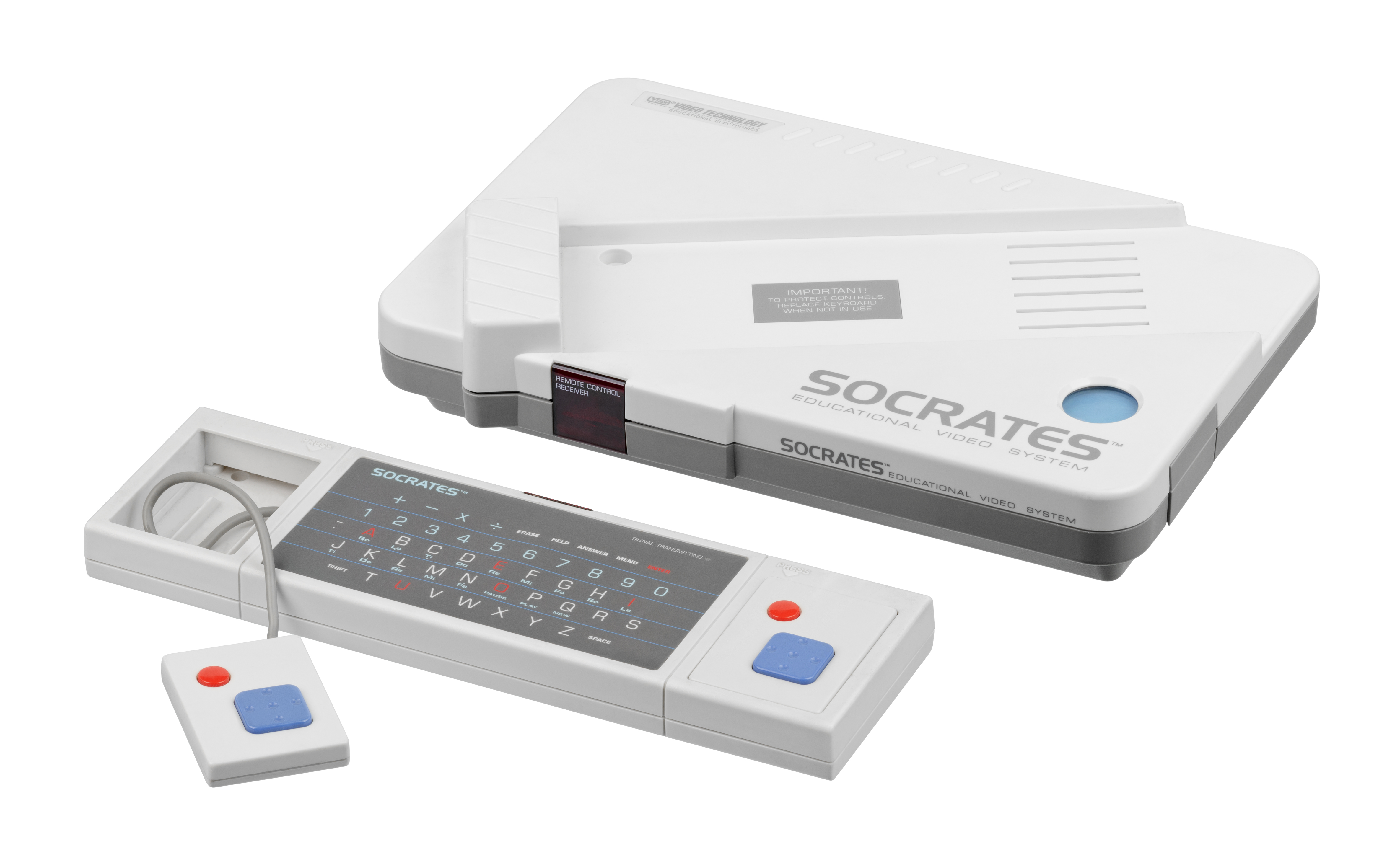
VTech Socrates
The kids' console that cut every wire — keyboard, controllers, mouse, and drawing pad all talked over infrared
 1987
1987
Akai EWI 1000
The saxophone with no moving keys — just the electricity in your fingers
 1987
1987
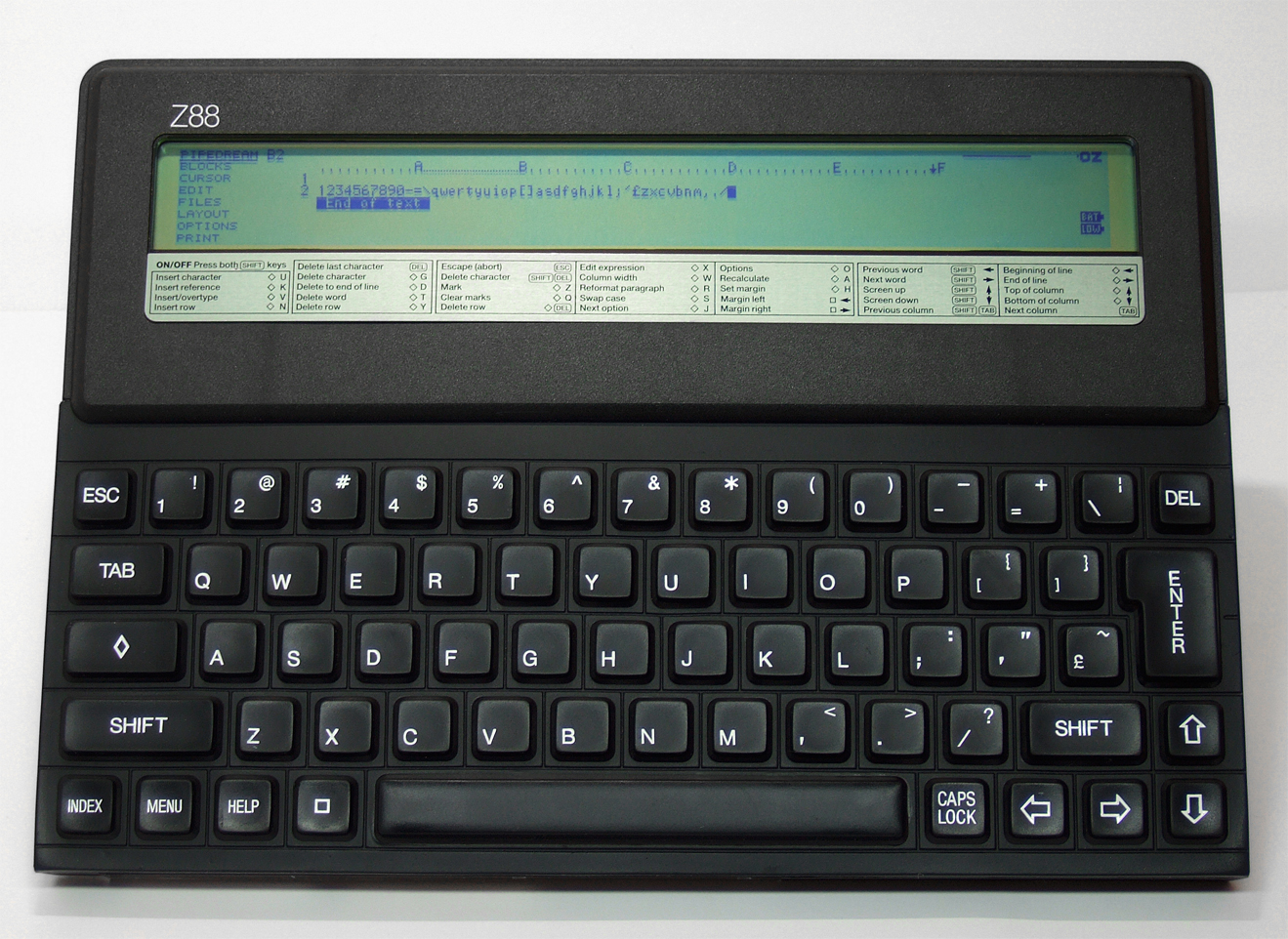
Cambridge Z88
Clive Sinclair's silent A4 notebook computer — 20mm thin, no moving parts
 1987
1987
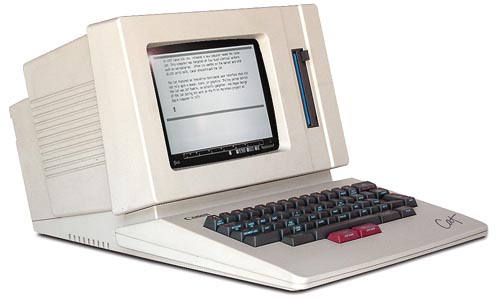
Canon Cat
Jef Raskin's radical text-centric computer that rejected files, applications, and the mouse.
 1987
1987
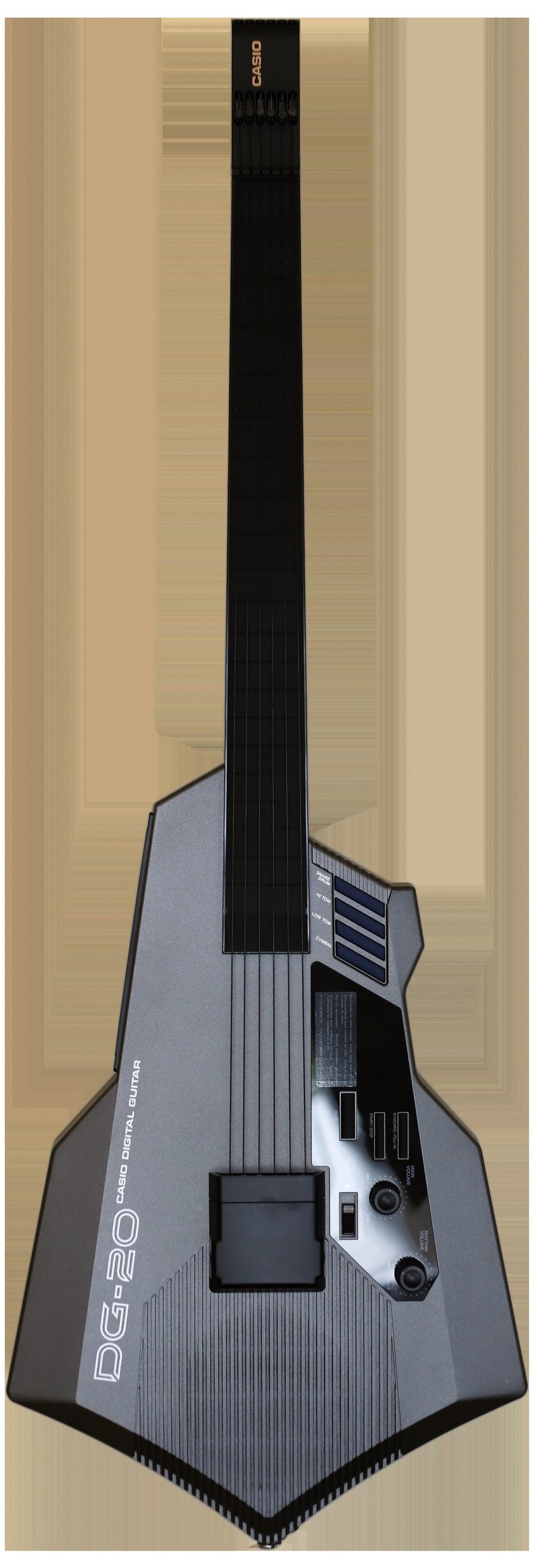
Casio DG-20 Digital Guitar
A rubber-string guitar whose membrane fretboard hardwires each fret to a pitch — no tracking, because there is nothing to track
 1987
1987
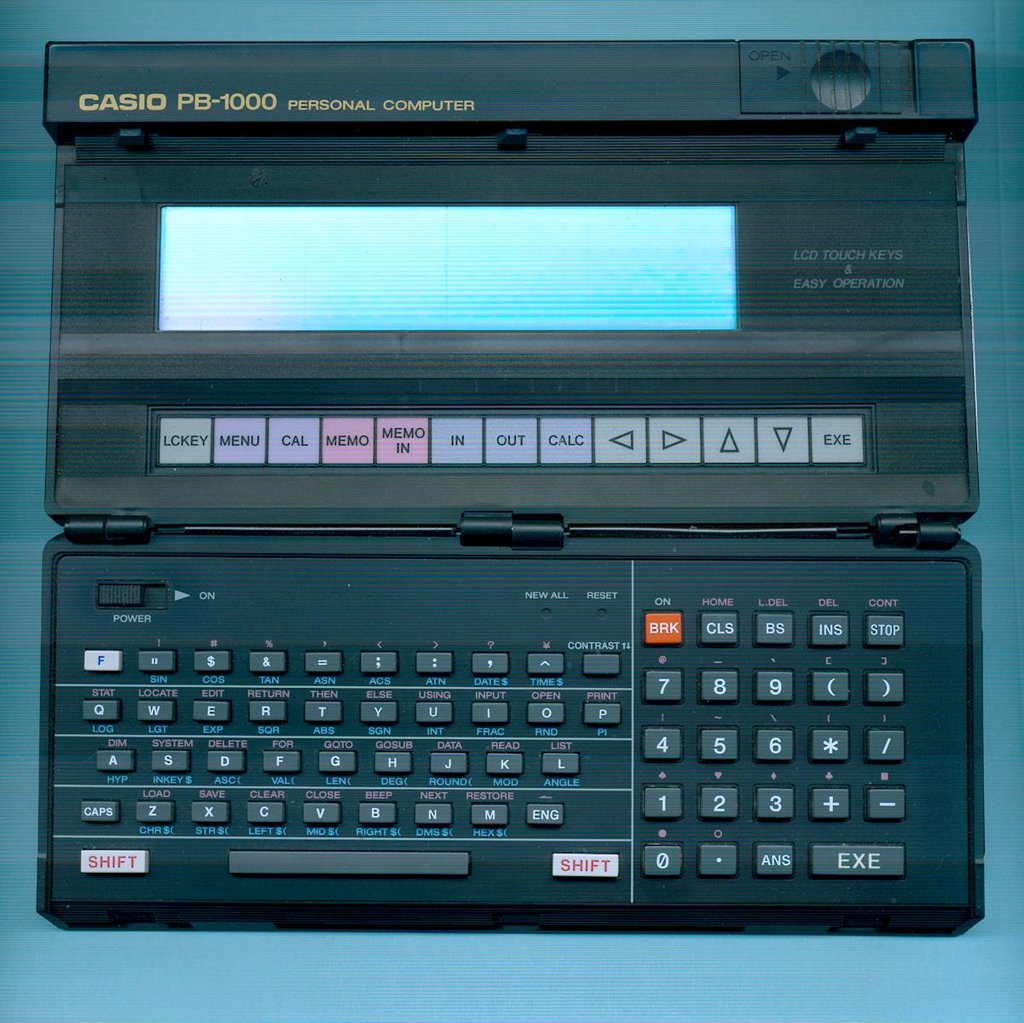
Casio PB-1000
A folding pocket computer with 16 touch zones embedded directly in the LCD
 1987
1987
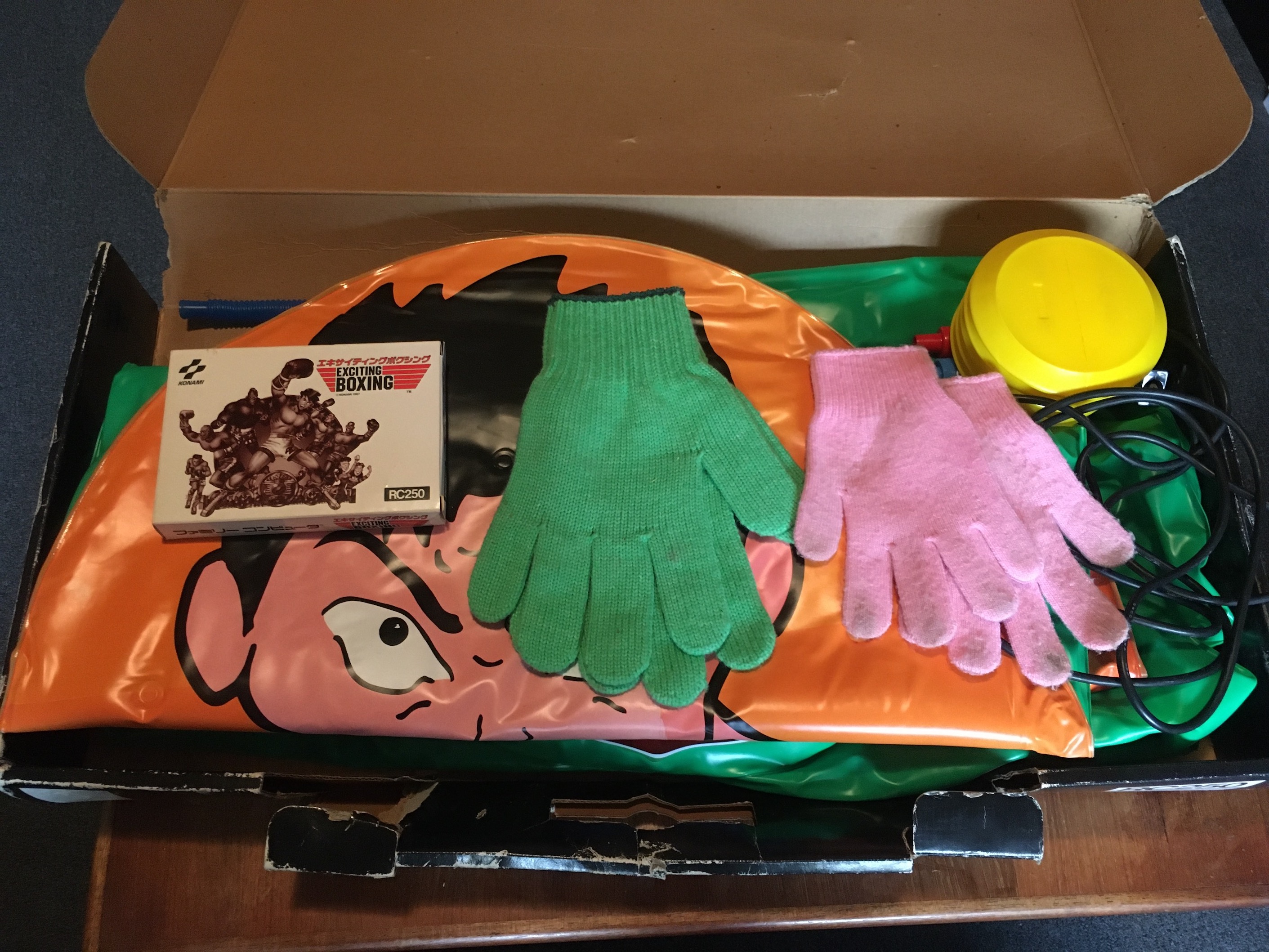
Exciting Boxing Controller
An inflatable humanoid punching bag you physically fought to control a Famicom boxing game
 1987
1987
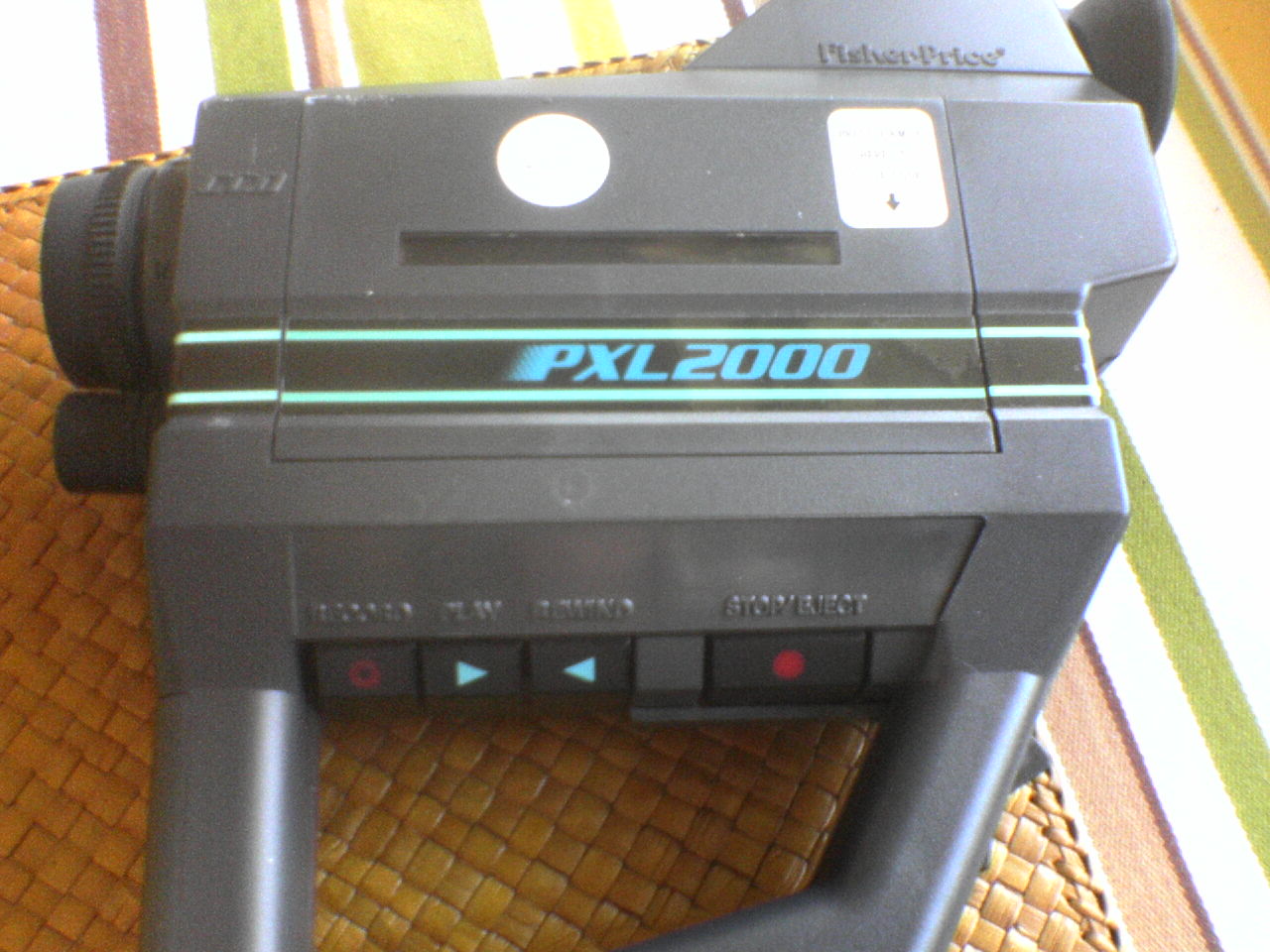
Fisher-Price PXL2000 / Pixelvision
A toy video camera that stored eleven minutes of black-and-white video on a plain audio cassette
 1987
1987
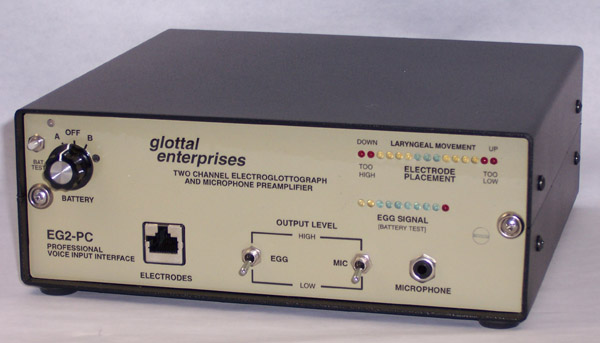
Kay Visi-Pitch / Electroglottograph
A computer that reads what your vocal cords are doing, not what they sound like
 1987
1987
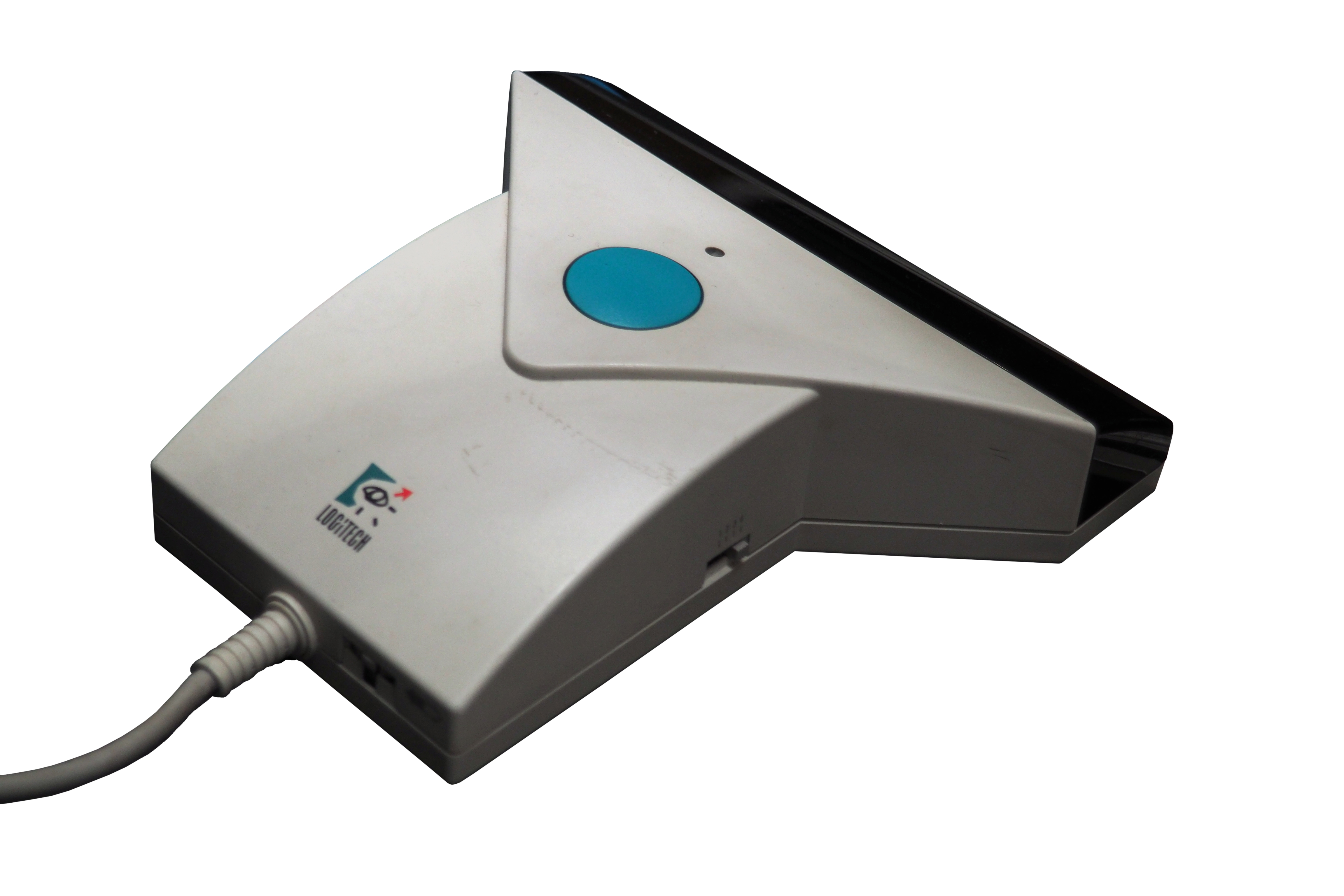
Logitech ScanMan
The scanner where your hand was the motor — every twitch came out as a pixel
 1987
1987
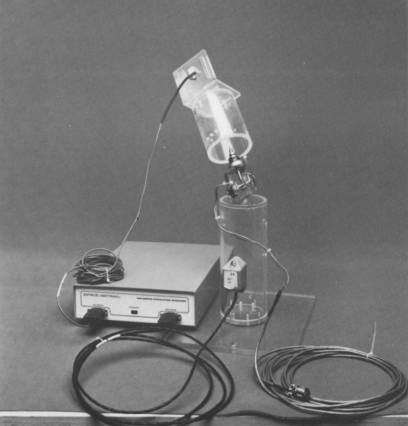
Polhemus 3Space Isotrak
Magnetic 6DOF tracking sensor for 3D interaction.
 c.1987
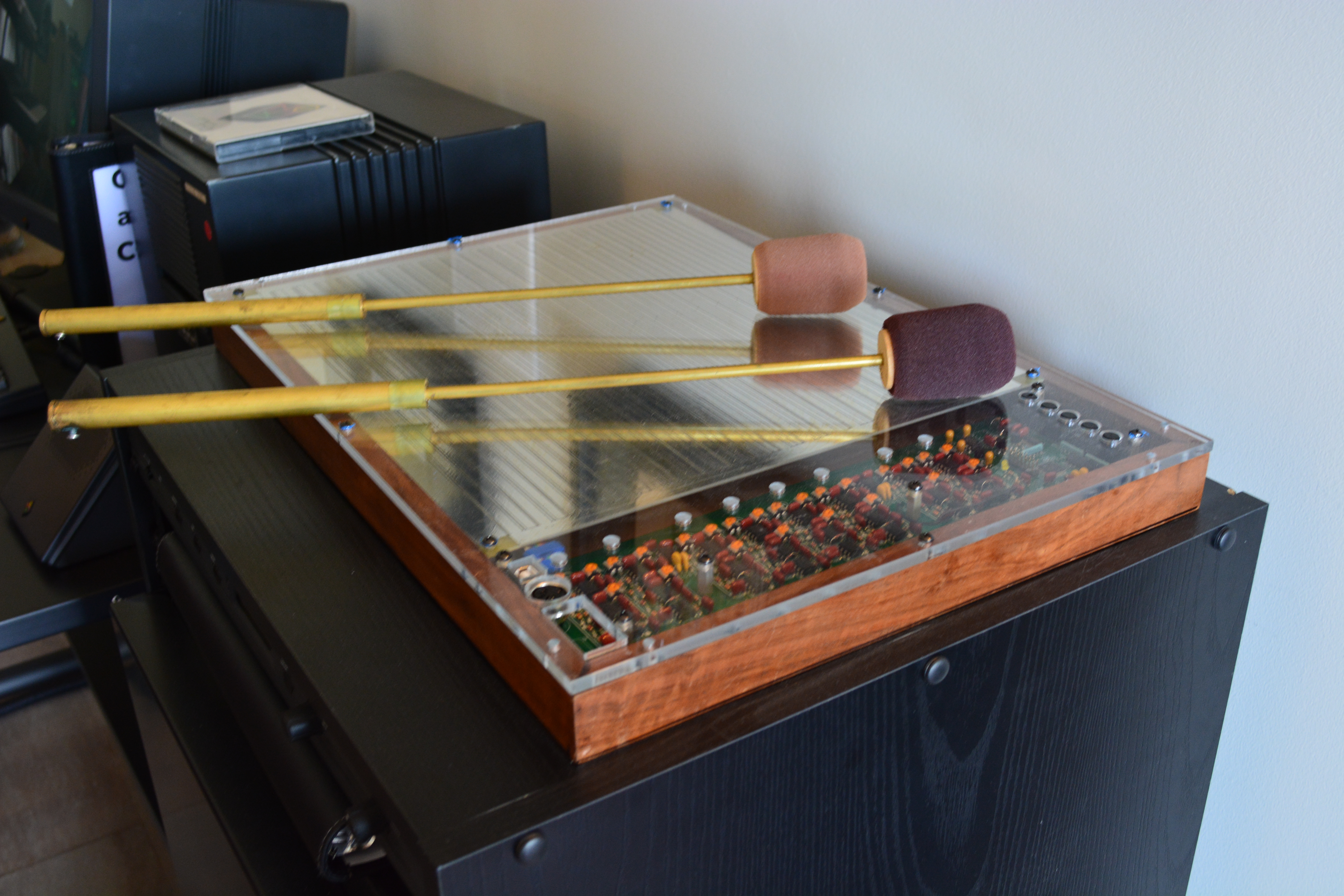
Radio Drum
A 3D capacitive spatial controller that tracks two batons in free space — built as a mouse, reborn as an instrument
 1987
1987
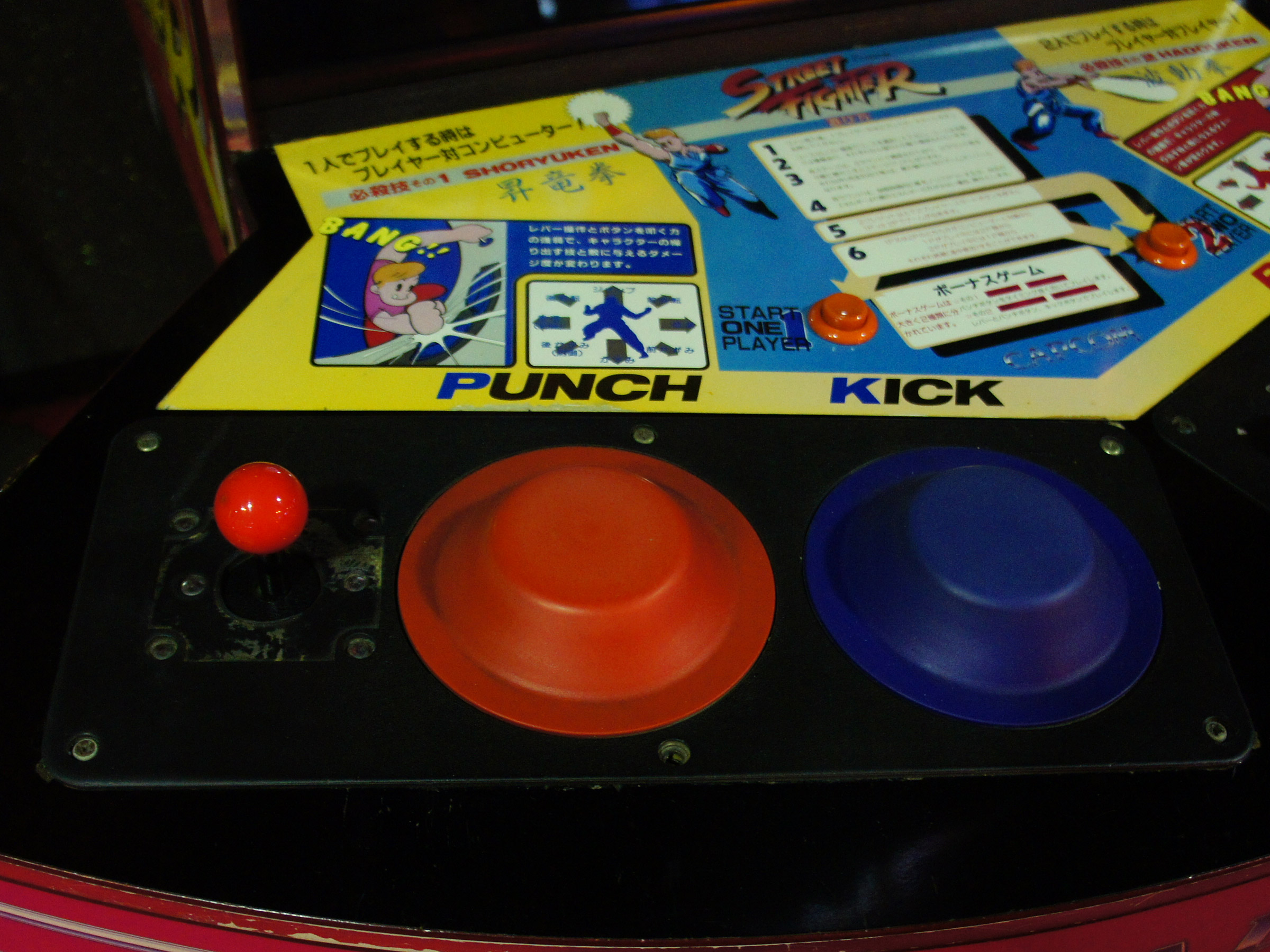
Street Fighter Pneumatic Controller
The arcade cabinet that hurt you back — punch pads that sensed force through compressed air
 1987
1987
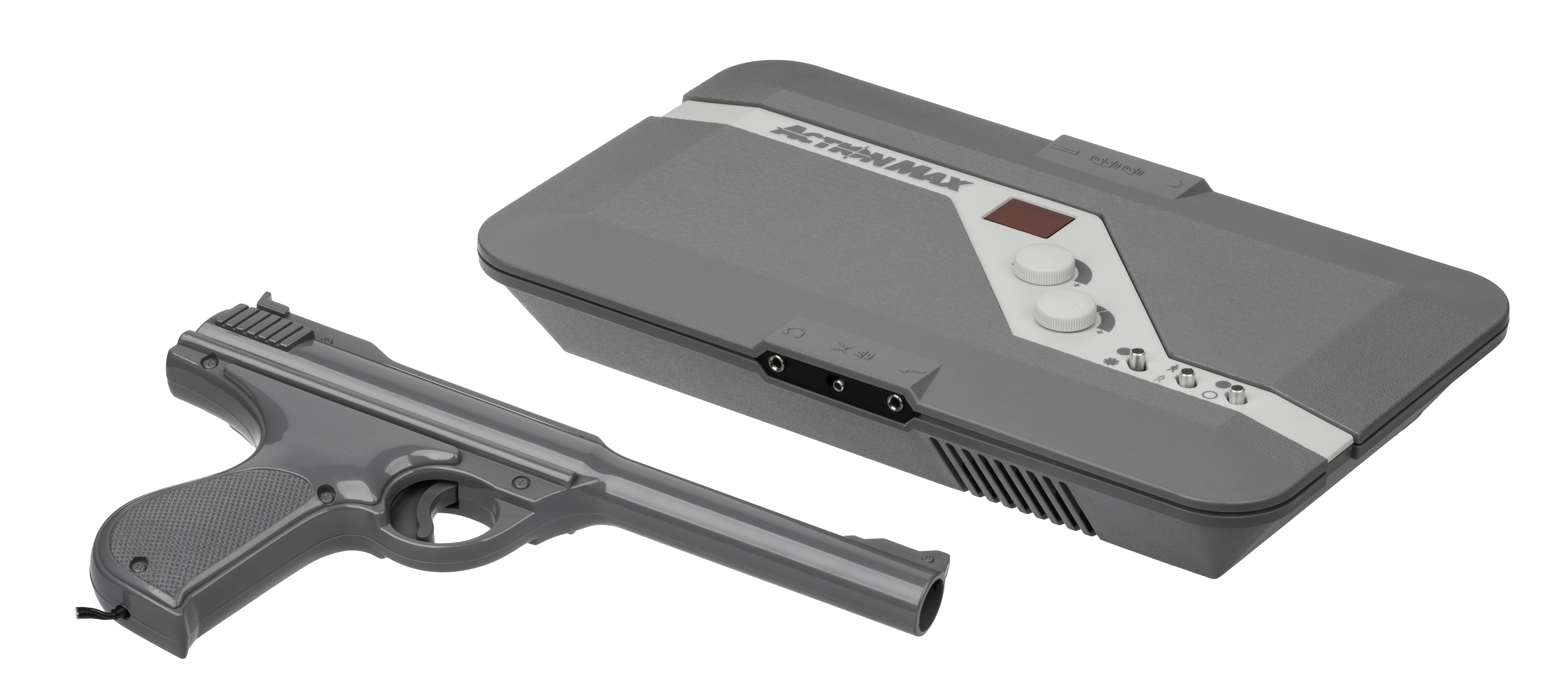
Worlds of Wonder Action Max
A VHS tape is the game cartridge, and a light gun reads screen brightness to score your shots
 1987
1987
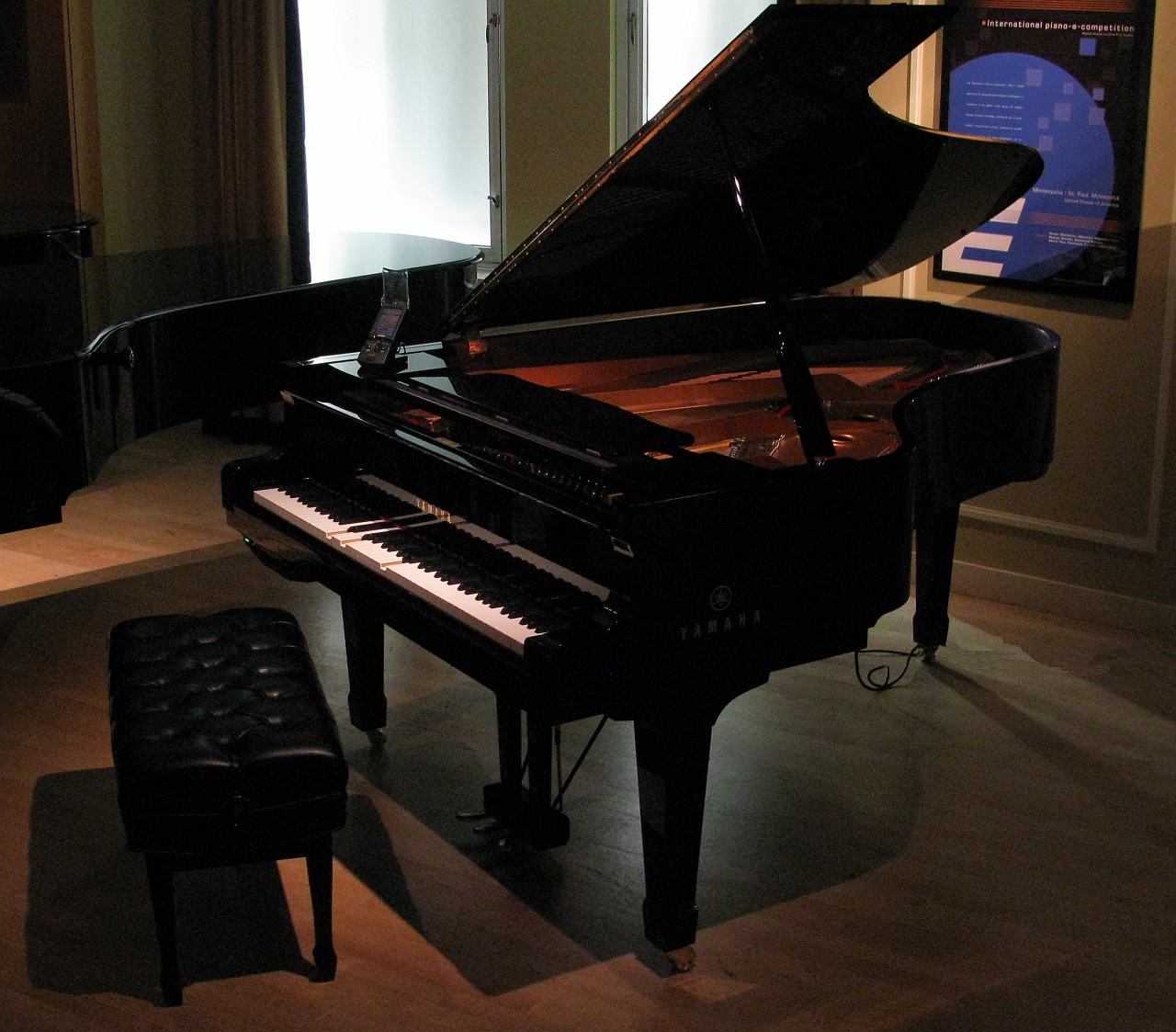
Yamaha Disklavier
A real acoustic piano that records your touch to a floppy disk, then plays it back by physically moving the keys
 1986
1986
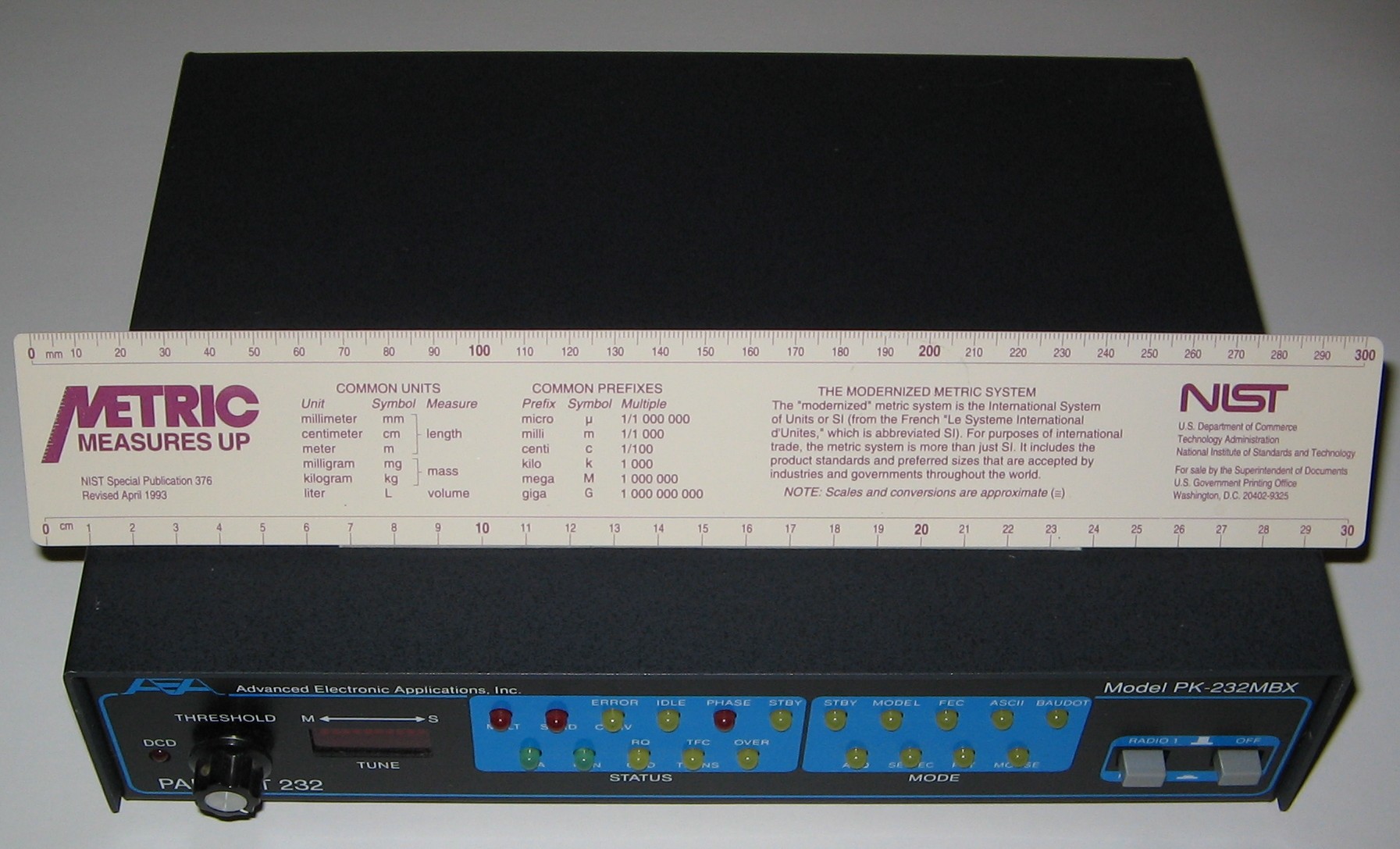
AEA PK-232 Pakratt 232
The box that made the radio spectrum feel like a data network
 1986
1986
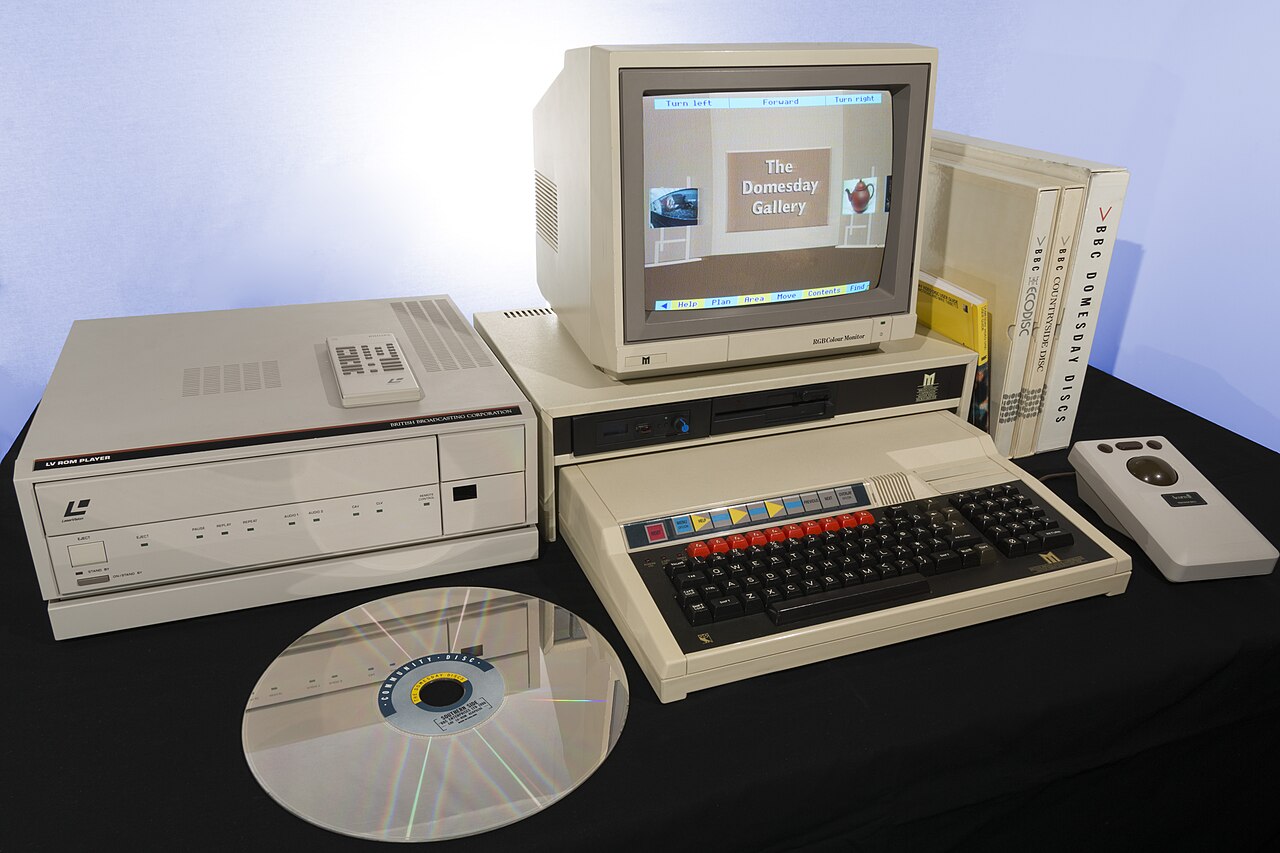
BBC Domesday Project
A million contributors, two laserdiscs, a trackball and 16 function keys — the pre-Web national point-and-click information system that became unreadable within 15 years
 1986
1986
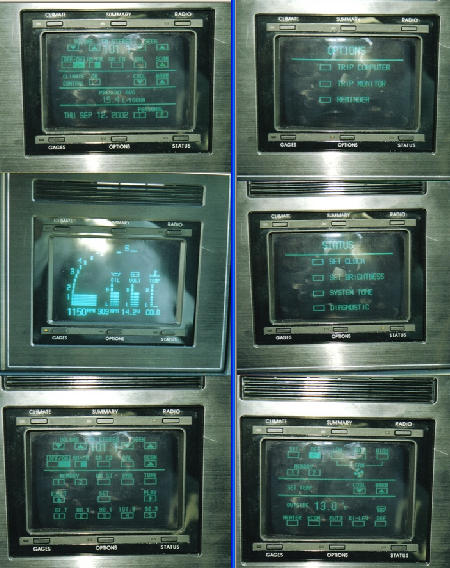
Buick Riviera GCC
The first automotive touchscreen — a green-phosphor CRT dashboard, 15 years too early
 1986
1986
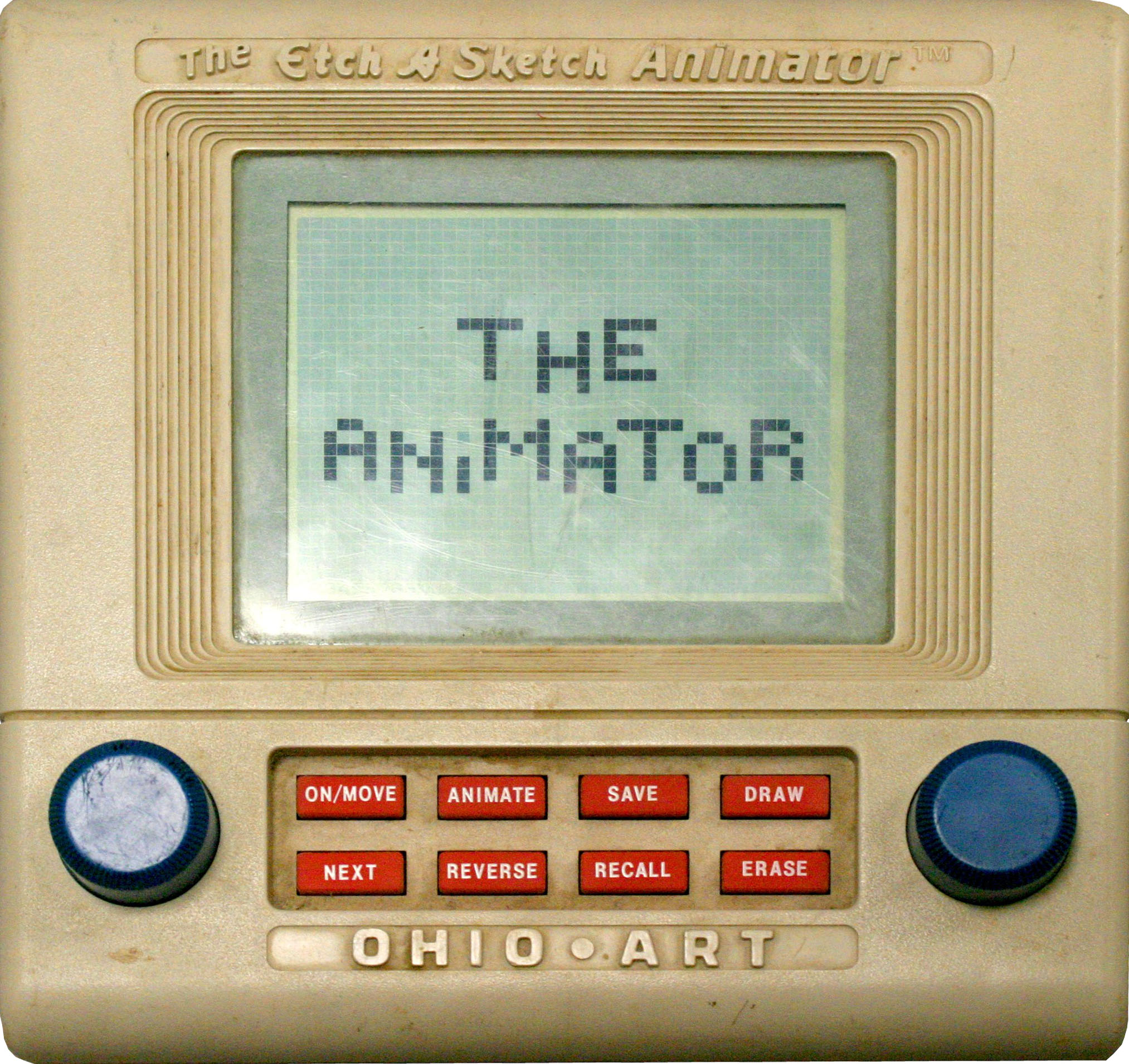
Etch A Sketch Animator
The classic knob-drawing ritual, digitized — a $90 toy with infrared rotary encoders and a frame-based animation engine
 1986
1986
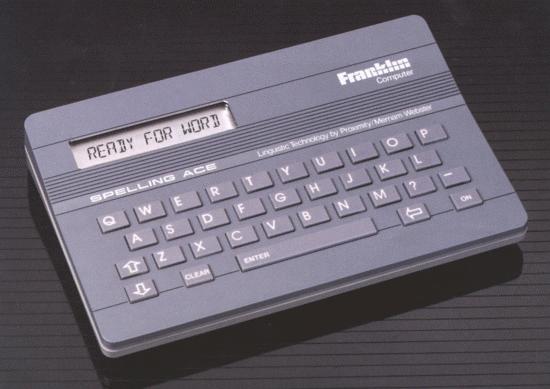
Franklin Spelling Ace
The pocket device that expects you to spell wrong — and fixes your word anyway
 1986
1986
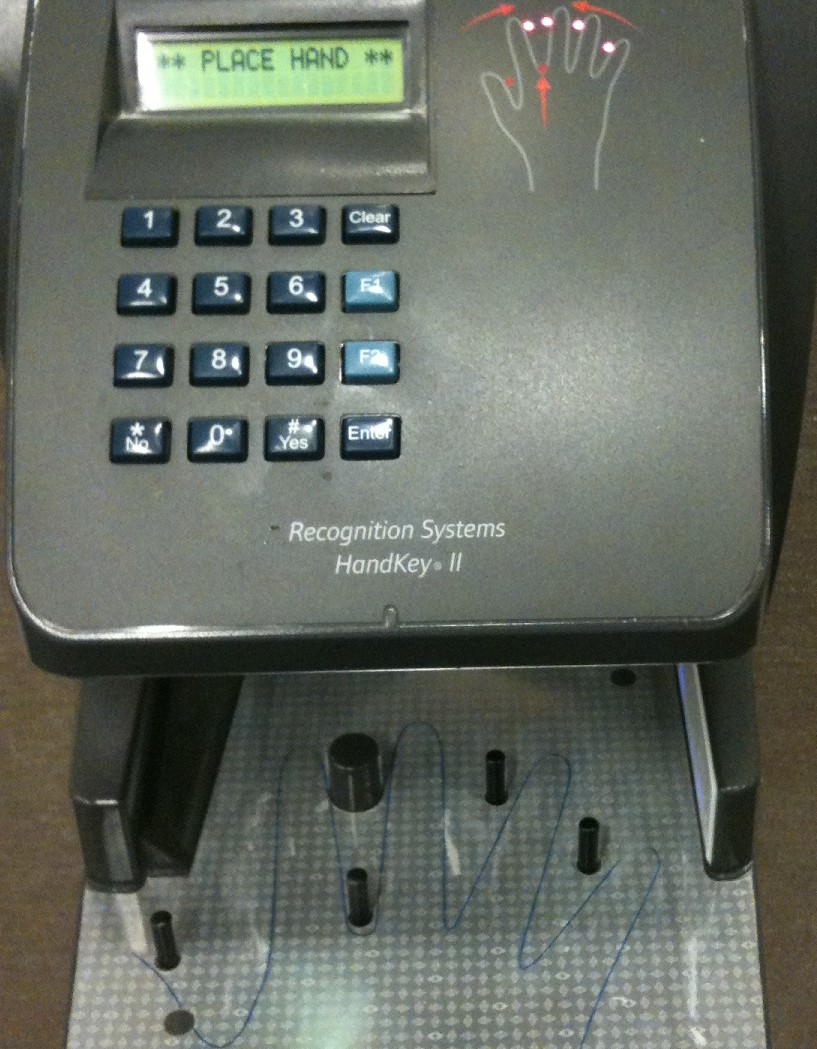
HeadMaster
An ultrasonic headset that turned head movement into cursor movement — 'If you can move your head, you can move your world'
 1986
1986
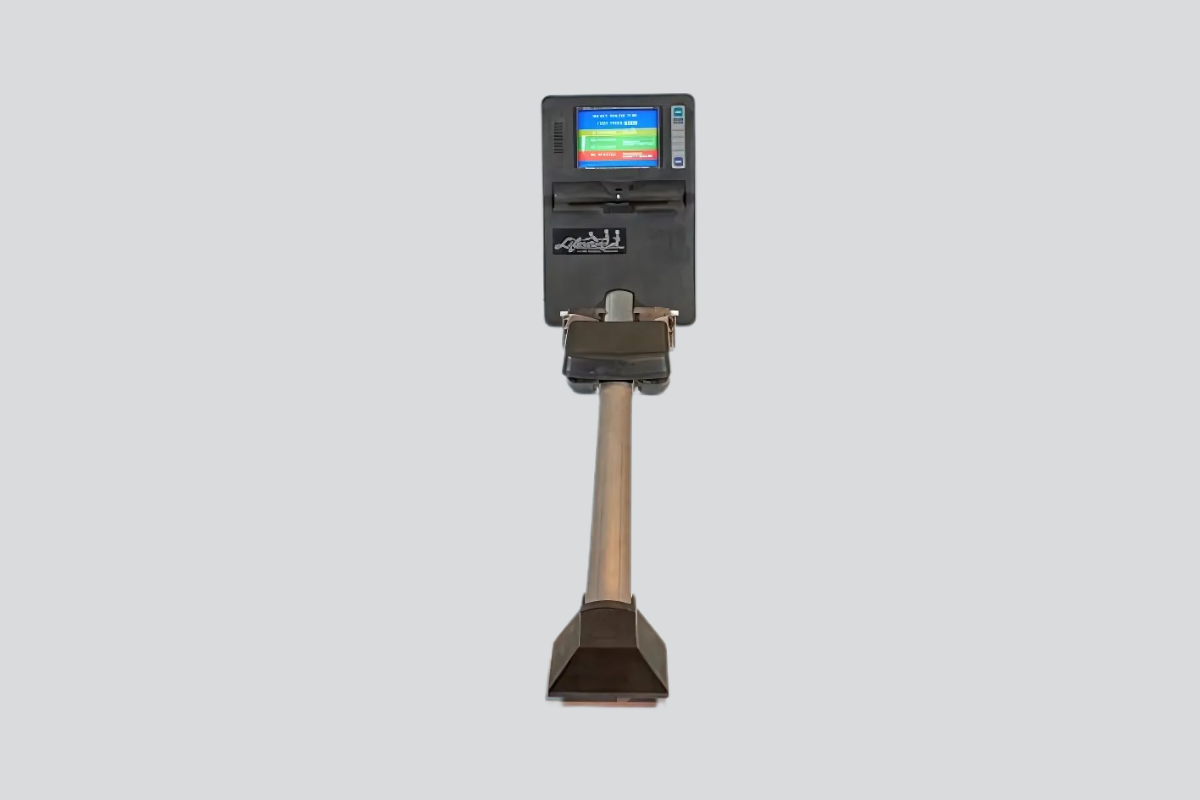
ID-3D Hand Geometry Verifier
The machine that reads your whole hand as a password
 1986
1986
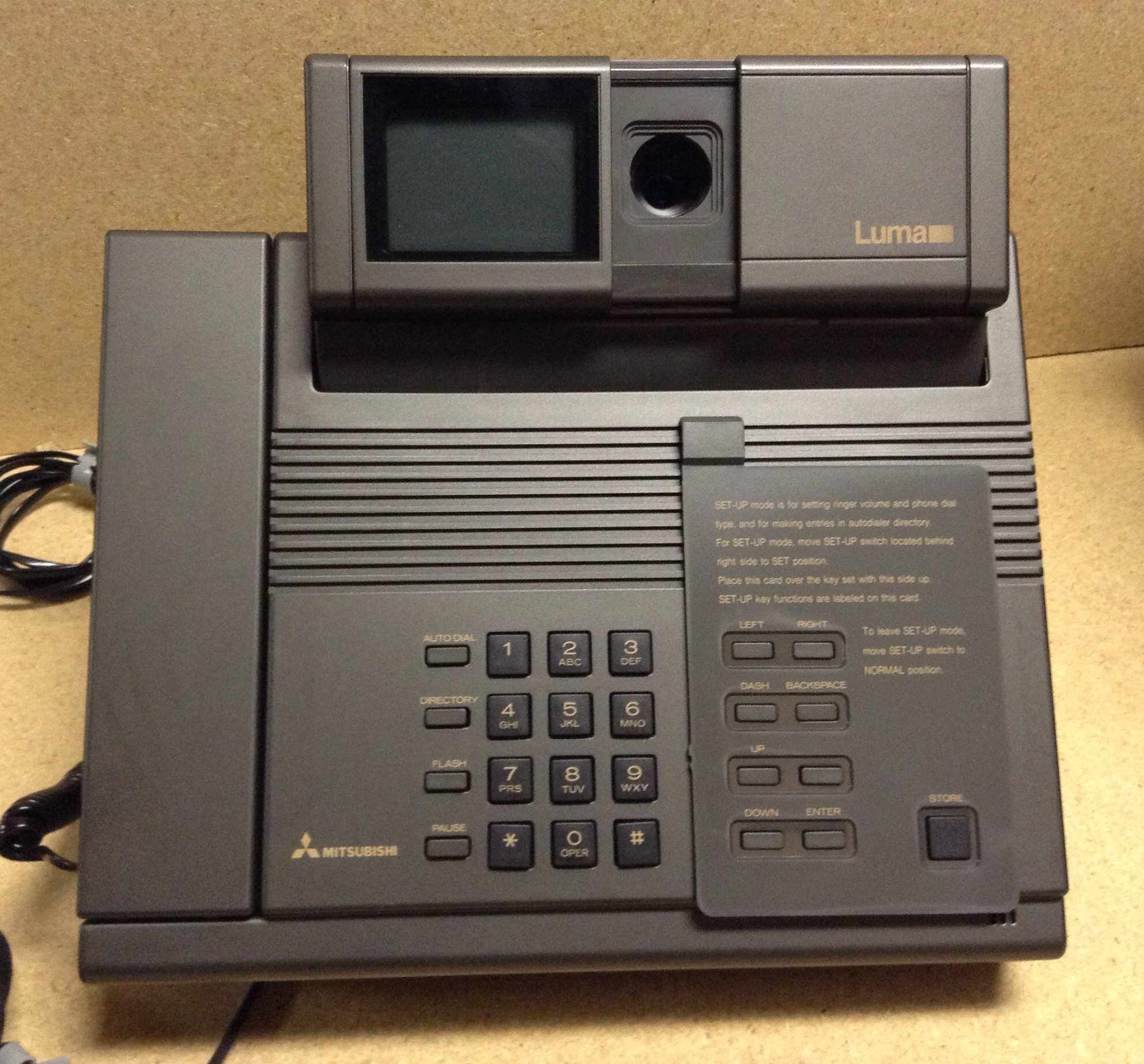
LifeRower
The rowing machine that was also a video game console — full-body exergaming, 20 years before the Wii
 1986
1986
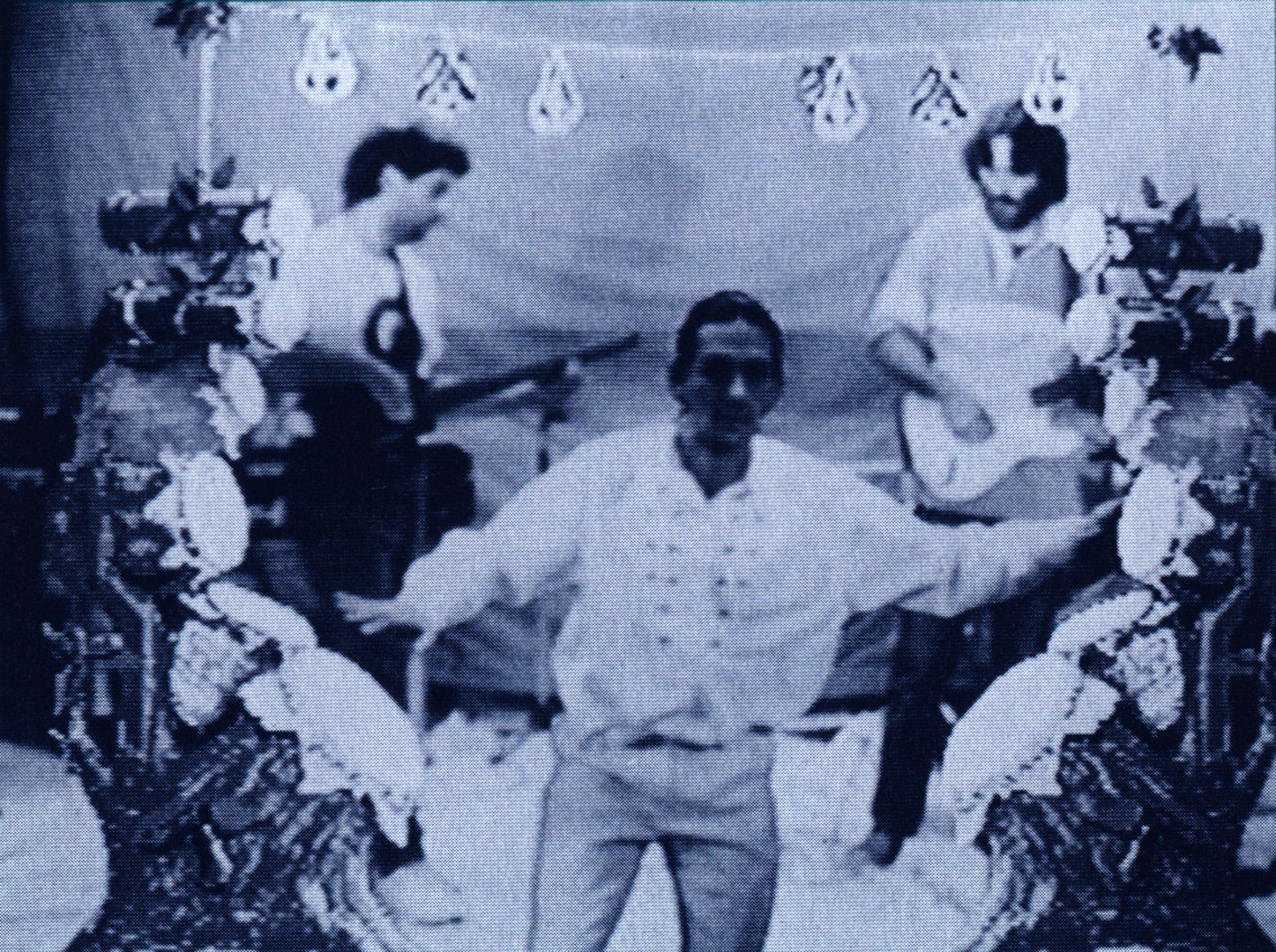
Luma LU-1000 Lumaphone
A $1,500 desk phone that transmitted a single still photograph every few seconds over an ordinary phone line
 1986
1986
Mandala
Full-body VR on an Amiga
 1986
1986
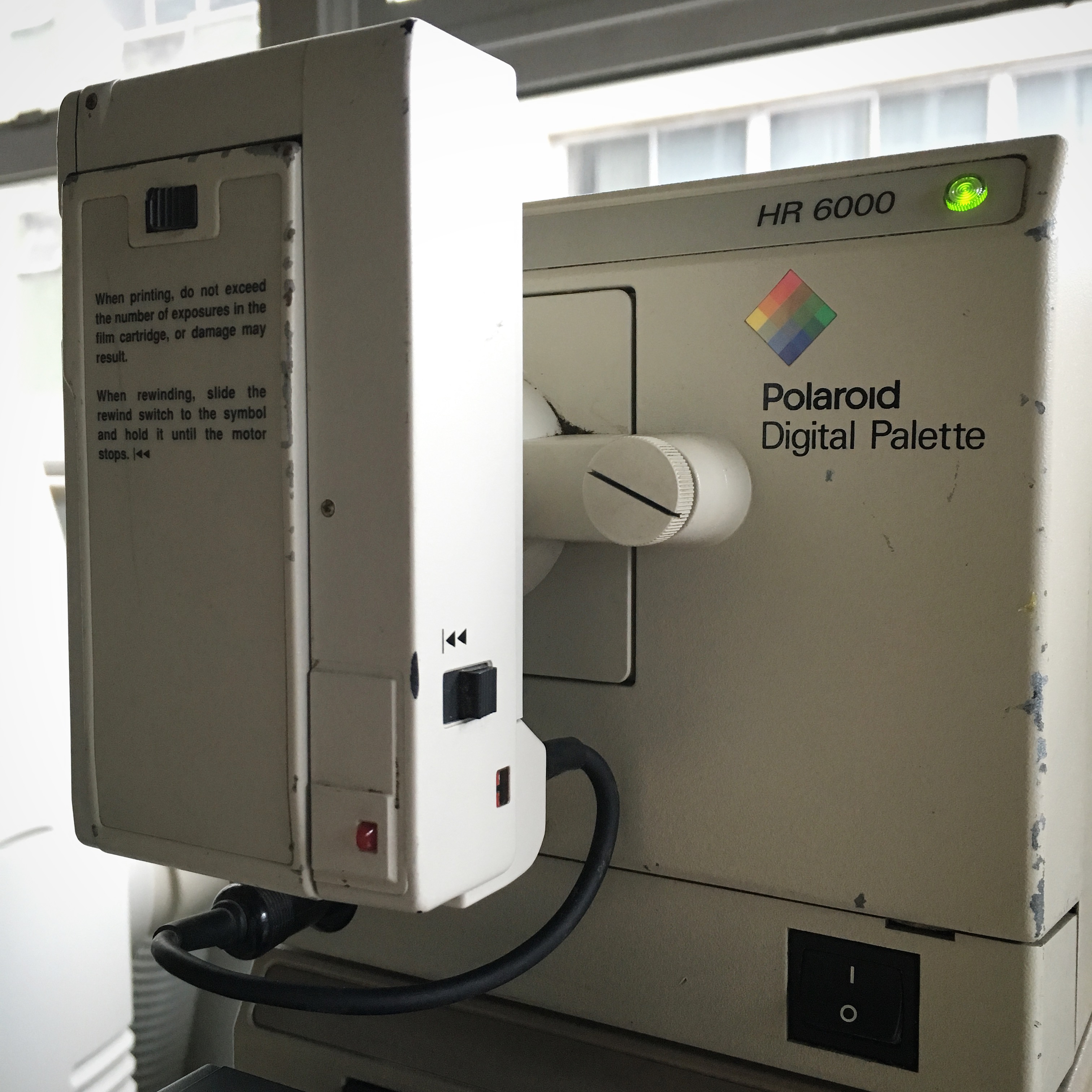
Polaroid Digital Palette
The desktop computer colour output device whose ritual is washing light through three filters onto instant film
 1986
1986
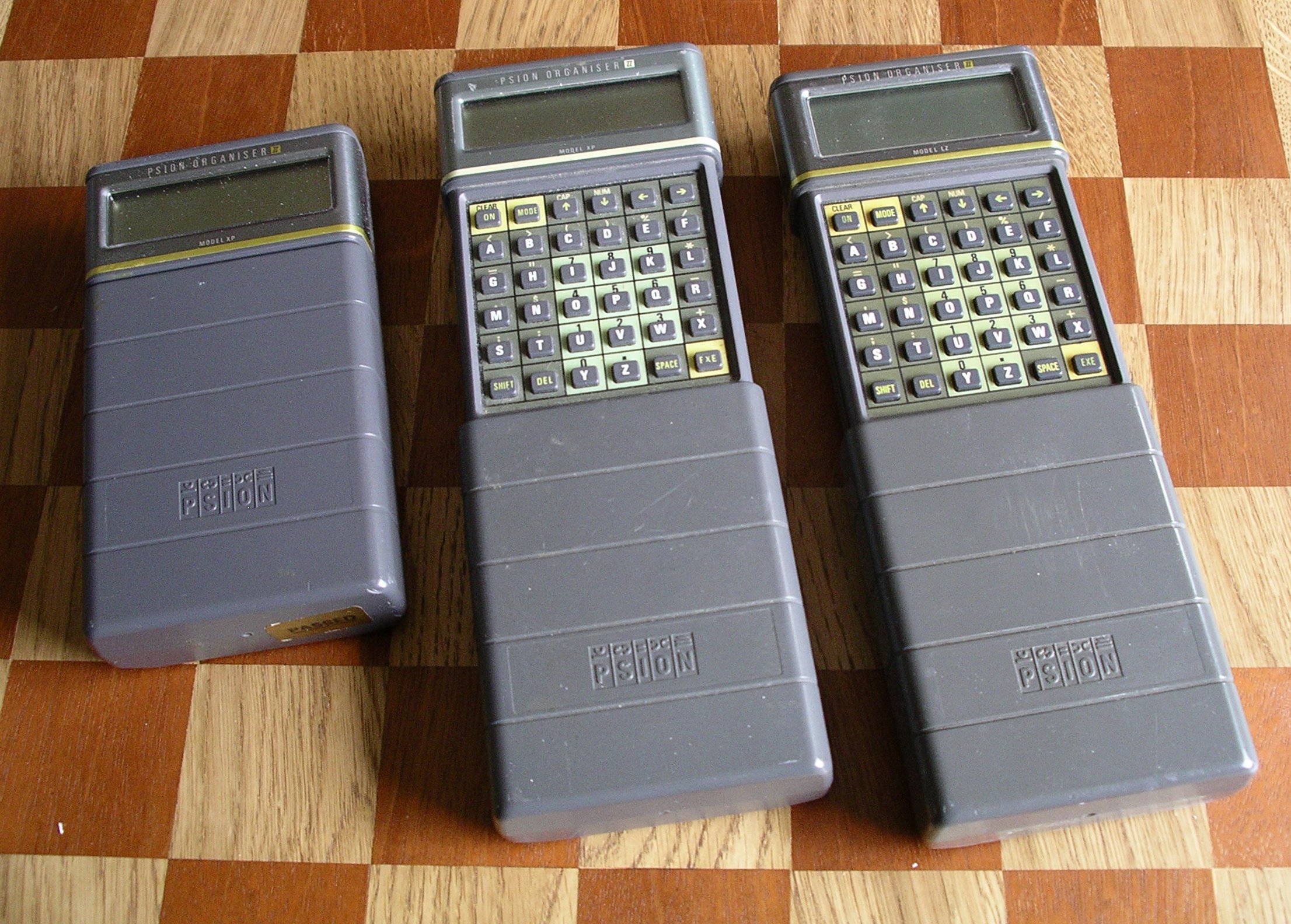
Psion Organiser II
Pocket computer with full QWERTY and expansion slots.
 1986
1986
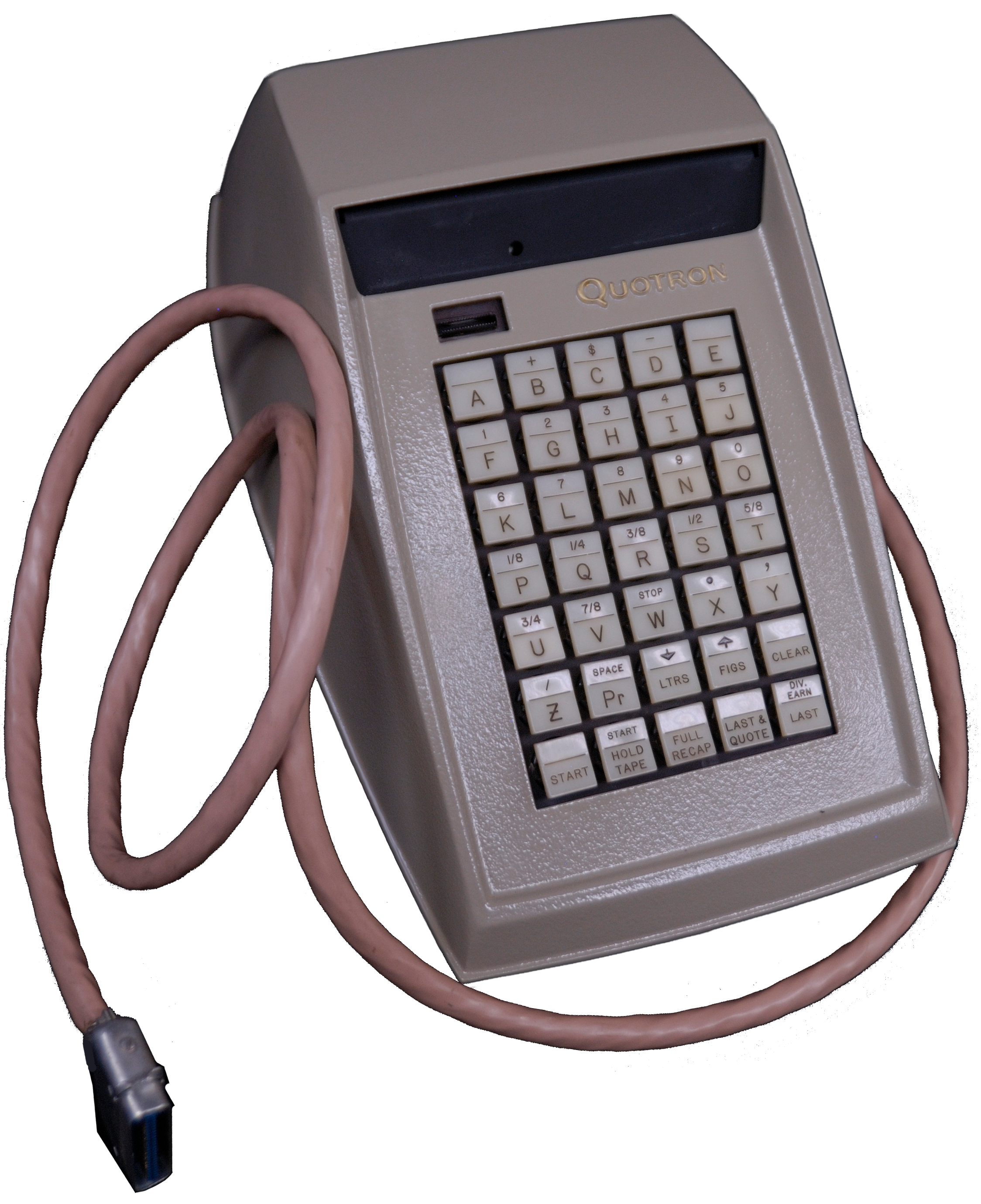
Quotron II
Wall Street's dedicated quote terminal: type a ticker, press a labeled field key, read the green glass
 1986
1986
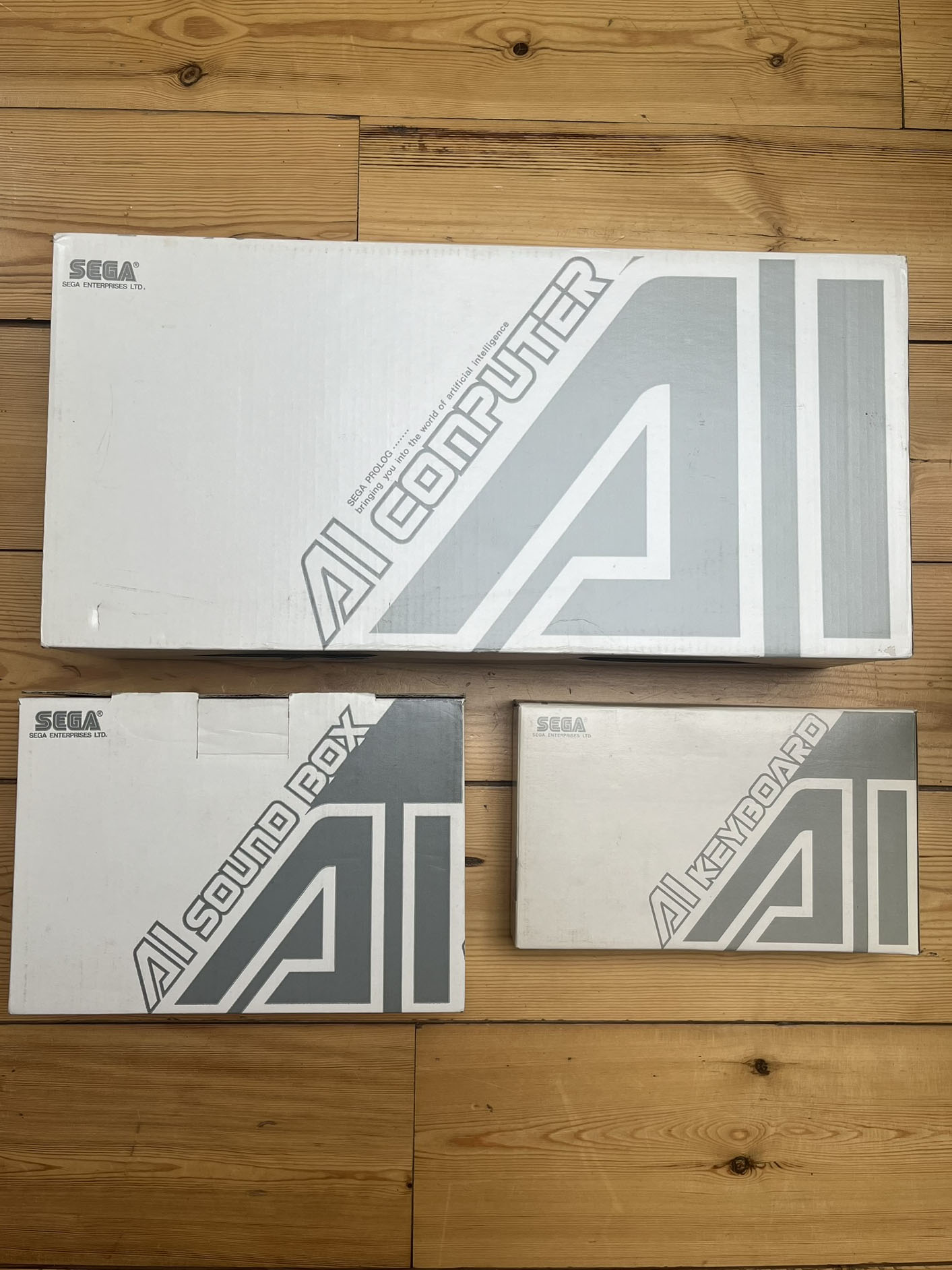
Sega AI Computer
A children's computer that understood natural language — touch overlays, speech recognition, and Prolog AI in 1986
 1986
1986
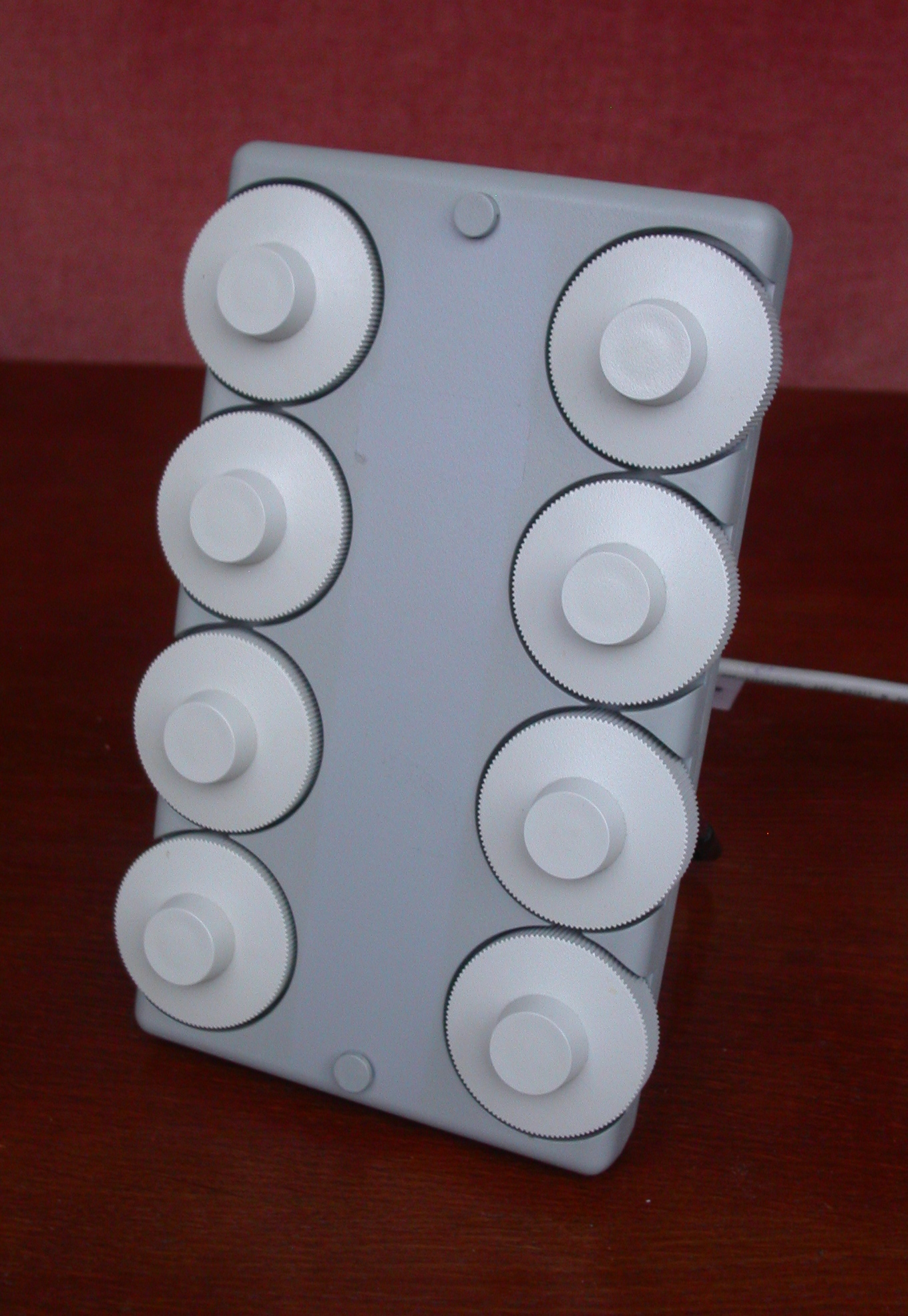
SGI Dial and Button Box
Eight aluminum knobs, thirty-two buttons, and a design philosophy that said your tools should feel like instruments.
 1986
1986
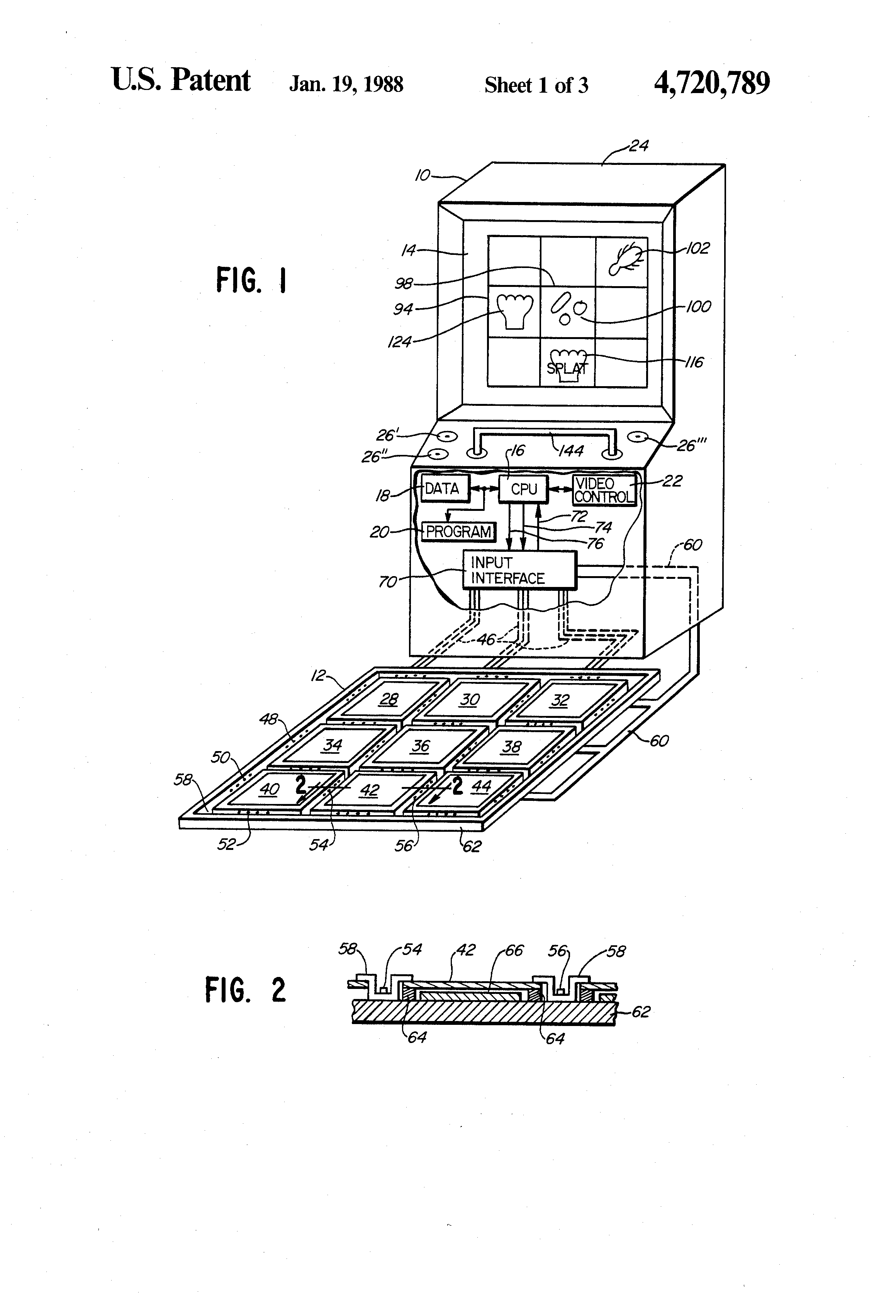
Stompin'
The arcade game you play with your feet — Bushnell's 'floorplay' controller that invented the dance pad
 1986
1986
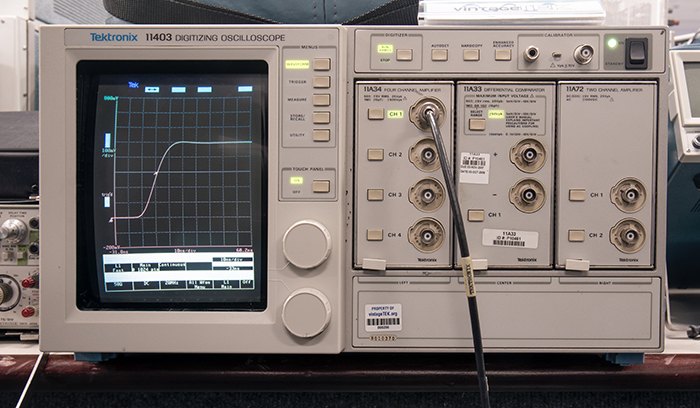
Tektronix 11401 Digitizing Oscilloscope
The laboratory oscilloscope whose front panel became a touchscreen menu system — few knobs, the panel itself is software
 1986
1986
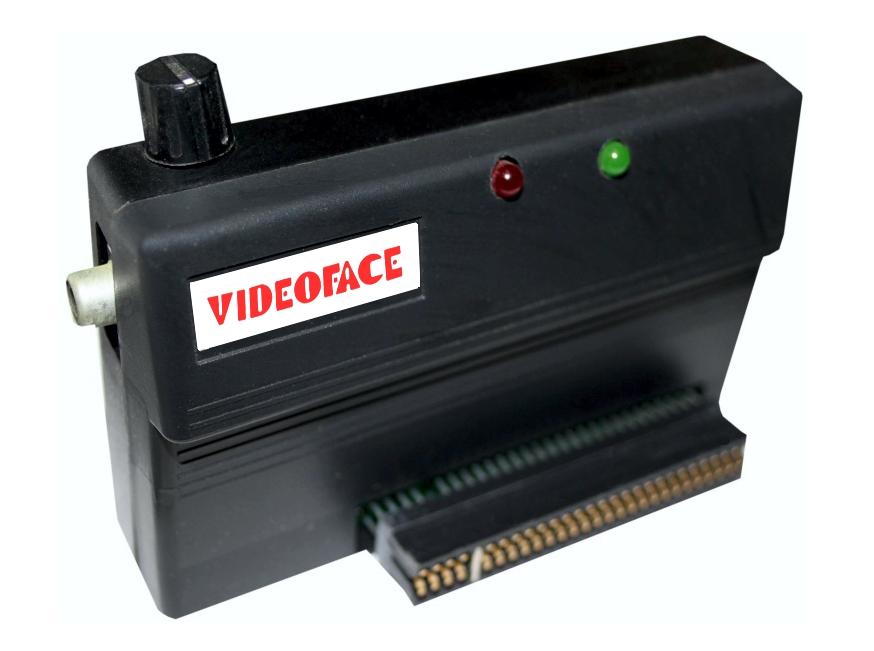
Videoface Digitizer
Real-time video frame capture for the ZX Spectrum, at £69
 1986
1986
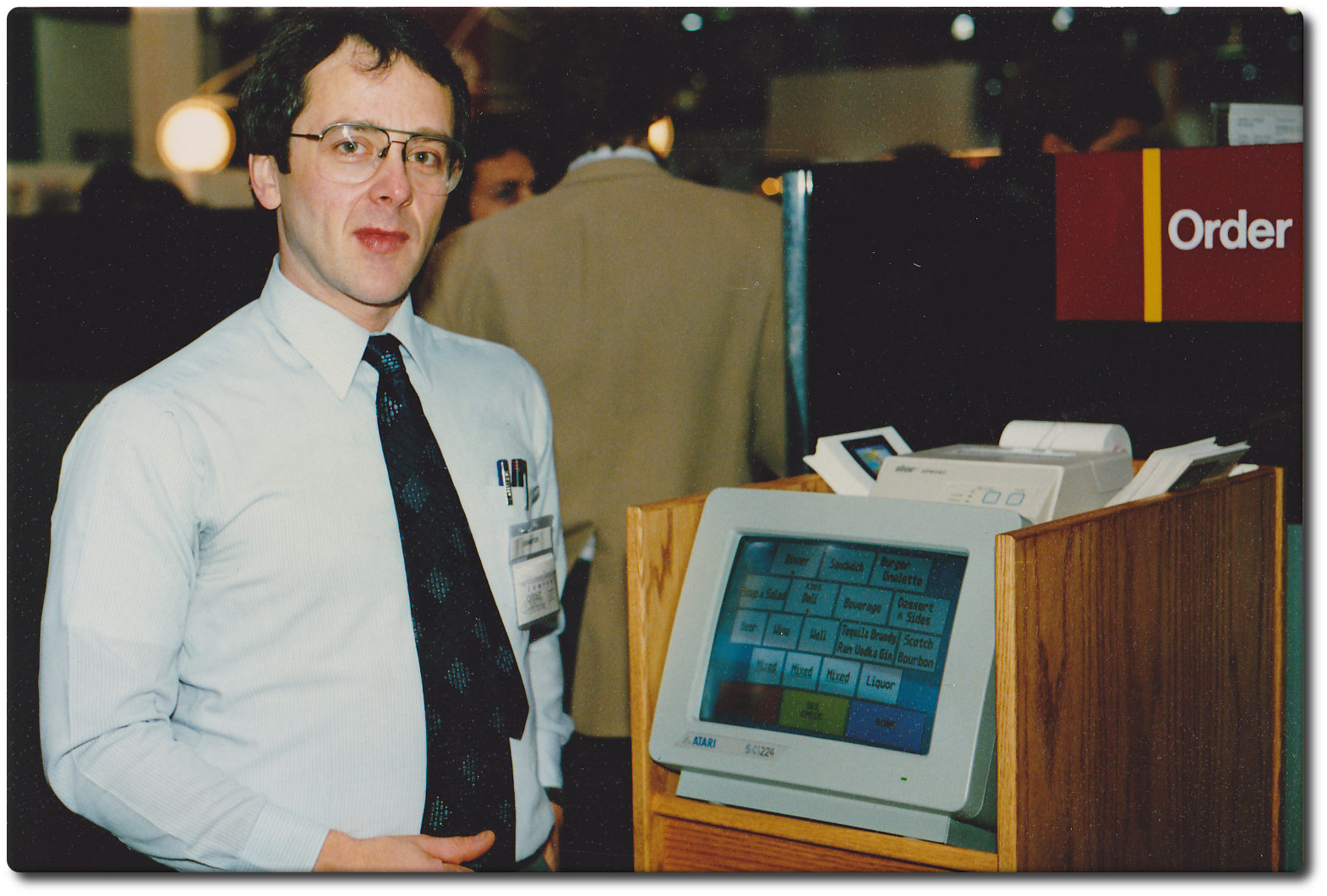
ViewTouch
The first commercial touchscreen point-of-sale — finger-on-glass order entry on an Atari ST
 c. 1985
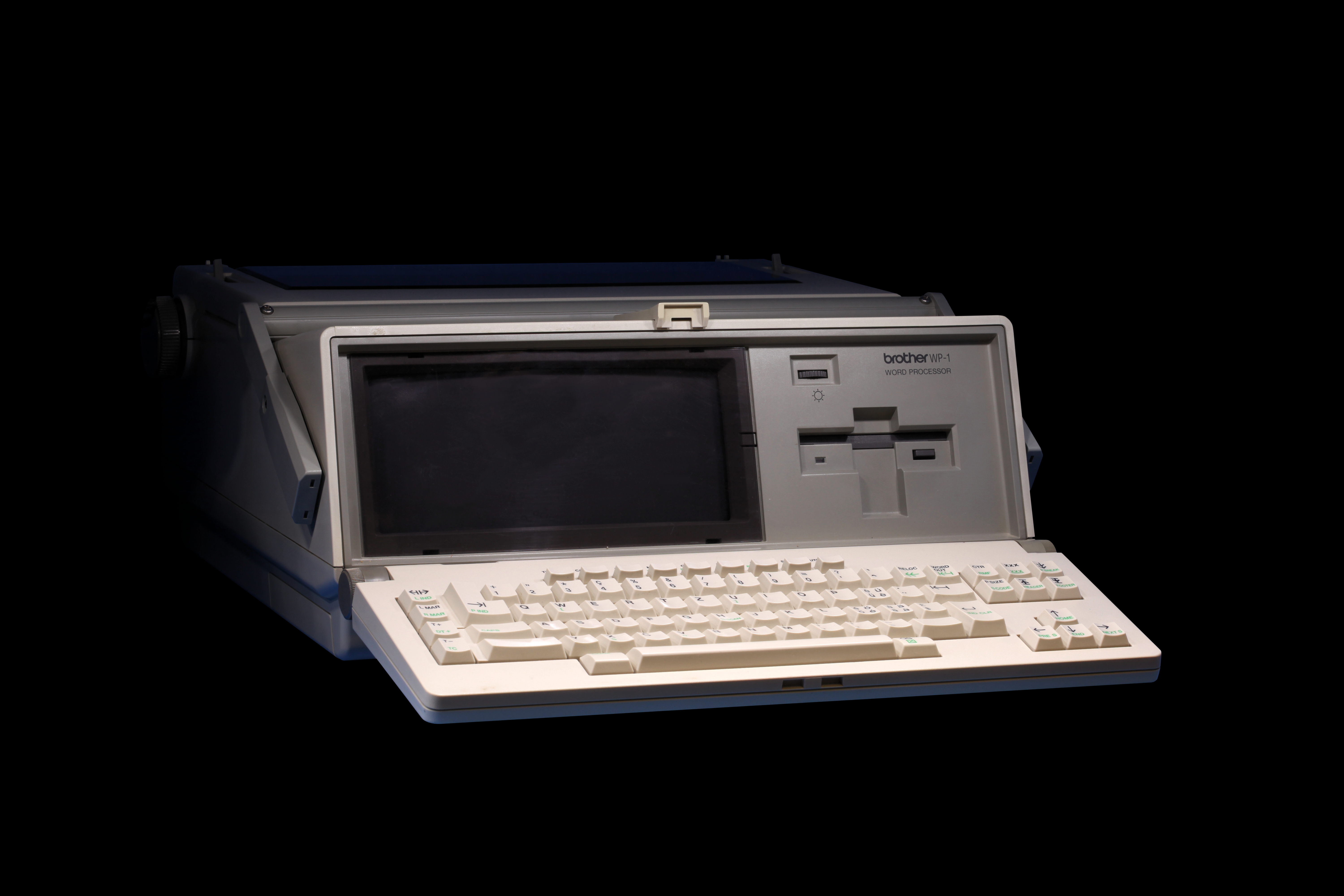
Brother WP1 Word Processor / Electronic Typewriter
The typewriter that made you edit before you printed
 1985
1985
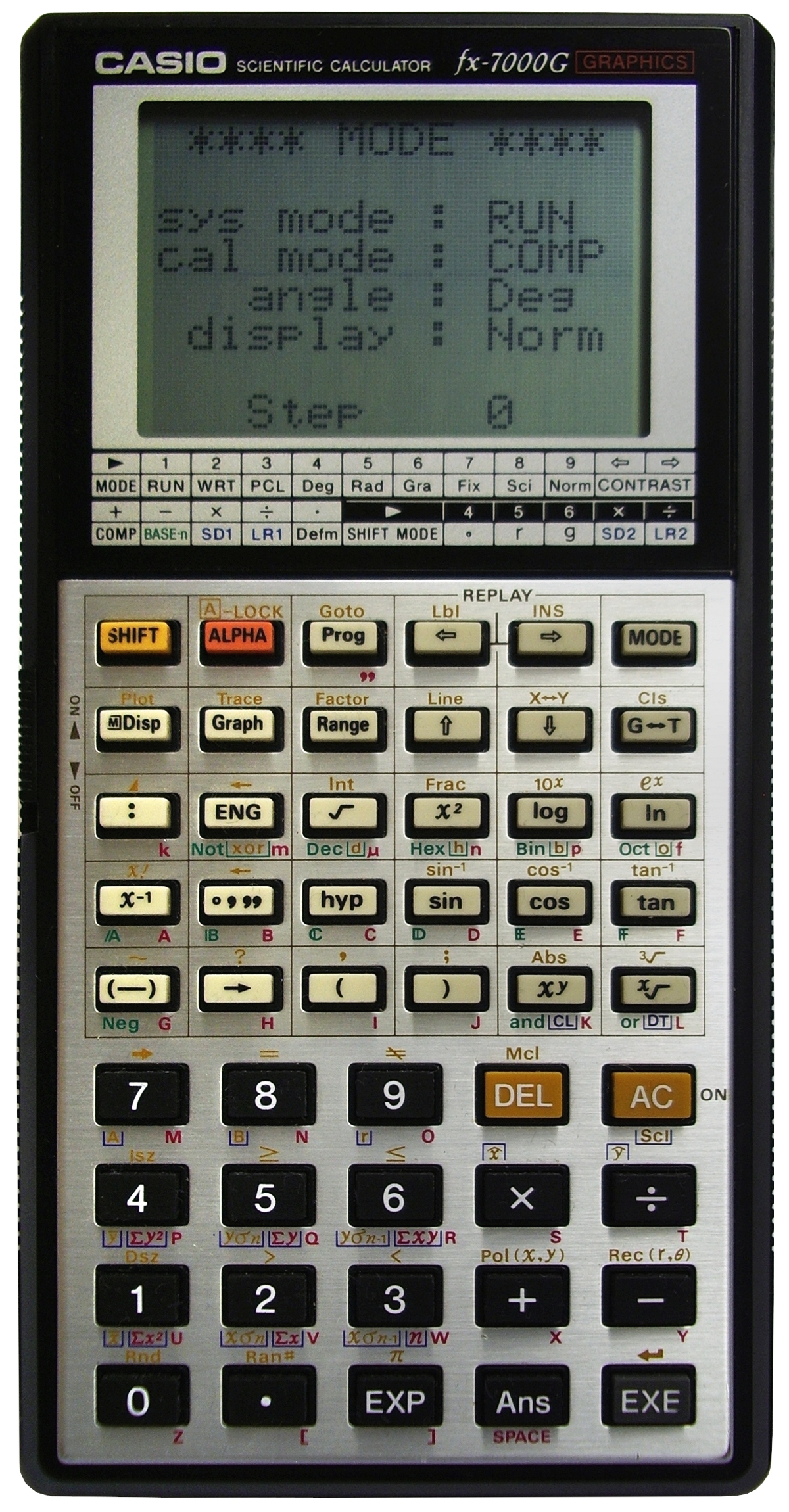
Casio FX-7000G Graphing Calculator
The first graphing calculator — a pocket number-slab whose 96×64 dot-matrix display becomes a drawing surface that plots your functions
 1985
1985
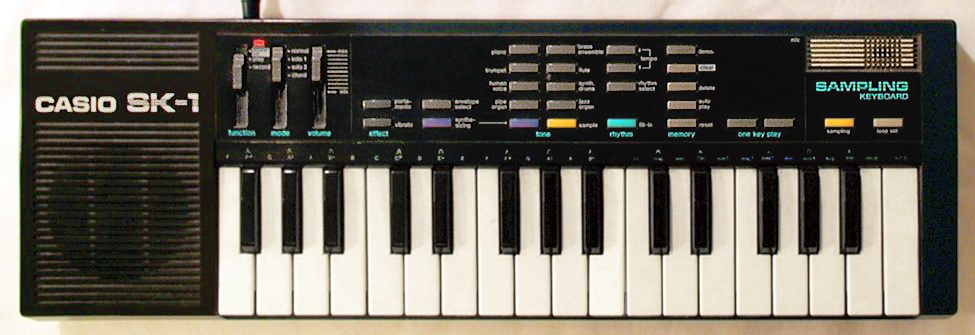
Casio SK-1 Sampling Keyboard
One button. Any sound. Now play it.
 1985
1985
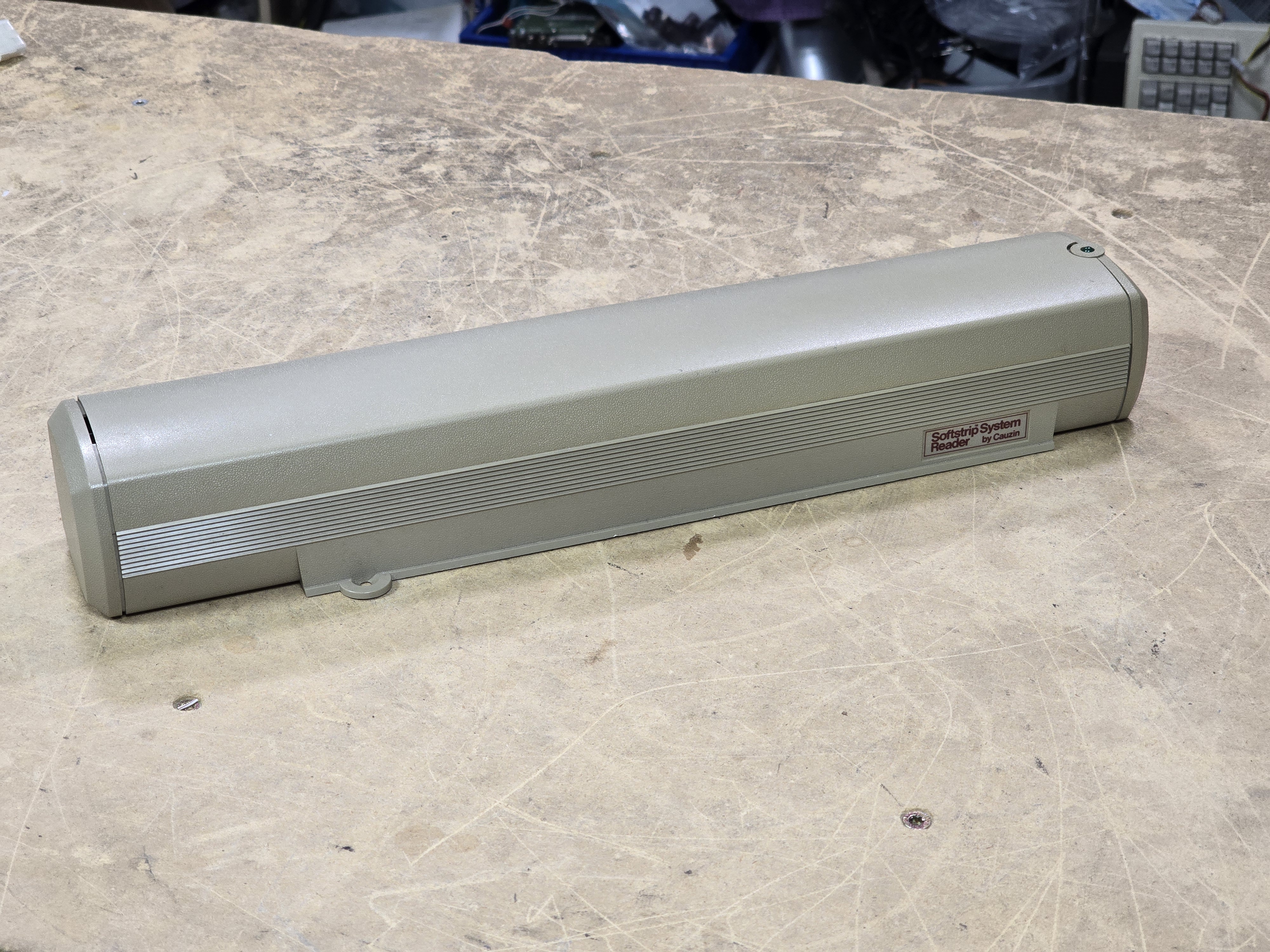
Cauzin Softstrip Reader
Before QR codes, this $200 wand turned magazine pages into computer data—one manual 30-second swipe at a time.
 1985
1985
CMU Sensor Frame
The multi-touch system where pinch-to-zoom was born — built from DRAM memory chips, shown to Steve Jobs.
 1985
1985
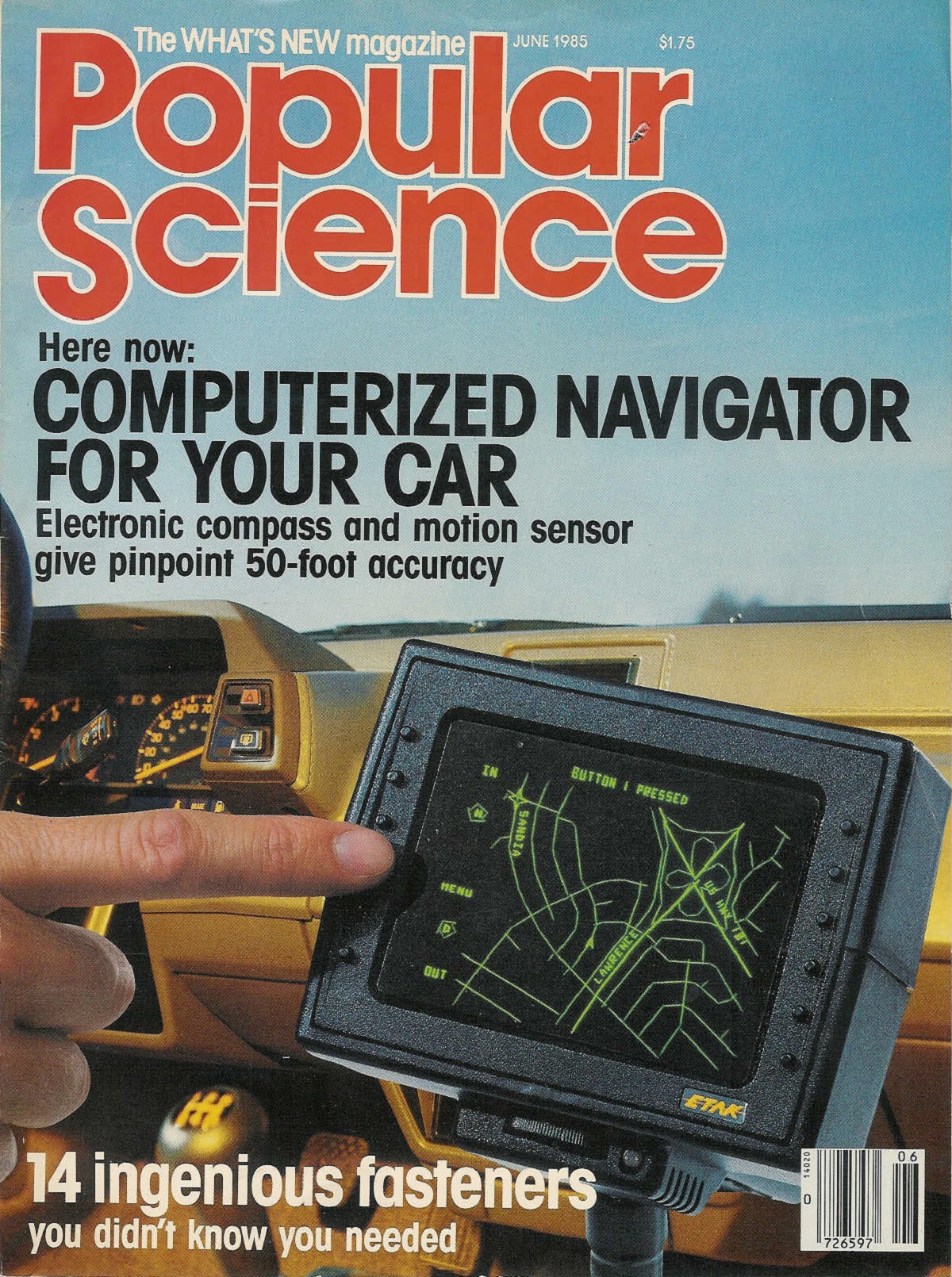
Etak Navigator
The first practical in-car navigation computer, using dead reckoning and a rotating map — years before GPS
 1980s
1980s
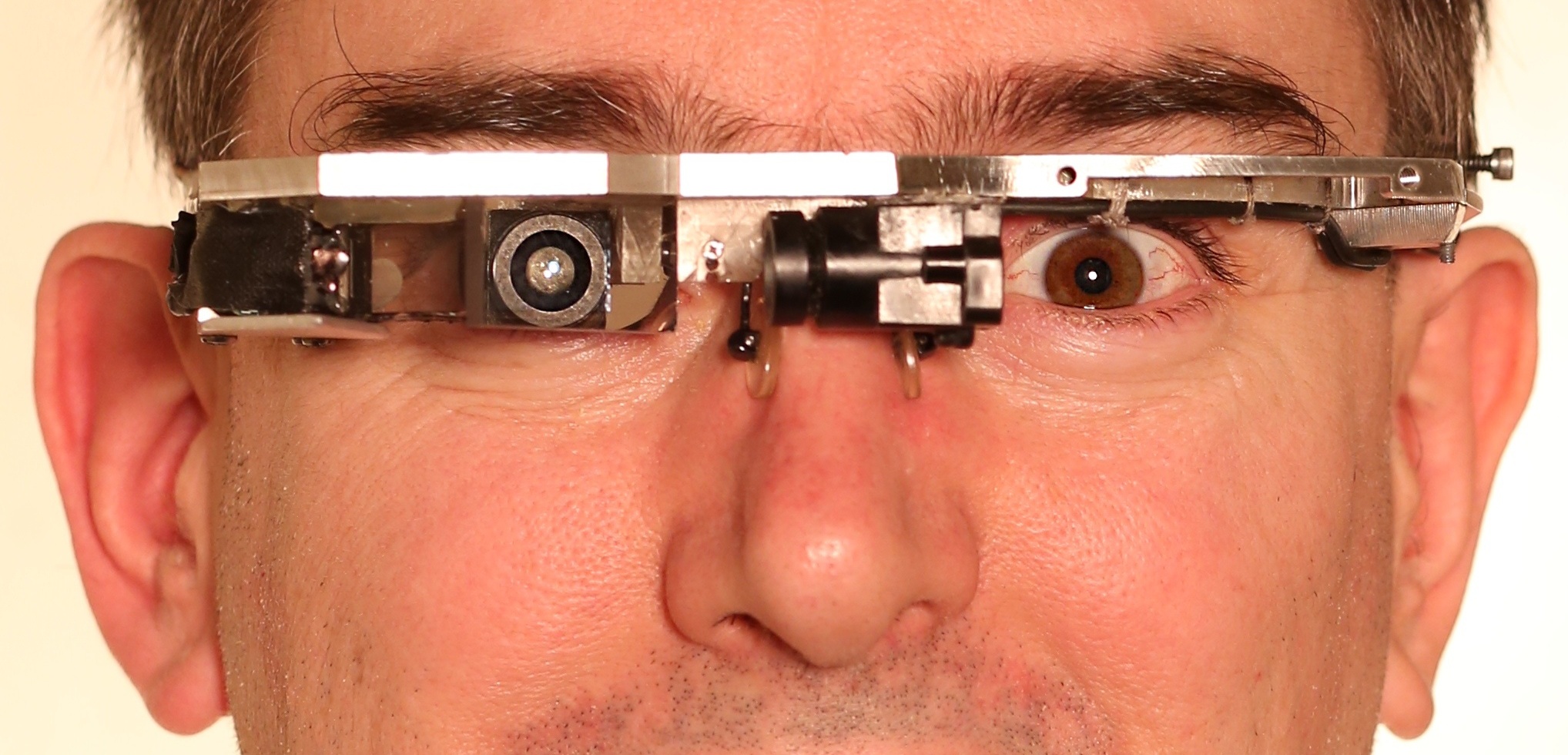
EyeTap
Wearable computing before it had a name
 1985
1985
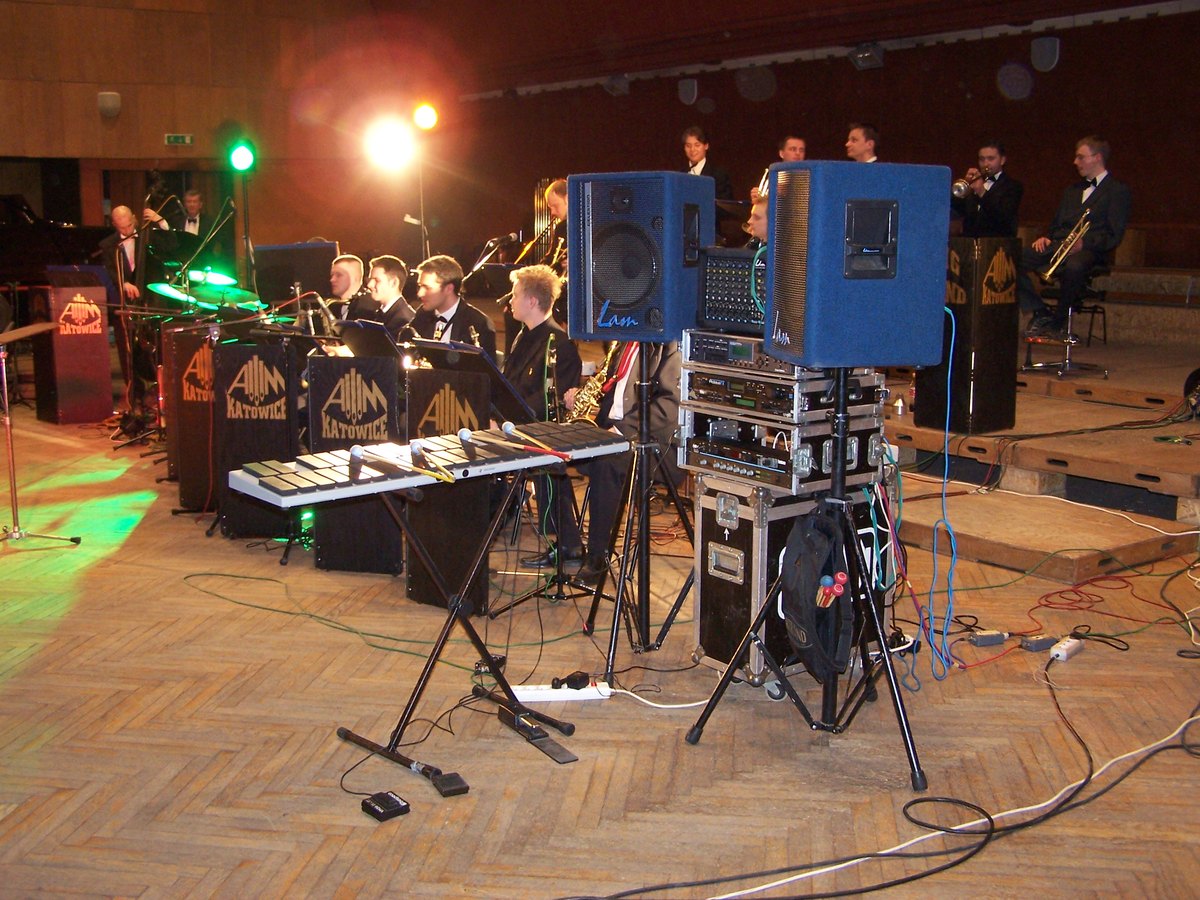
KAT MalletKAT MIDI Percussion Controller
A chromatic mallet-percussion interface whose force-sensing pads make the two-mallet strike itself the input
 1985
1985
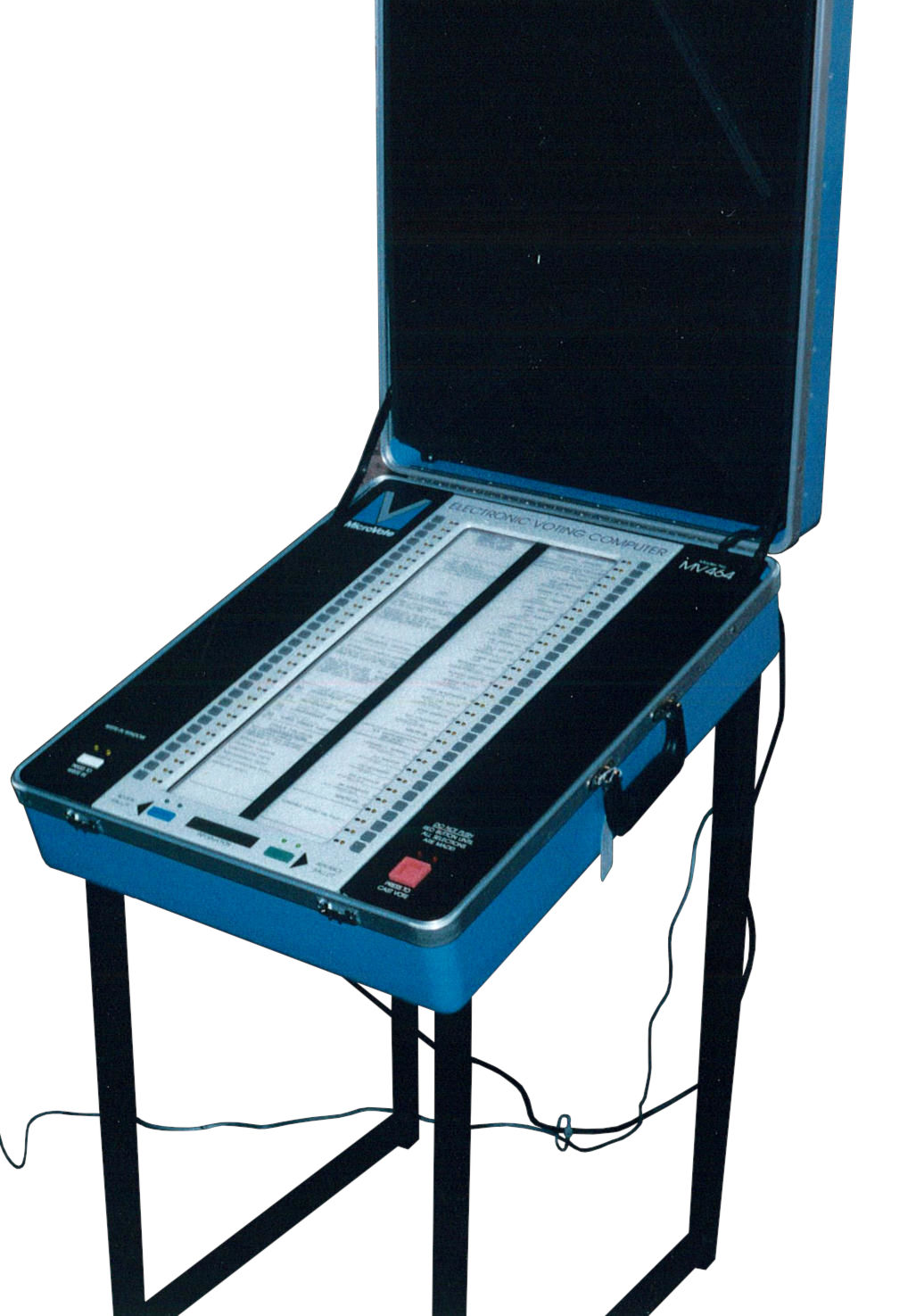
Microvote MV-464 Electronic Voting Computer
A push-button voting machine with a motor-driven paper scroll ballot display — democracy as a mechanical interface
 1985
1985
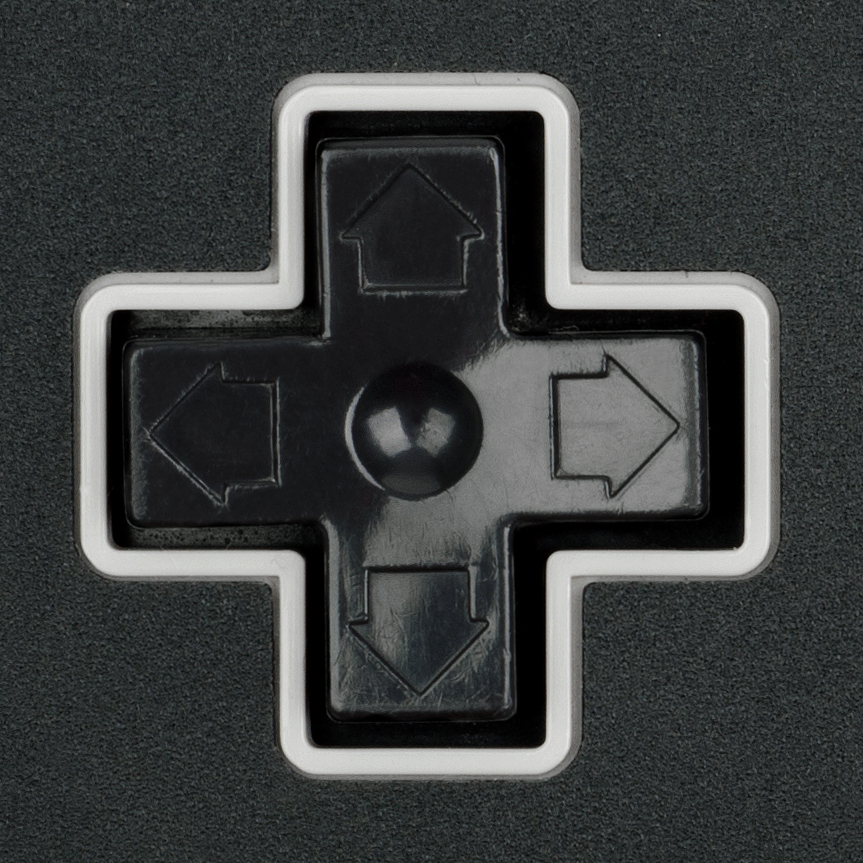
Nintendo D-pad controller
Cross-shaped directional pad replacing joysticks on consoles.
 1985
1985
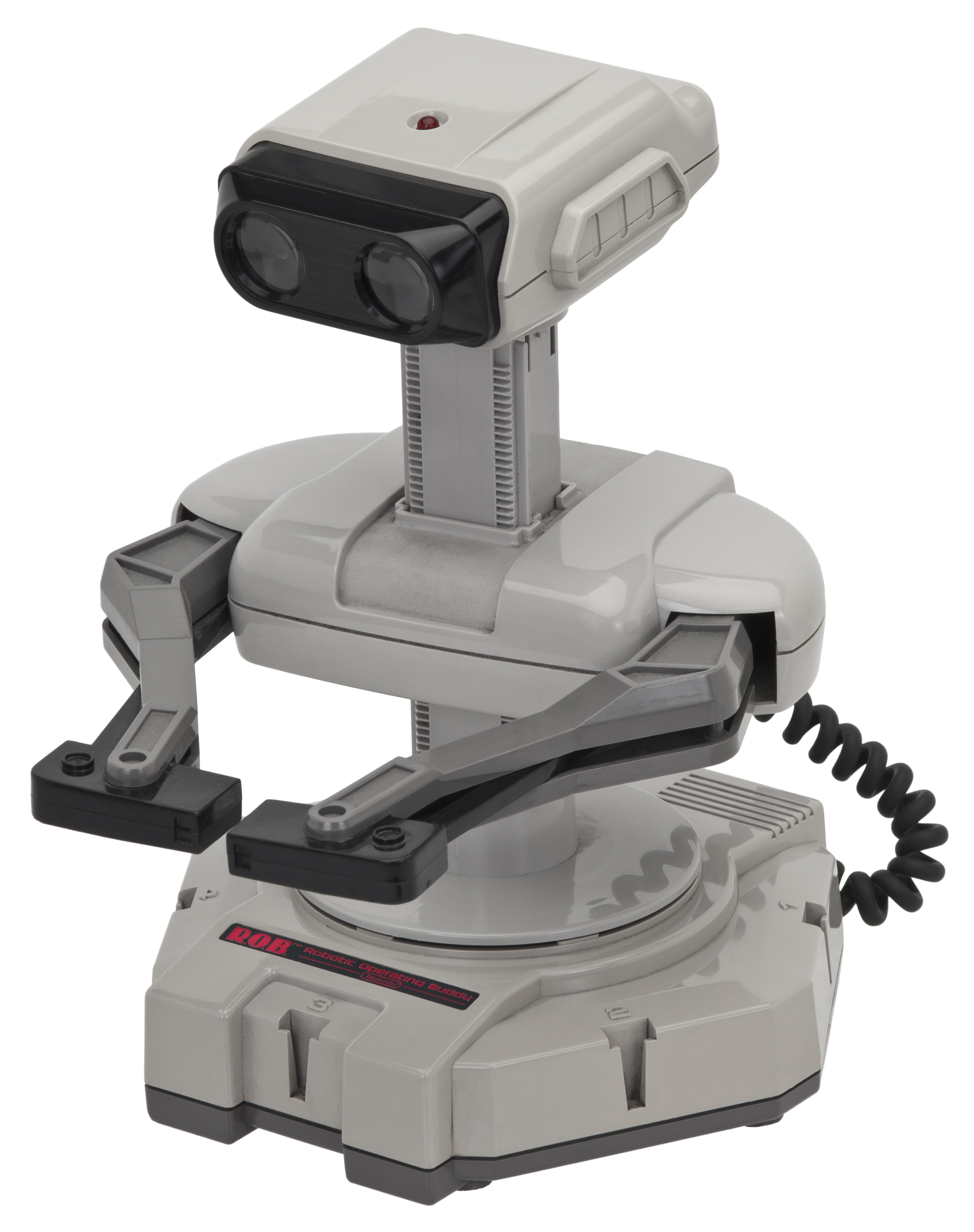
Nintendo R.O.B.
A physical robot companion that played NES games with you, commanded by light flashes from the TV screen
 1985
1985
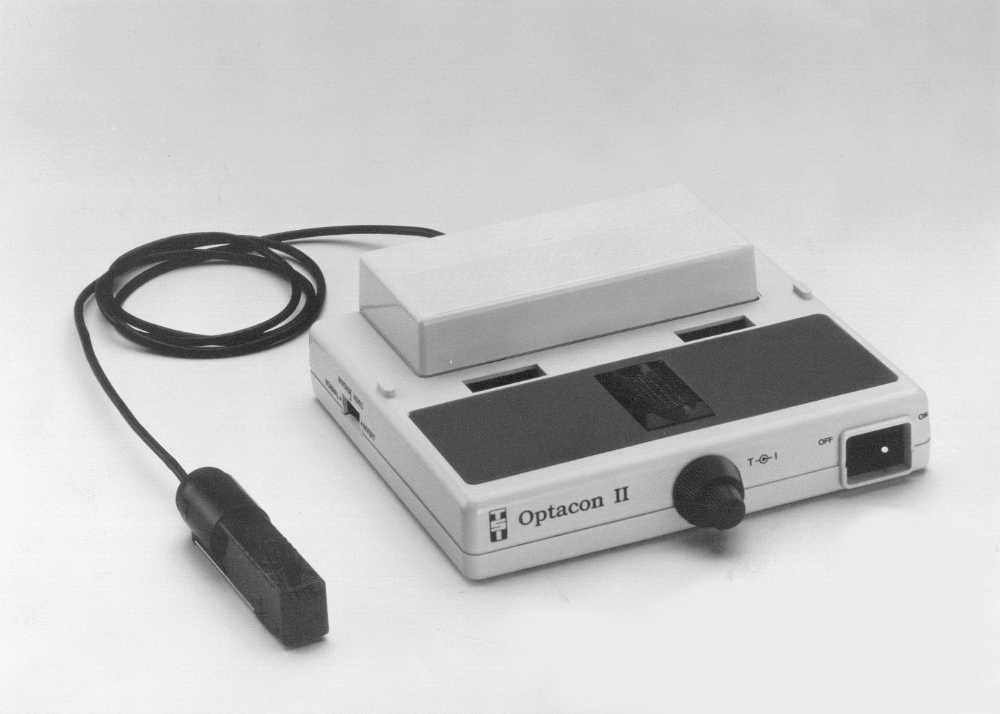
Optacon II (Tactile Reading Machine)
Feel the shape of a printed letter vibrating against your fingertip, in real time — no OCR, no speech
 c.1985
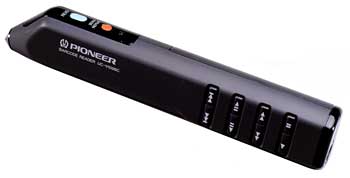
Pioneer LaserBarcode System
Swipe a printed strip of barcodes to command a laserdisc
 1985
1985
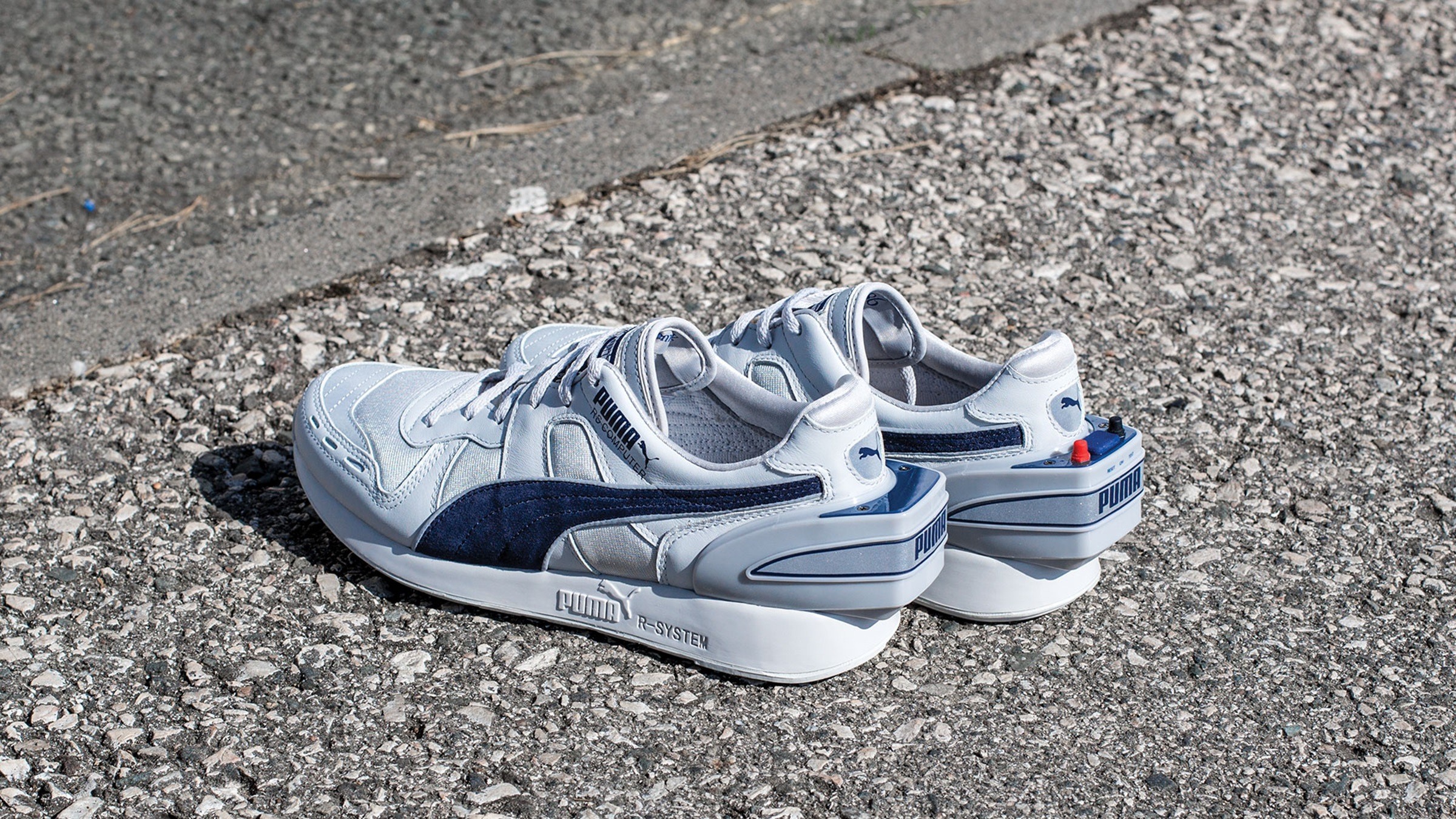
Puma RS Computer Shoes
The first body-worn computer activity tracker — a running shoe you plugged into your Apple IIe.
 1985
1985
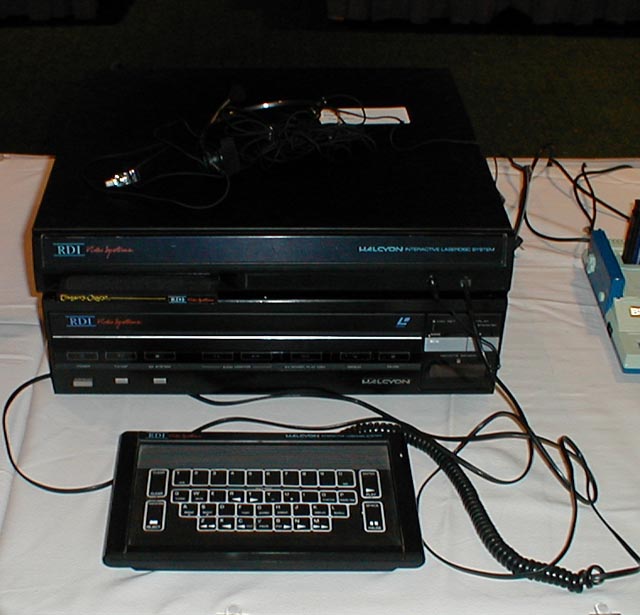
RDI Halcyon
The voice-controlled laserdisc game console that trained itself to your voice, cost $2,500, and sold perhaps ten units before vanishing into legend.
 1985
1985
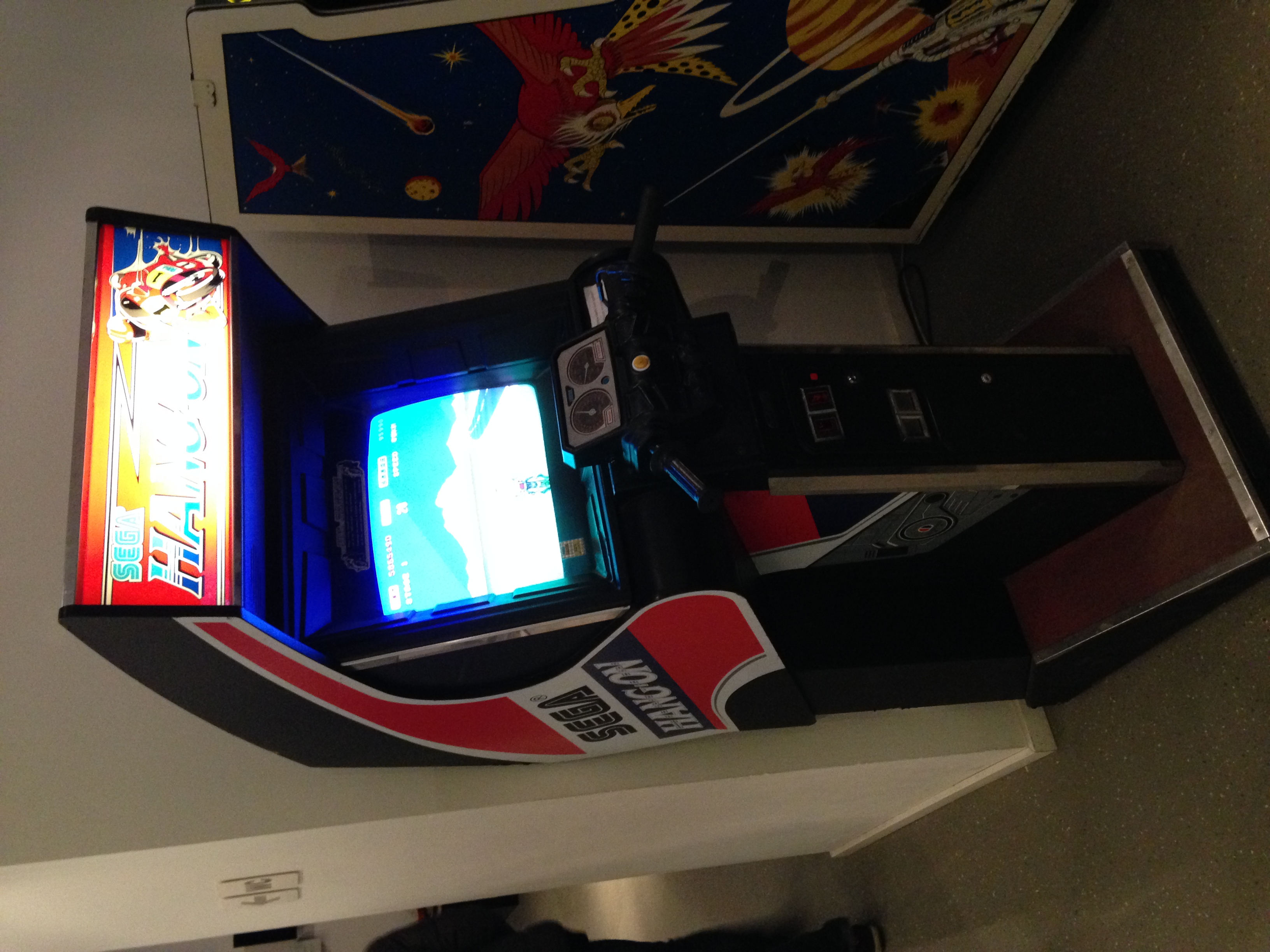
Sega Hang-On
The arcade motorcycle you rode with your whole body, launching Sega's body-sensation revolution.
 c. 1985
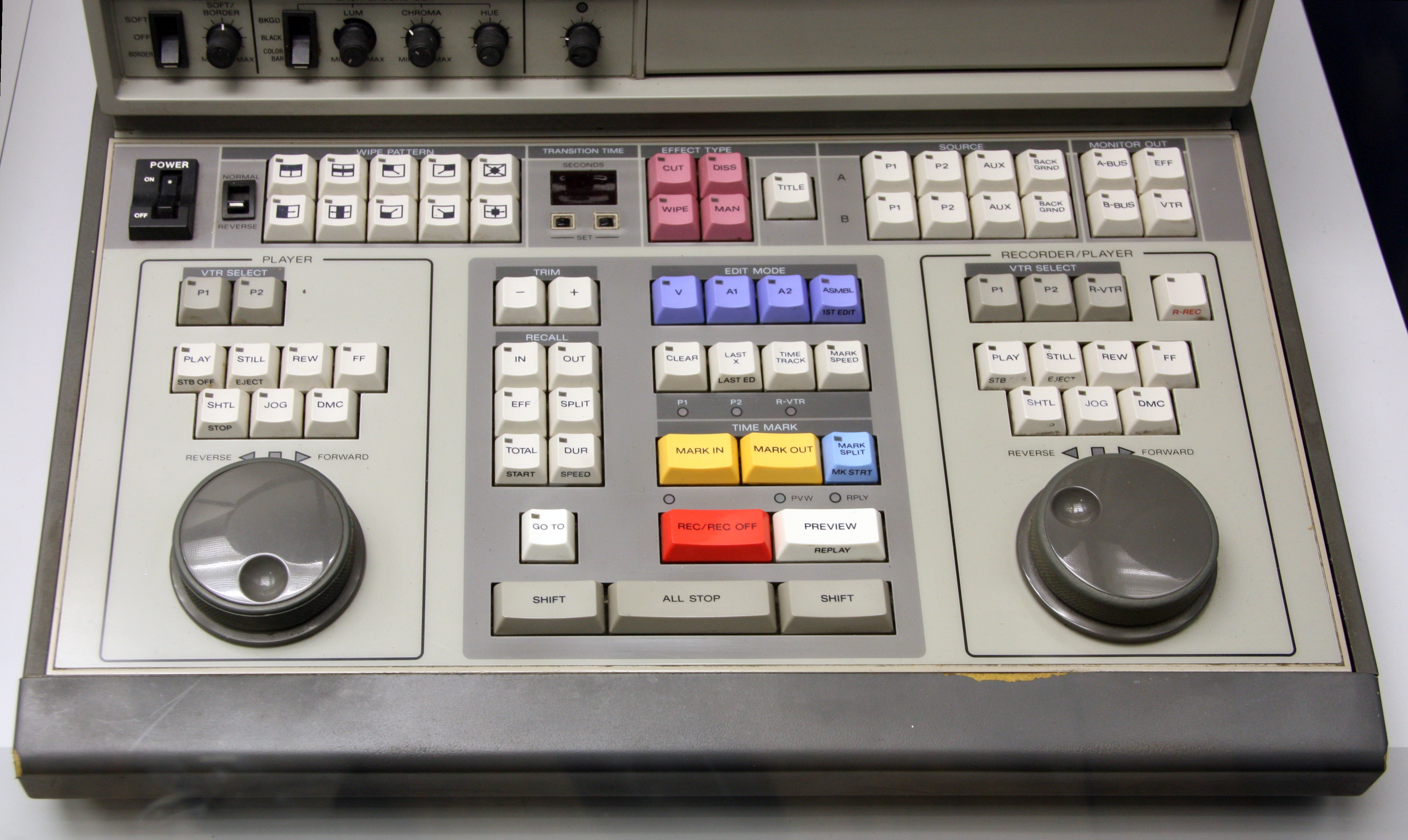
Sony BVE-600 (c. 1985)
A desktop edit controller with two independent jog dials — one hand on the source deck, one on the recorder — for two-handed scrubbing
 1985
1985
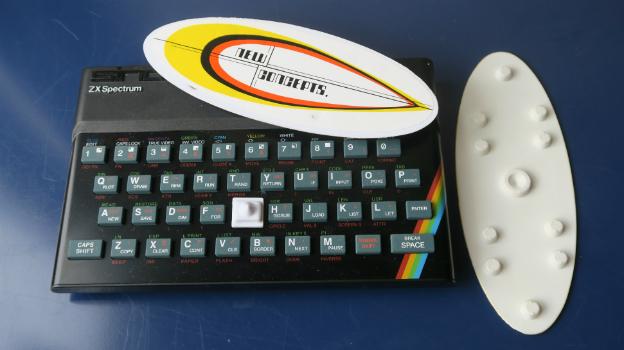
Surf Champ
The ZX Spectrum game that shipped with a miniature plastic surfboard — shifting your hands forward, back, and sideways translated weight into fluid-dynamic surfing physics.
 1985
1985
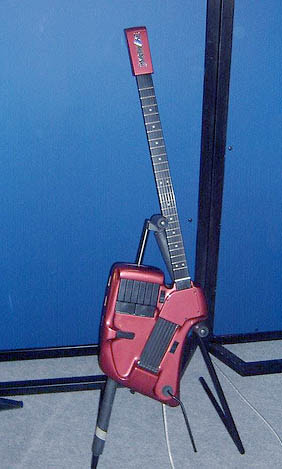
SynthAxe
The £10,000 MIDI guitar that freed pitch from pluck — crashed sequencers with six channels of aftertouch, and fewer than 100 were made
 1985
1985
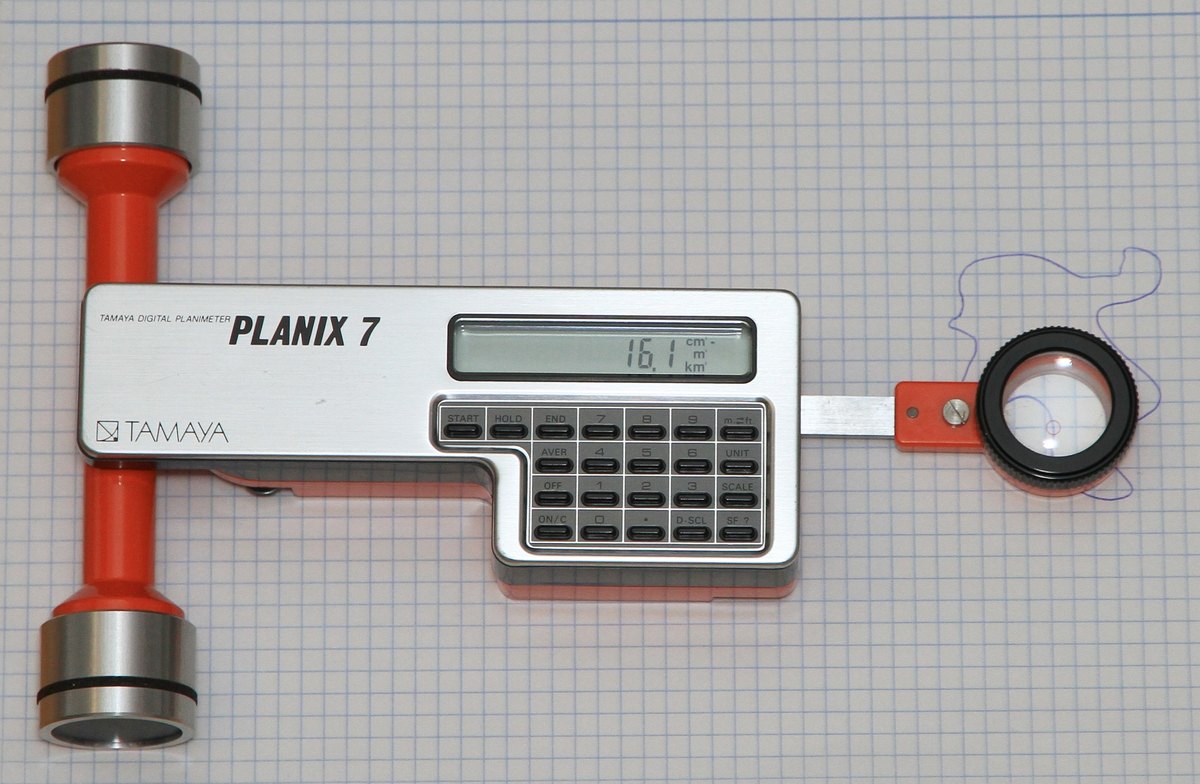
Tamaya Planix Digital Planimeter
Trace a closed shape on a map and the machine hands you its area — a drafting gesture turned into a computed number
 1985
1985
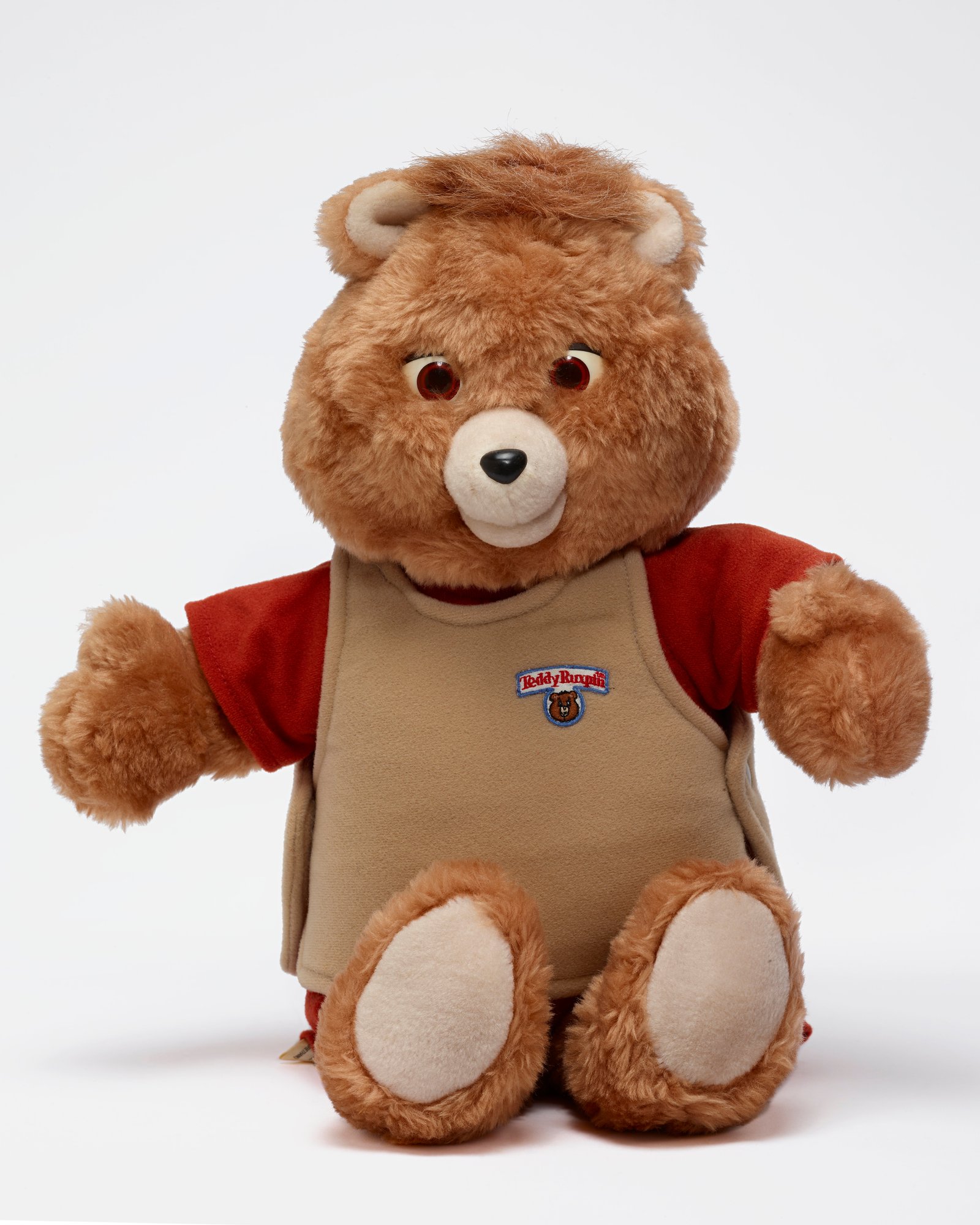
Teddy Ruxpin
The animatronic bear that read stories off a cassette tape
 1985
1985
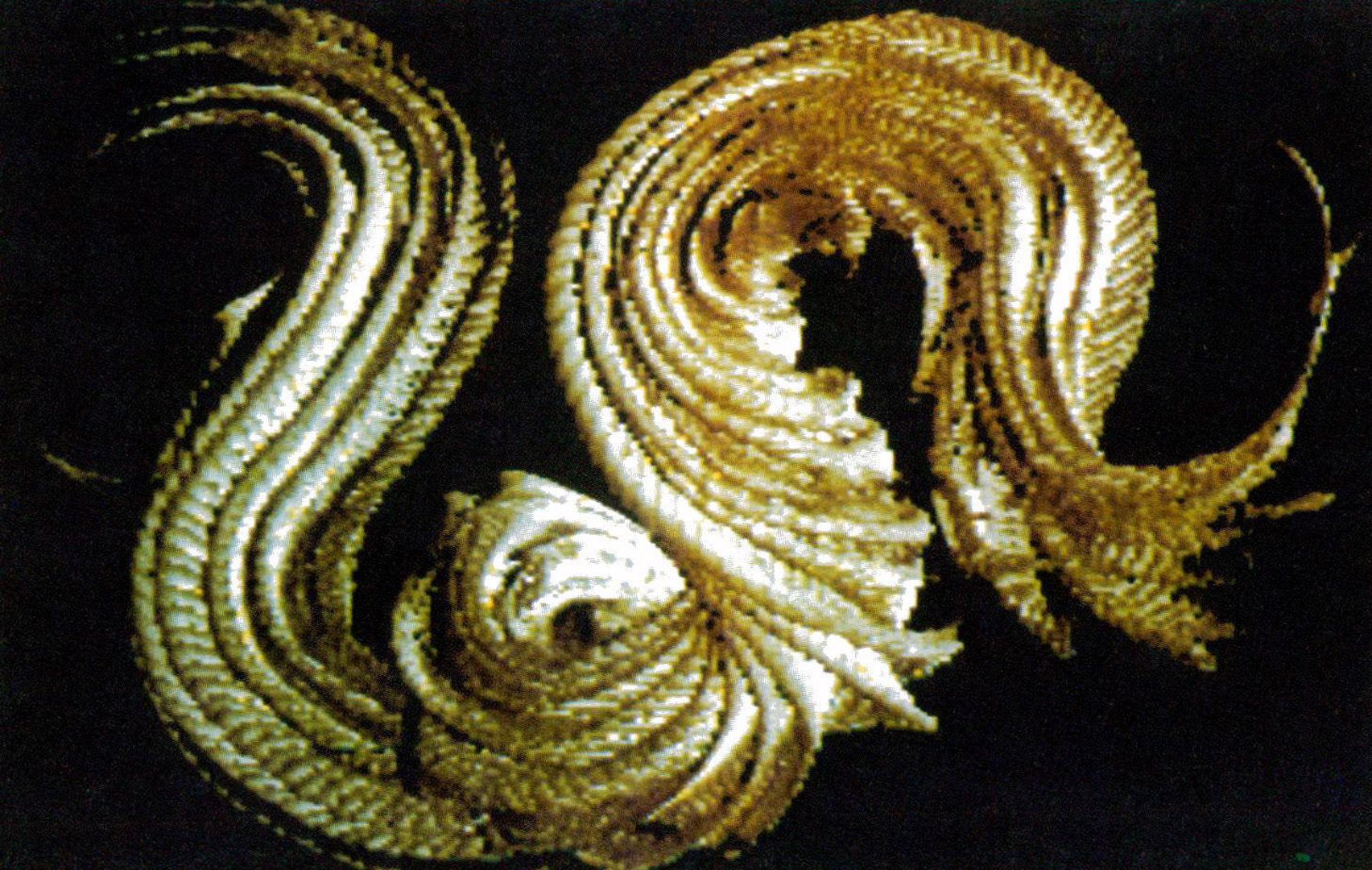
The Drawing Prism
An optical bridge between real brushes and digital pixels — paint directly into a computer with your hands.
 c. 1985
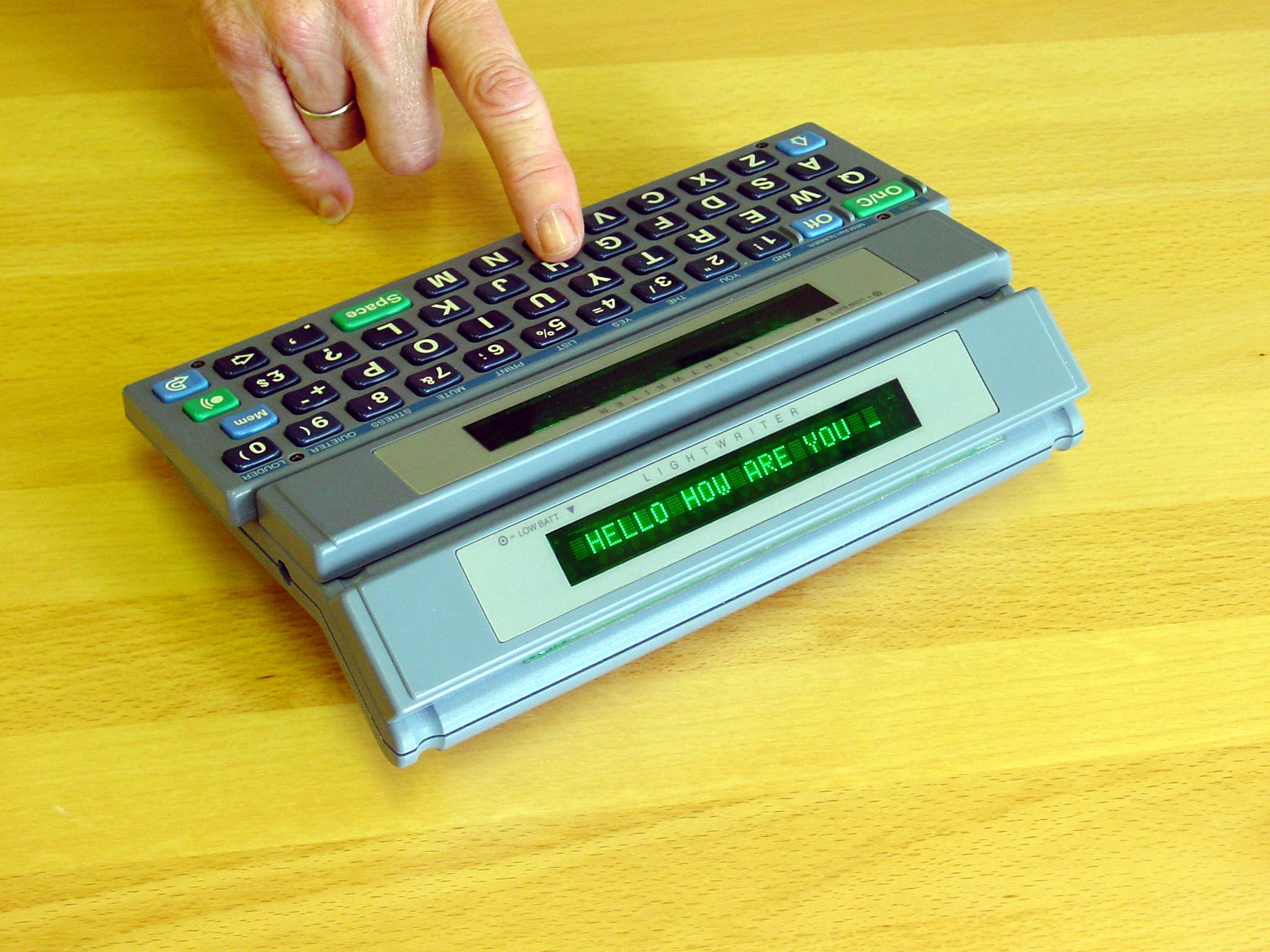
Toby Churchill Lightwriter SL1
A speech prosthesis with two screens — one for the typer, one facing the listener
 1985
1985
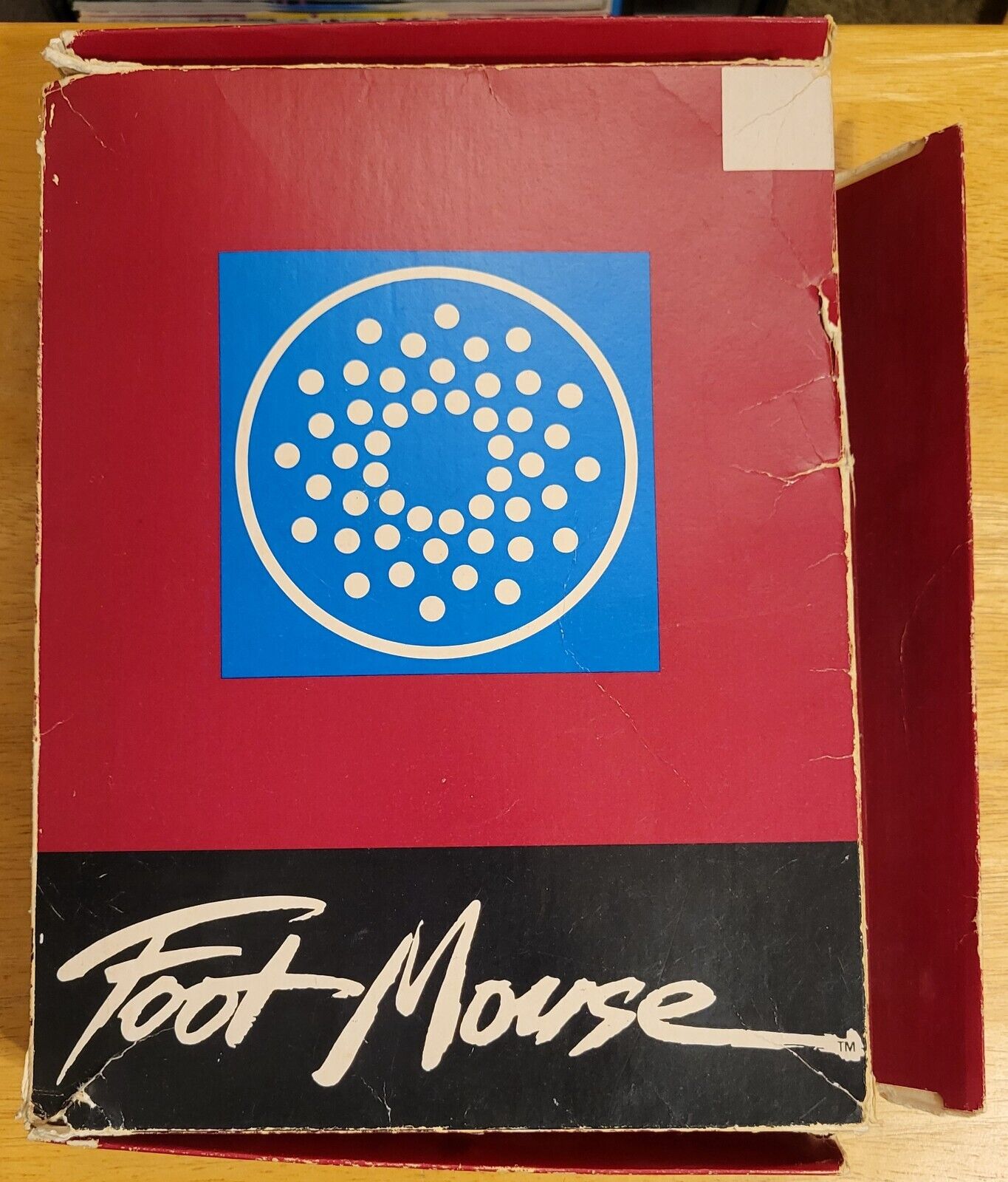
Versatron Footmouse
The first commercial foot-operated computer cursor controller — built by a missile-guidance company as their only consumer product.
 1980s
1980s
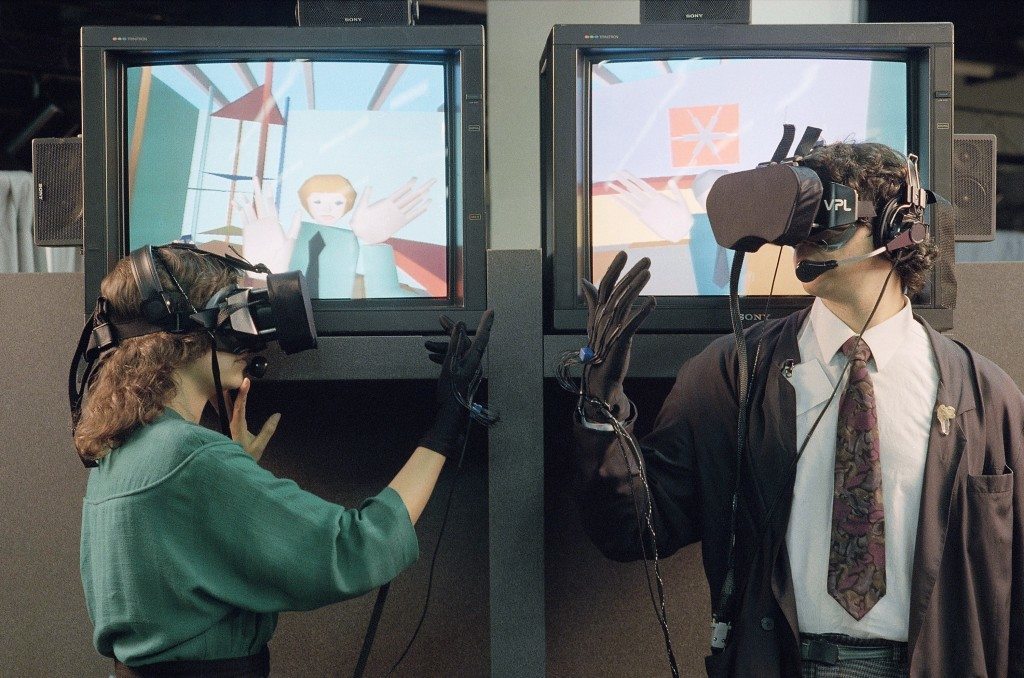
VPL EyePhone & DataGlove
The birth of commercial VR
 1985
1985
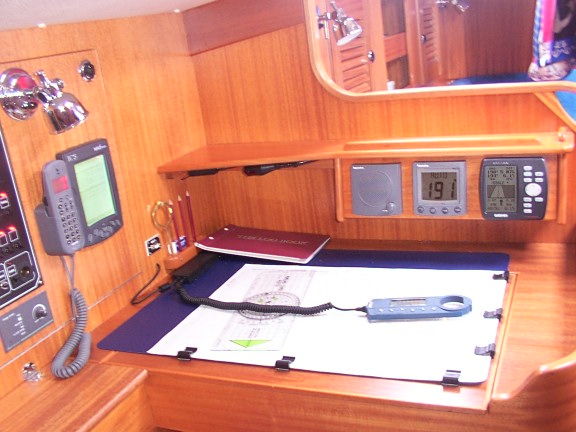
Yeoman Navigator / Sport Electronic Plotter
A wire-impregnated chart table that guides your hand by four LEDs to the vessel's live position
 1984
1984
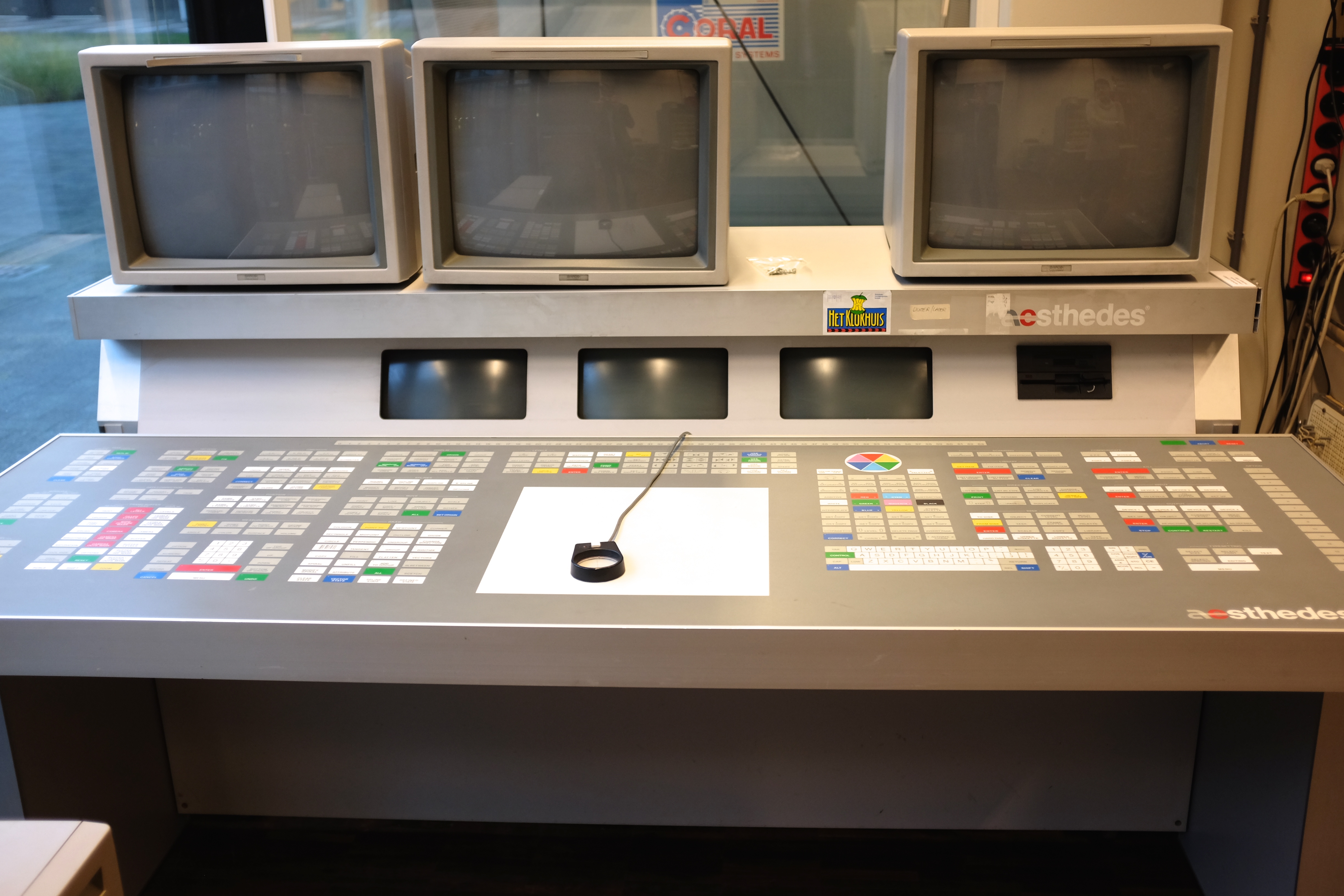
Aesthedes
The 220 kg Dutch design workstation with 636 dedicated membrane keys, six screens, and a philosophy that designers should never need to learn computers.
 1984
1984
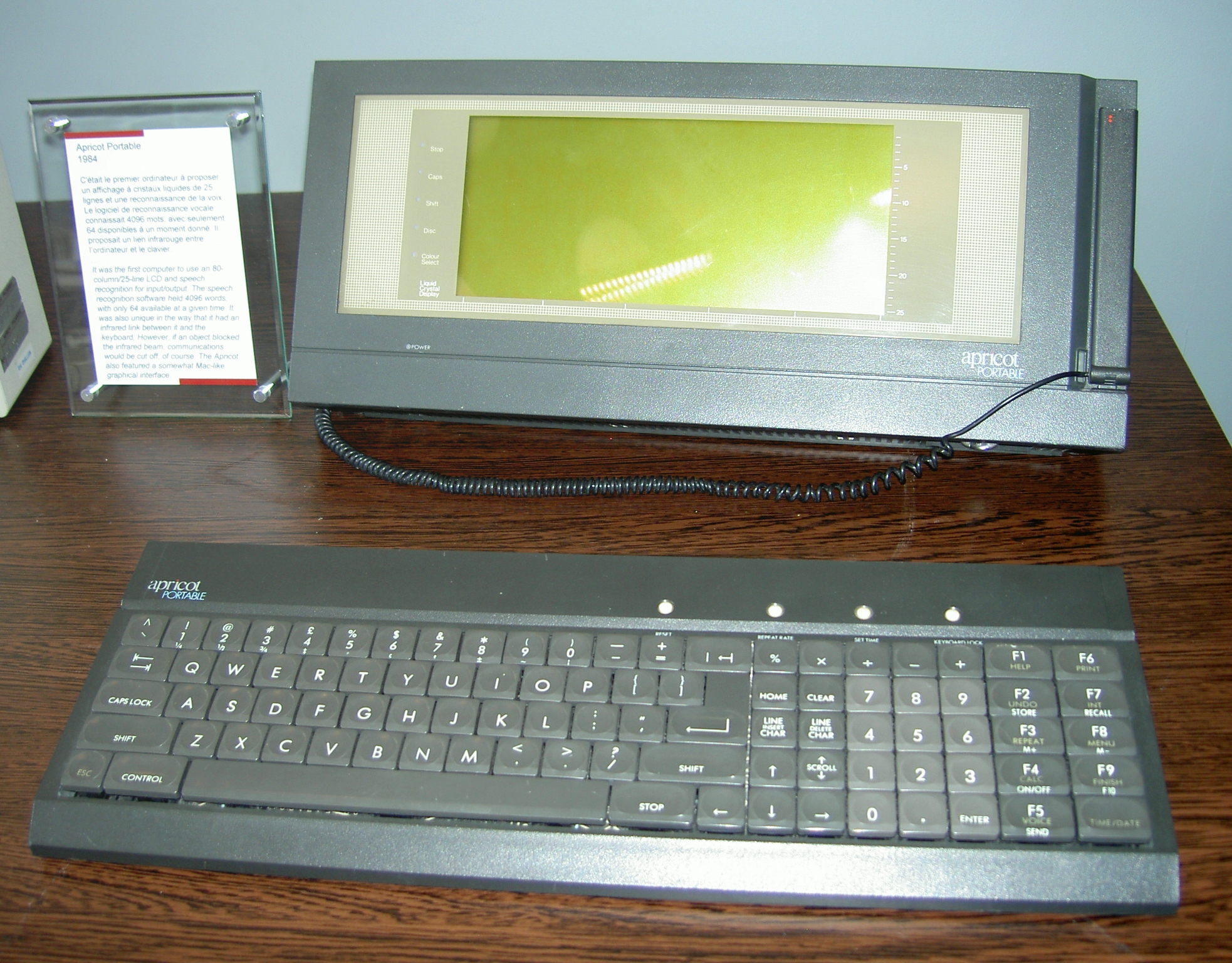
Apricot Portable
The first portable computer with a built-in ear — teach it your voice
 1984
1984
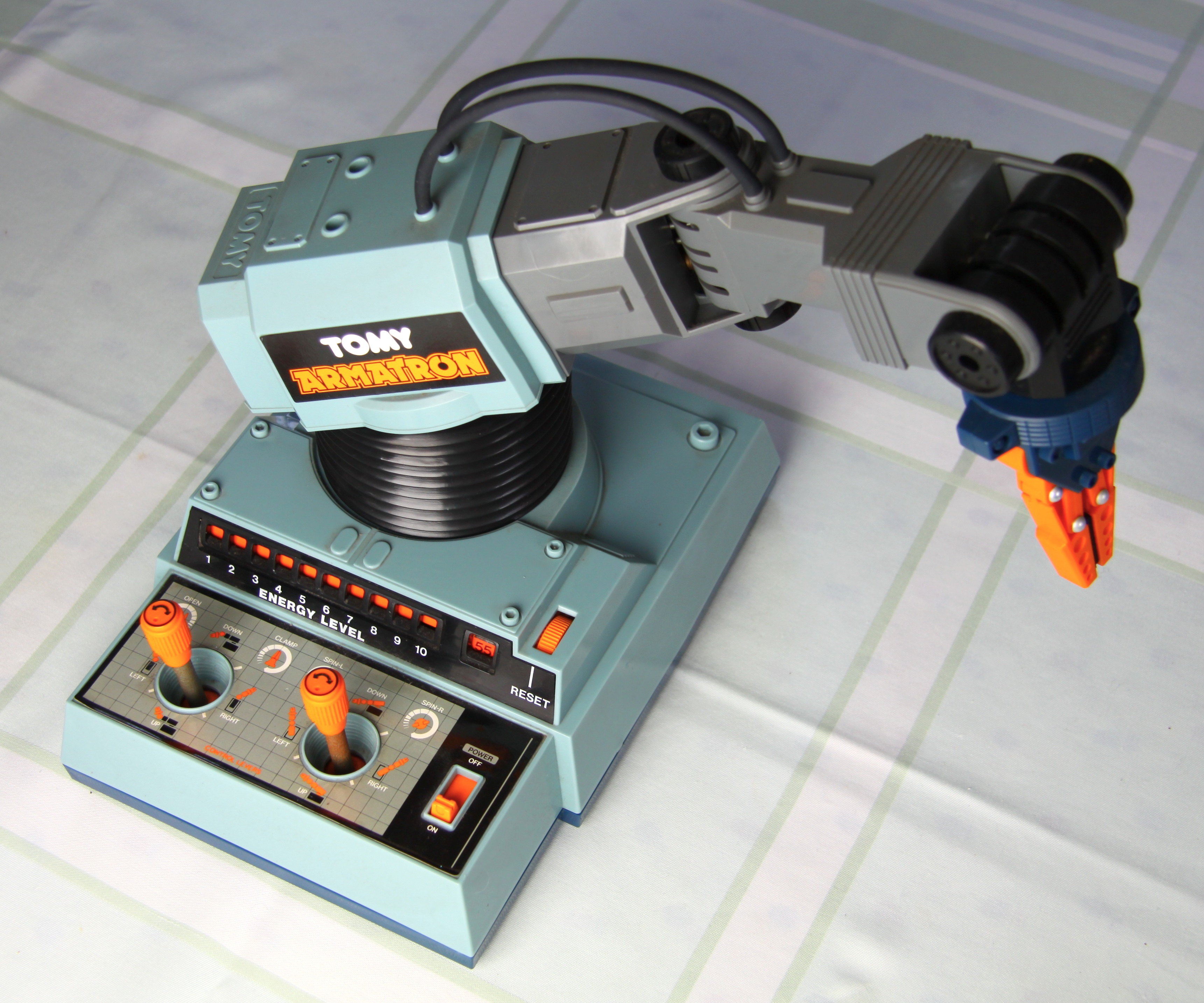
Armatron
A $40 plastic robot arm that made every ten-year-old a teleoperator, no computer required
 1984
1984
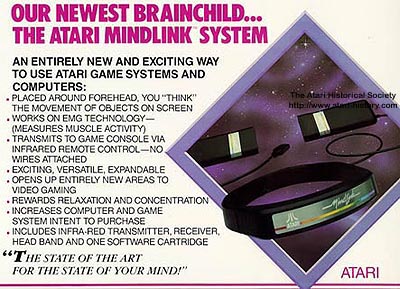
Atari Mindlink
Mind control (actually eyebrow control)
 1984
1984
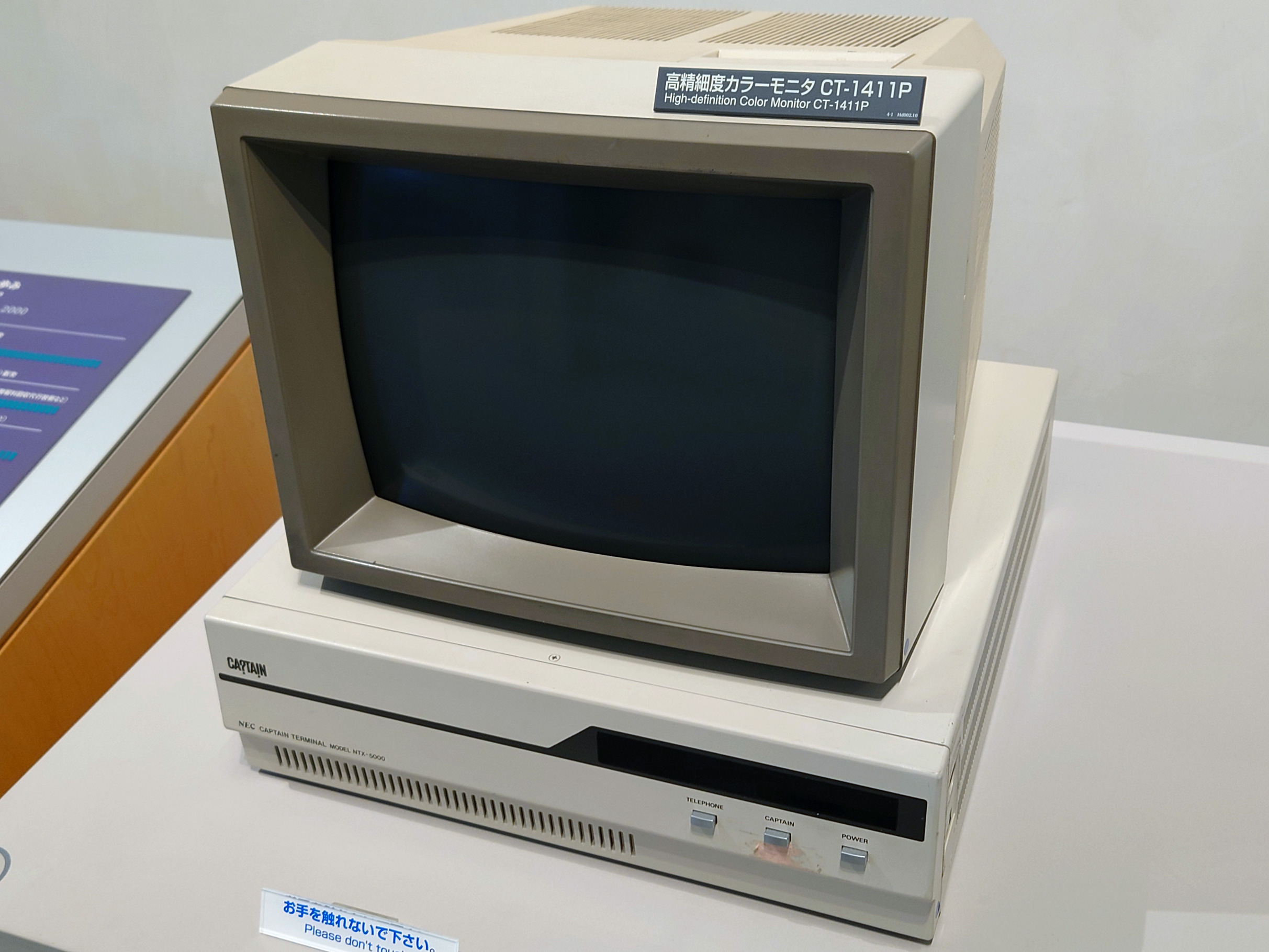
CAPTAIN System / NEC NTX-5000
Japan's videotex that faxed you the screen: pre-rendered pages, kana keypad, numeric page codes
 1984
1984
Covox Voice Master
Trainable voice command recognition for the Commodore 64 — a consumer speech I/O peripheral that let home computers listen, speak, and obey
 1983–84
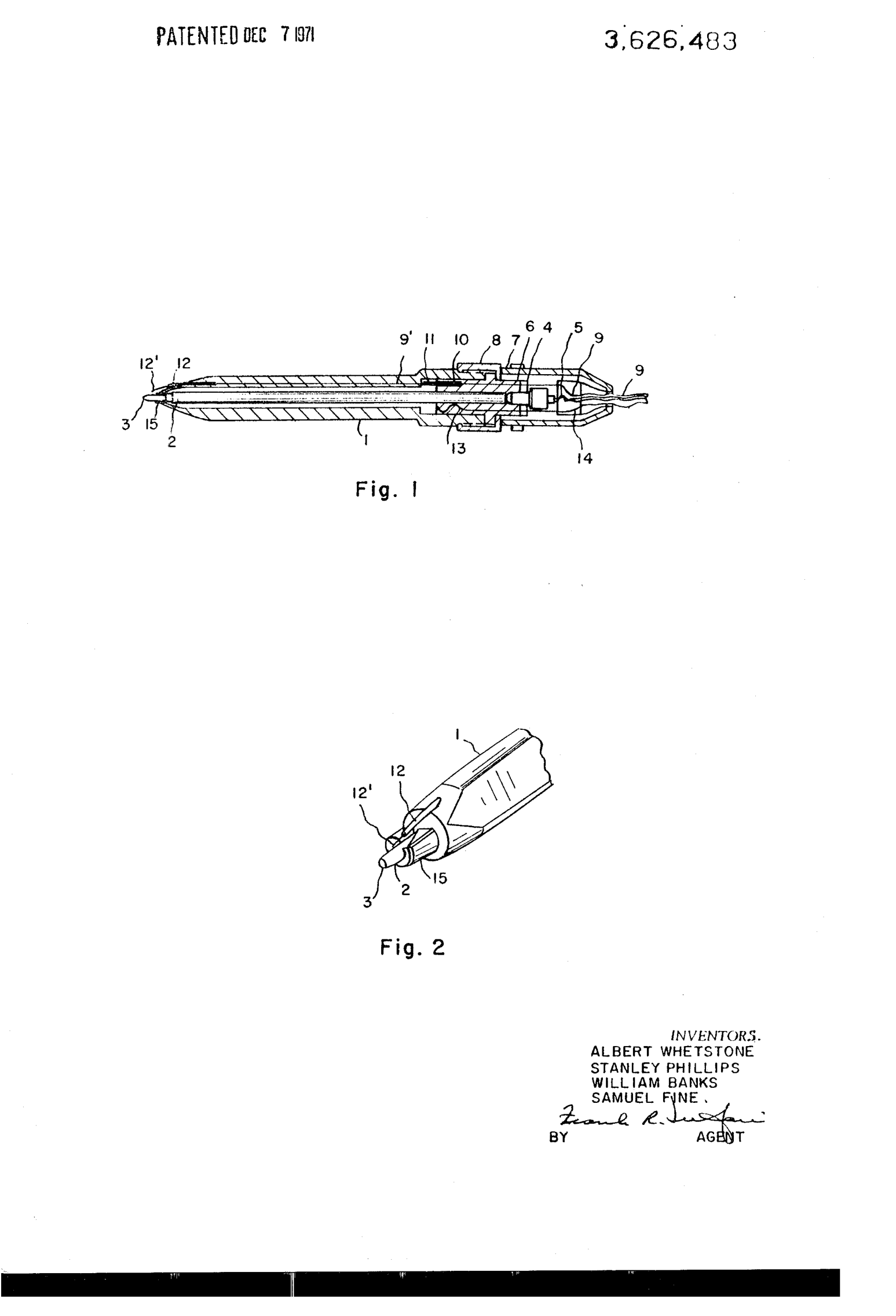
GRAF/PEN GrafBar Sonic Digitizer
The pen that made sparks — a digitizer whose stylus is a loudspeaker and whose tablet is just a table
 1984
1984
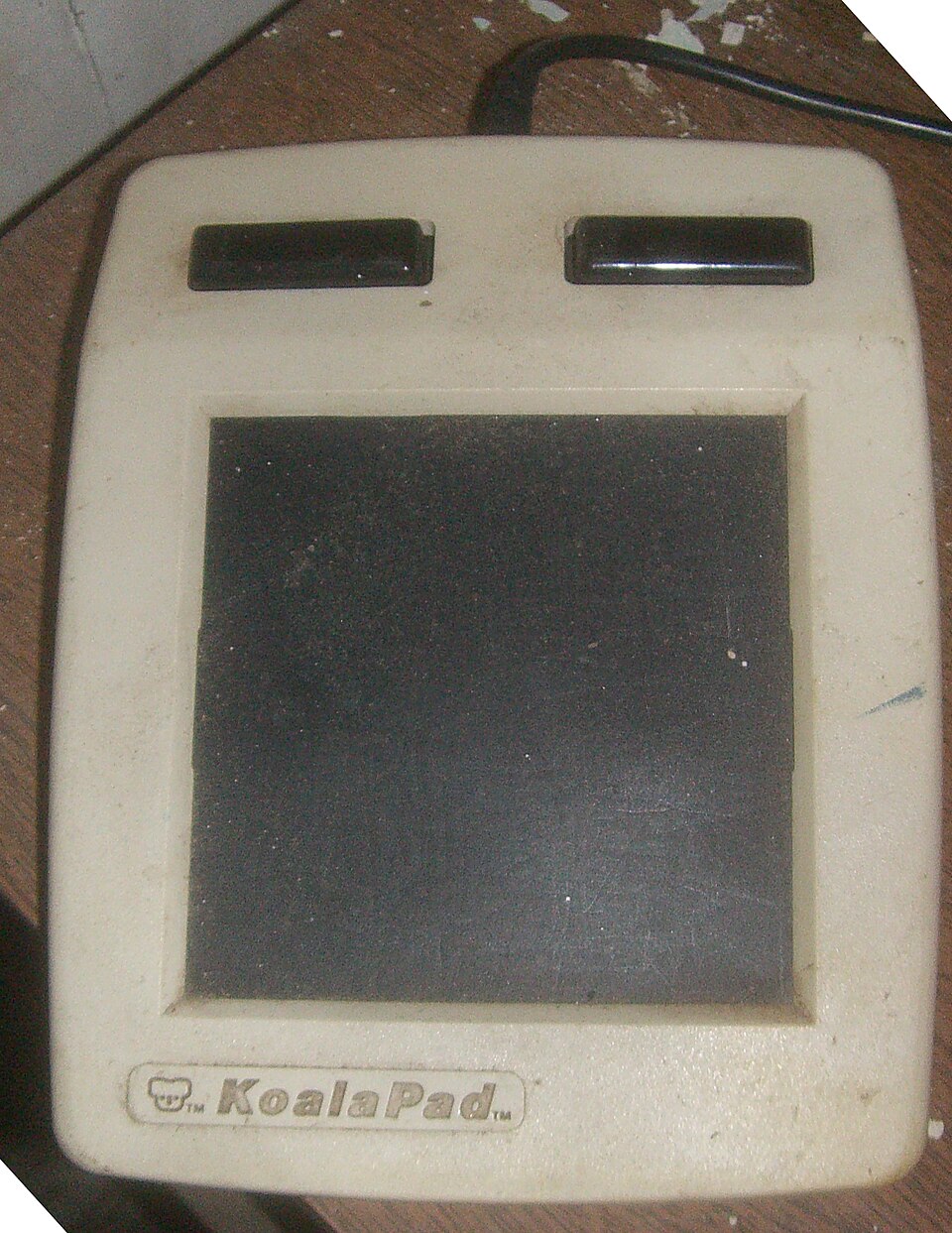
KoalaPad
Pressure-sensitive touch tablet for 8-bit home computers.
 1984
1984
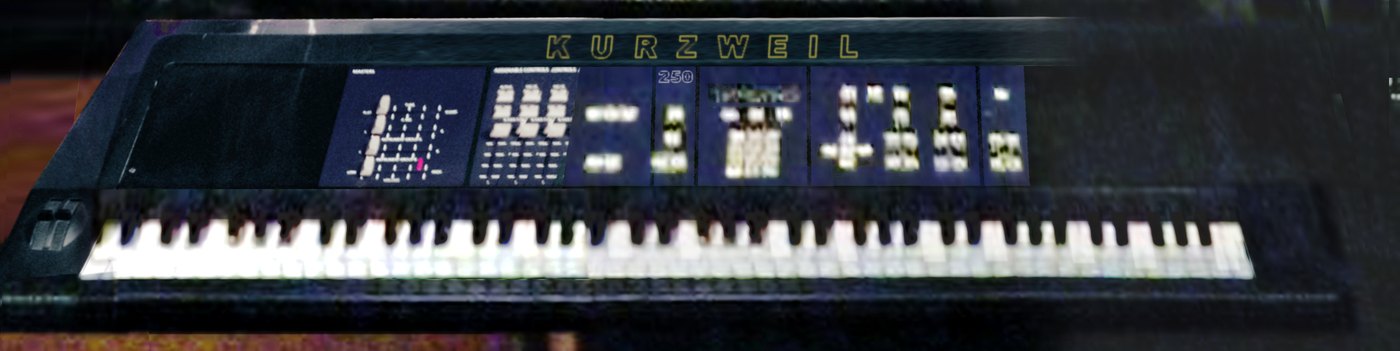
Kurzweil K250
The first successful sampled-acoustic-piano workstation — with a Braille-interfaced prototype built for Stevie Wonder
 1984
1984
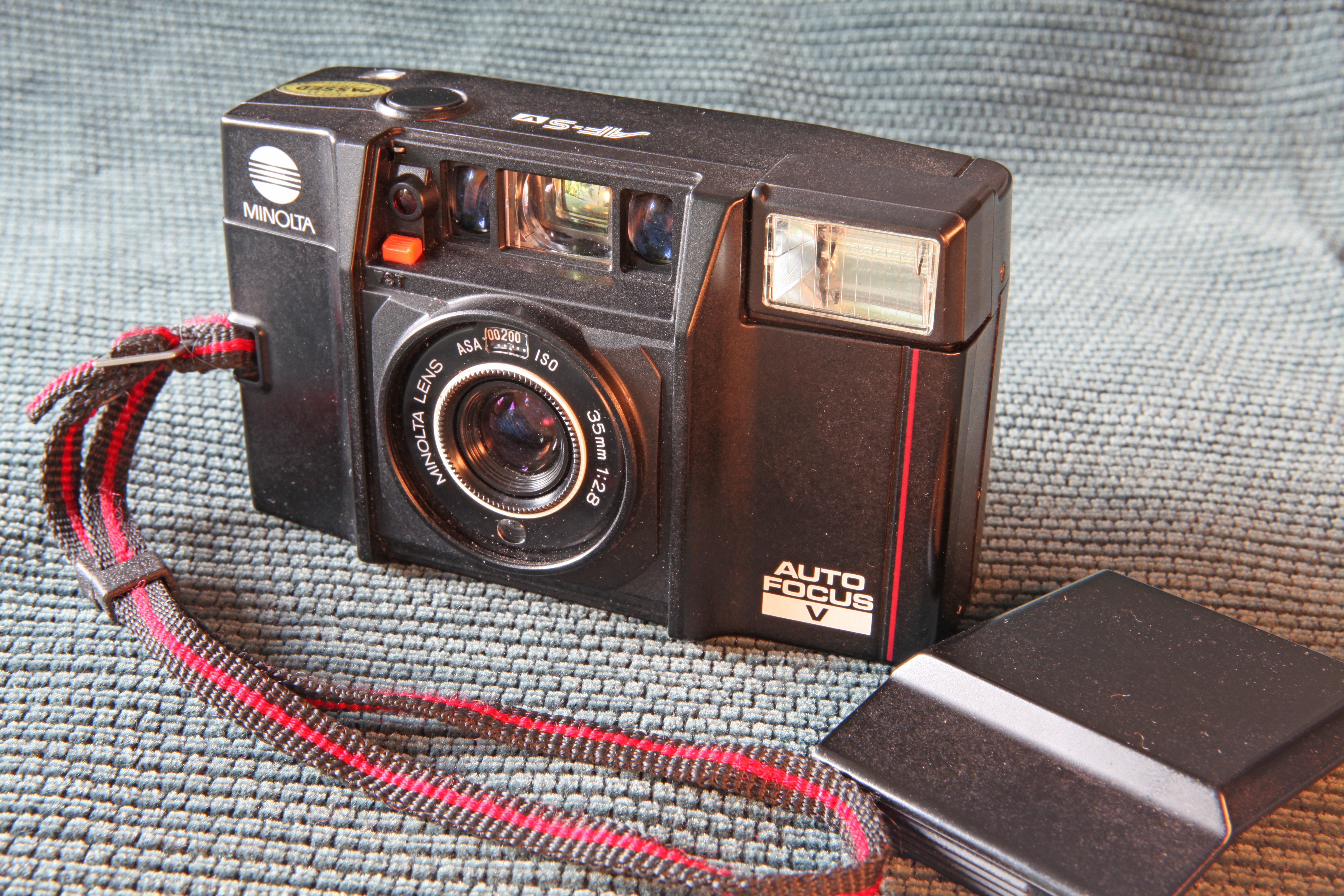
Minolta Talker
The camera that talks back — three spoken phrases coach your photography
 1984
1984
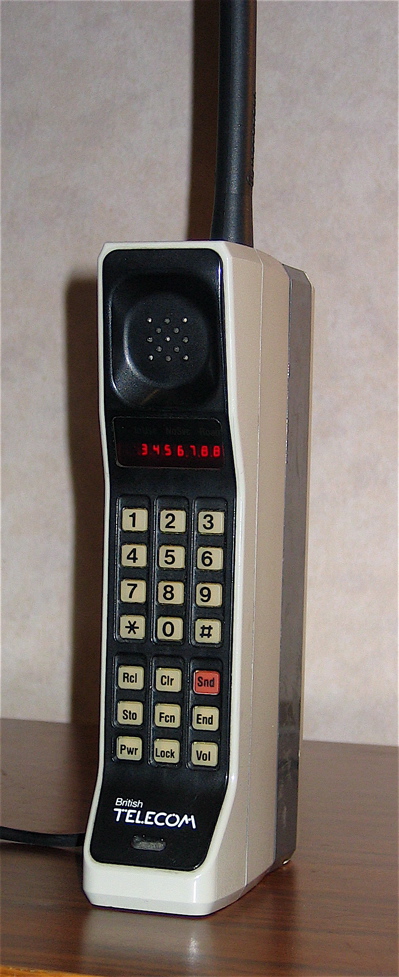
Motorola DynaTAC 8000X
The first handheld cell phone — the whole device is the handset, and every call is a dial-then-Send ritual
 1984
1984
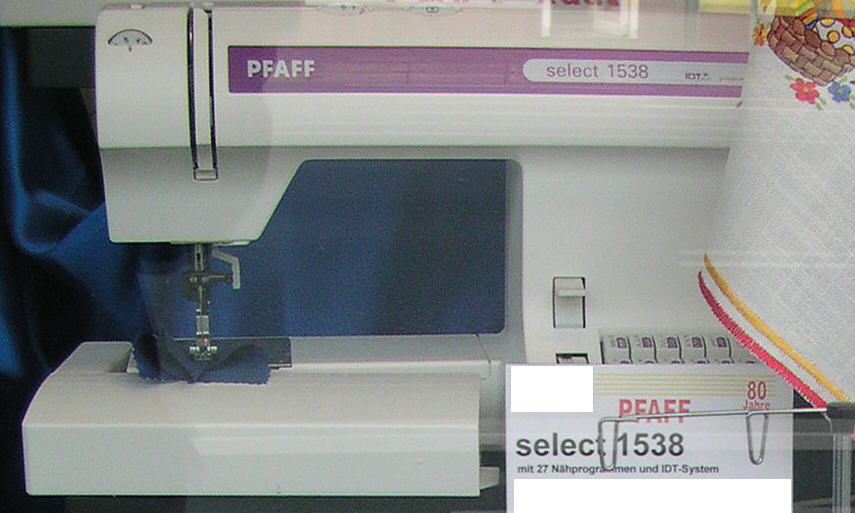
Pfaff Creative 1471
The first domestic computer that sewed — programmable stitches, an LCD, and a counting bug
 1984
1984
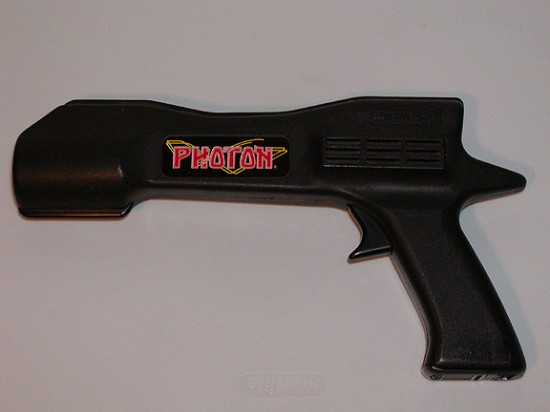
Photon
The Ultimate Game on Planet Earth — fifteen pounds of IR gear, and the whole body as interface
 1984
1984
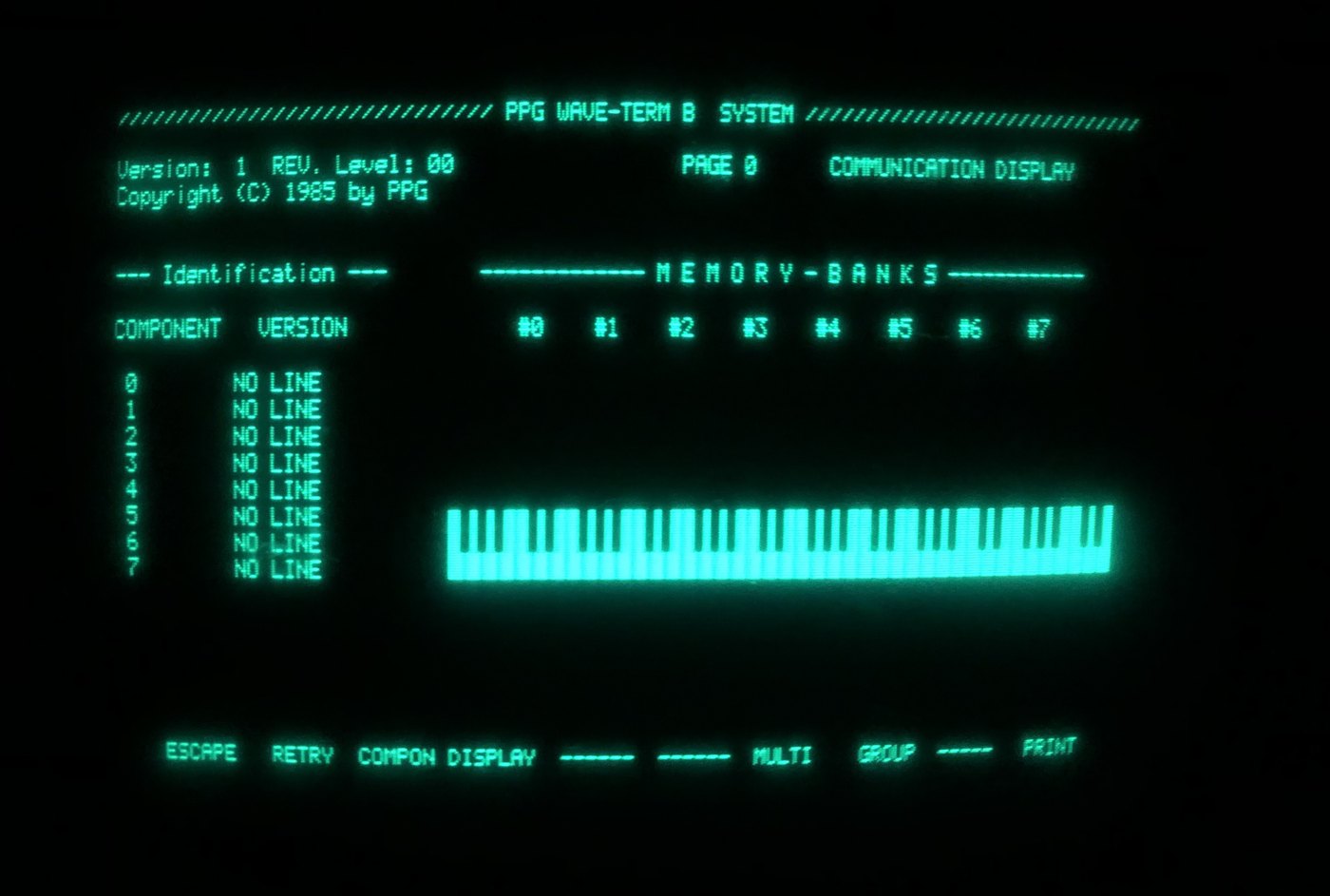
PPG Waveterm B
A standalone wave-computing workstation where you draw sound directly on a CRT with a light pen
 1984
1984
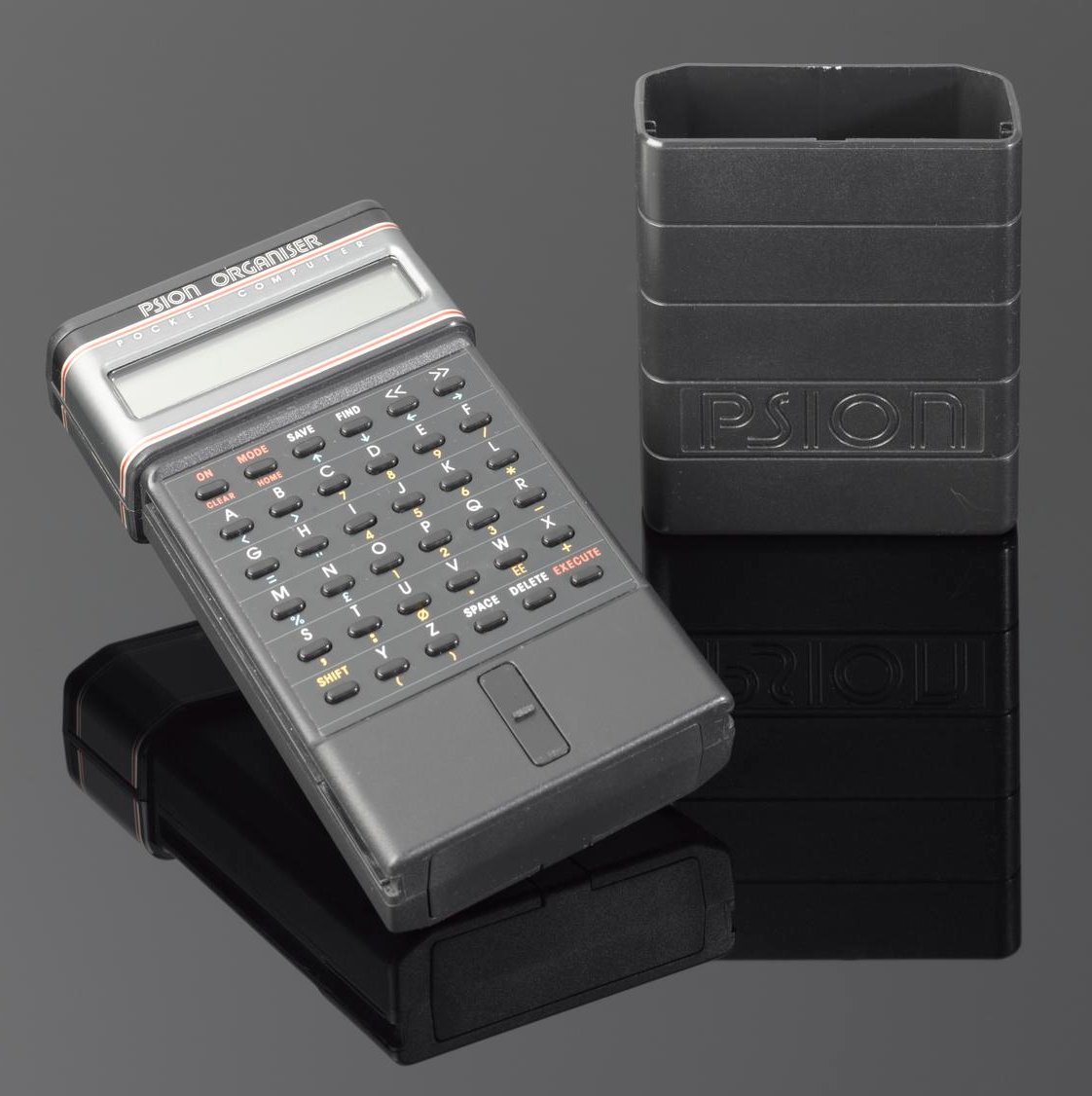
Psion Organiser I (1984)
Saving data meant zapping a write-once EPROM — and reusing it meant ultraviolet light
 1984
1984
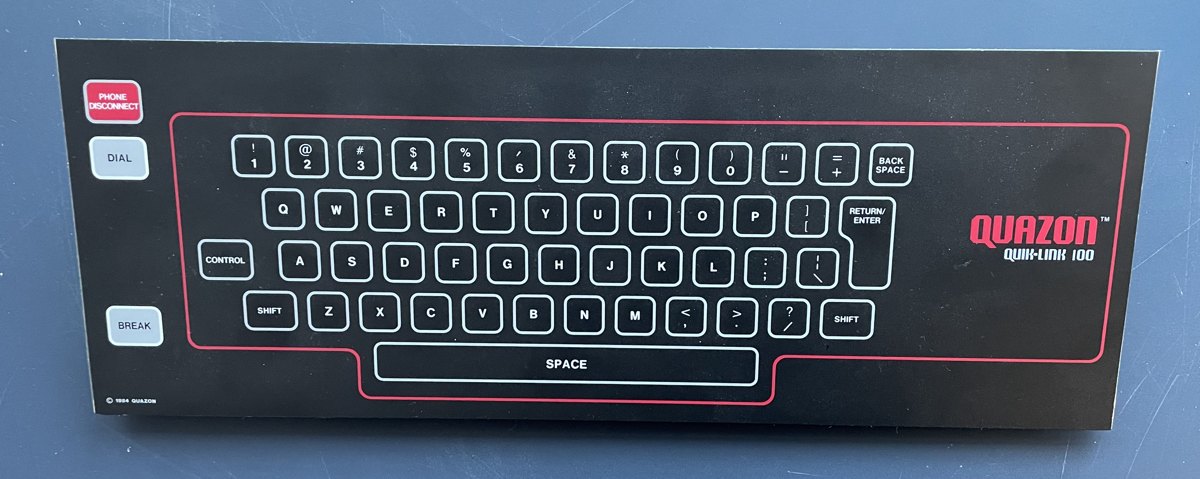
Quazon Quik-Link 100
A $199 information appliance that turns your TV into a computer terminal through a telephone jack
 c. 1984
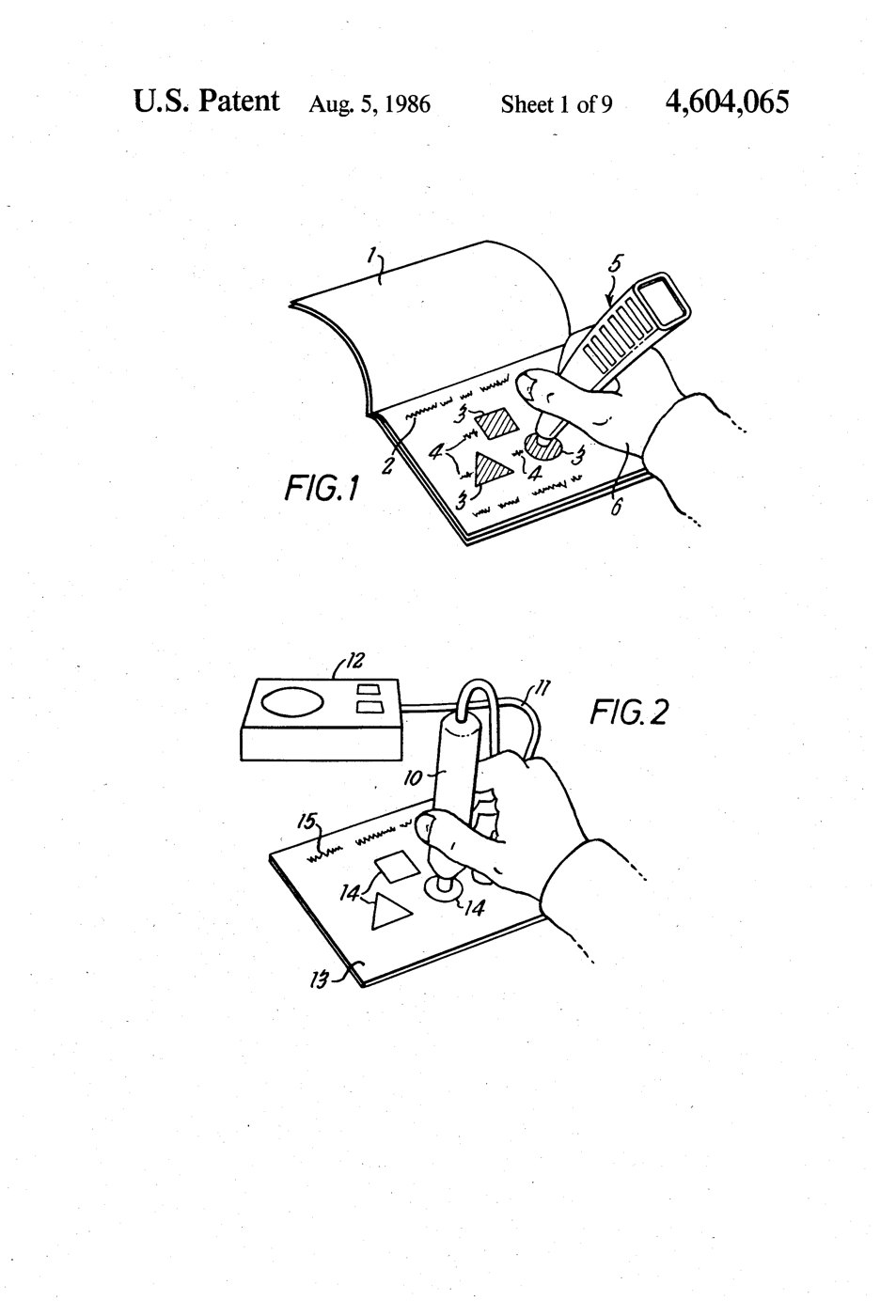
Questron Electronic Answer Wand
A wand that reads hidden infrared ink on a printed page and answers with three tones
 1984
1984
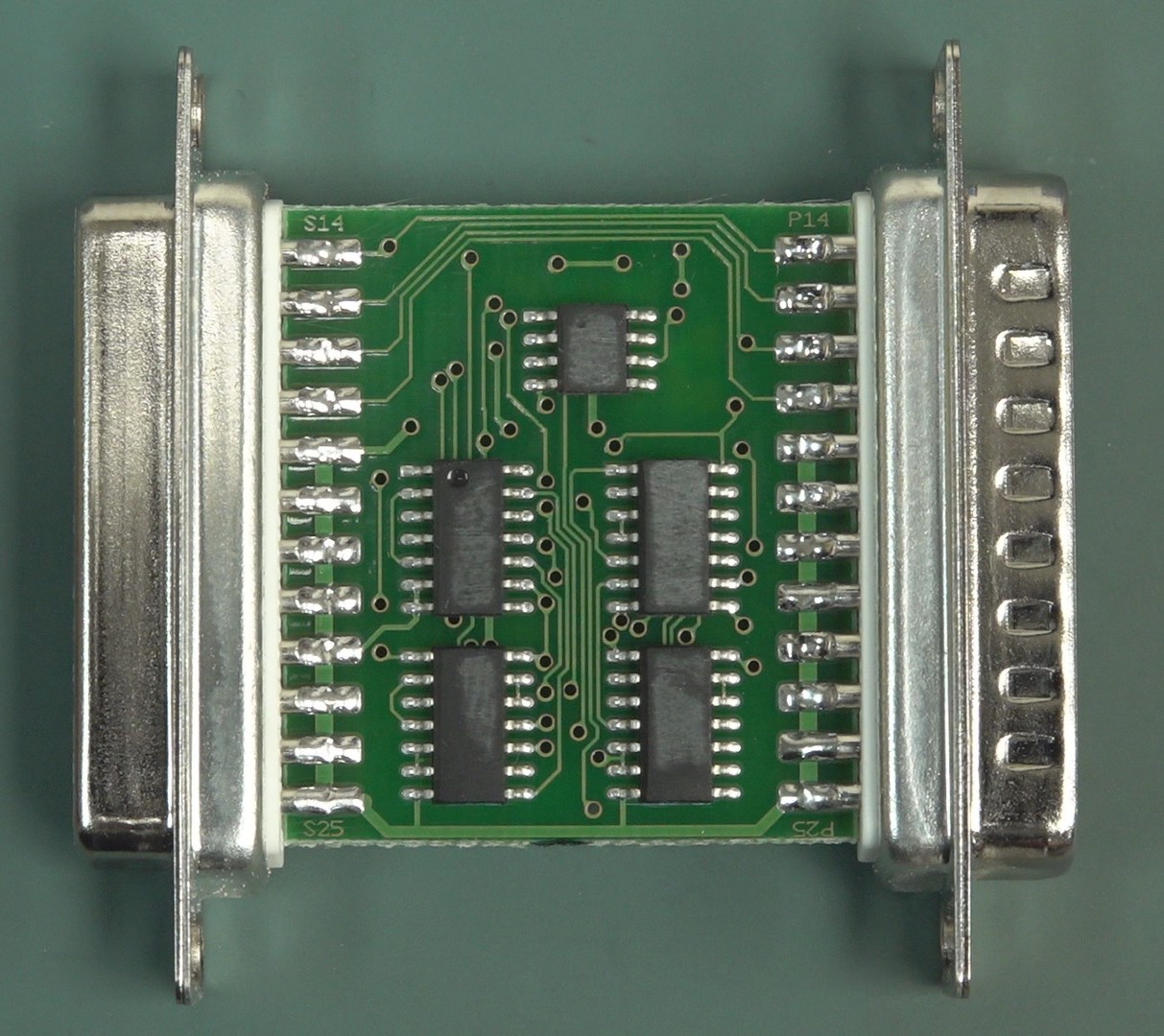
Rainbow Sentinel Dongle
When software came with a physical key you had to plug into your printer port
 1984
1984
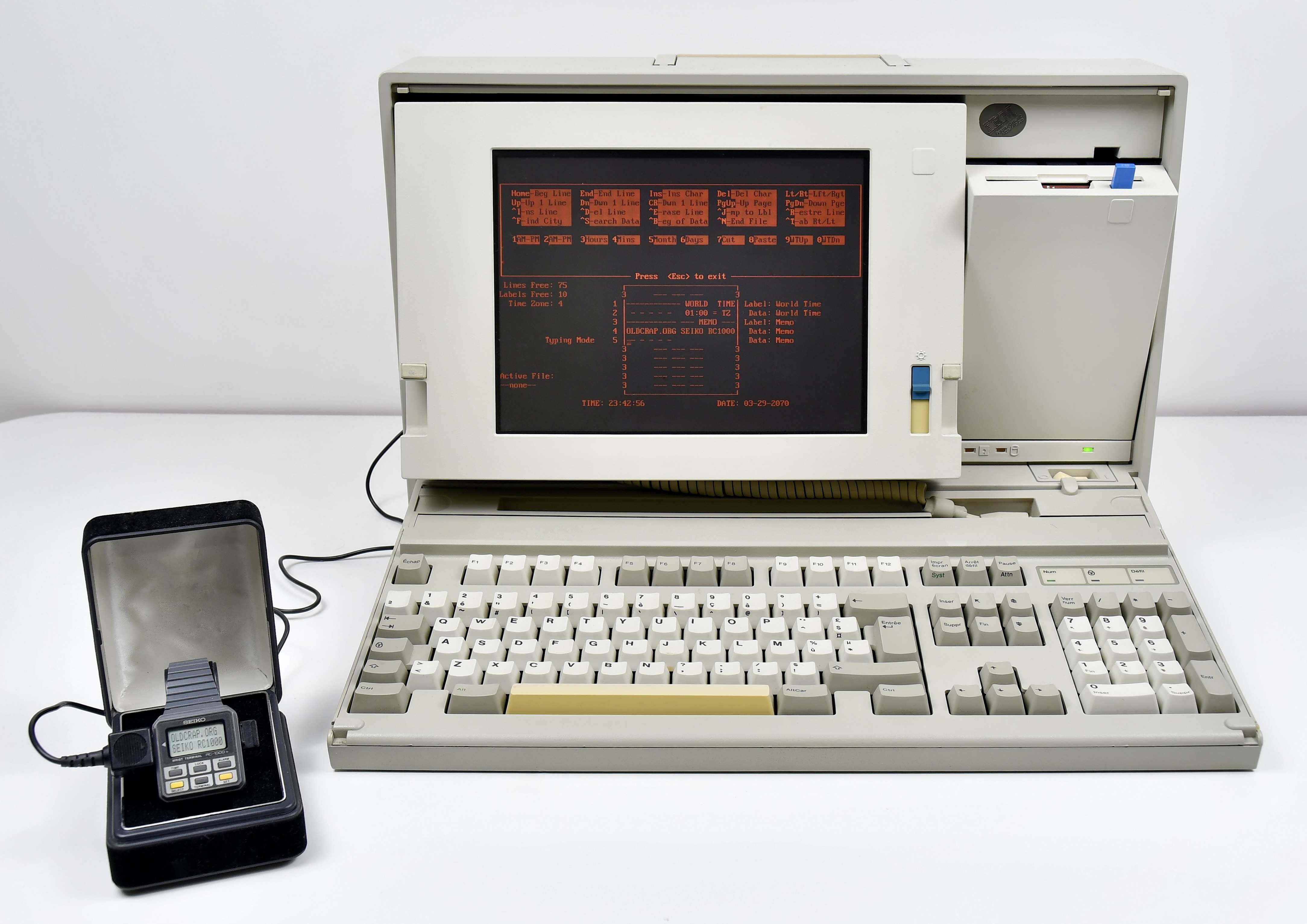
Seiko RC-1000 Wrist Terminal
A wristwatch that plugs into your desktop computer — the first wrist-worn computer terminal, a decade ahead of its time
 1984
1984
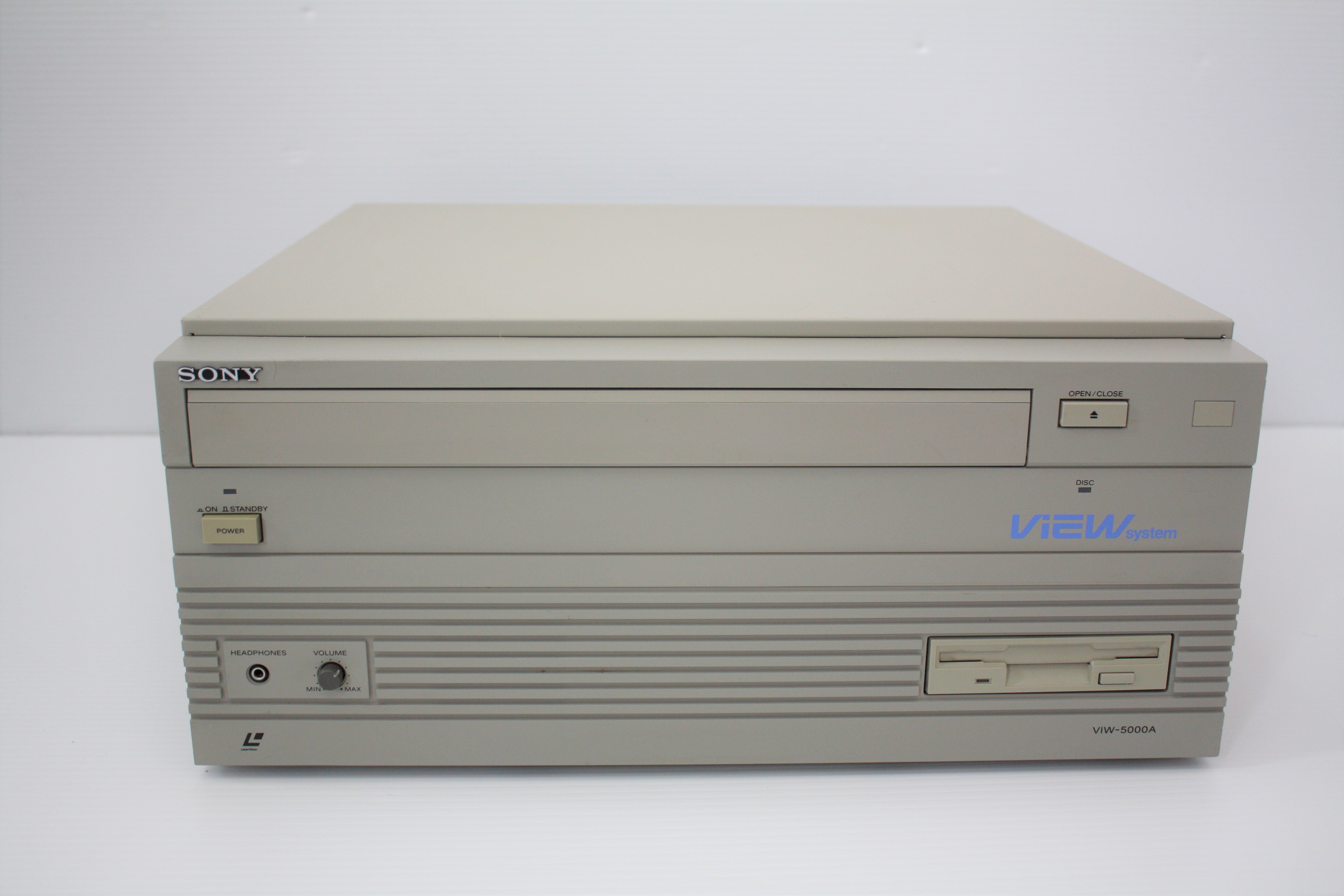
Sony VIEW System
A PC with a laserdisc for a hard drive
 1984
1984
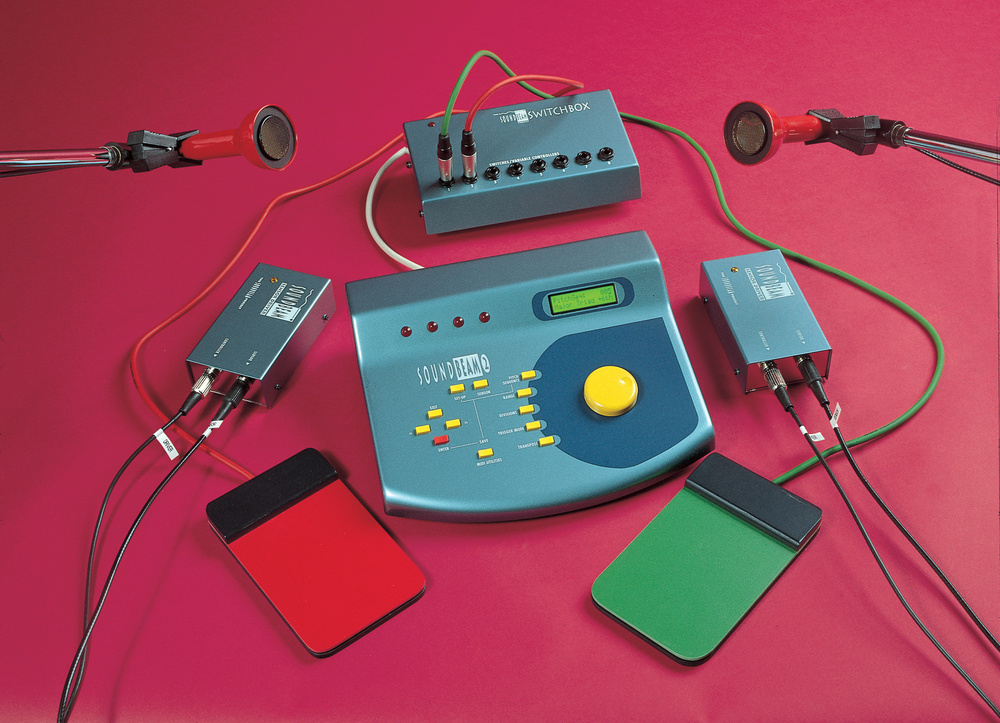
Soundbeam
The invisible keyboard in space — ultrasonic sonar that turned body movement into music, then accidentally revolutionized disability music therapy
 1984
1984
Synapse Relax Stress Reduction System
A video-game company built the first FDA-cleared biofeedback peripheral for home computers—and it almost worked
 1984
1984
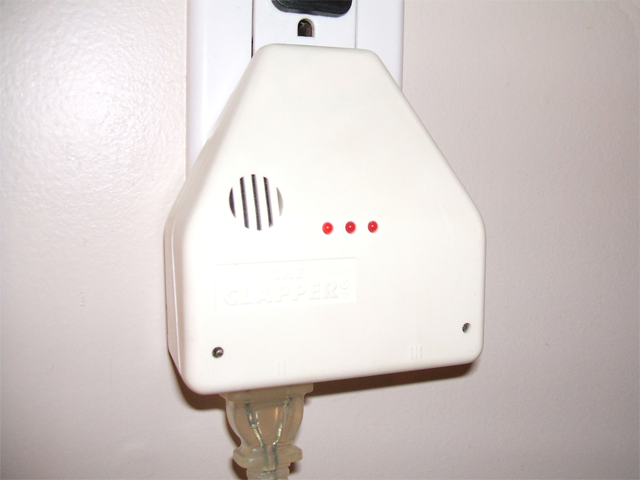
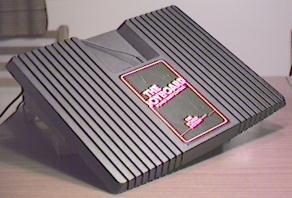
The Clapper
Clap on, clap off — two sharp handclaps as a consumer gesture command, a decade before Kinect
 1984
1984
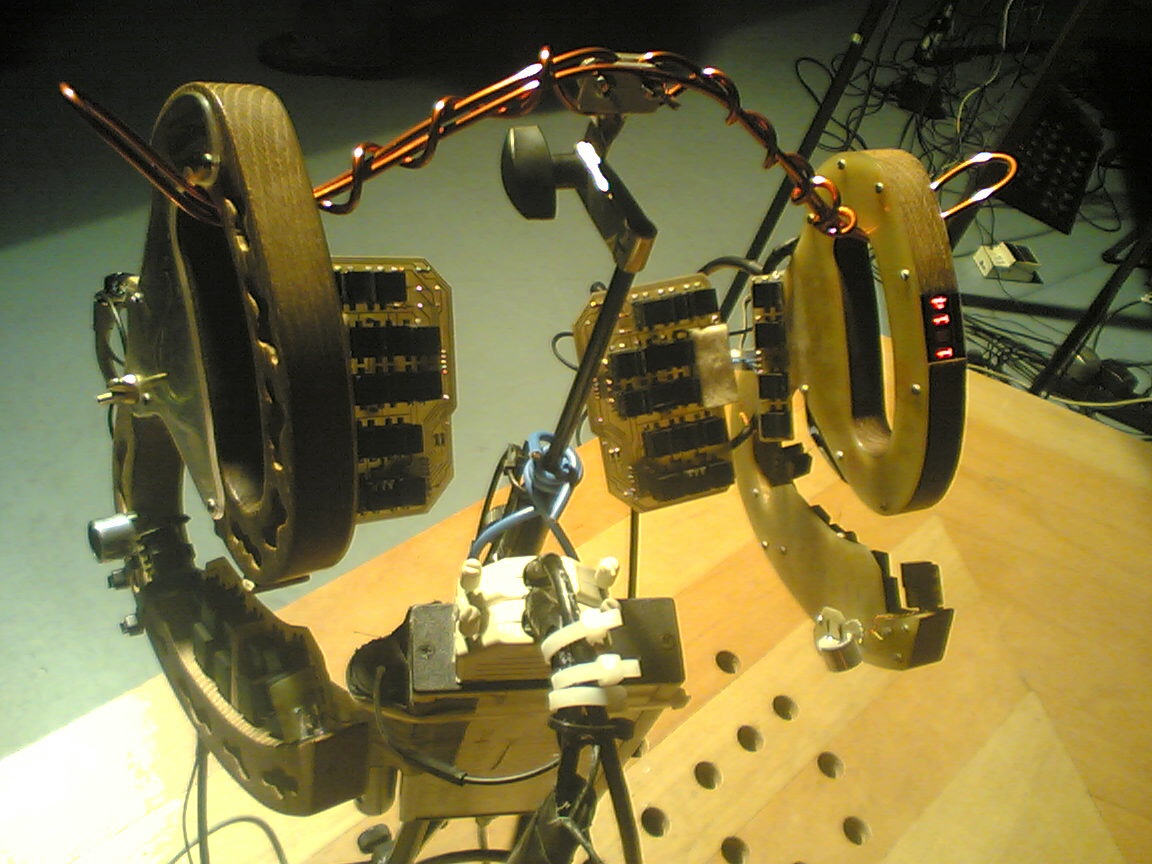
The Hands
Michel Waisvisz's hand-worn gestural MIDI controller — wooden frames, tilt sensors, and ultrasound
 1984
1984
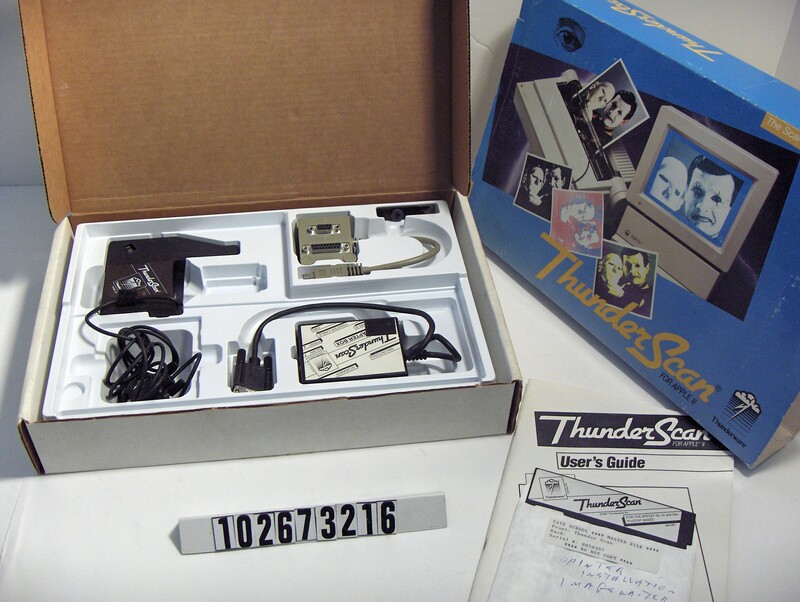
ThunderScan
Swap out your printer's ribbon and the printer becomes a scanner
 1984
1984
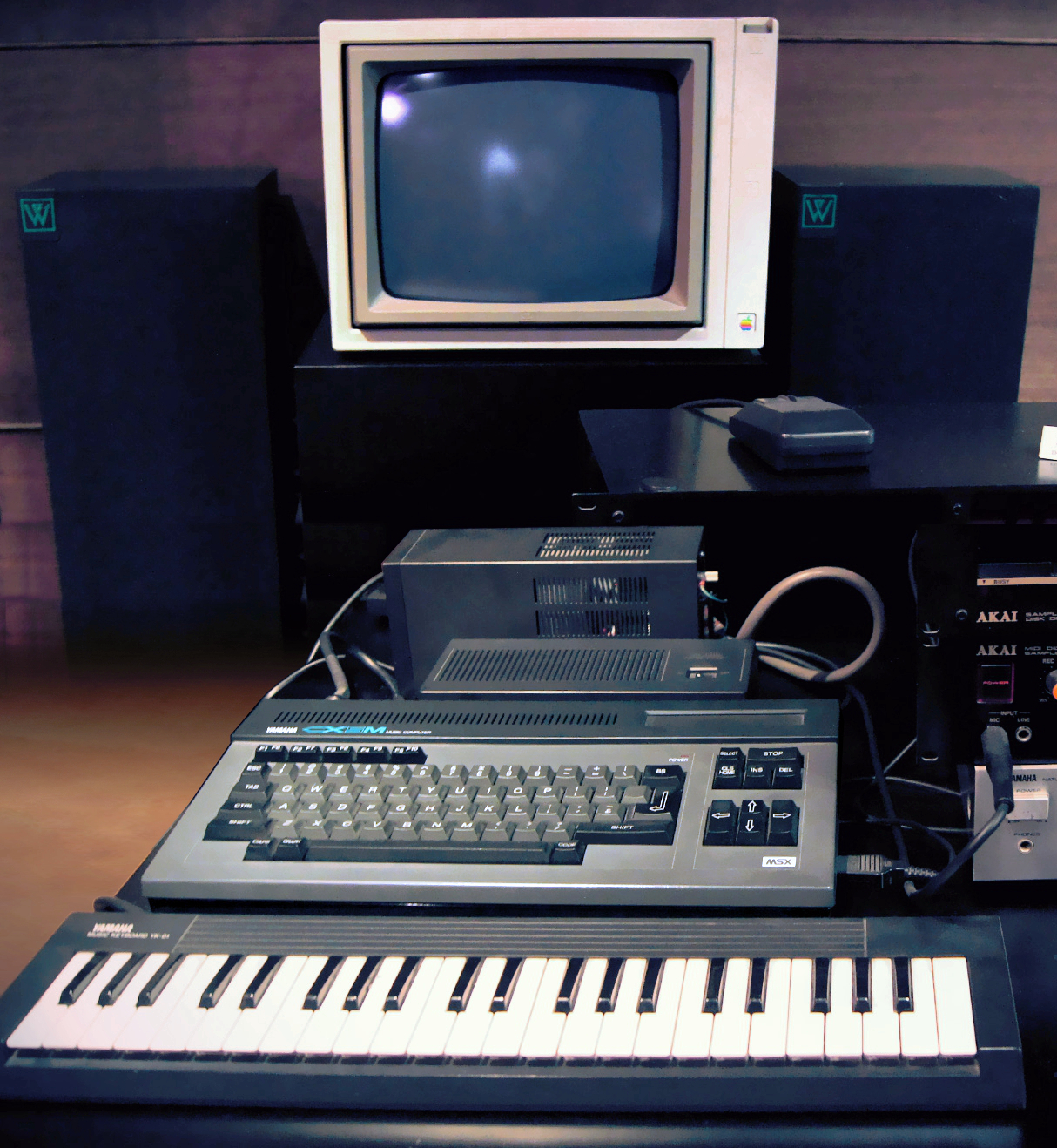
Yamaha CX5M Music Computer
The whole computer is a synthesizer — an MSX machine sold in music stores, played by typing
 1983
1983
Amiga Joyboard
The world's first home-console balance board — a foot-operated Atari 2600 controller that gave us the 'Guru Meditation' error screen.
 1983
1983
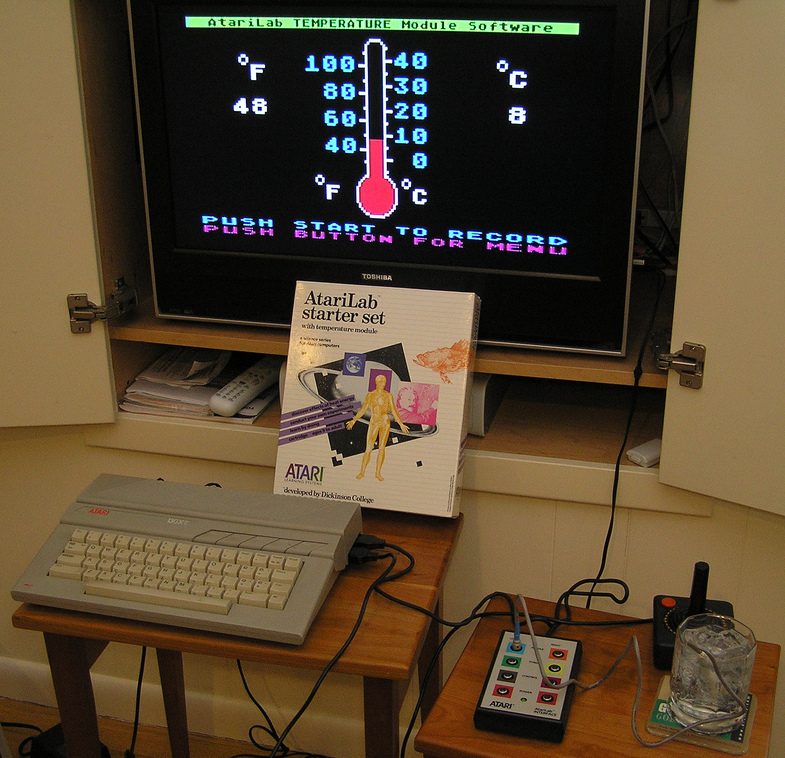
AtariLab
The home computer became a scientific instrument when a physics professor plugged a thermistor into the joystick port.
 1983
1983
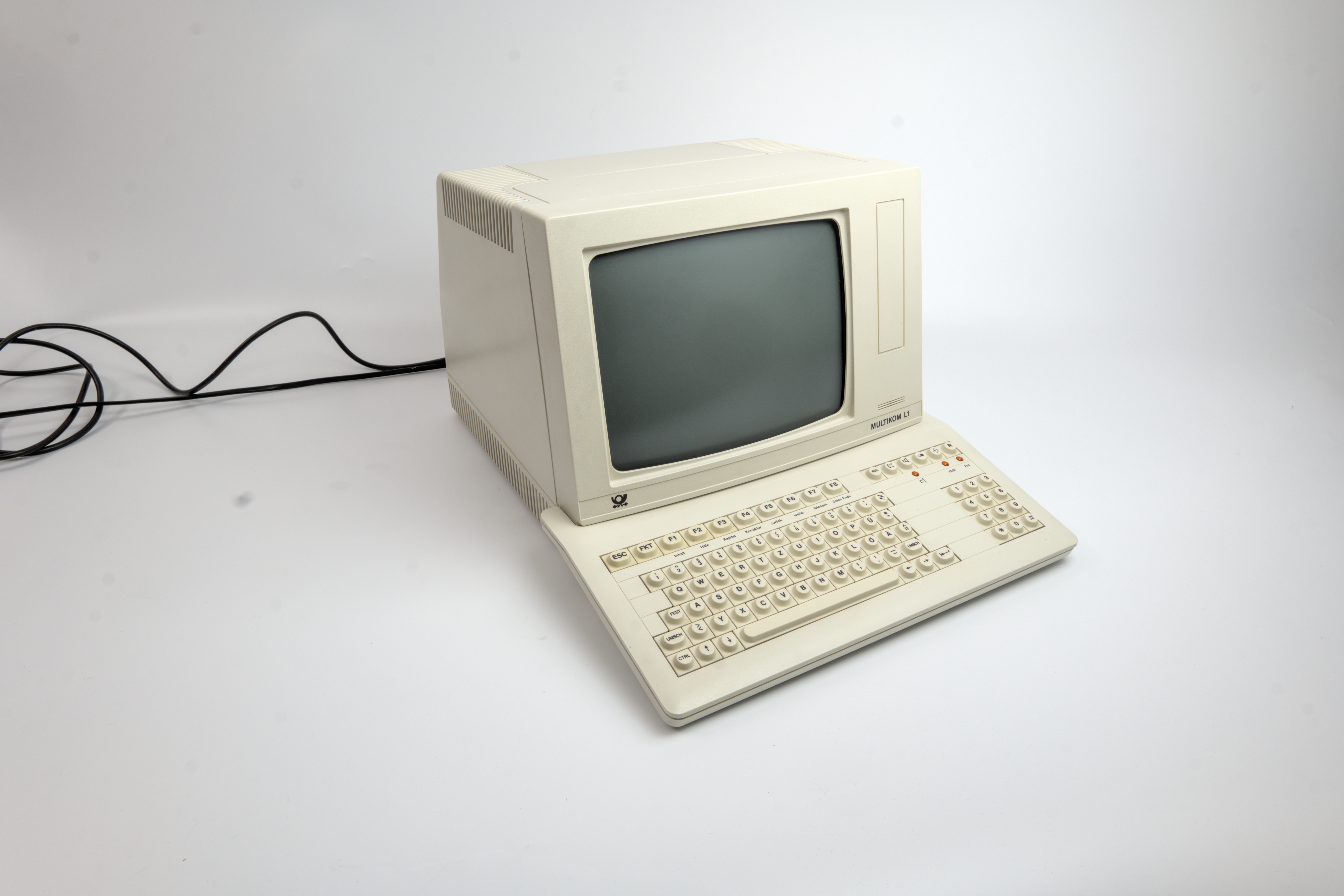
Bildschirmtext (BTX) Terminal
The pay-per-page videotex terminal: every screenful cost money, and the chip-card reader was the meter
 1983
1983
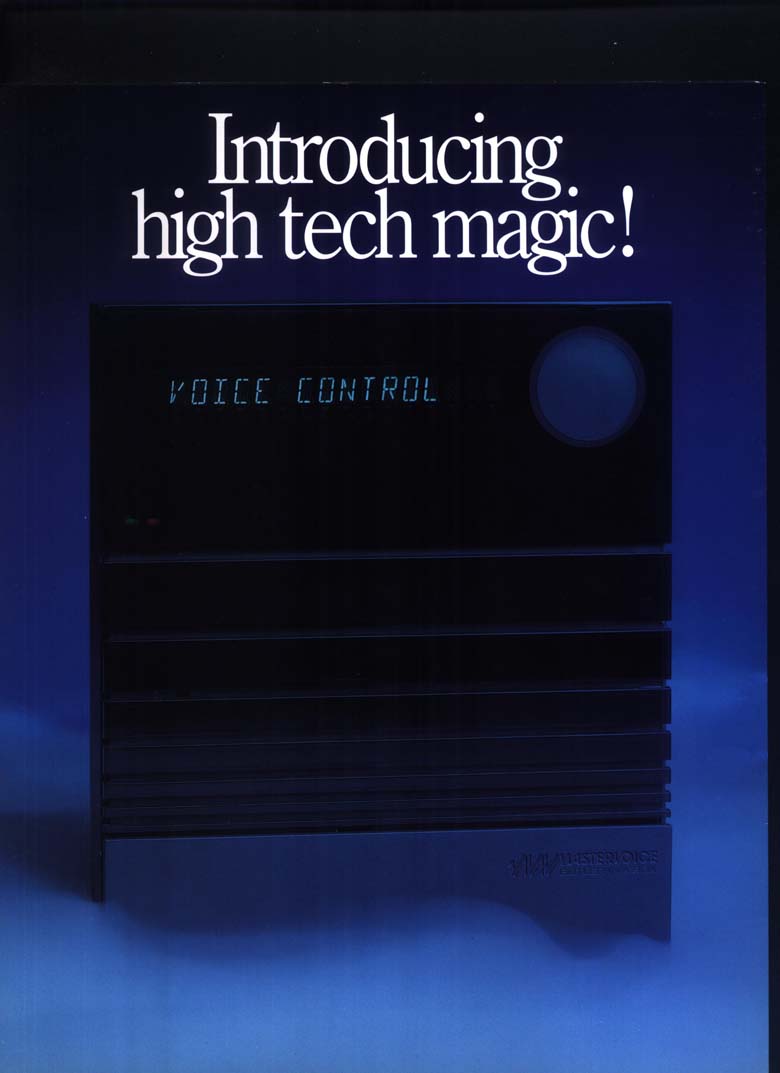
Butler in a Box
The first voice-controlled home automation system, responding 'Yes, boss' 30 years before Alexa — built by a magician and an ex-IBM programmer.
 1983
1983
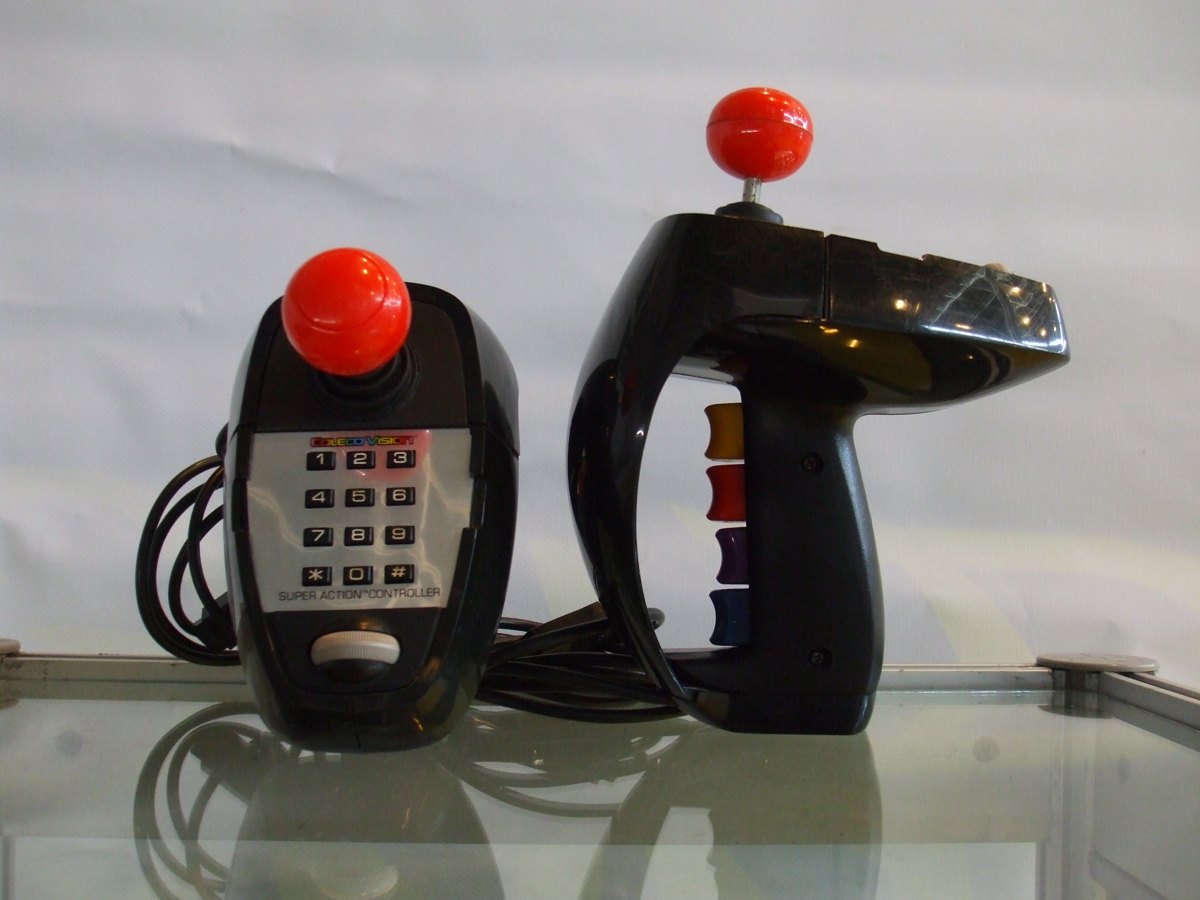
Coleco Super Action Controller
A game controller with a thumb-spun analog 'speed roller' — continuous proportional input amid a sea of digital switches
 1983
1983
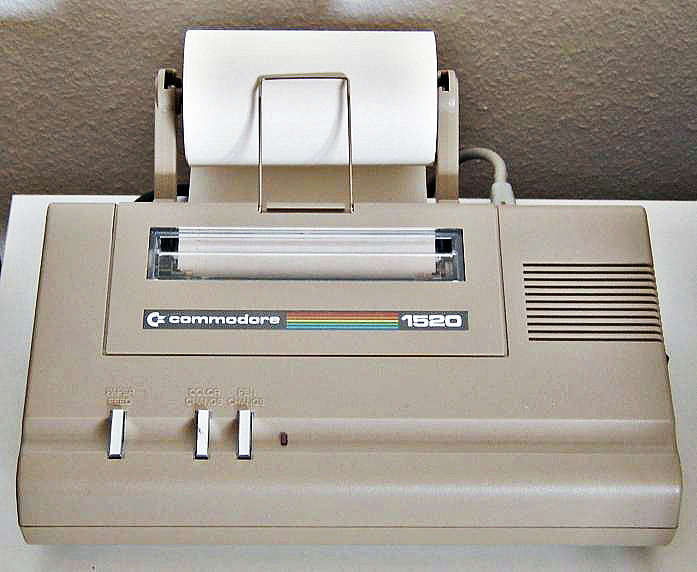
Commodore 1520 / Atari 1020
A miniature four-color mechanical drawing machine that made physical output a spectacle
 1983
1983
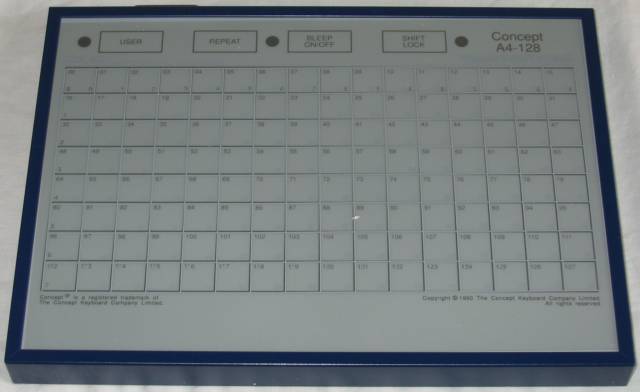
Concept Keyboard / Star Microterminals A4-128
A paper-overlay touch panel that let non-readers and motor-impaired children control a computer
 1983
1983
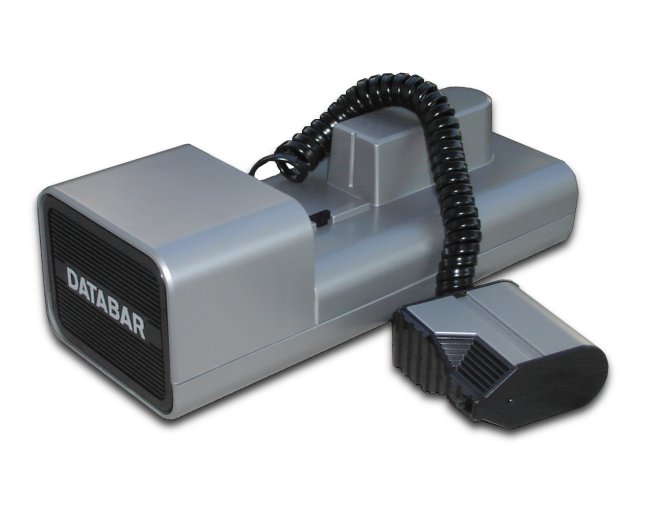
Databar OSCAR
Load BASIC programs by swiping a wand over magazine barcodes until it beeps
 1983
1983
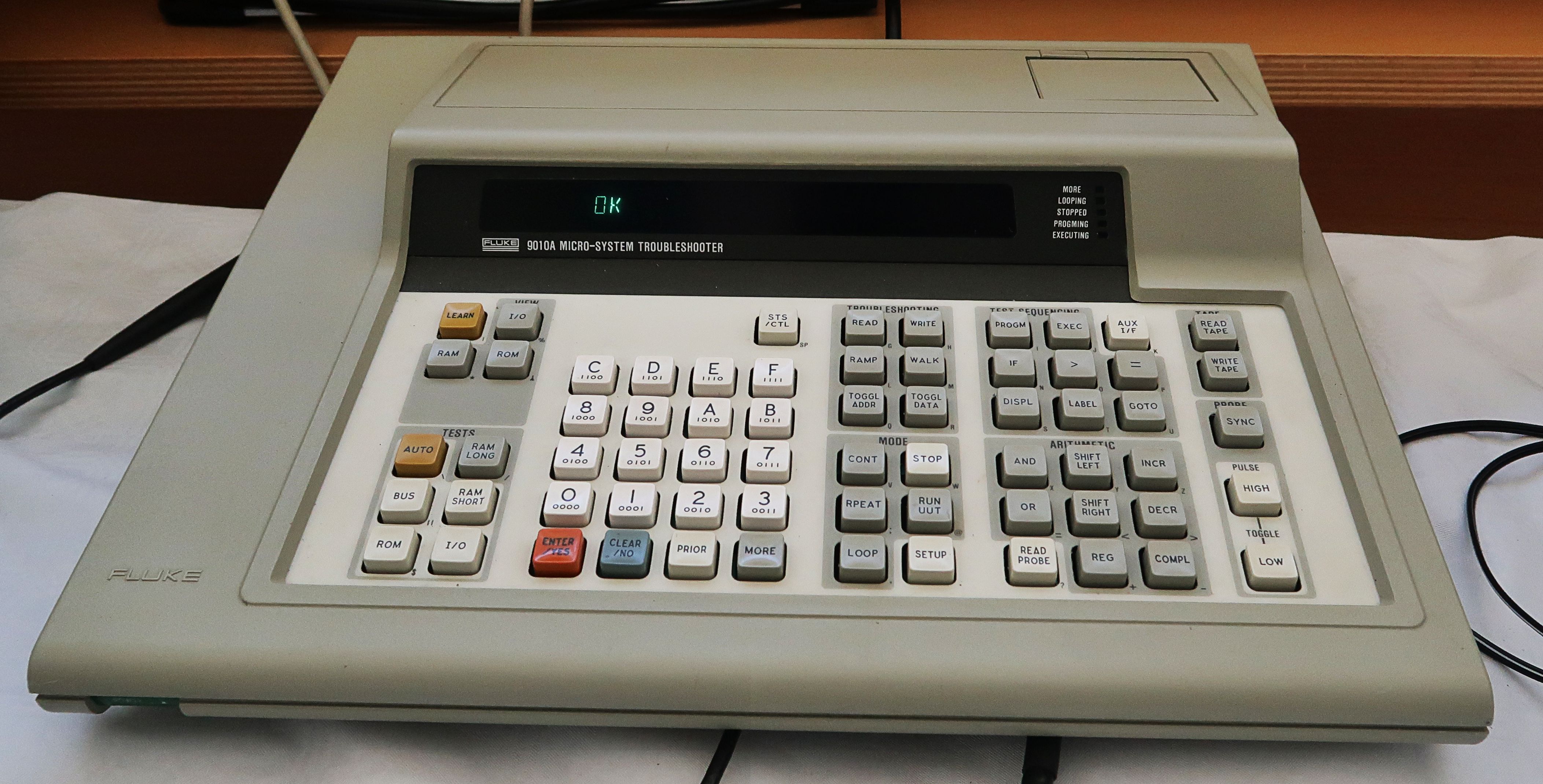
EyeTyper
The first camera-based eye-typing device: look to type, dwell to select
 1983
1983
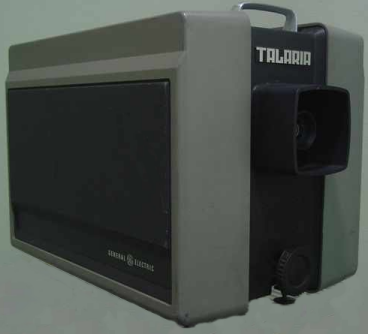
Fluke 9010A Micro-System Troubleshooter
The repair tool you plug into a dead computer's brain socket
 1983
1983
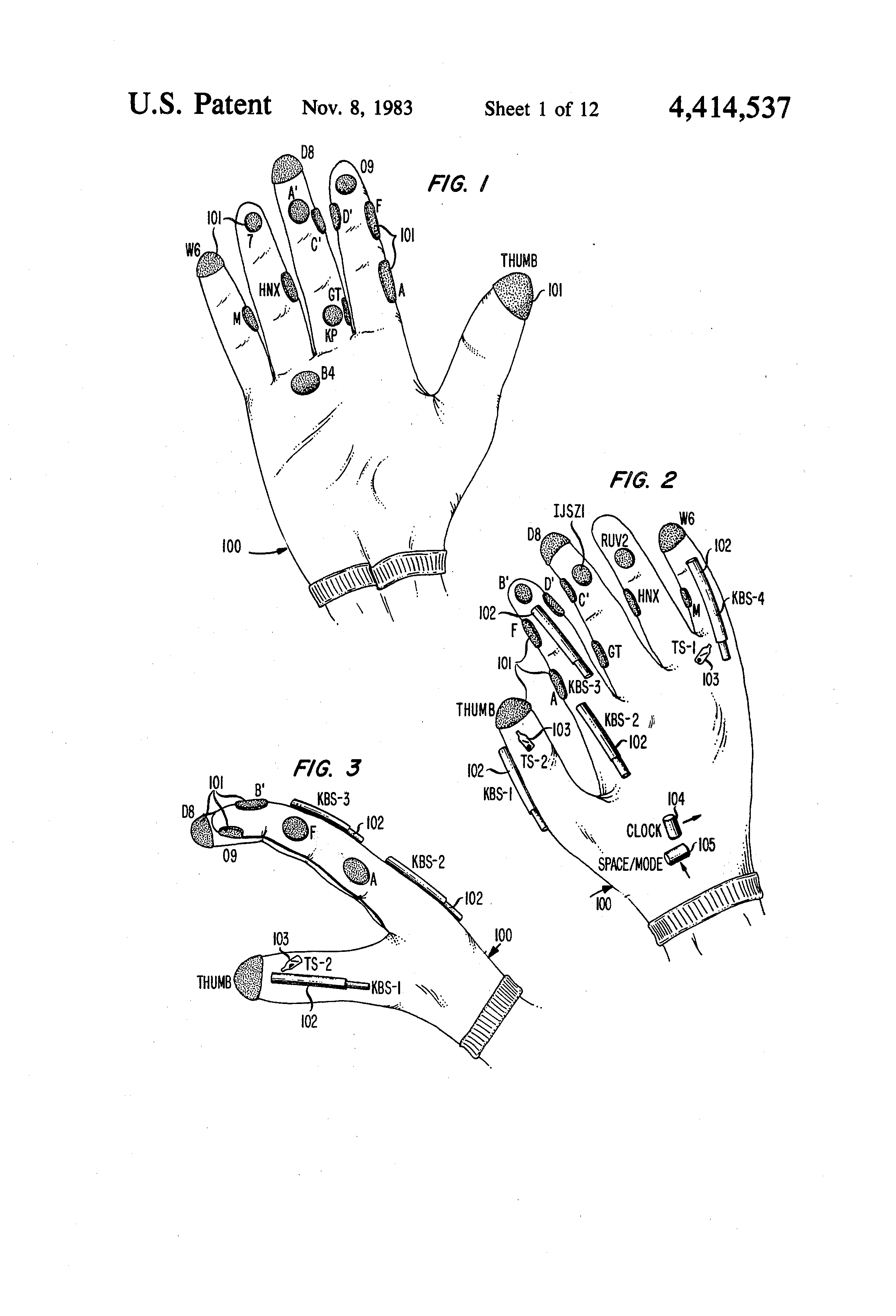
GE Talaria Light-Valve Video Projector
A full video image sculpted by electrons into a spinning film of oil, read by light bent into a shadow
 1983
1983
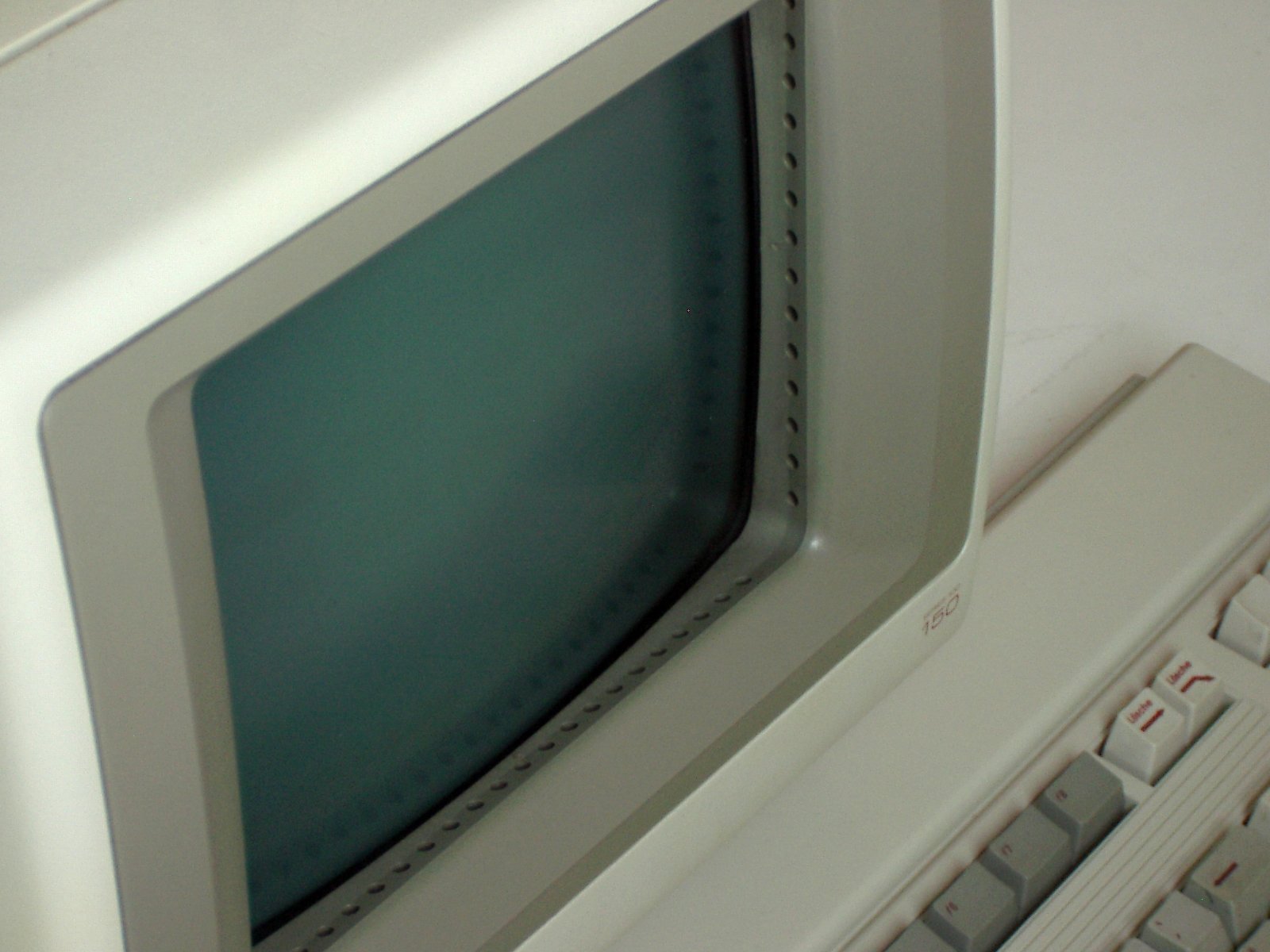
Grimes Digital Data Entry Glove
A chorded keyboard you wear — type by touching your fingers together
 1983
1983
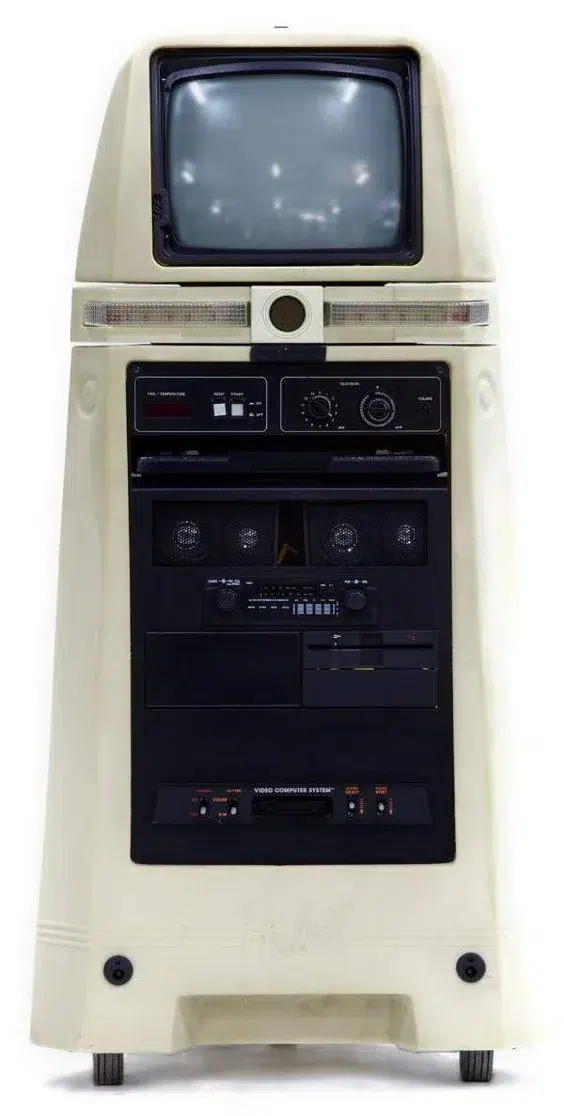
HP-150 Touchscreen
CRT monitor with infrared touch overlay for office PCs.
 c.1983
Hubot
The butler robot with an Atari inside
 1983
1983
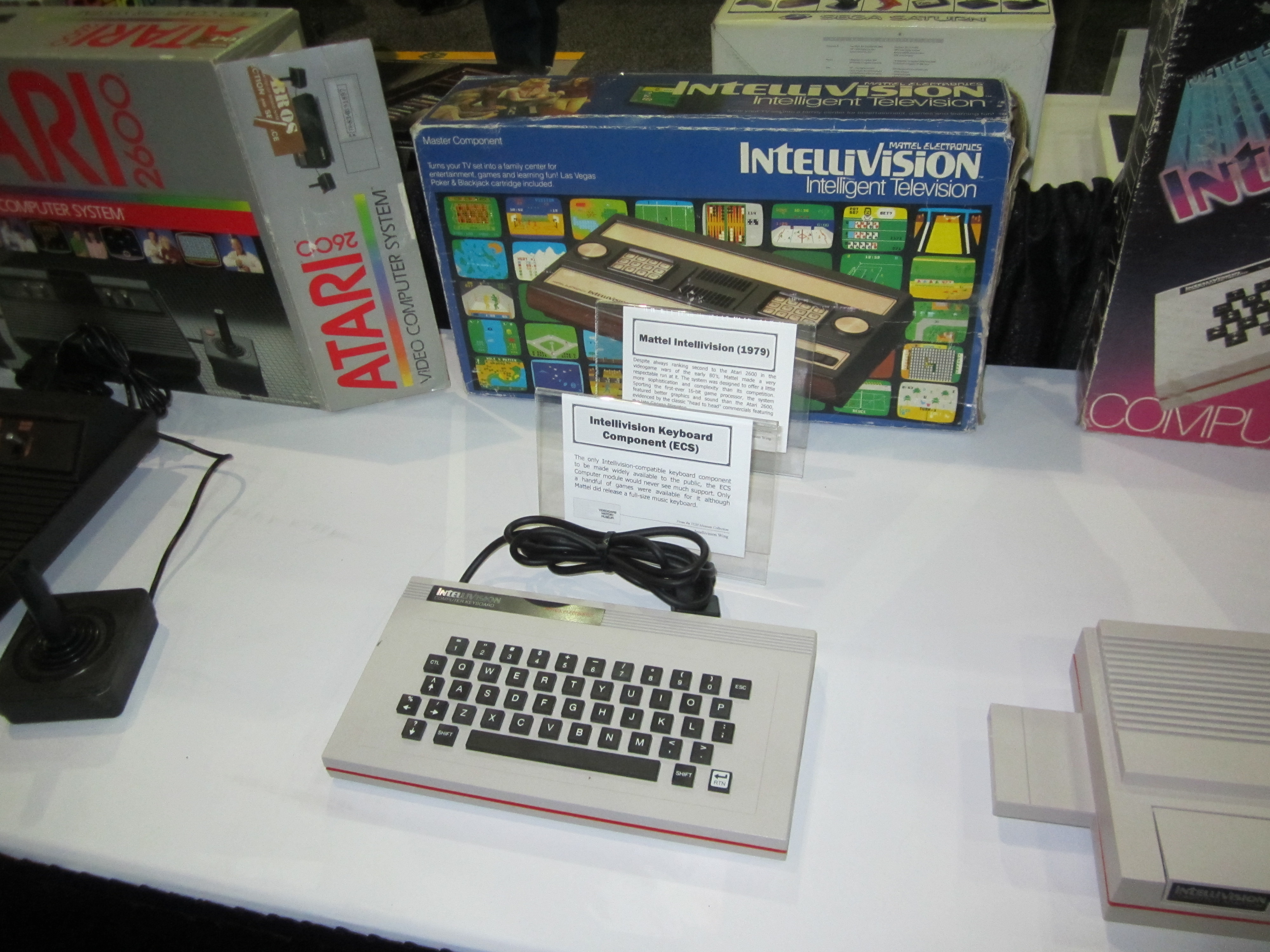
Mattel Intellivision Keyboard Component
The toy console that sprouted a typewriter, a tape drive, and a second brain
 1983
1983
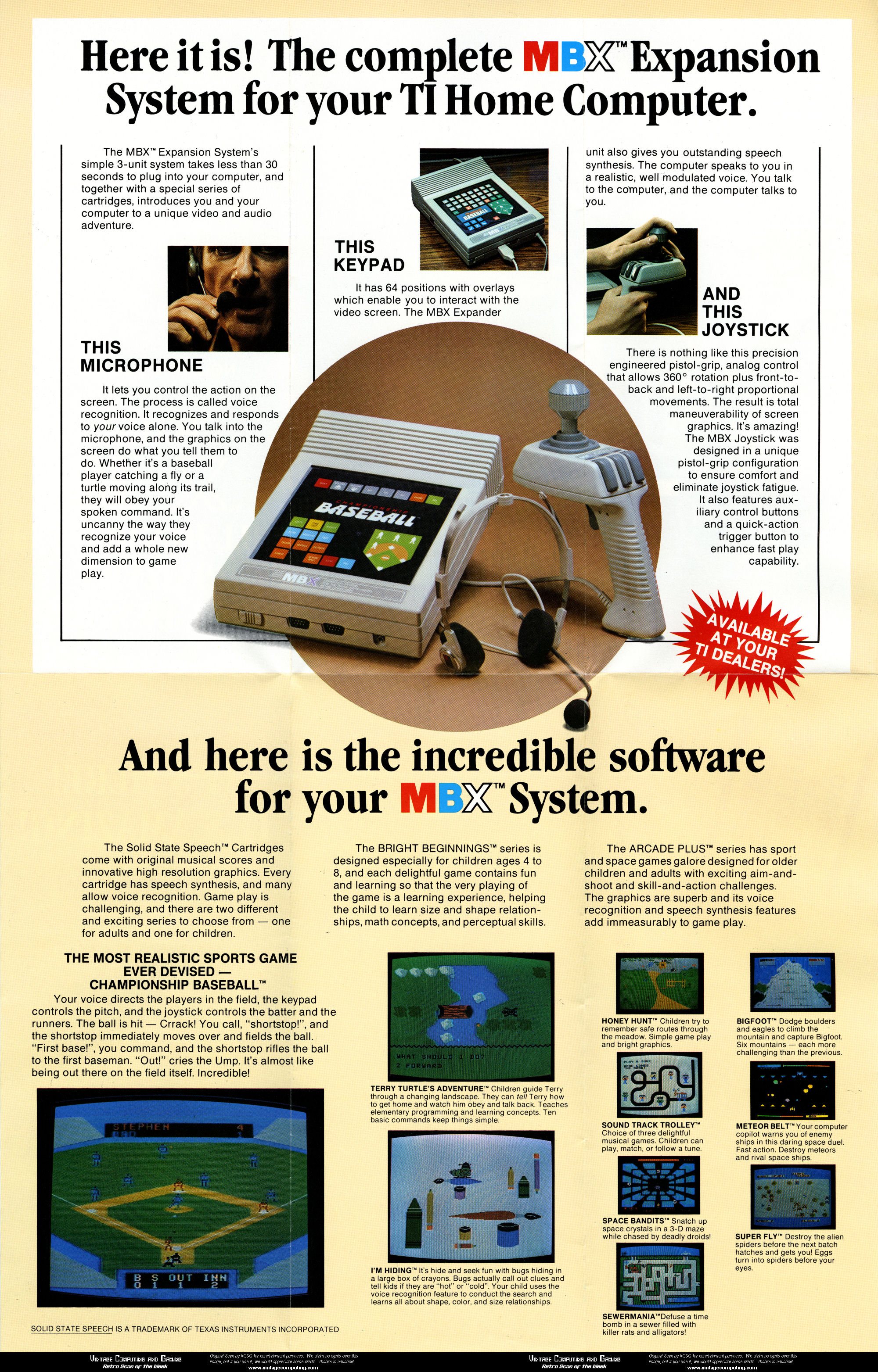
MBX Expansion System
Consumer voice-recognition gaming peripheral that trained on your voice, then let you shout commands at the screen.
 1983
1983
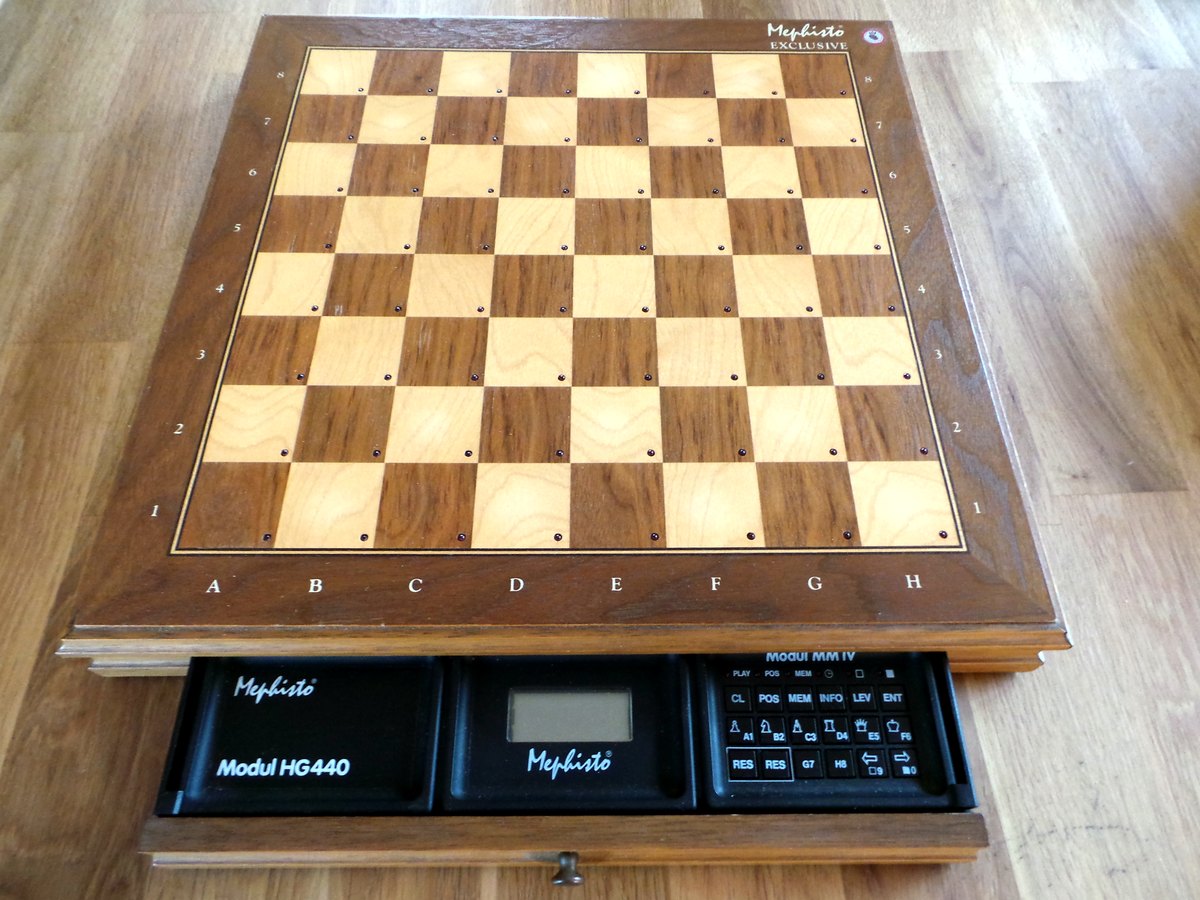
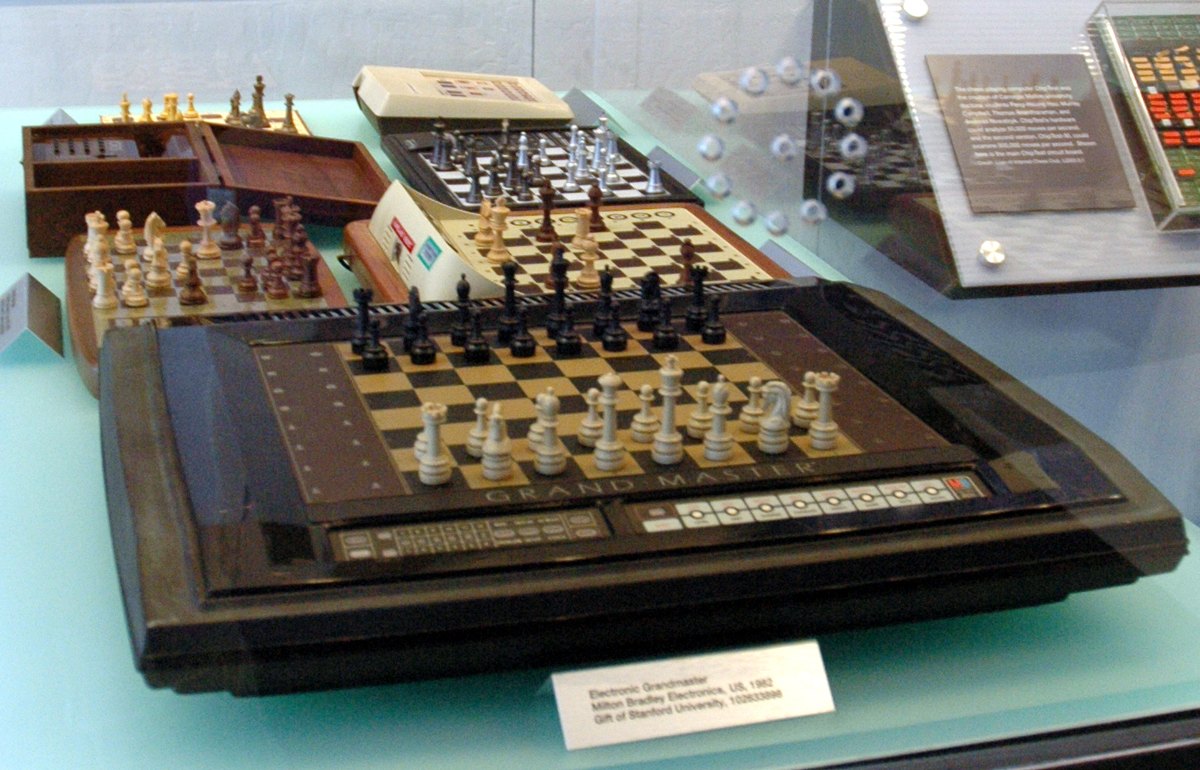
Mephisto Modular Autosensory Chess Board
A durable pressure-sensing chess board onto which you snap swappable processors — the physical interface outlives the computation
 1983
1983
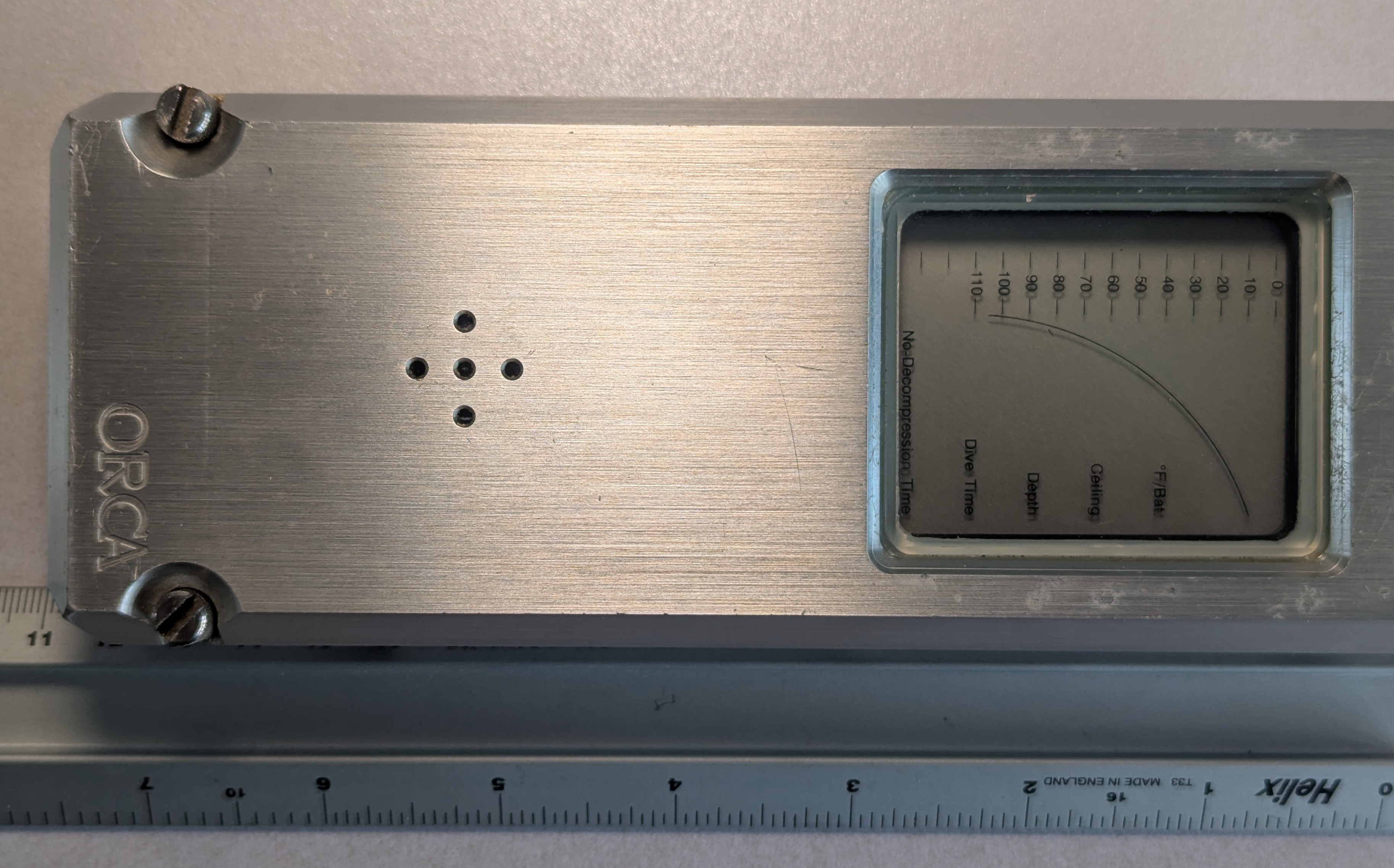
Milton Bradley Grandmaster (Phantom / Milton)
A robot chess computer whose invisible under-board X-Y plotter lifts magnetic pieces and moves them 'by magic'
 1983
1983
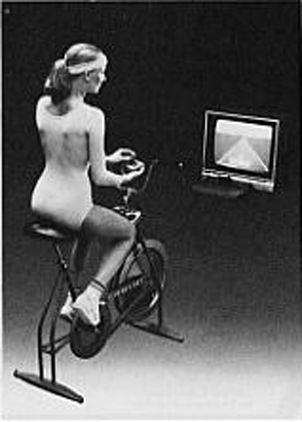
Orca Edge Dive Computer (1983)
A wrist-worn decompression computer that renders your body's nitrogen uptake as 12 abstract 'tissue' bar graphs
 1983
1983
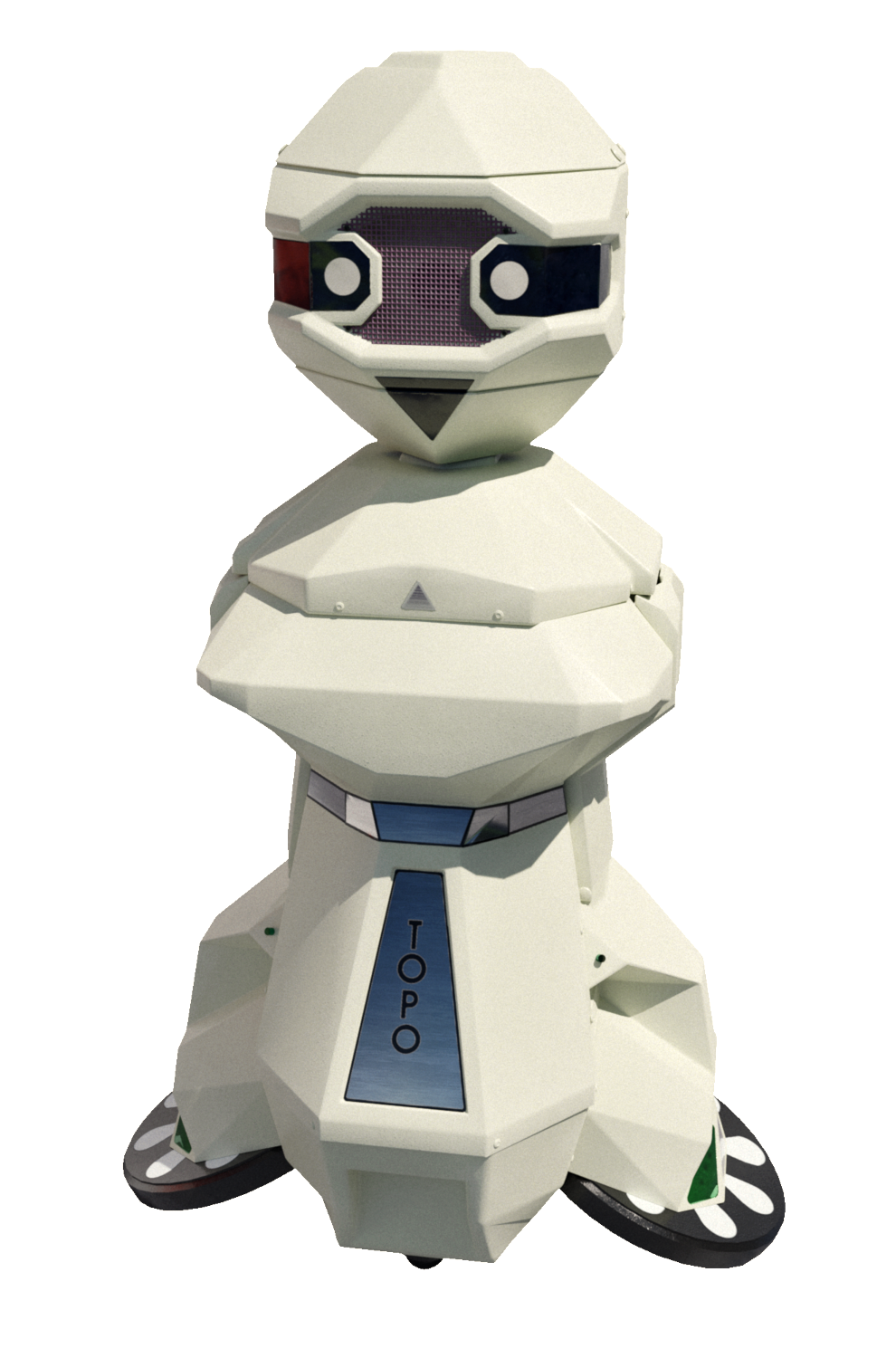
Suncom Aerobics Joystick
An exercise bike adapter for the Atari 2600 that translated pedaling speed into proportional game input — cardiovascular exergaming, 35 years before Peloton
 1983
1983
Topo
Nolan Bushnell's 36-inch programmable floor robot — code made physical
 1983
1983
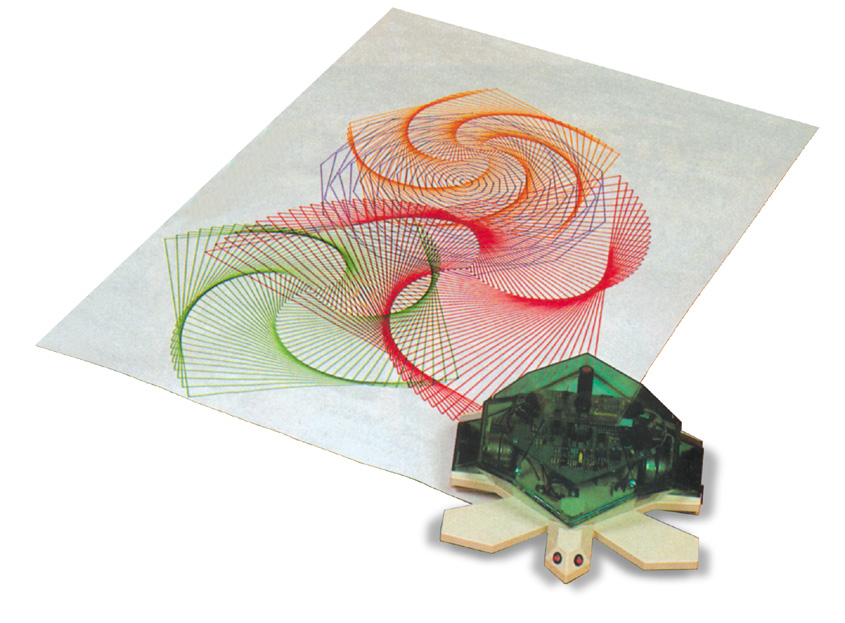
Valiant Turtle / Valiant Logo Turtle
A floor-roving infrared-controlled robot that made Logo programs physically visible
 1983
1983
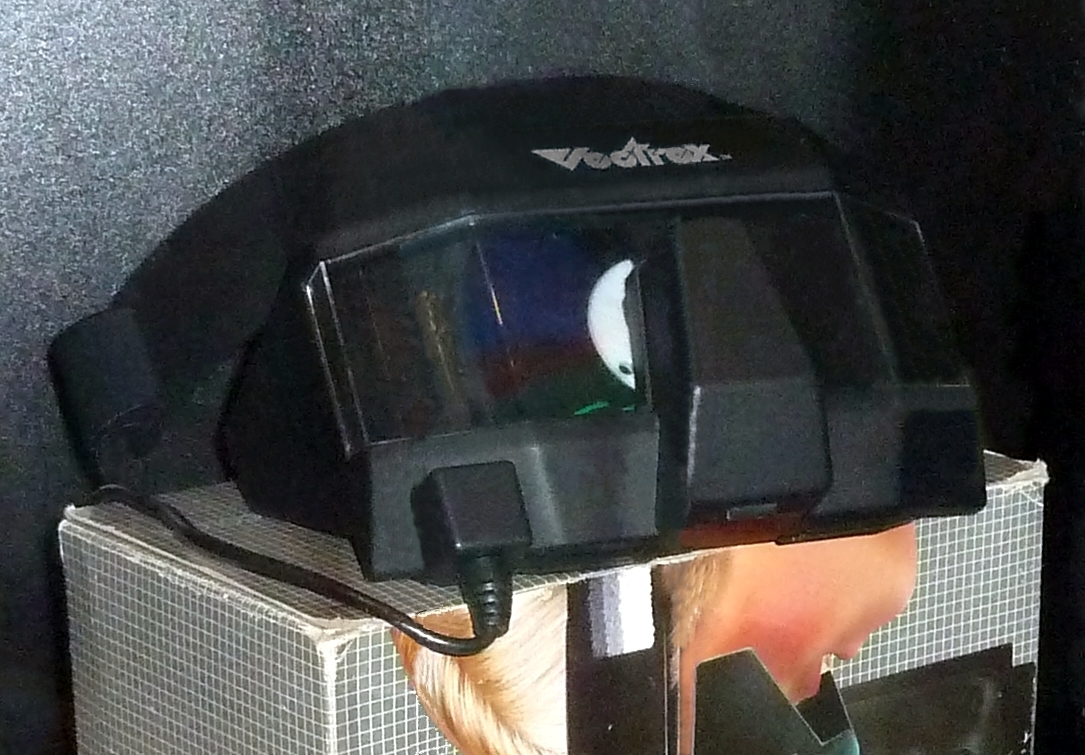
Vectrex 3D Imager
Color 3D from a black-and-white screen — using a motorized spinning filter disk strapped to your face
 1983
1983
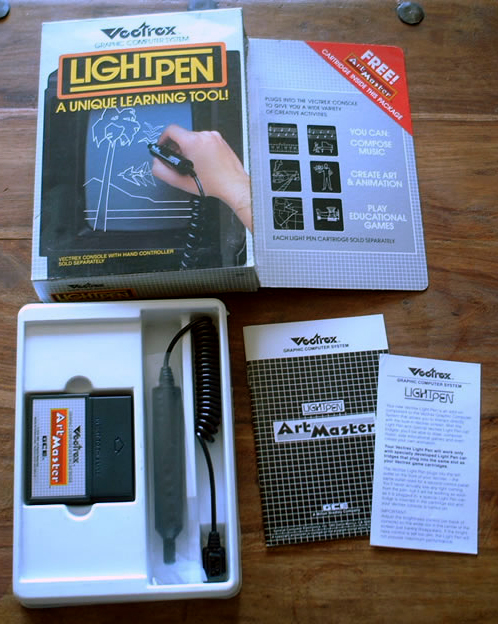
Vectrex Light Pen
The light pen that shouldn't have worked — a bullseye-tracking hack on a vector display
 1982
1982
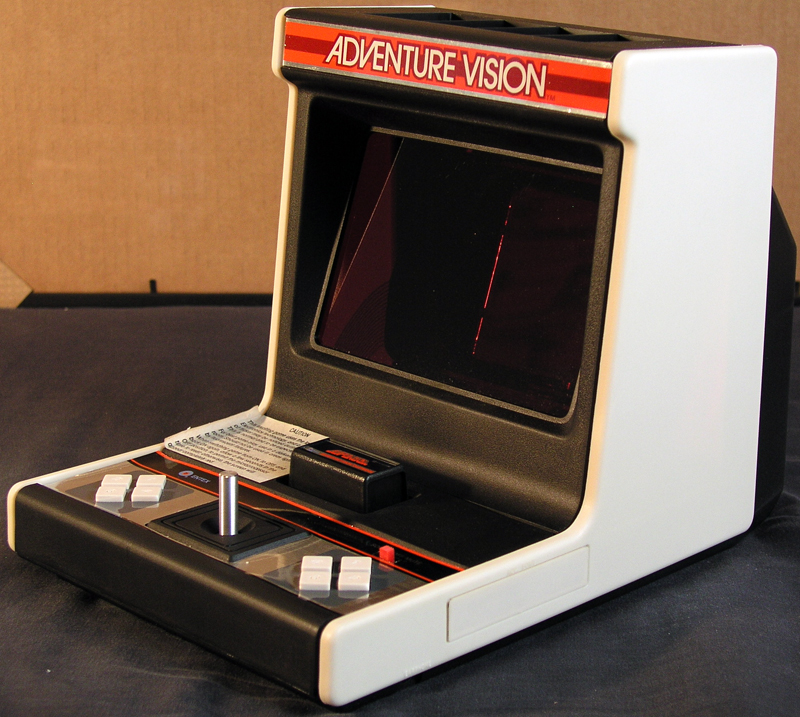
Entex Adventure Vision
A 150-pixel-wide red display synthesized by a spinning mirror sweeping a vertical column of 40 LEDs — a mechanical-scan display in a battery-powered handheld
 1982
1982
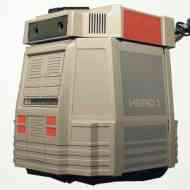
Heathkit HERO 1
Educational robot with sonar, light, and sound sensors.
 1982
1982
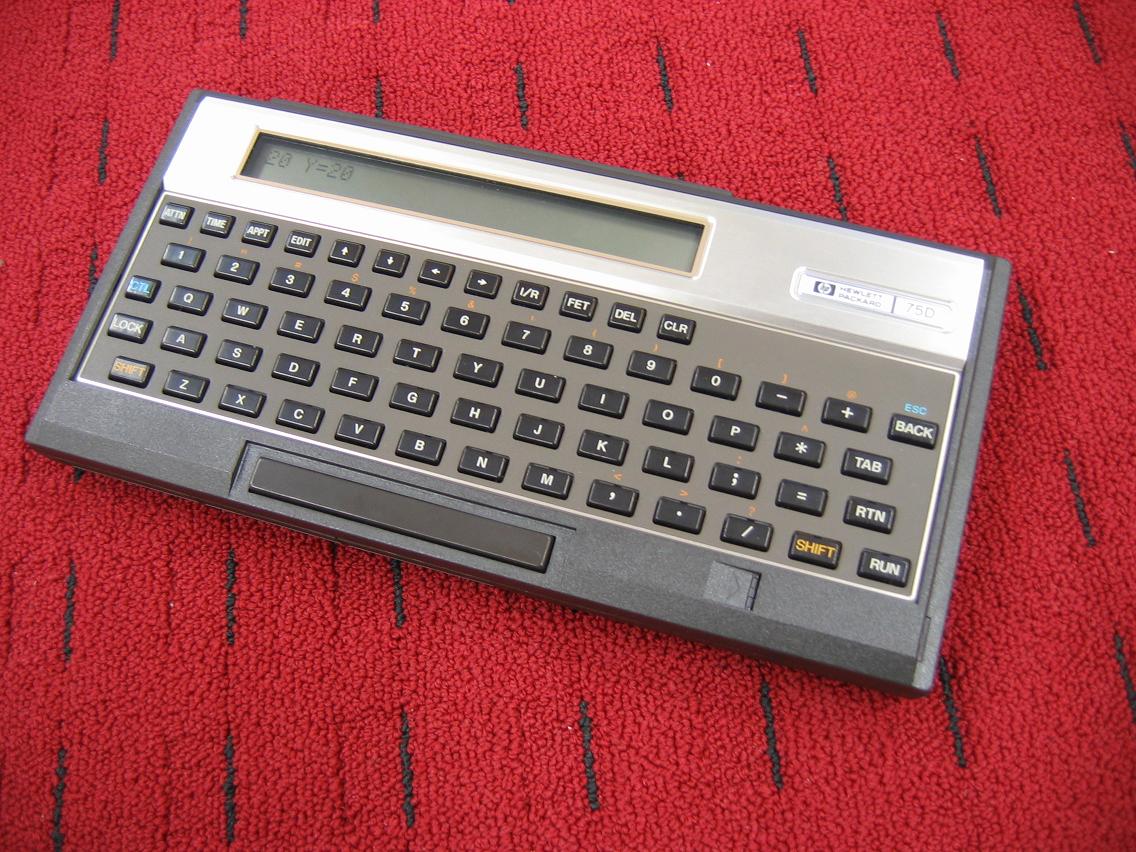
HP-75C / HP-75D Portable Computer
A handheld BASIC computer you load with software by sliding magnetic cards beside the spacebar — then it wakes up on a schedule to run your programs
 1982
1982
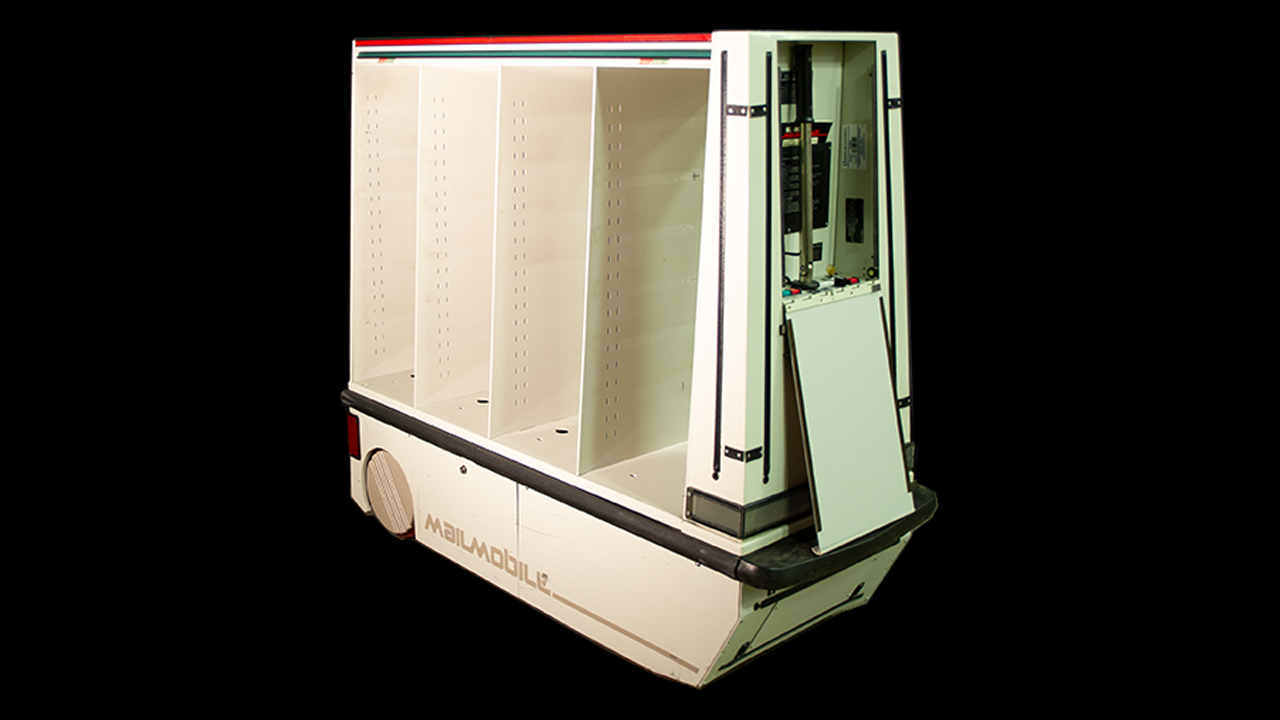
Mailmobile
The office mail cart that chased you down a chemical trail and gave you thirty seconds to grab your mail
 1982
1982
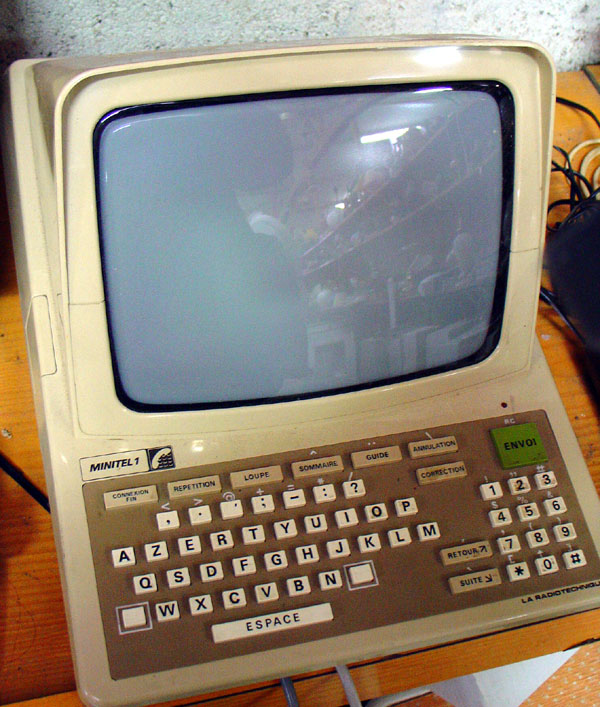
Minitel
The terminal France gave away for free — 9 million keyboards brought a nation online a decade before the Web
 1982
1982
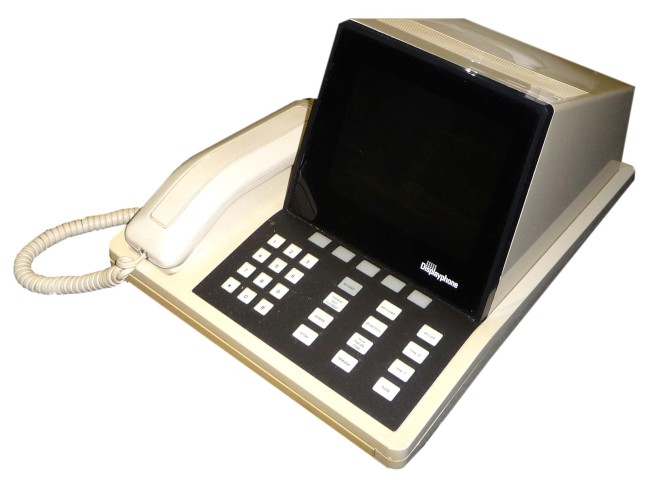
Northern Telecom Displayphone
A telephone and a computer terminal that were the same desk object
 1982
1982
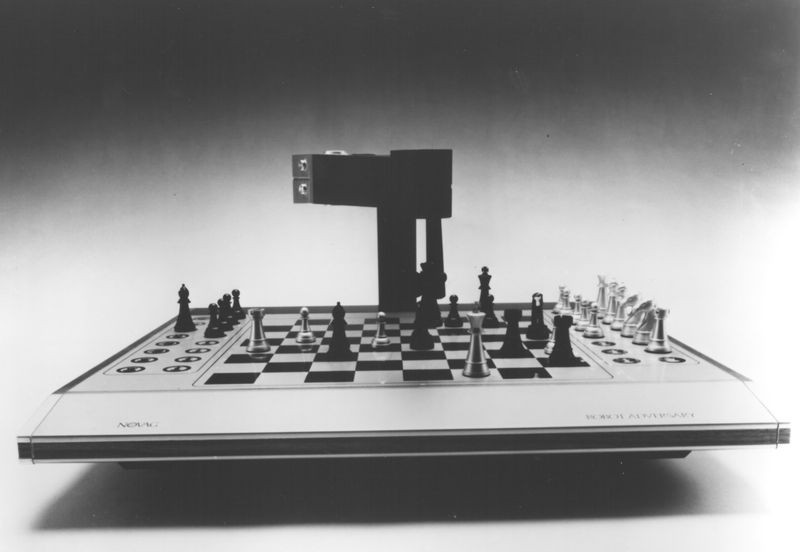
Novag Robot Adversary
The chess computer with a robot arm that moves your pieces for you
 1982
1982
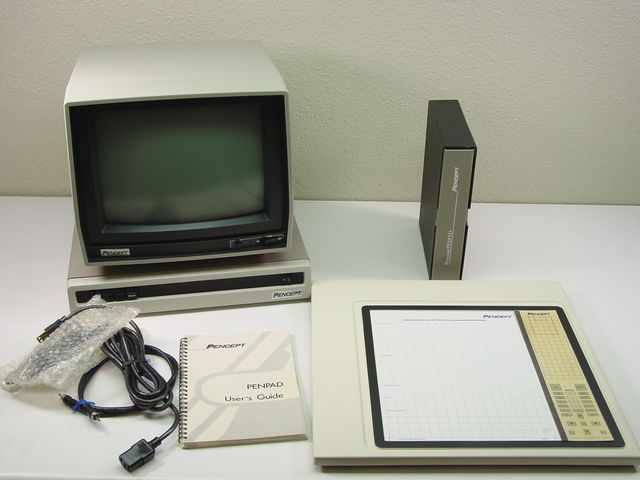
Pencept PenPad
A keyboardless terminal that read your handwriting—and your gestures—in 1982
 1982–1983
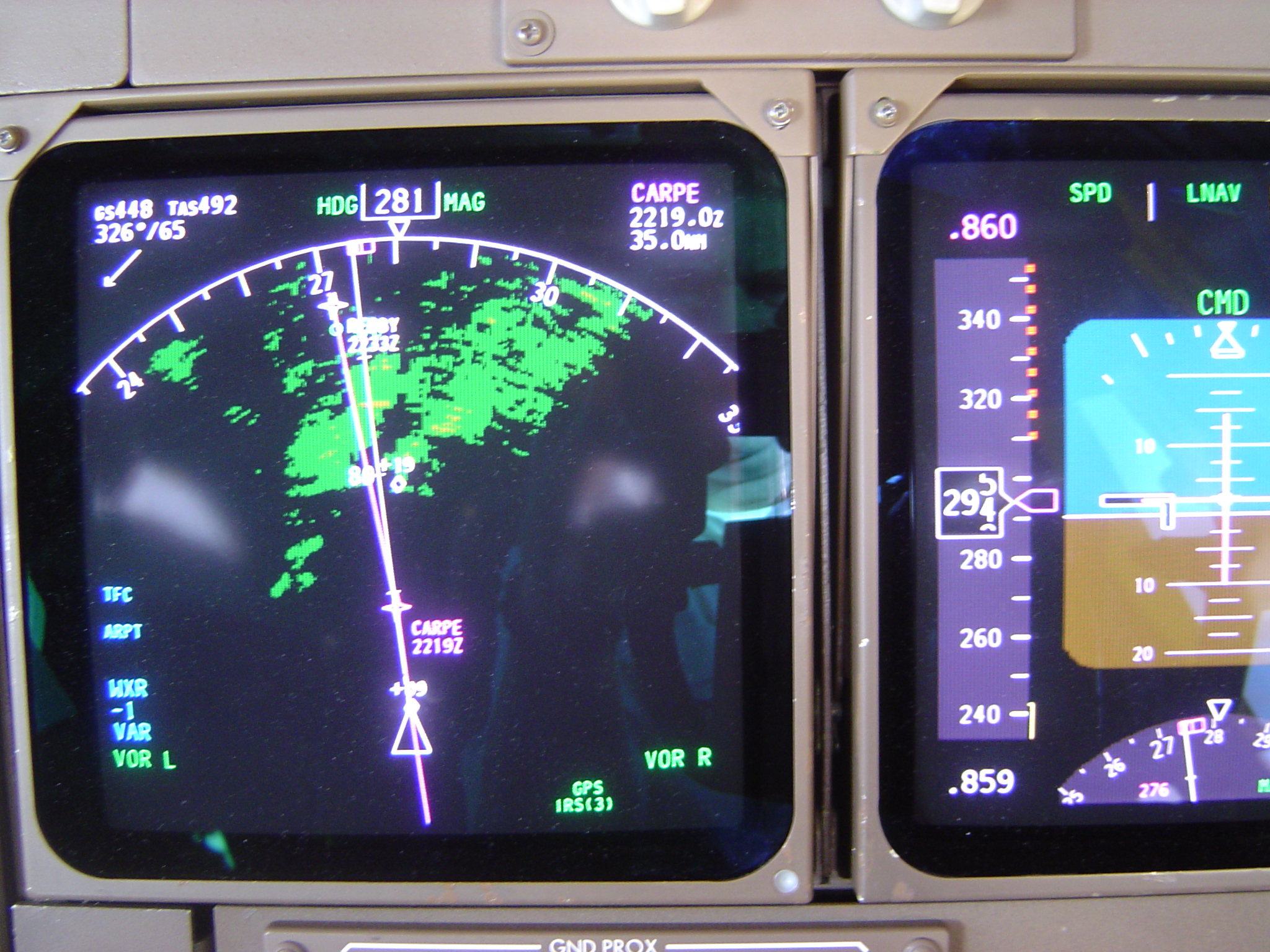
Rockwell Collins EFIS — Boeing 757 Glass Cockpit
The first CRT glass cockpit in an airliner: two color EADIs and EHSIs, a keyshow control panel, and a rising-runway symbol that grows up the screen as you descend
 1982
1982
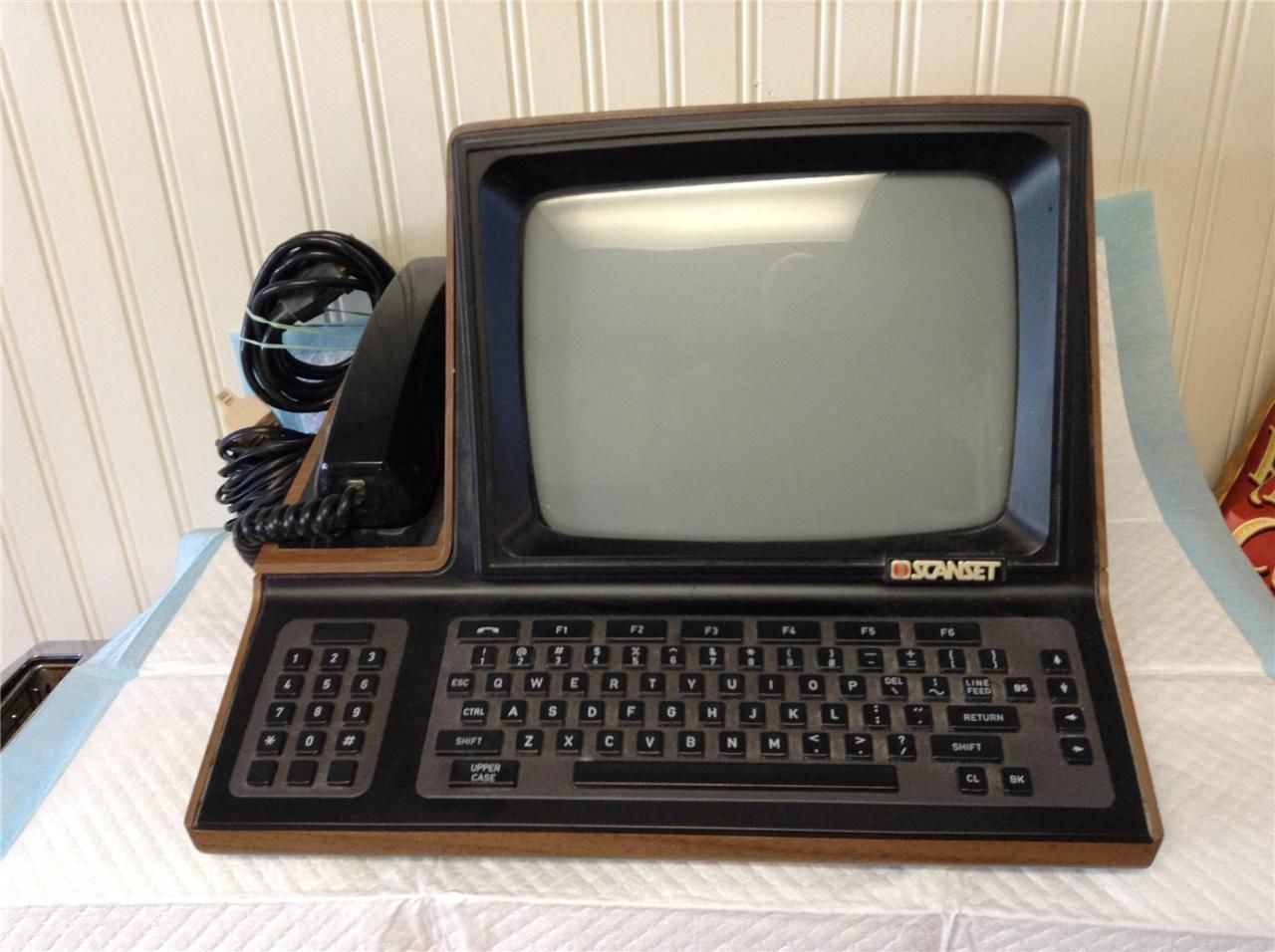
Scanset XL
A personal information terminal that fuses a telephone and a computer screen, dialing online databases 'as easy as using a telephone'
 1982
1982
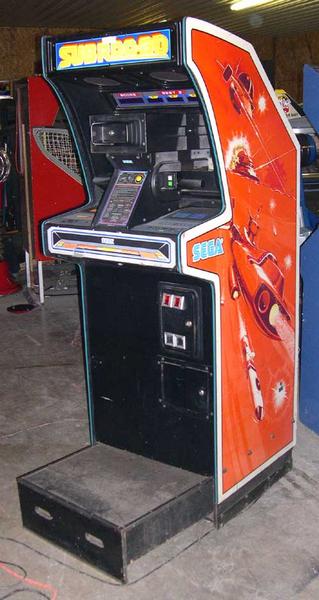
Sega SubRoc-3D
The arcade cabinet you pressed your face into — first stereoscopic 3D video game with a mechanical spinning-shutter periscope.
 1981–1984
TELESAR I
First working telexistence system — a head-coupled stereoscopic telepresence rig that produced a genuine out-of-body sensation in every operator who tried it
 1982
1982
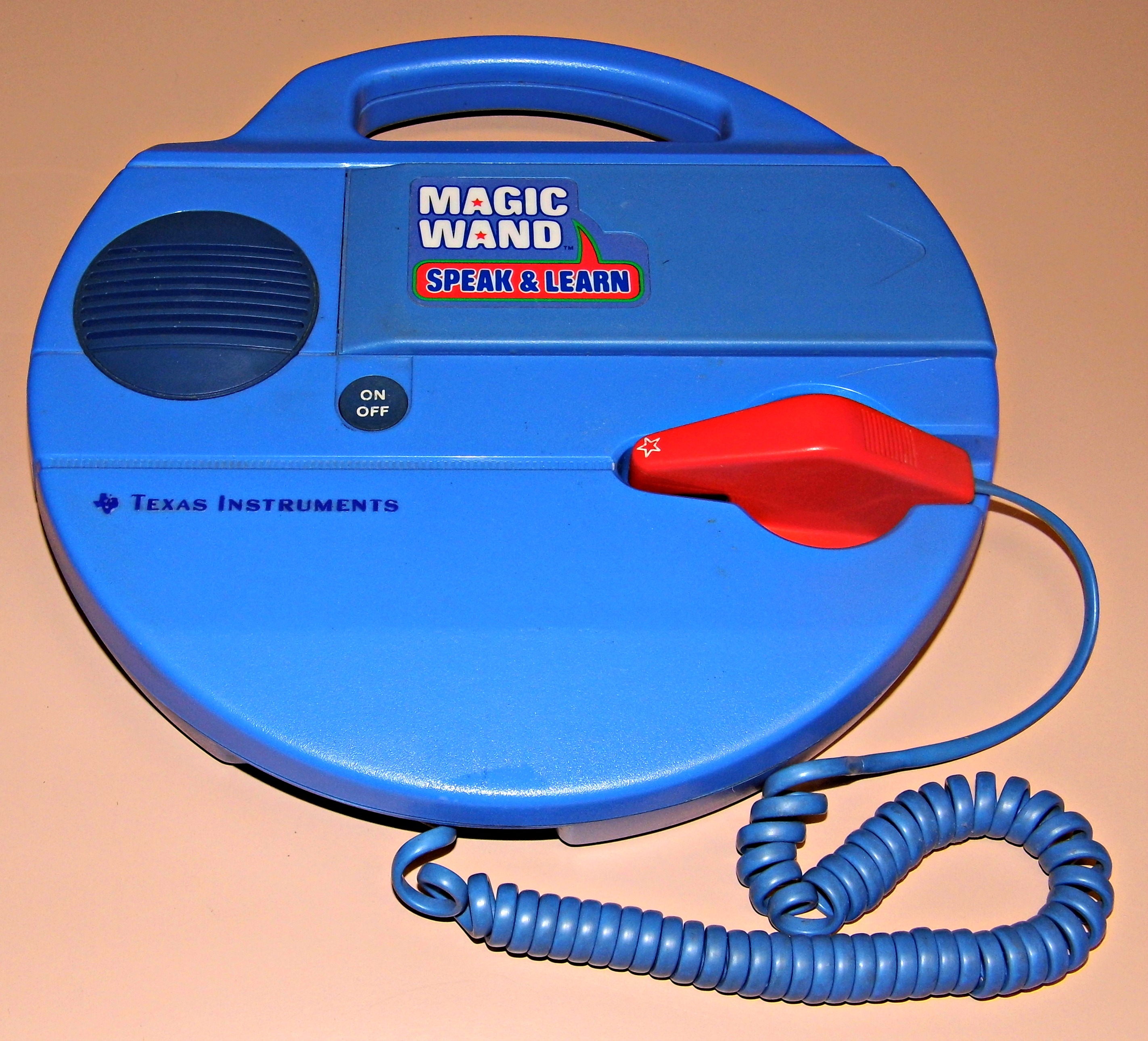
TI Magic Wand Speaking Reader
The barcode wand that read children's books aloud, years before LeapFrog
 1982
1982
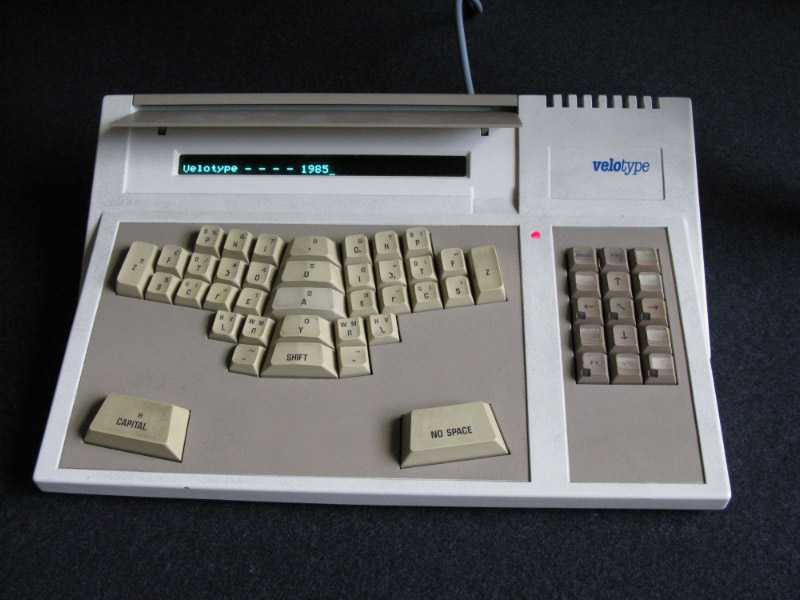
Velotype Synthetic Keyboard
A two-handed keyboard where every stroke is a whole syllable — press several keys with both hands and the machine spells the sound
 1981
1981
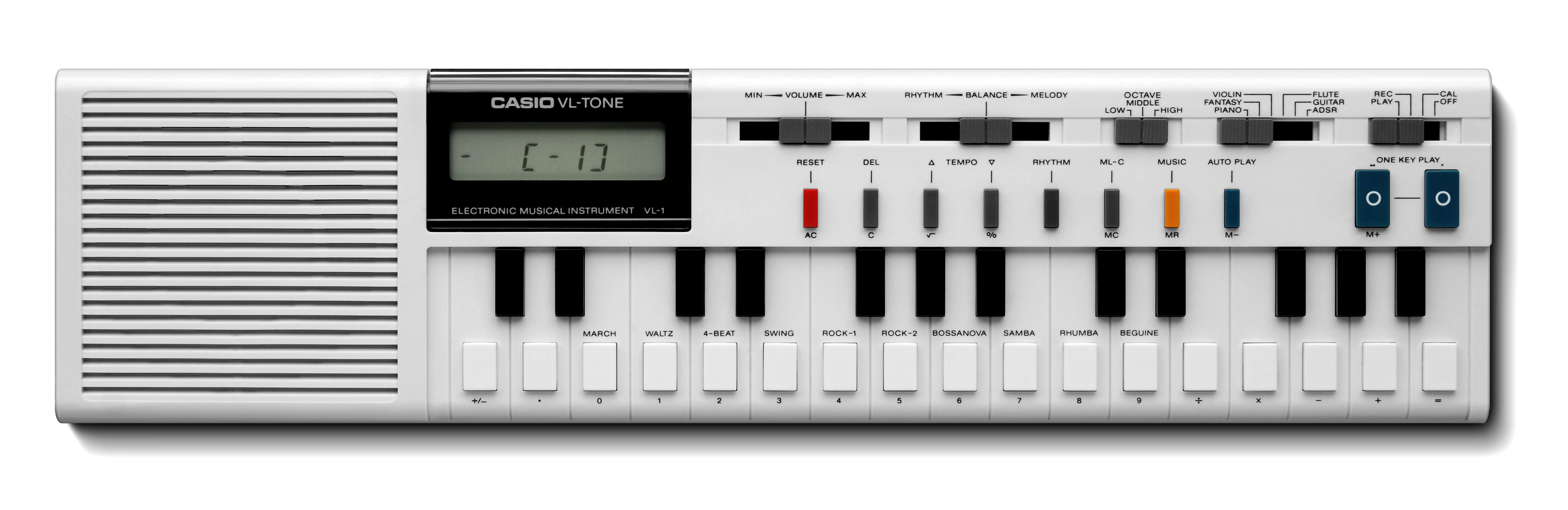
Casio VL-1 / VL-Tone
The calculator that became a musical instrument — and vice versa
 1981
1981
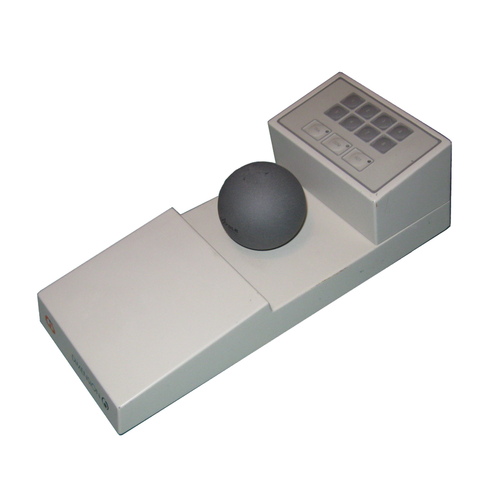
DLR Control Ball
The first 6-DOF force-sensing ball: push, twist, and pull your way through 3D space — built for robots, launched in orbit, and still on desks today
 1981
1981
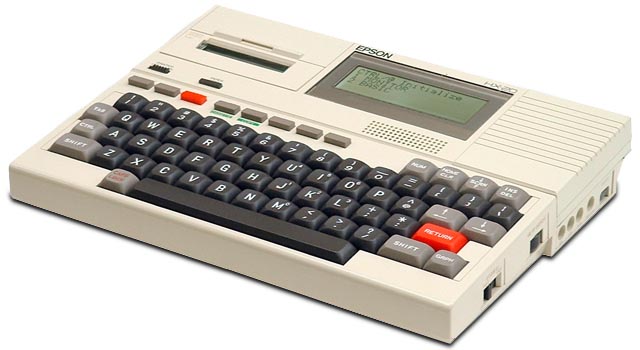
Epson HX-20
The world's first notebook computer, with a built-in microprinter that collapses field data and hard copy into one workflow
 1981
1981
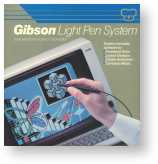
Gibson Light Pen System (LPS II)
A professional-grade light pen for the Apple II by the teenager who worked at Stanford AI Lab at age 15 — the launchpad for SpinRite and Security Now!
 1981
1981
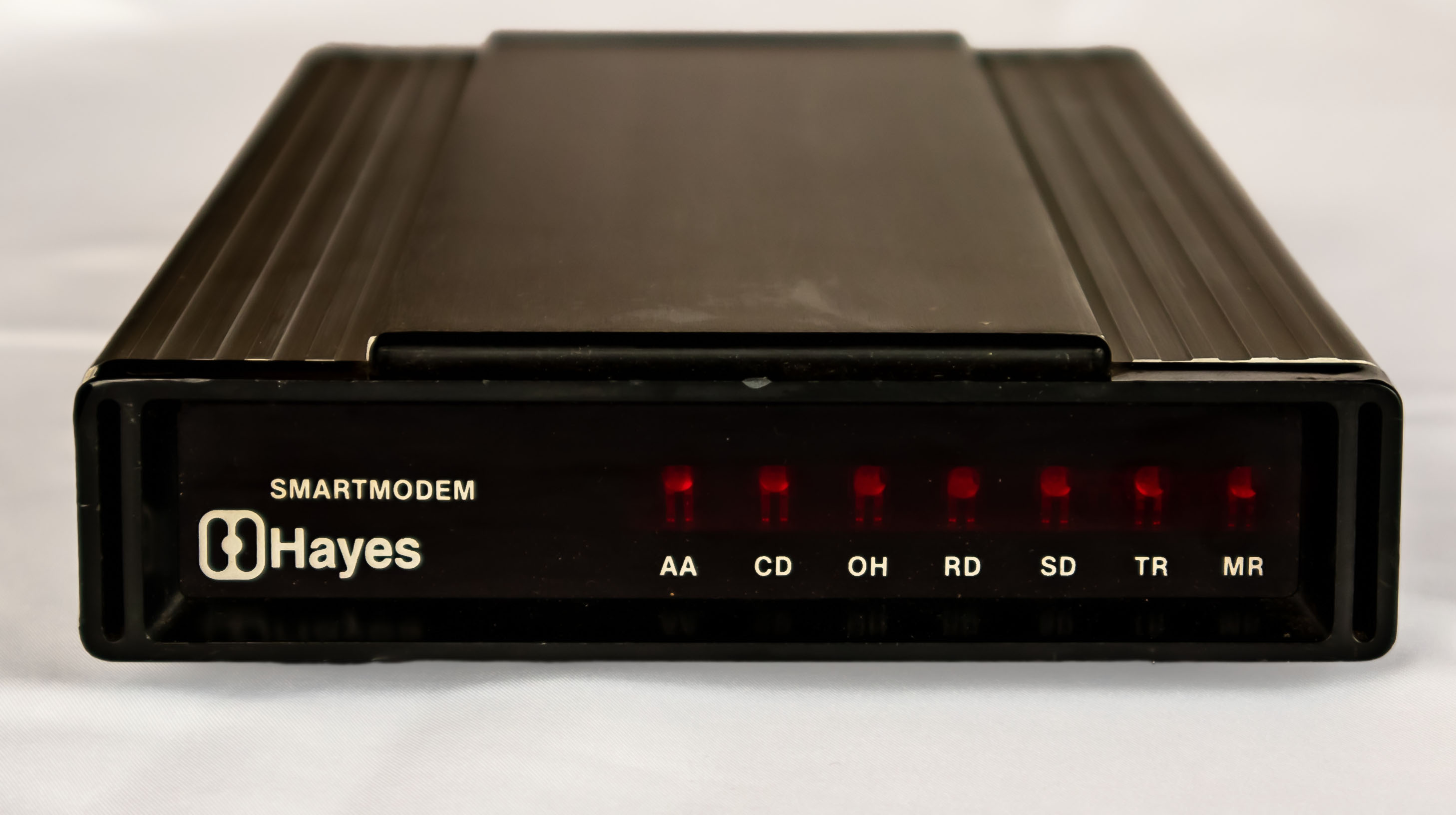
Hayes Smartmodem 300
The modem that taught computers to dial the phone — and created the language every modem still speaks
 1981
1981
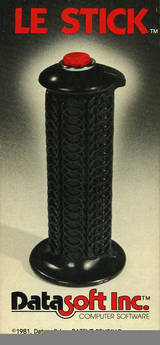
Le Stick
The first motion-sensitive game controller: a base-less wand that steers by a mercury core shifting in your hand
 1981
1981
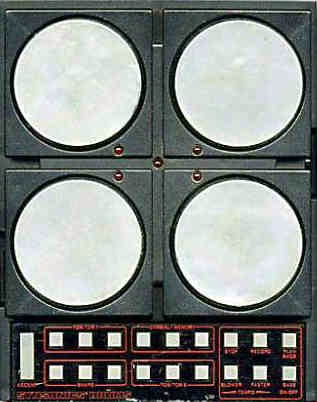
Mattel Synsonics Drums
The toy drum machine that Kraftwerk took seriously
 1981
1981
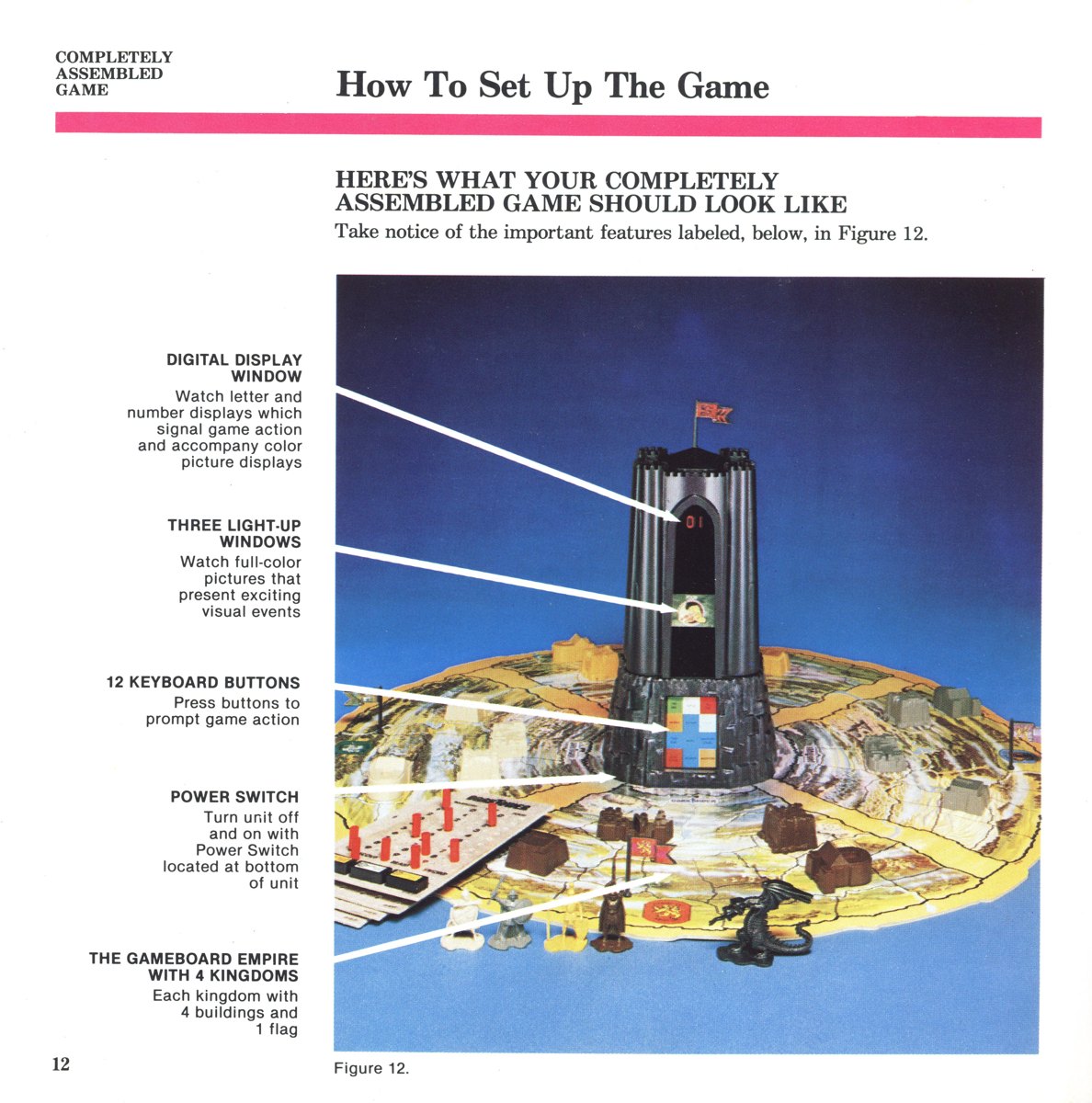
Milton Bradley Dark Tower
A motorized rotating black tower that keeps a hidden state behind a tinted cover and reveals it by spinning film cels into view
 1981
1981
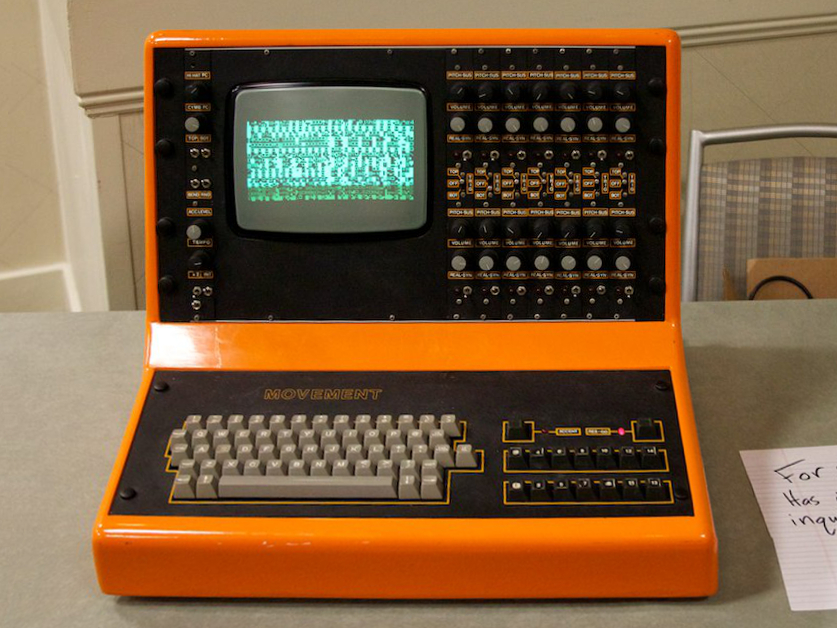
Movement Systems (MCS) Drum Computer (1981)
A drum machine that IS a microcomputer — you type your rhythms on a QWERTY keyboard and read them on a CRT
 1981
1981
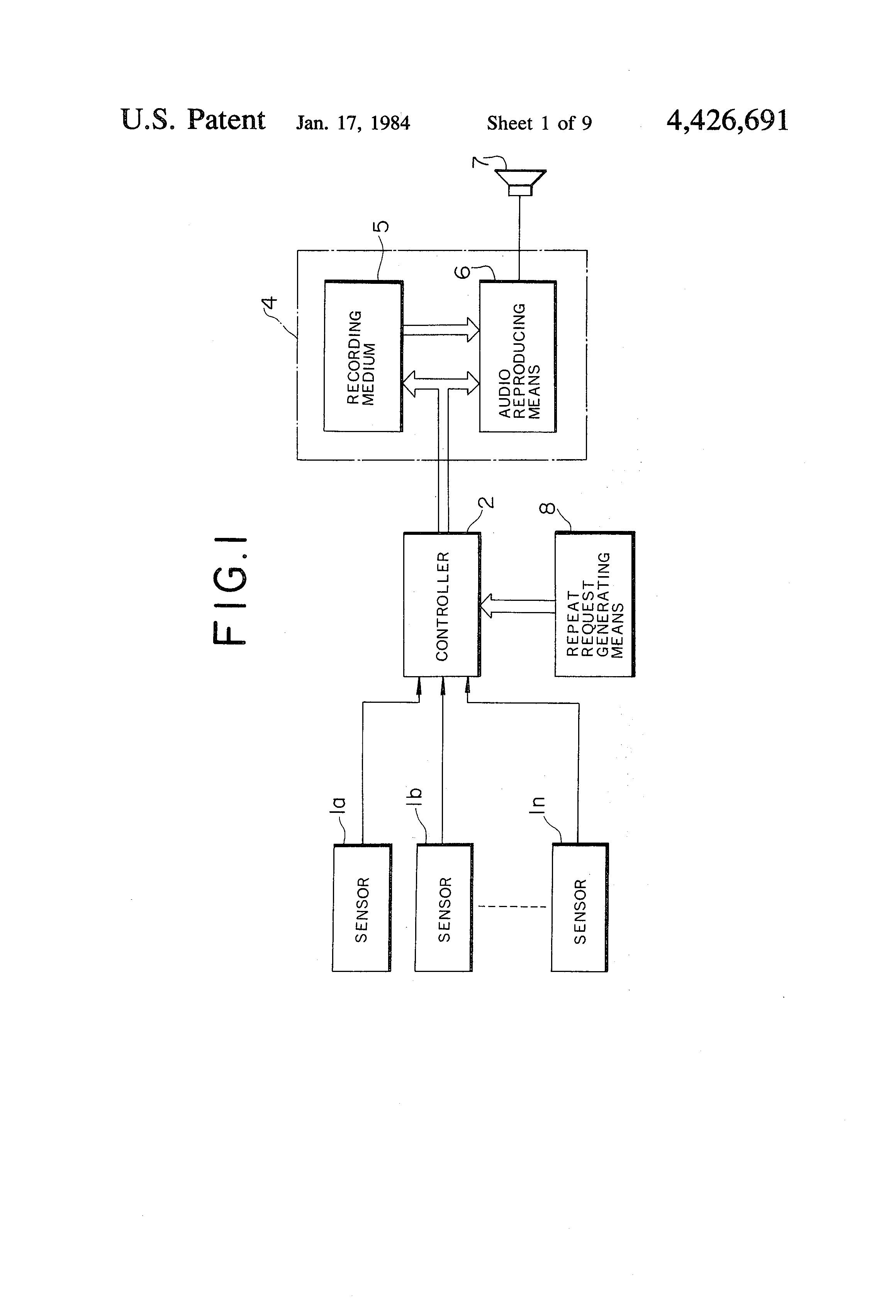
Nissan/Datsun Voice Warning System
The talking car whose 'voice' was a tiny vinyl record with six parallel grooves
 1981
1981
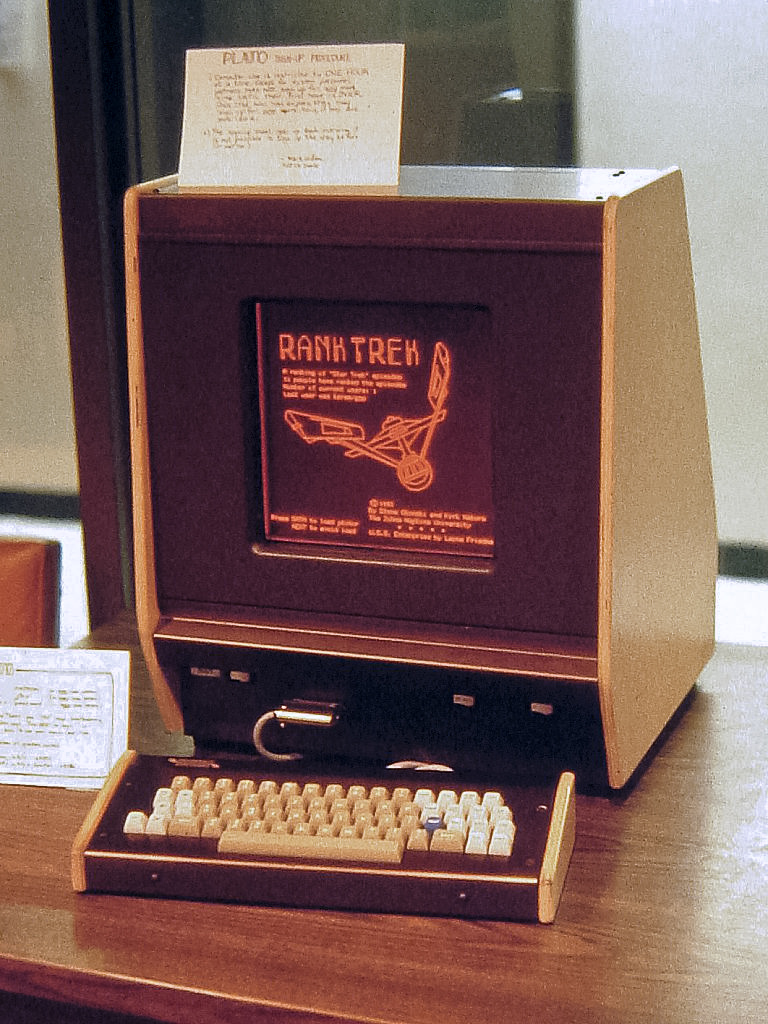
PLATO V Terminal
The orange-glowing touchscreen terminal that split a mainframe
 1981
1981
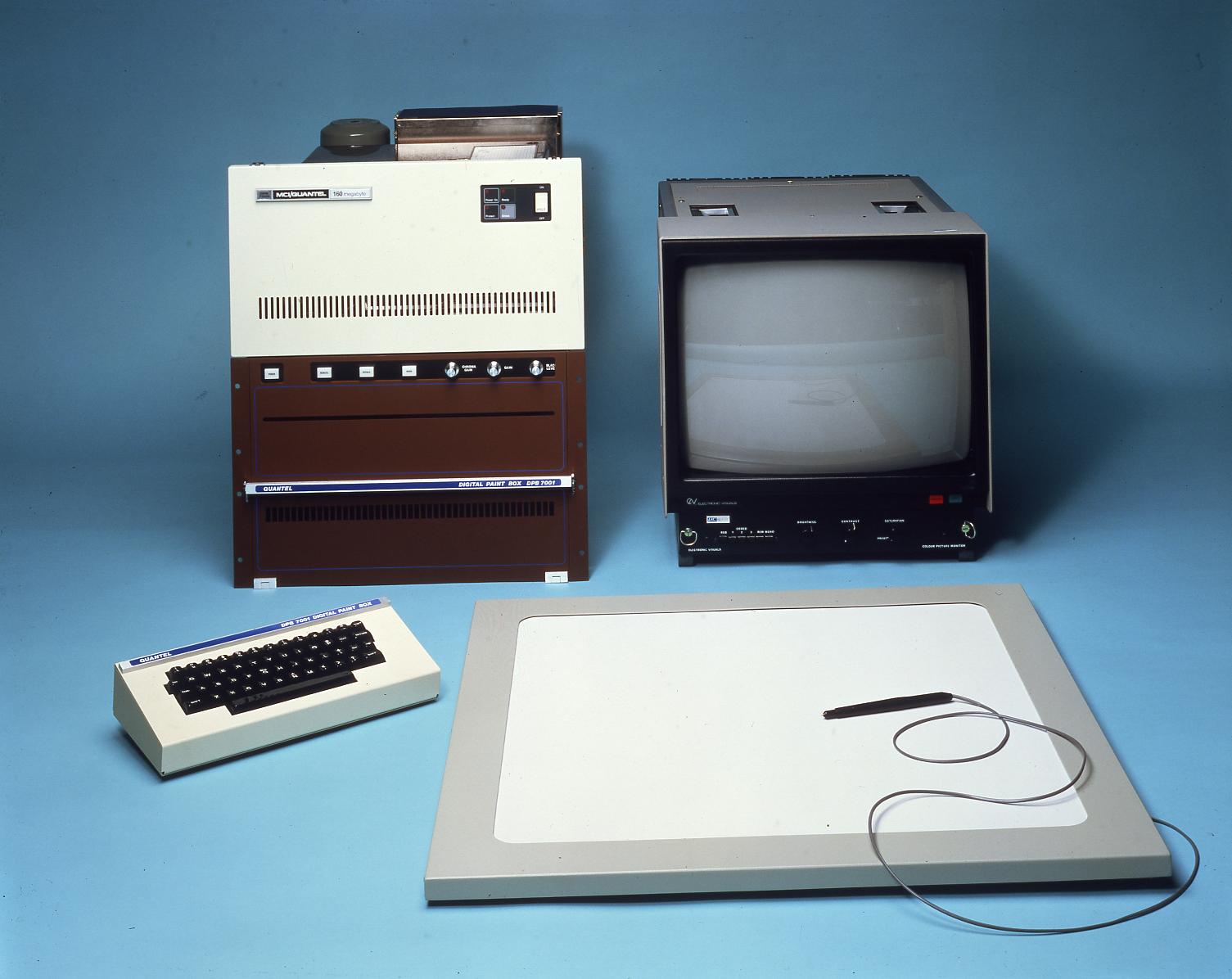
Quantel Paintbox
The $250,000 broadcast graphics workstation that put a pressure-sensitive stylus in the hands of TV artists and defined the look of 1980s television.
 1981
1981
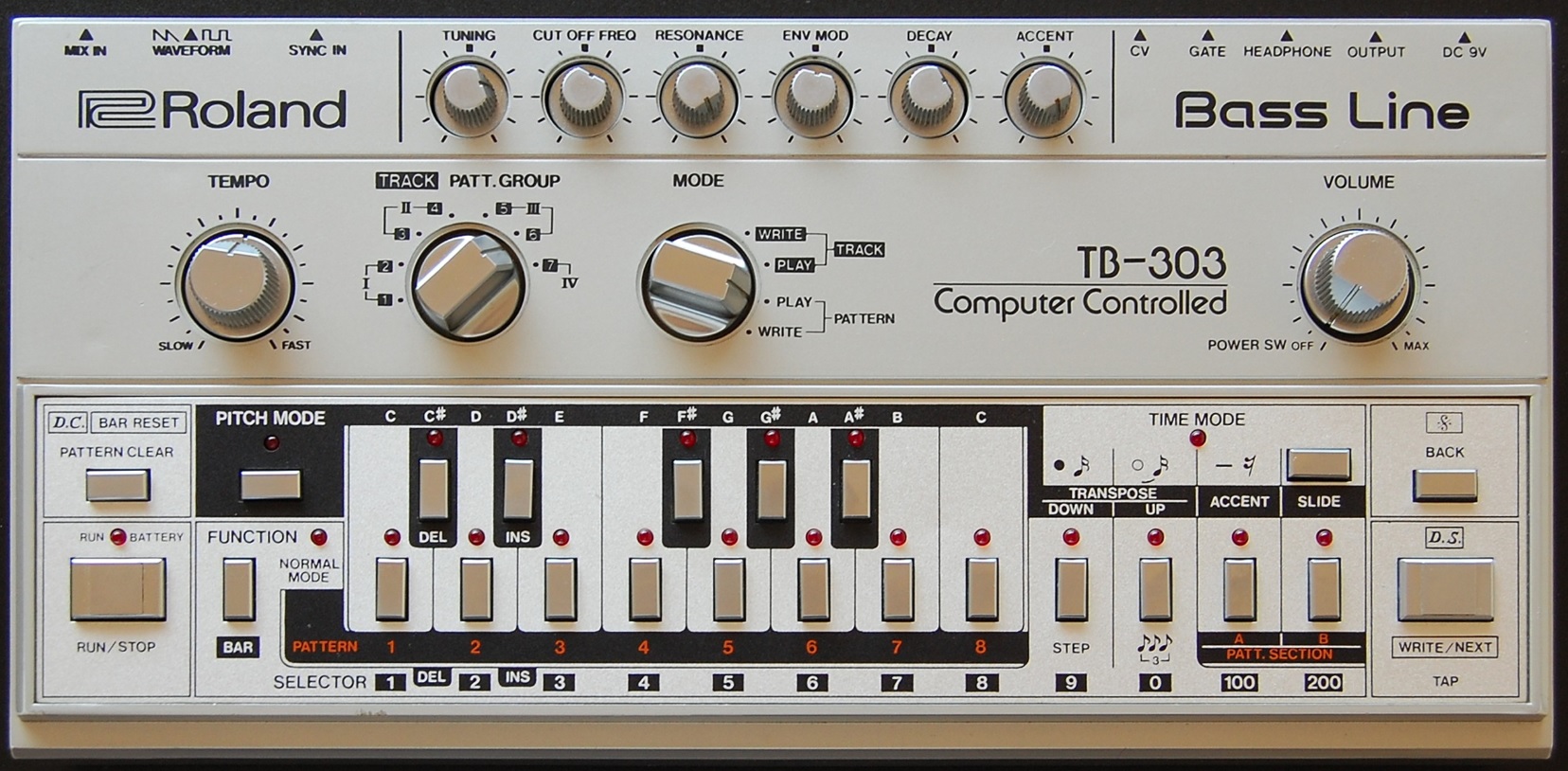
Roland TB-303 Bass Line
The bass machine with no display that programmed in two blind passes — and accidentally invented acid house
 1981
1981
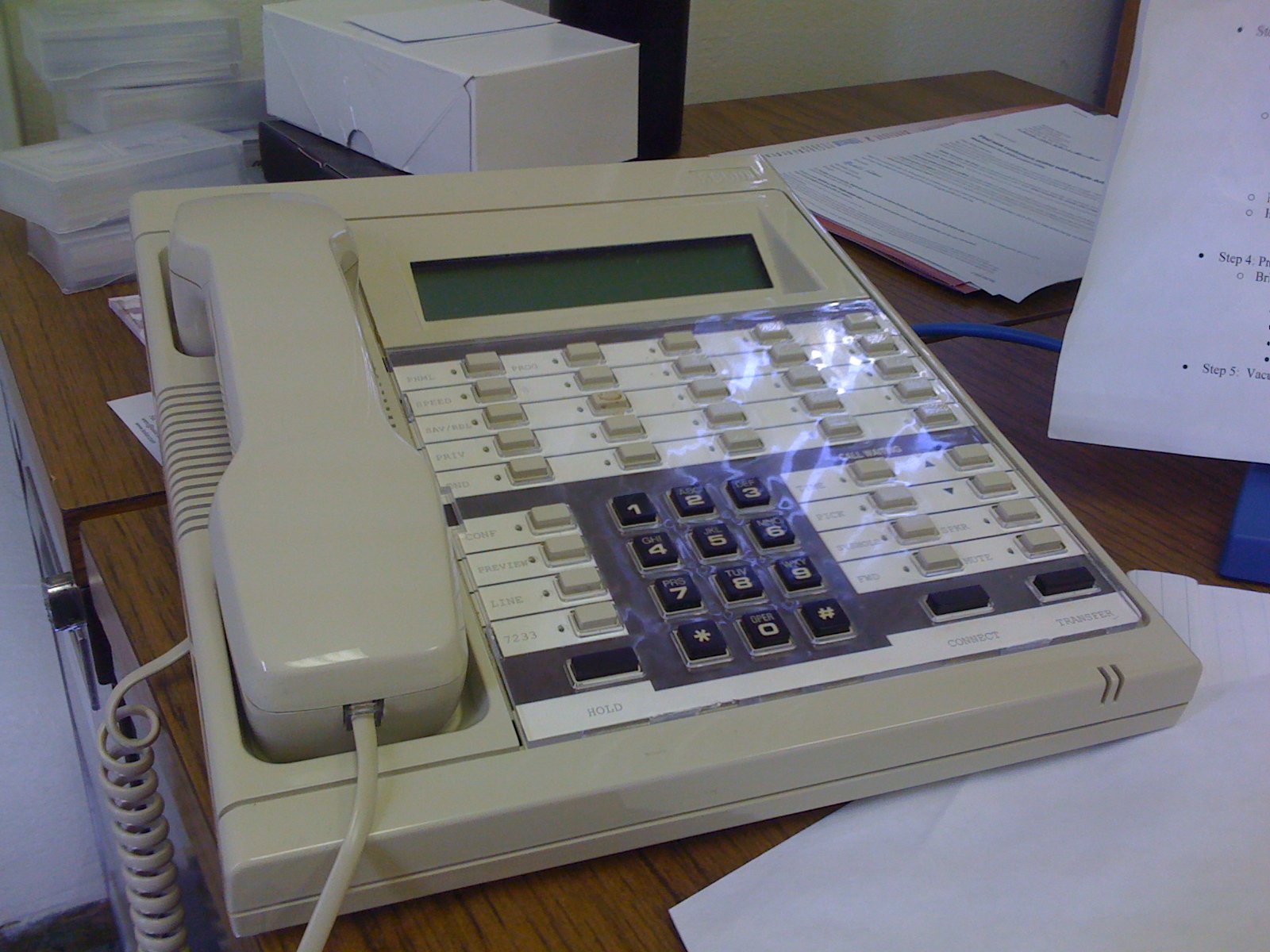
ROLM CBX / RolmPhone 400
The first digital PBX whose desk phone had no switchhook — a magnet in the handset was the button, and its keys were software
 1981
1981
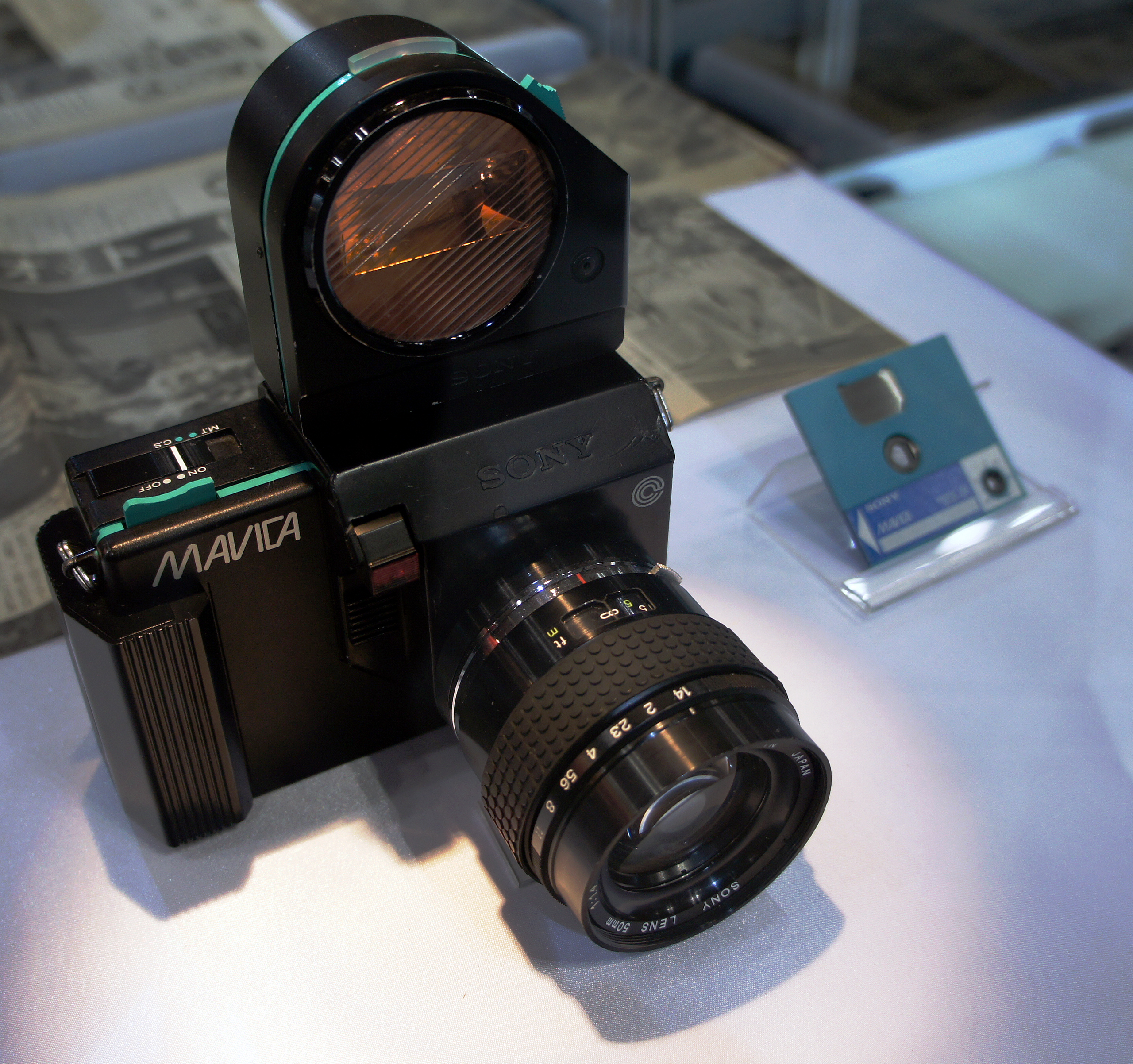
Sony Mavica (1981 prototype)
The world's first electronic still camera — film replaced by a floppy disk and a TV playback ritual
 1981
1981
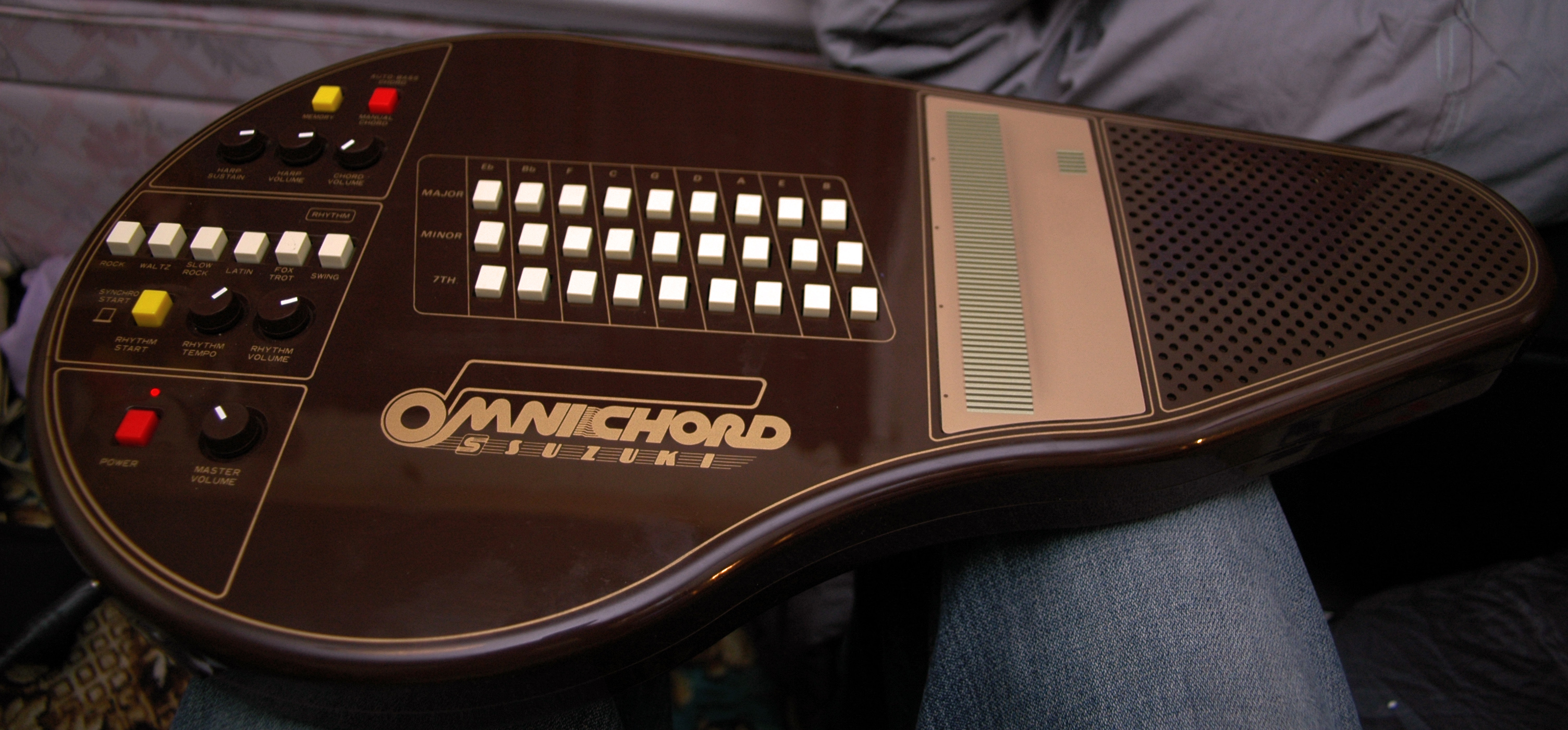
Suzuki Omnichord
The electronic autoharp that replaced strings with a capacitive touch strip
 1981
1981
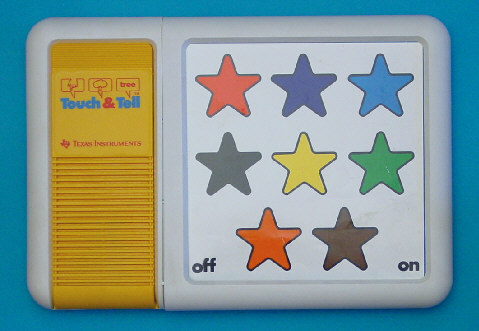
TI Touch & Tell
The toddler computer with no keyboard — you answer by pointing at the picture
 1981
1981
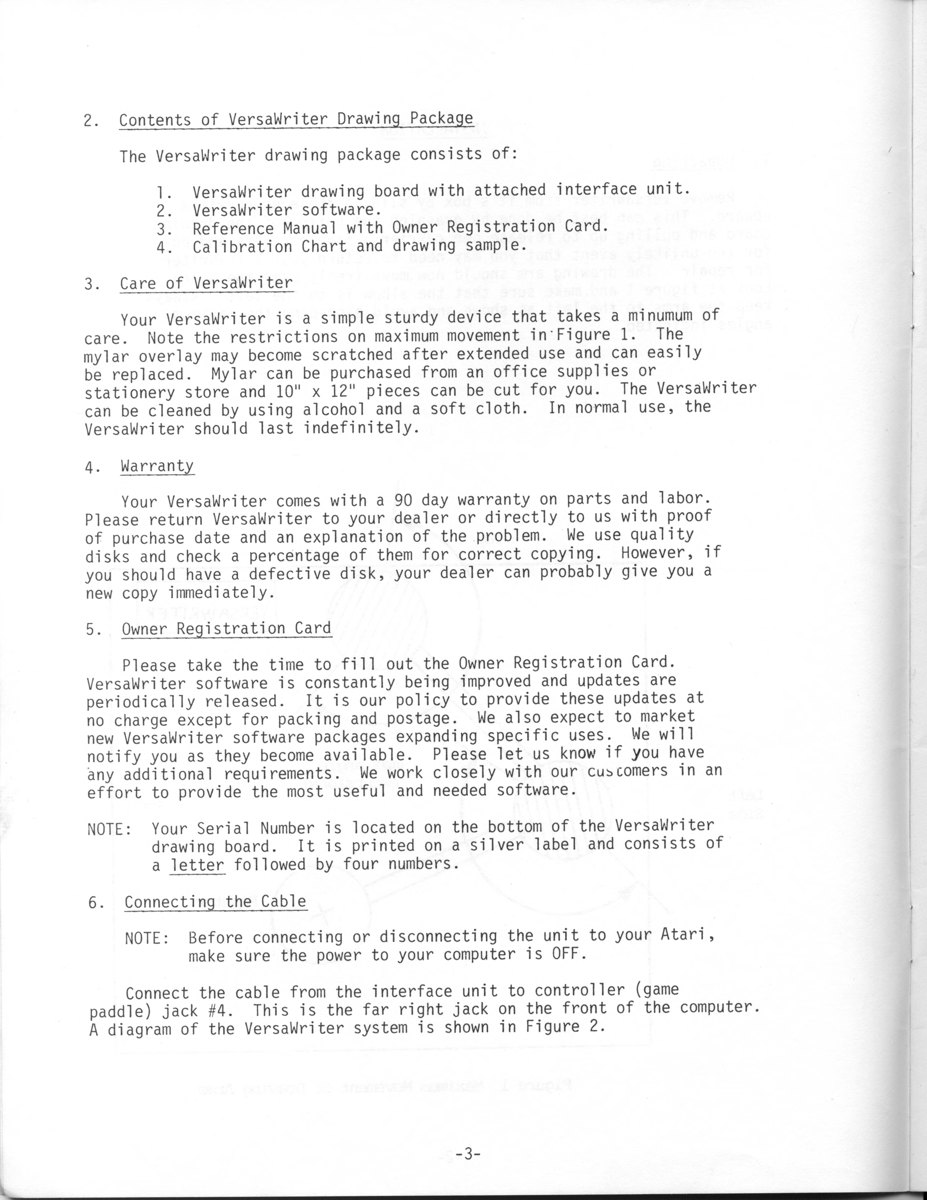
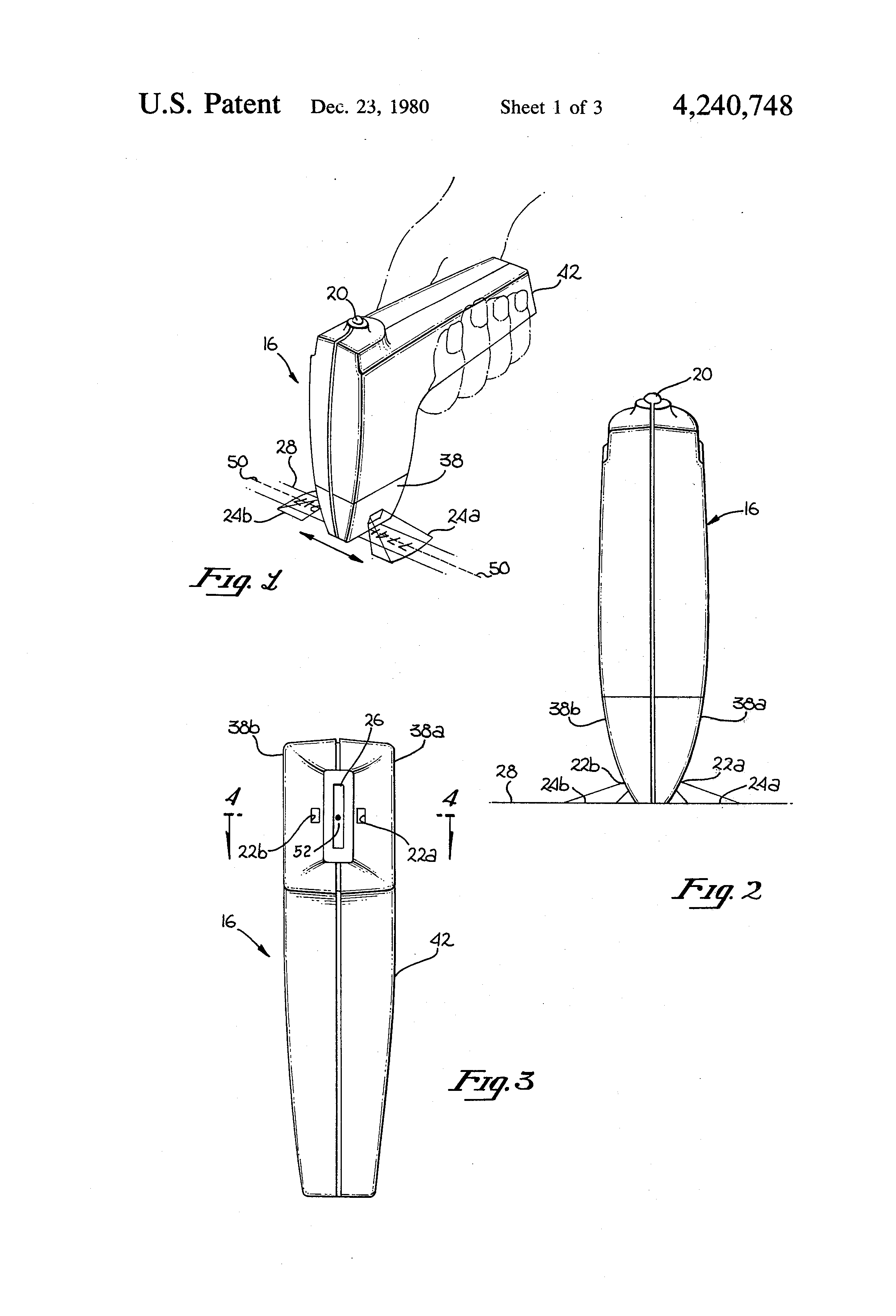
VersaWriter
A drafting-pantograph drawing tablet: trace a picture under Mylar and twin potentiometers turn arm angles into vector art
 1980
1980
Caere Hand-held OCR Wand with Visual Aligner (1980)
An OCR wand that projects a light pattern to guide your hand — read only when your sweep is geometrically perfect
 1980
1980
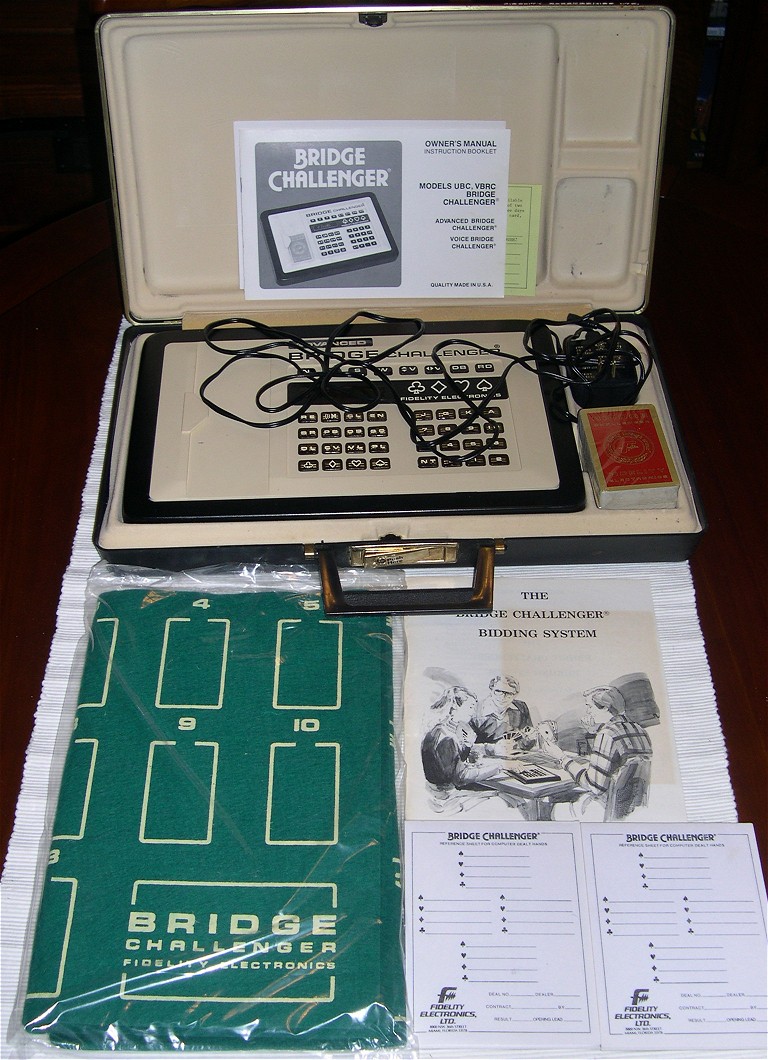
Fidelity Bridge Challenger
An electronic bridge opponent that reads your physical cards by their bar-coded backs
 1980
1980
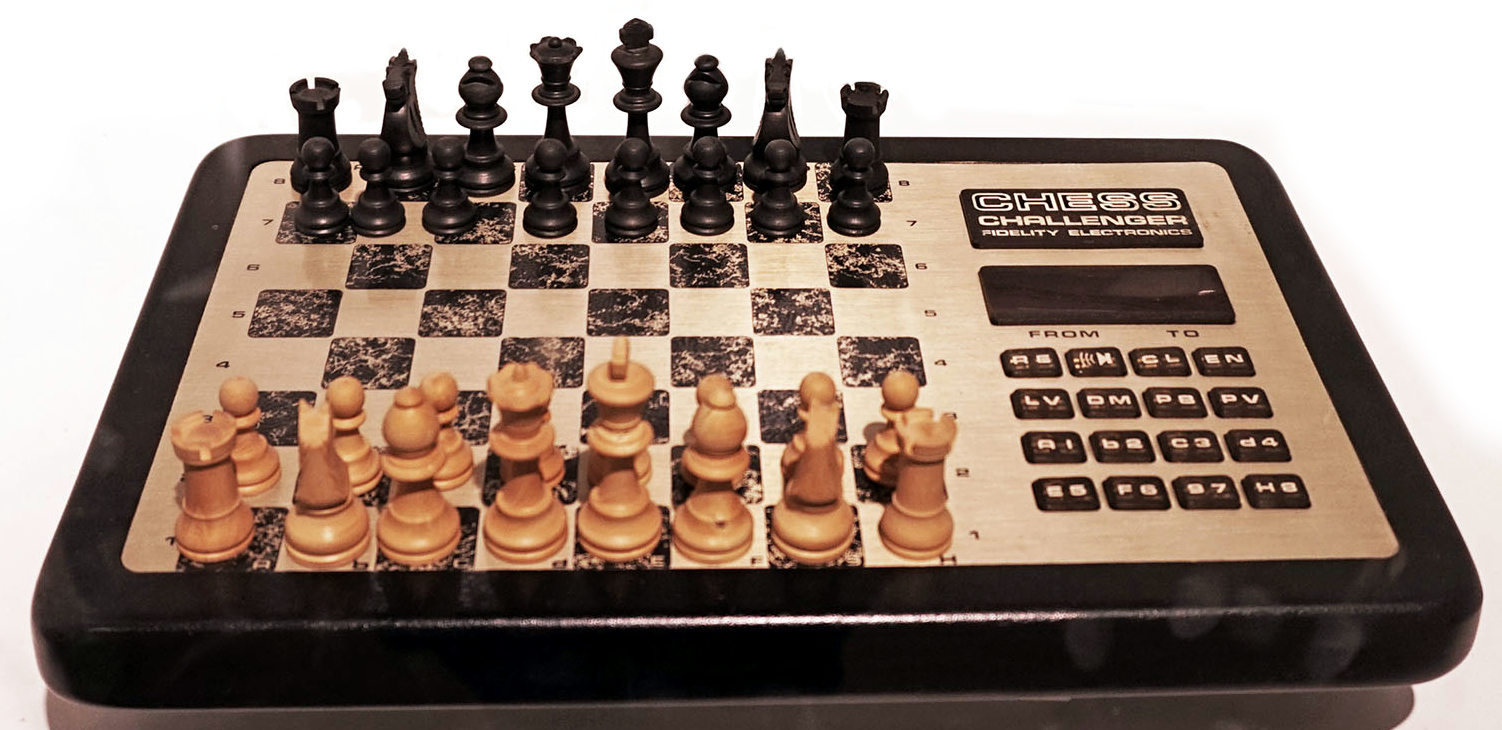
Fidelity Voice Sensory Chess Challenger
The chess computer that felt your move and talked back
 1980
1980
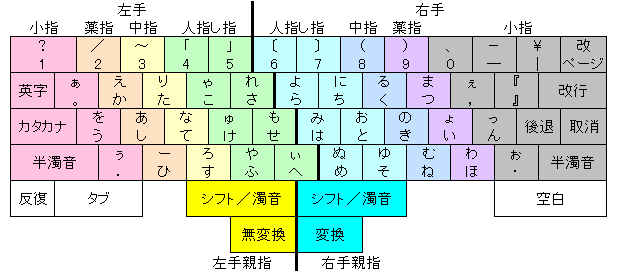
Fujitsu OASYS 100 Thumb-Shift Keyboard
The Japanese word-processor keyboard that moved the shift keys to the thumbs, giving every key three characters and keeping both hands on the home row
 1980
1980
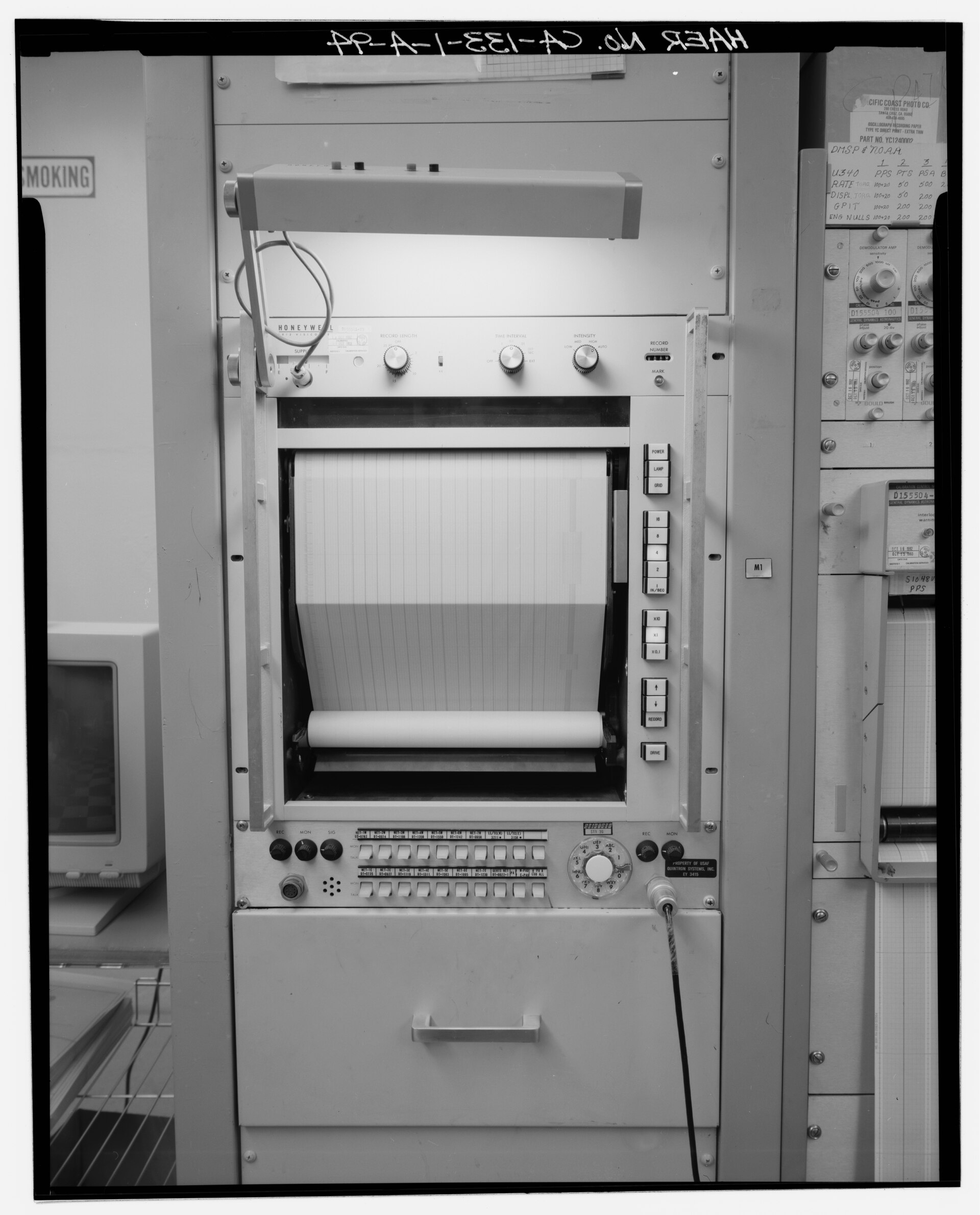
Honeywell Visicorder (Fiber-Optic CRT Optical Recorder)
An oscillograph where the picture tube itself is the pen — a CRT whose fiber-optic faceplate writes directly onto moving photosensitive paper
 1980
1980
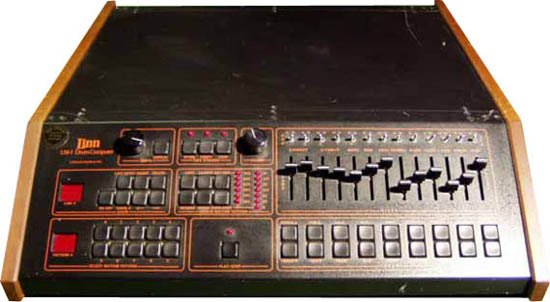
Linn LM-1 Drum Computer
The drum machine whose pads were both the instrument and the step-sequencer grid — the pad-as-program interface
 1980
1980
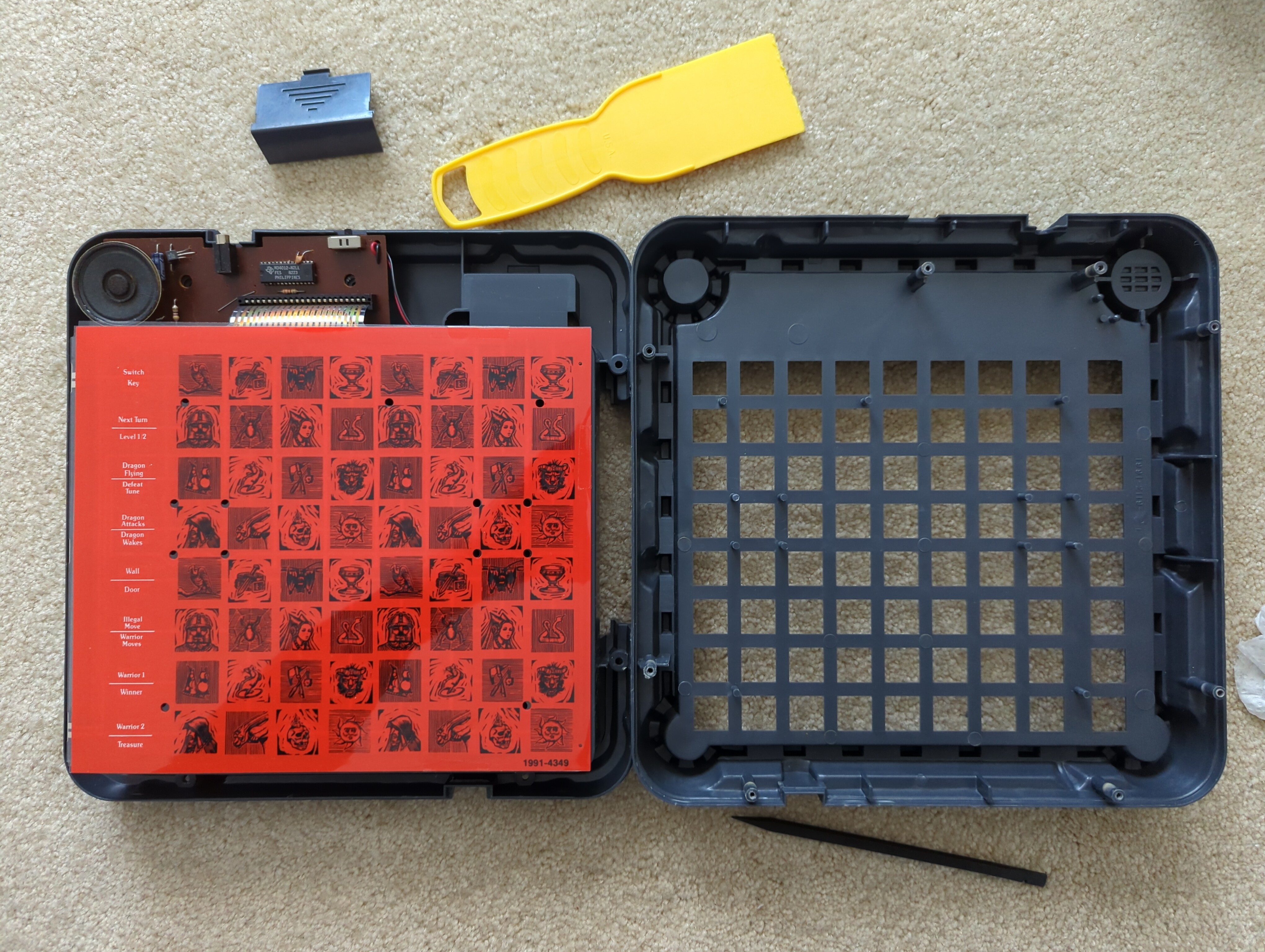
Mattel Dungeons & Dragons Computer Labyrinth Game
A hidden maze in a 4-bit chip, mapped one touch at a time
 1980
1980
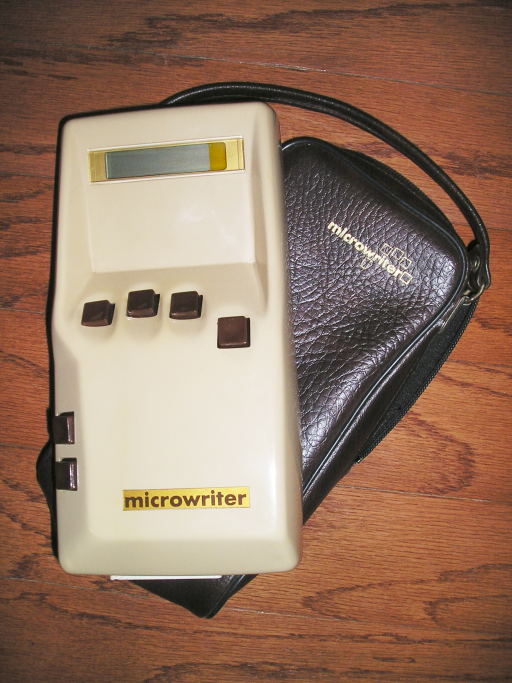
Microwriter
Five-key chorded portable word processor.
 1980
1980
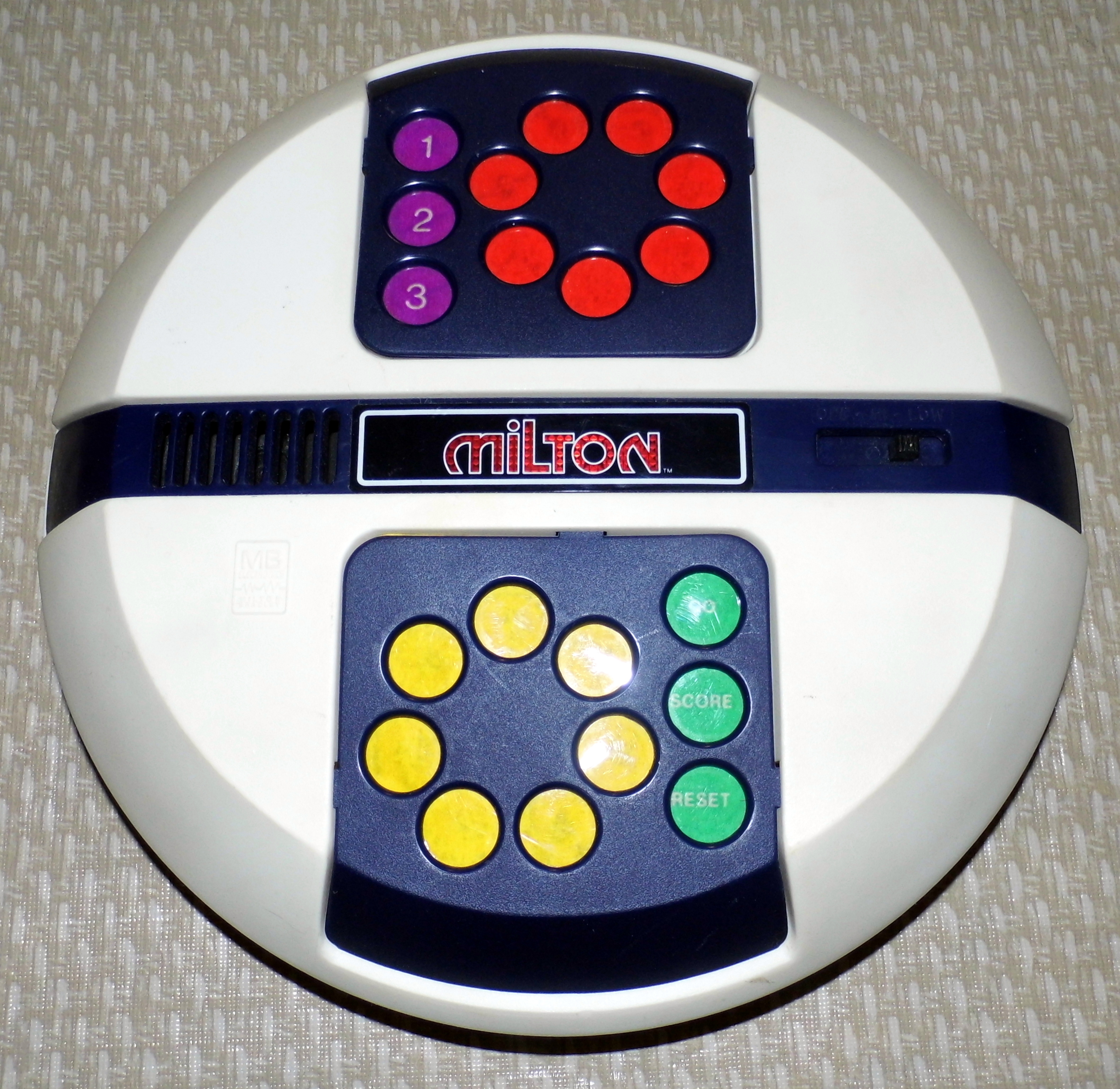
Milton
The talking game that memorized phrases and insulted you
 1980
1980
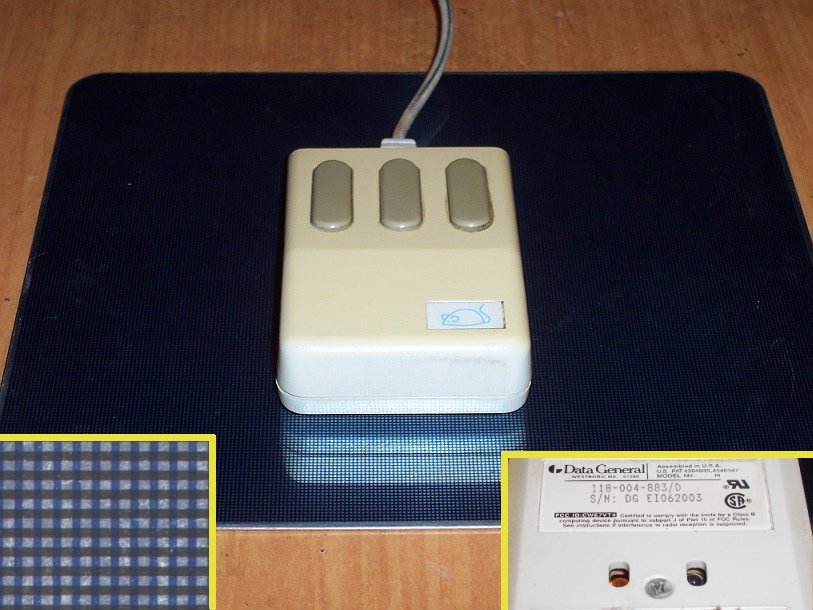
Mouse Systems Optical Mouse
The first optical mouse, chained to its printed grid pad
 1980
1980
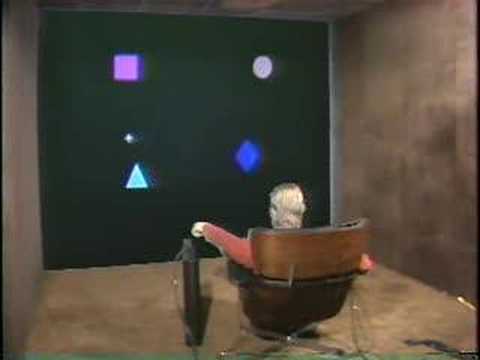
Put-That-There
Voice + gesture at the graphics interface
 1980
1980
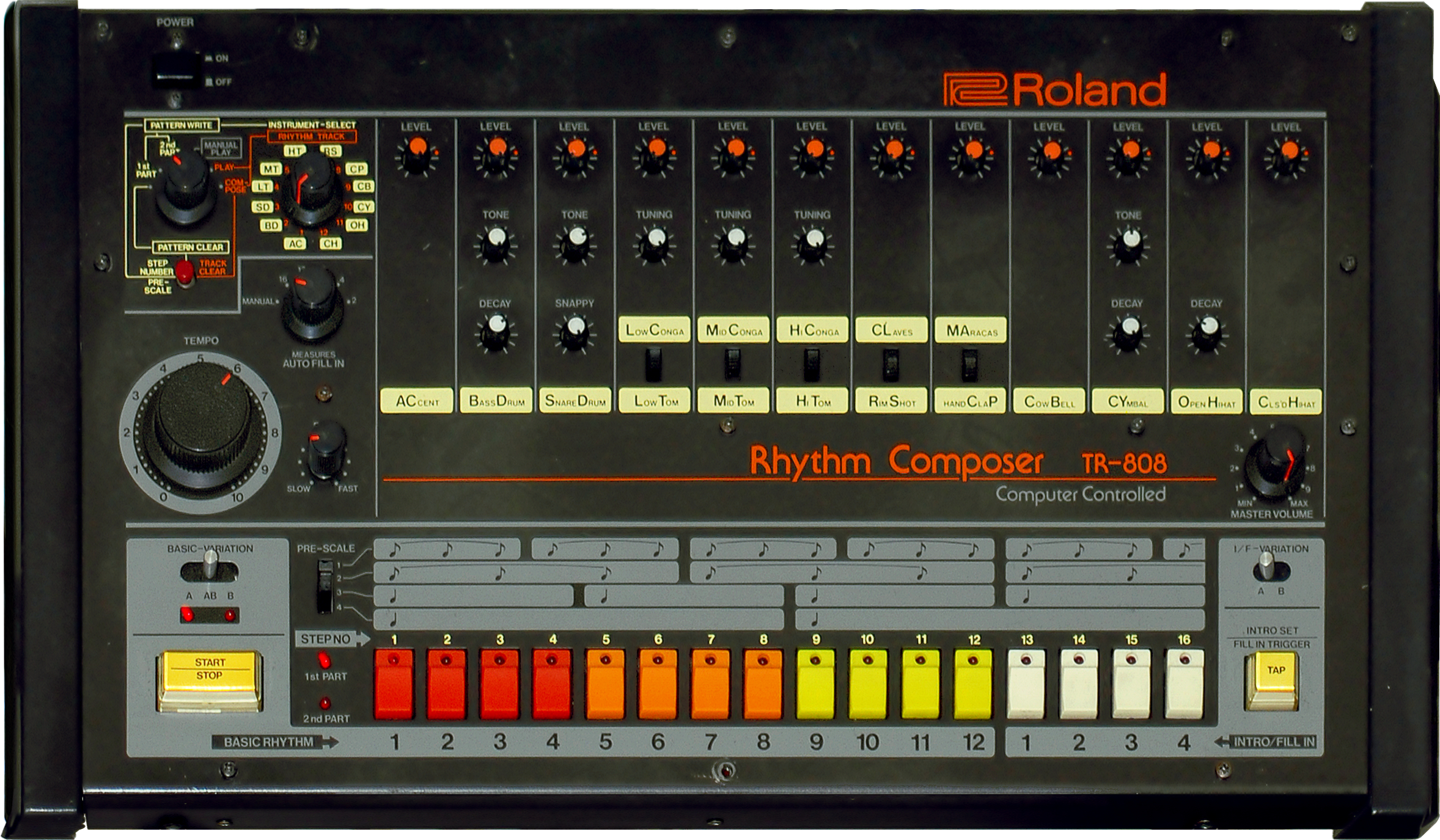
Roland TR-808 Rhythm Composer
The 16-step LED grid that taught a generation to think in sequences
 1980
1980
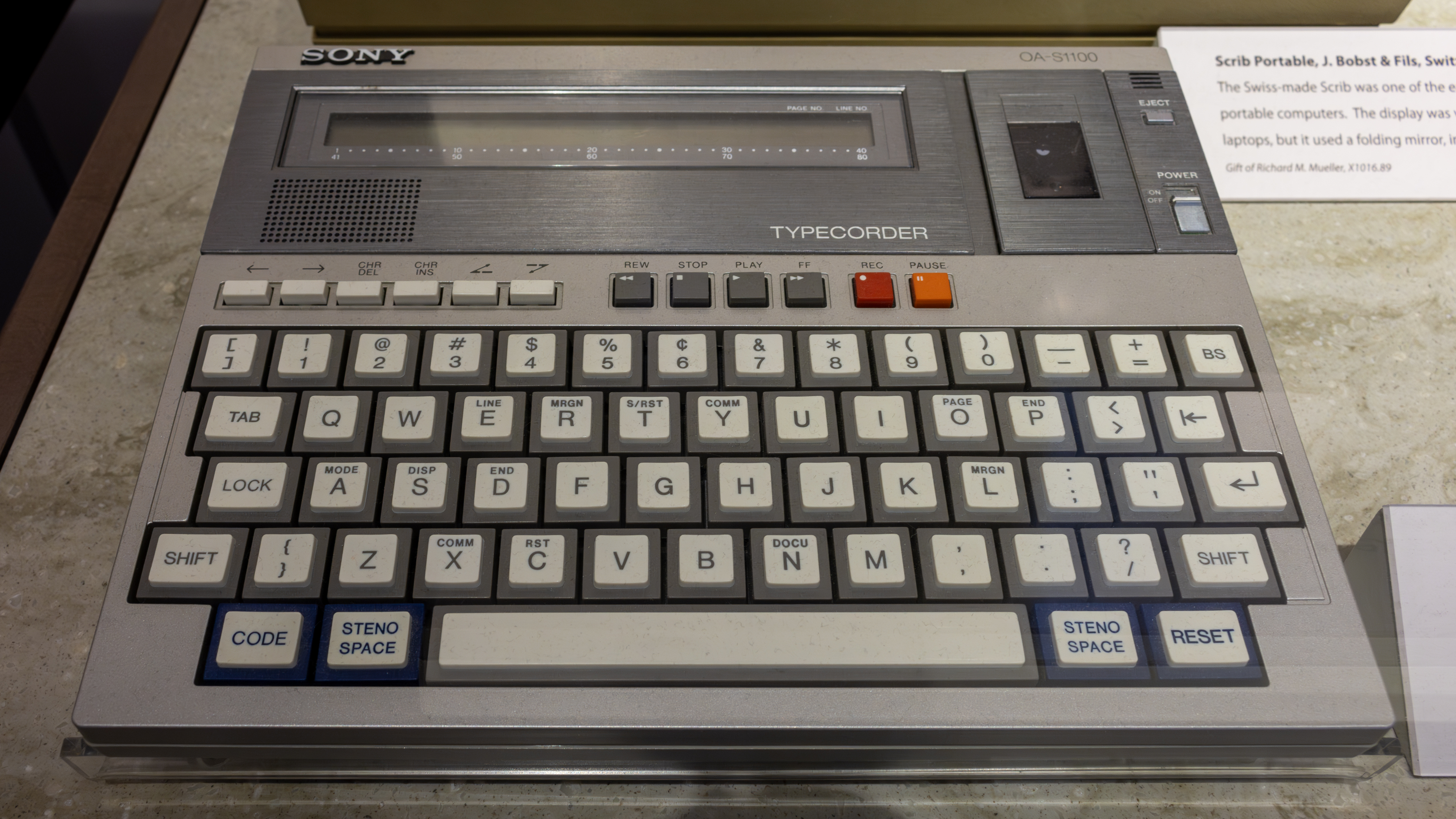
Sony Typecorder
A three-pound typewriter that stored up to 120 pages of text on a microcassette — and could fax it over a phone line
 1980
1980
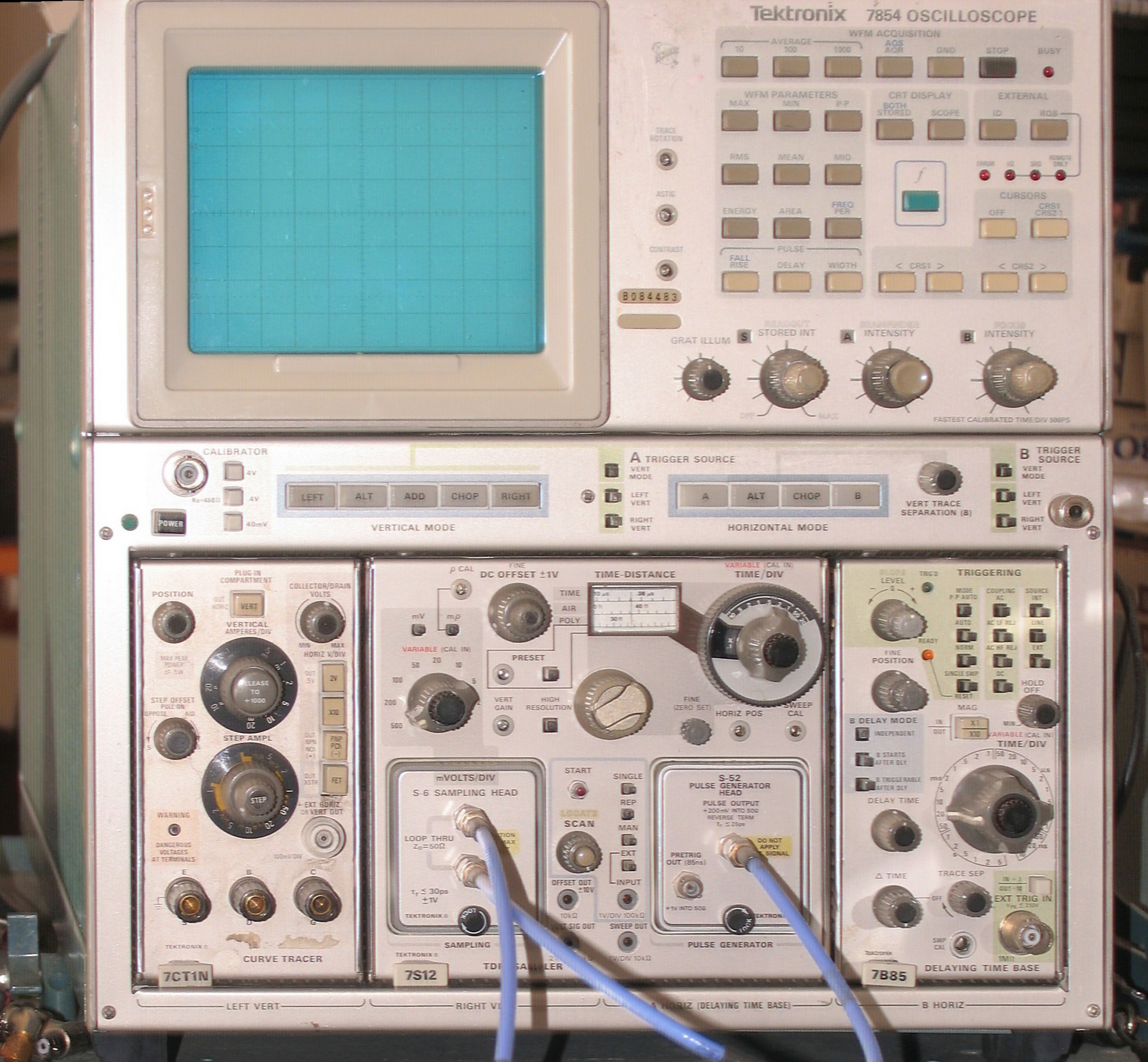
Tektronix 7854
The oscilloscope with a detachable RPN calculator keyboard — a lab instrument taught to compute
 1980
1980
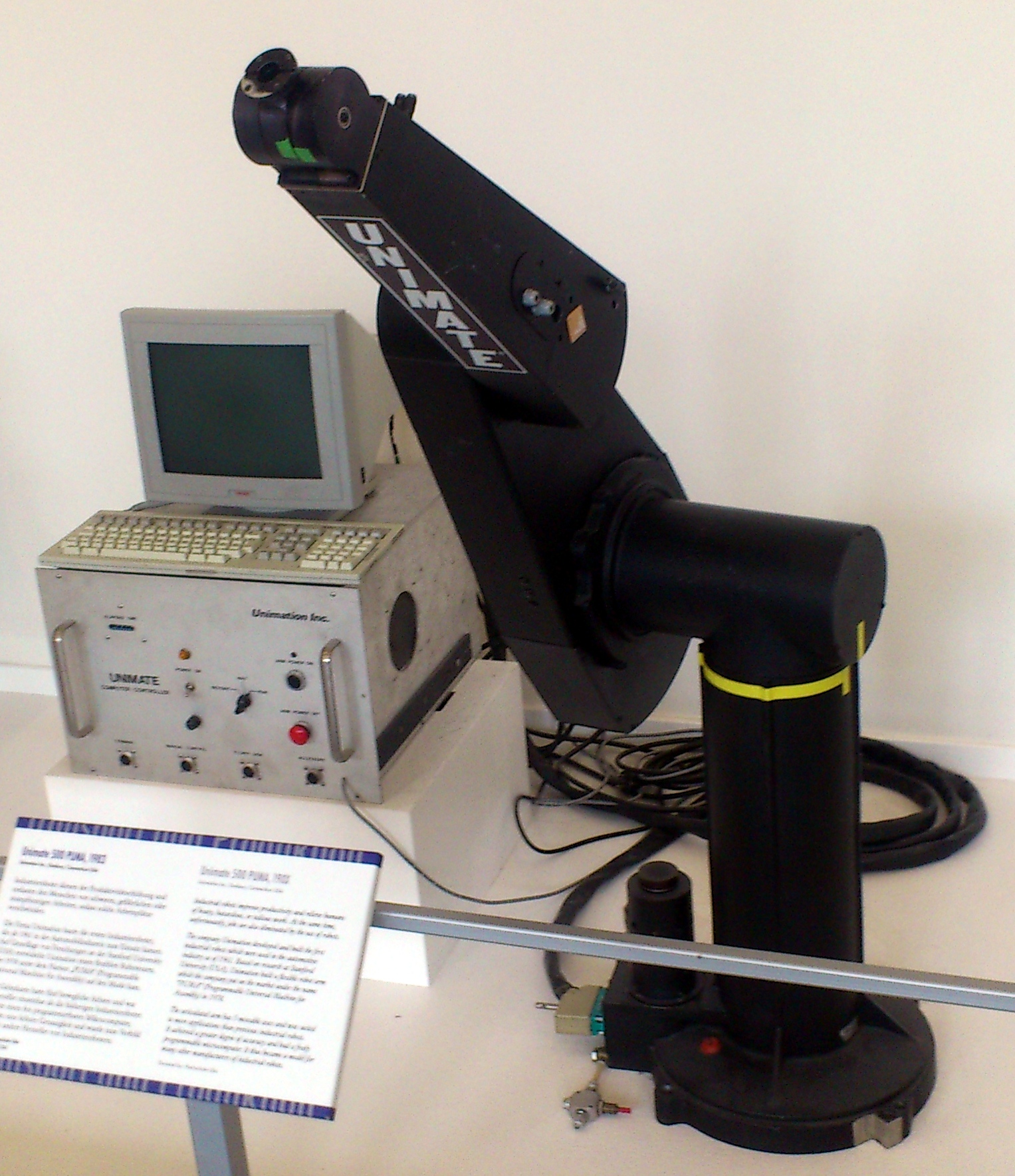
Unimation PUMA Teach Pendant / VAL
Programming a robot by grabbing it — jog buttons, a limp-mode arm, and a record key
 1980
1980
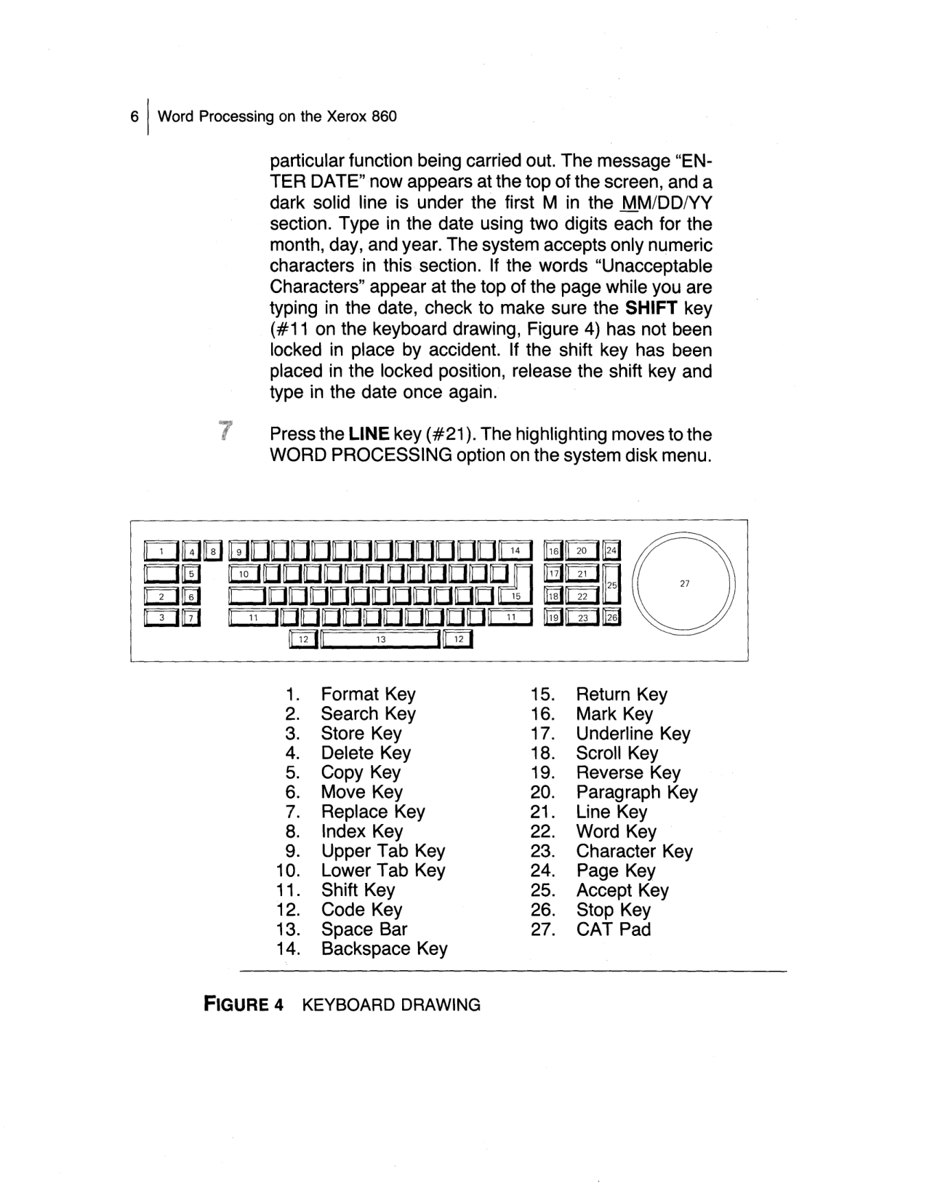
Xerox Cat
A circular capacitive touchpad — arguably the first shipped on a computer — in the Xerox 860 keyboard
 1980
1980
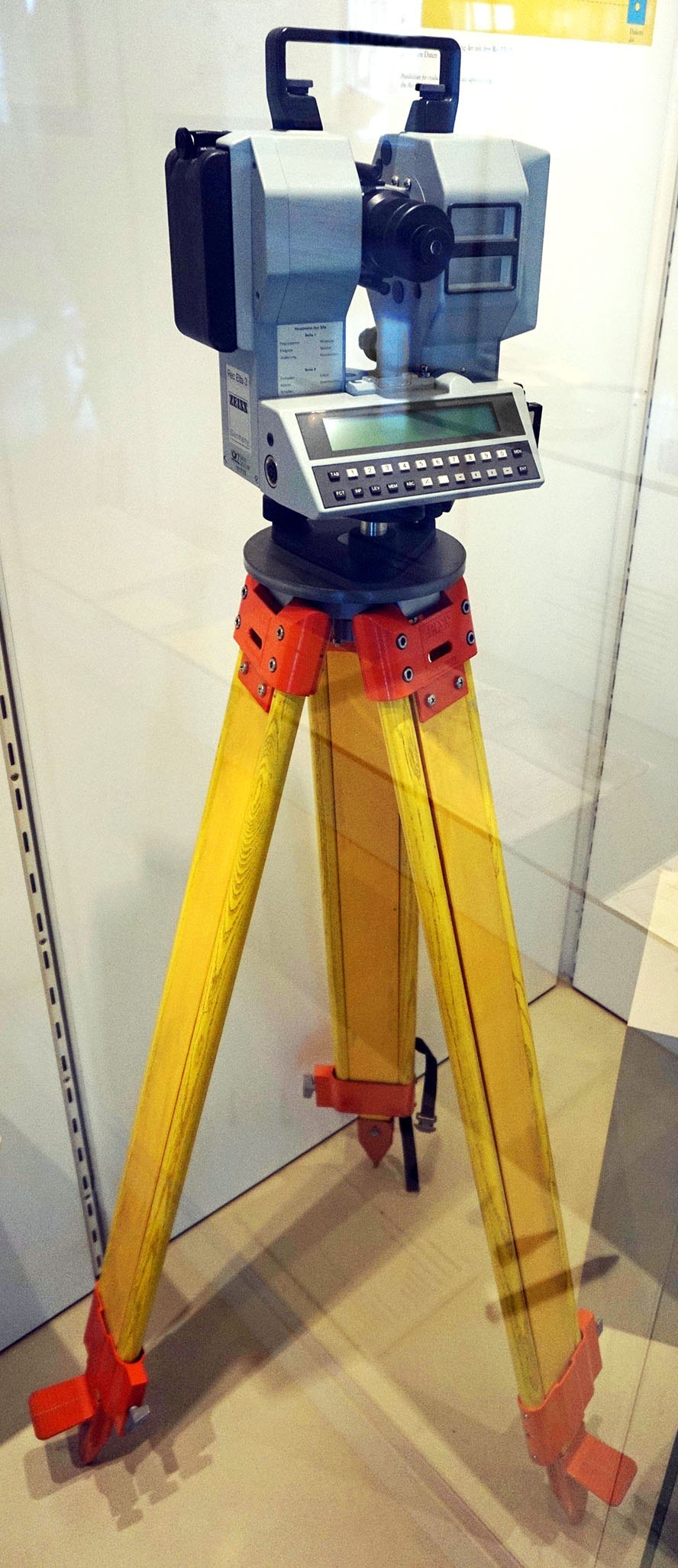
Zeiss REC-100 Field Data Recorder
A handheld electronic field book that a surveyor wears on a strap and cables into a telescope that reads the world
 1979
1979
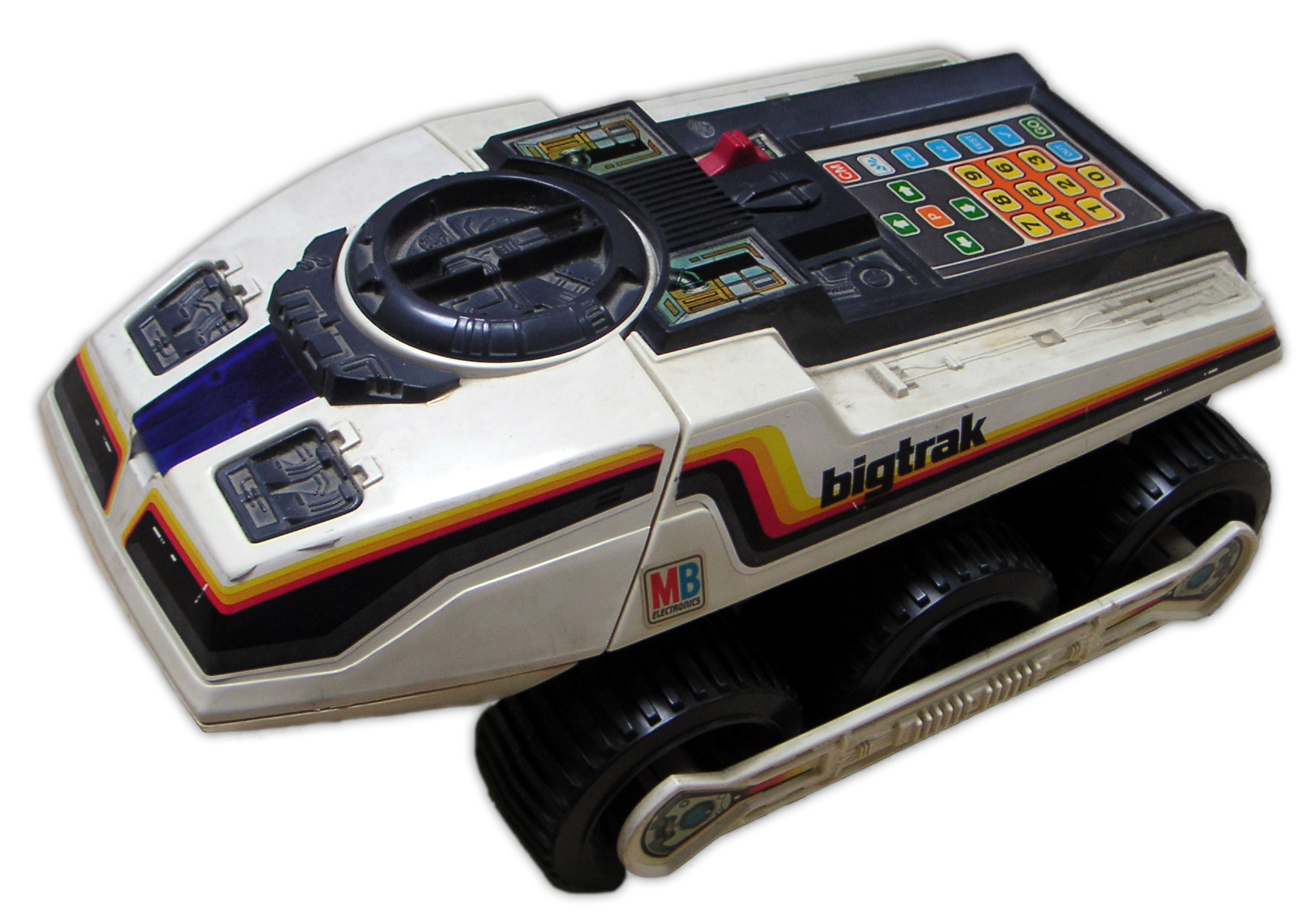
Big Trak
A programmable toy tank with a membrane keypad and a Texas Instruments brain, executing 16-step programs in the physical world
 1979
1979
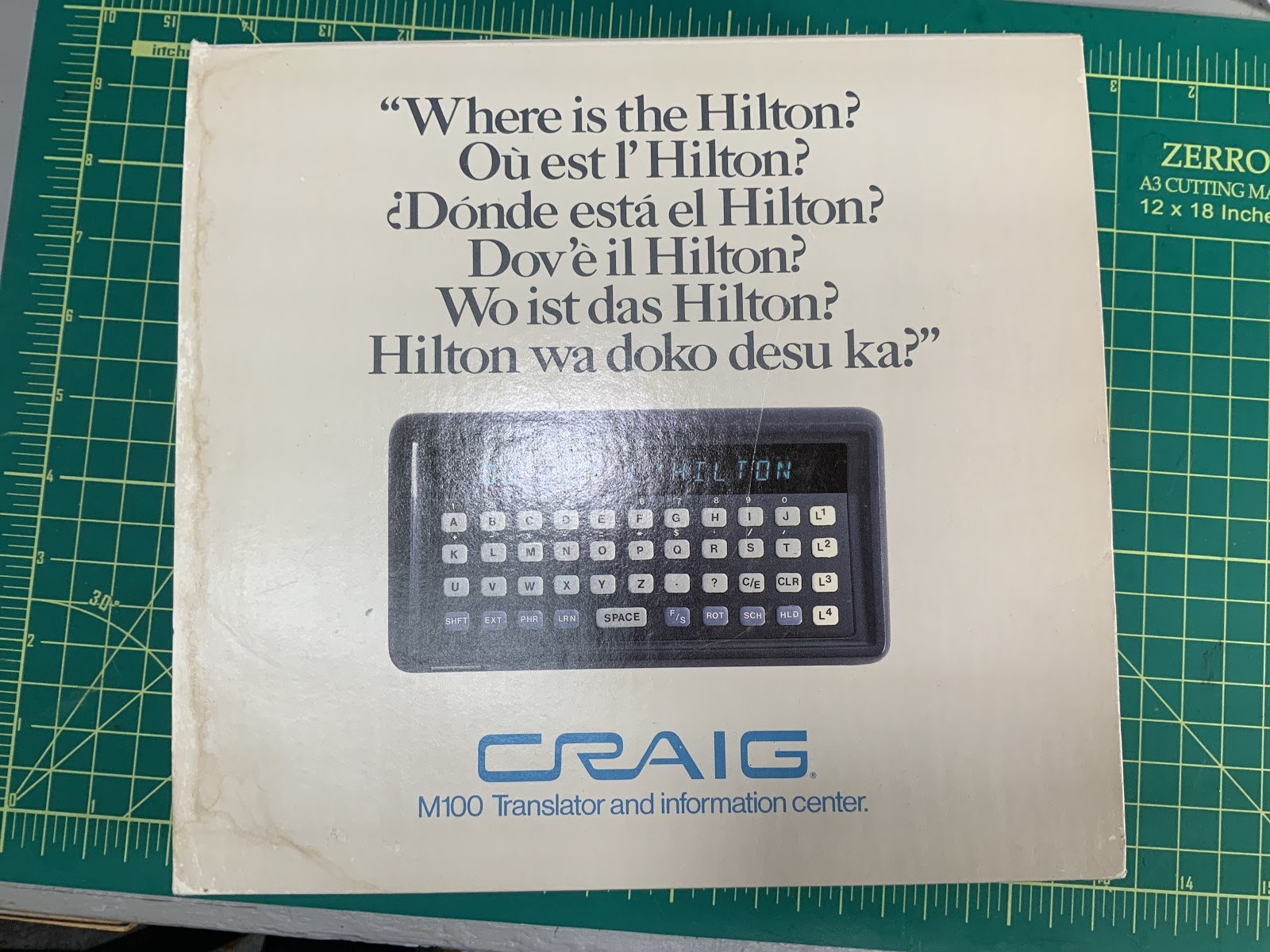
Craig M100 Hand-Held Translator and Information Center
A pocket translator that admitted when it was confused — flashing question marks instead of guessing
 1979
1979
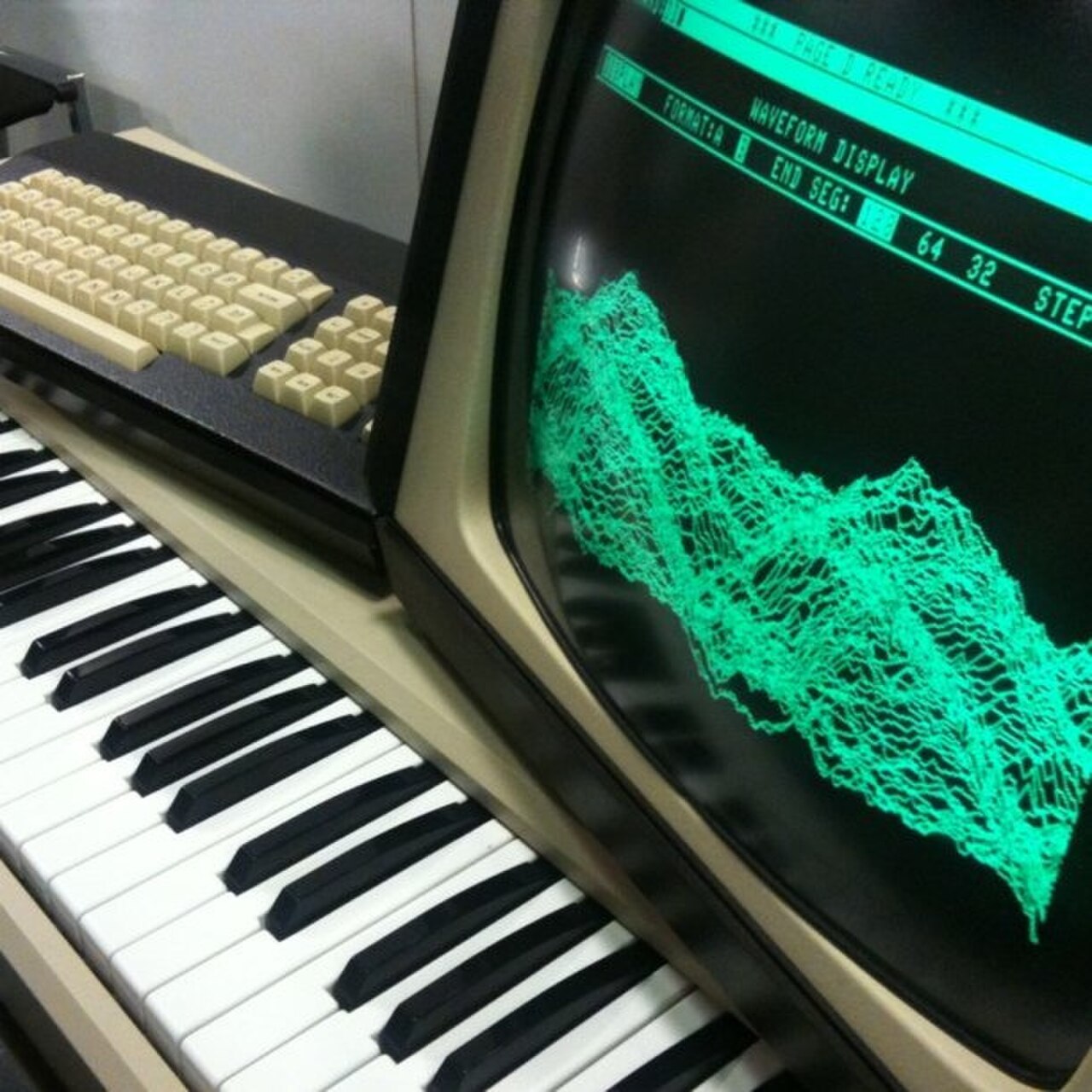
Fairlight CMI (Computer Musical Instrument)
The first digital sampling synthesizer — draw sound with a light pen.
 1979
1979
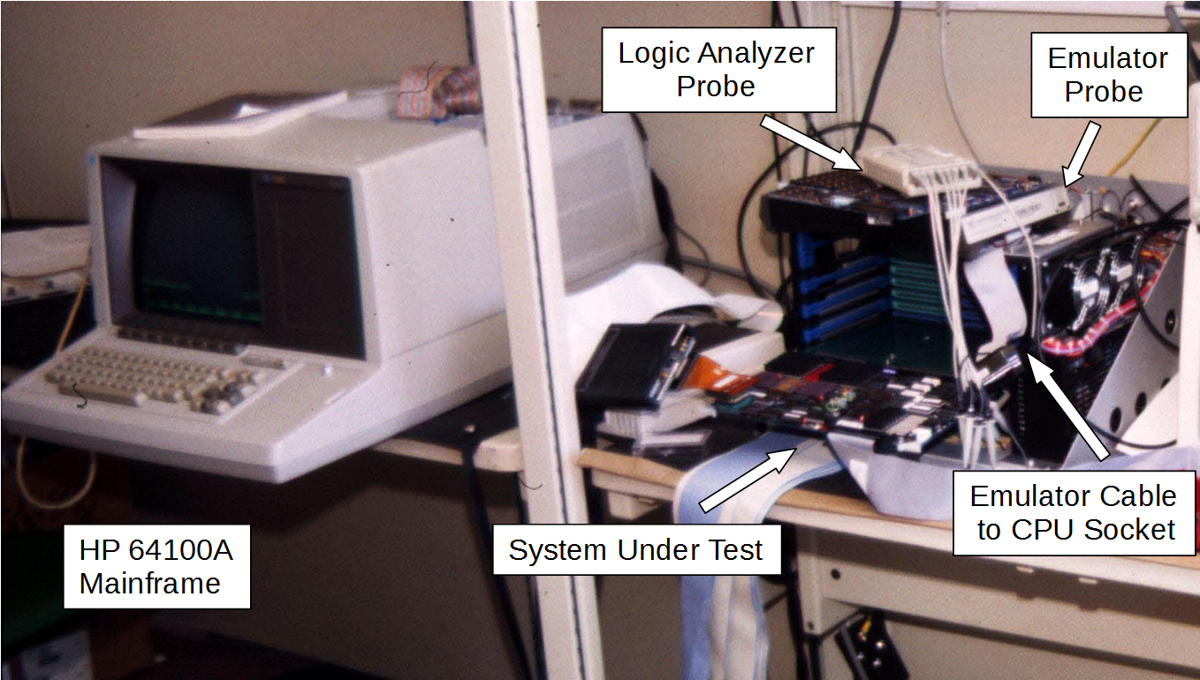
HP 64000 Logic Development System
A microprocessor development workstation whose front panel is software — function keys relabeled on the CRT by the operating system
 1979
1979
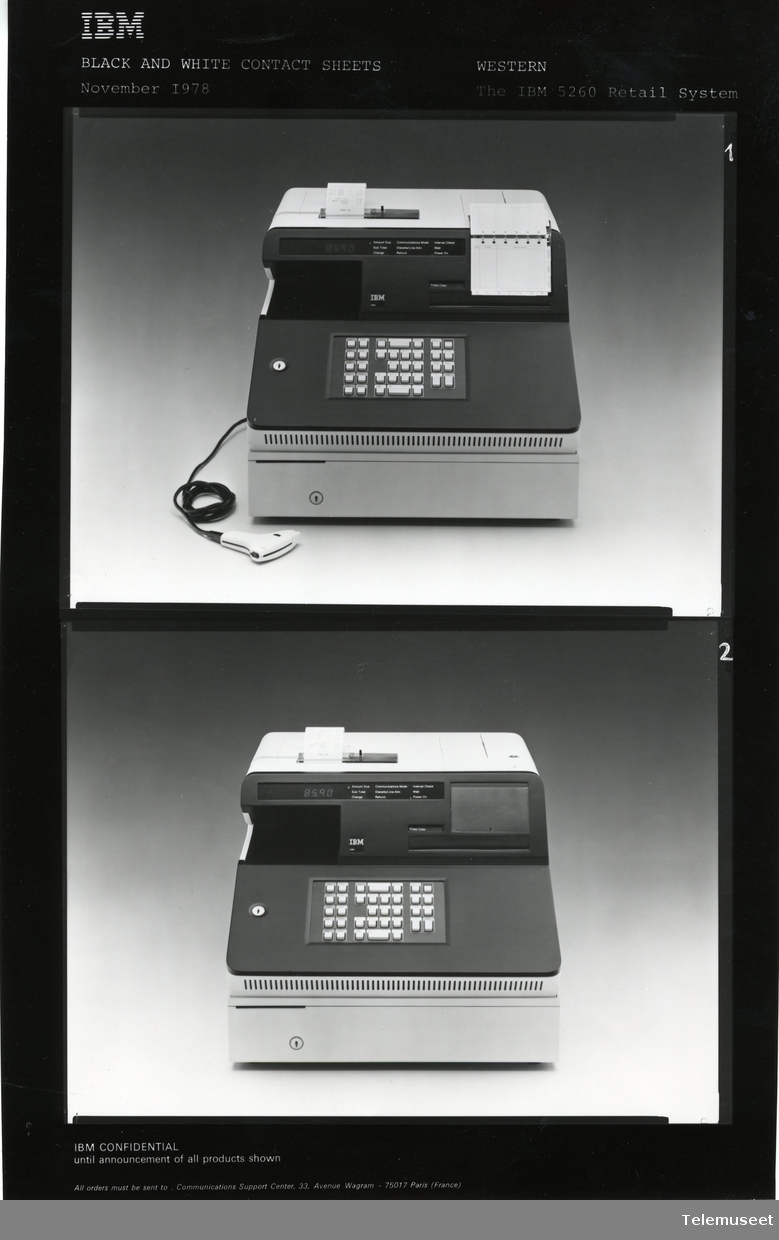
IBM 5265 Point of Sale Terminal
The register that guided its cashier with a rotating cylinder of printed prompts and was reprogrammed by laying paper overlays across deliberately awkward chicklet keys
 1979
1979
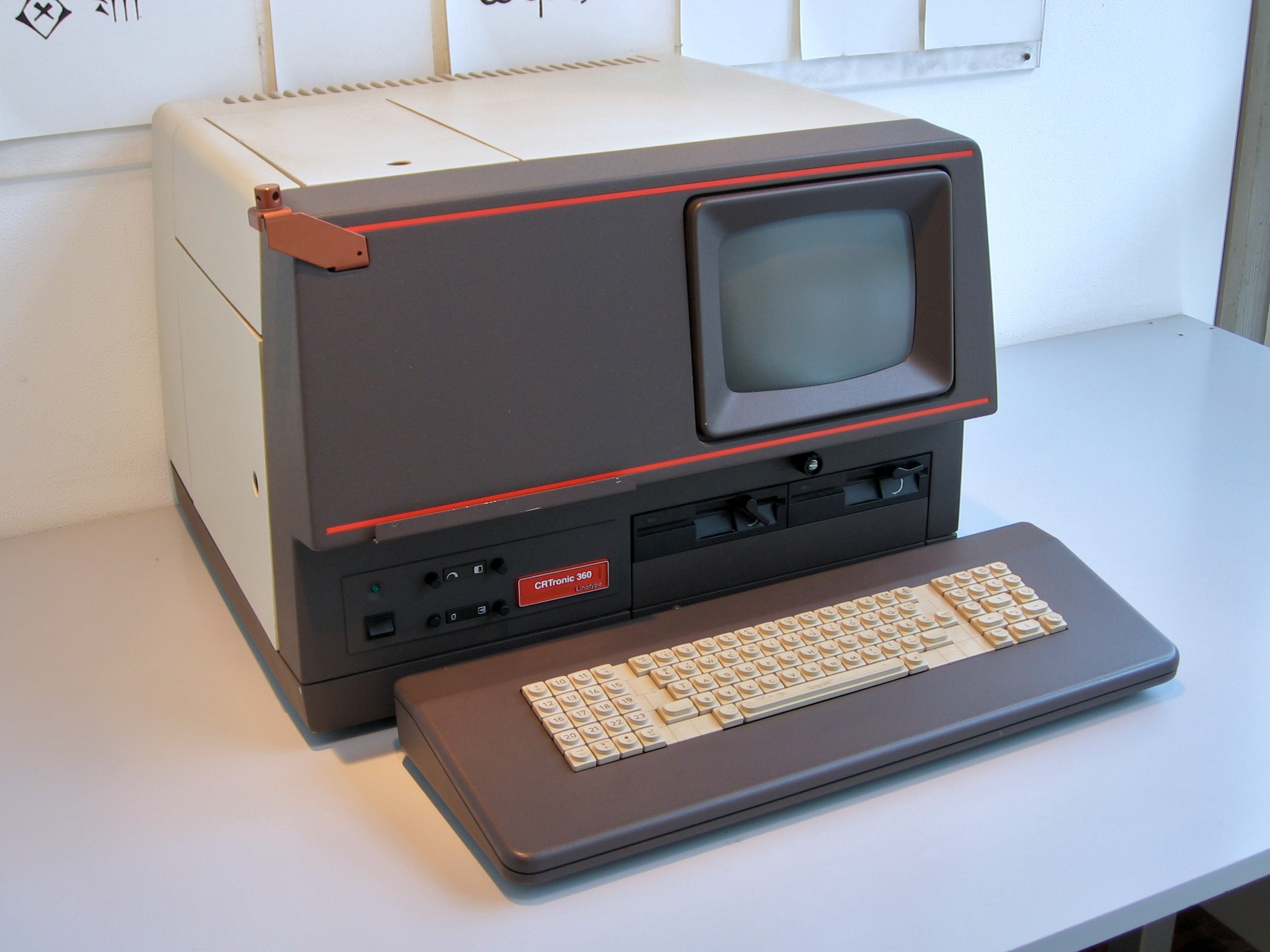
Linotype CRTronic
A digital phototypesetter where the operator reads a movable keyboard and a tiltable CRT, and watches remaining line length as a glowing light bar
 1979
1979
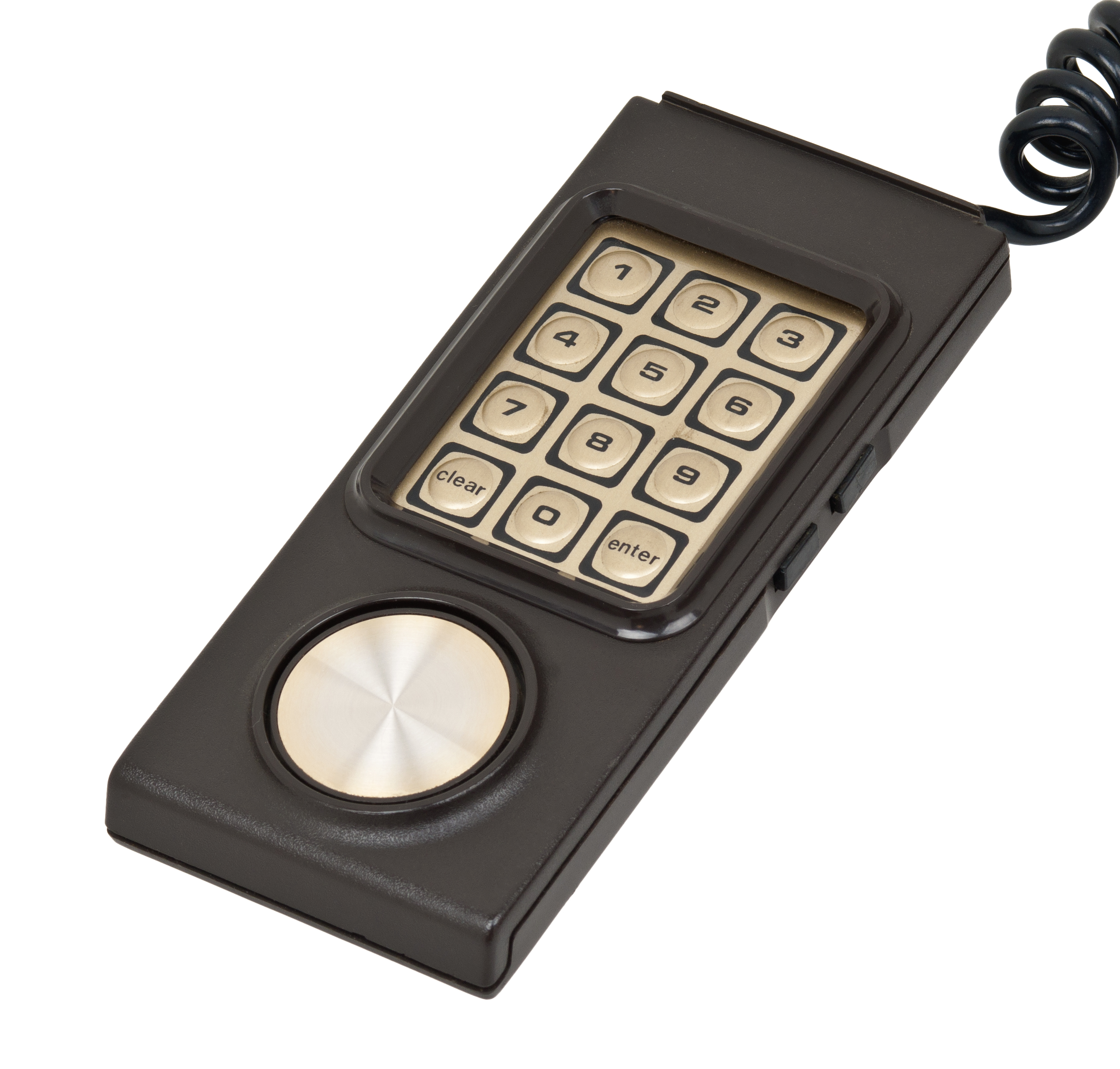
Mattel Intellivision
The console that turned a telephone keypad into a game controller and let a printed paper card redefine every button
 1979
1979
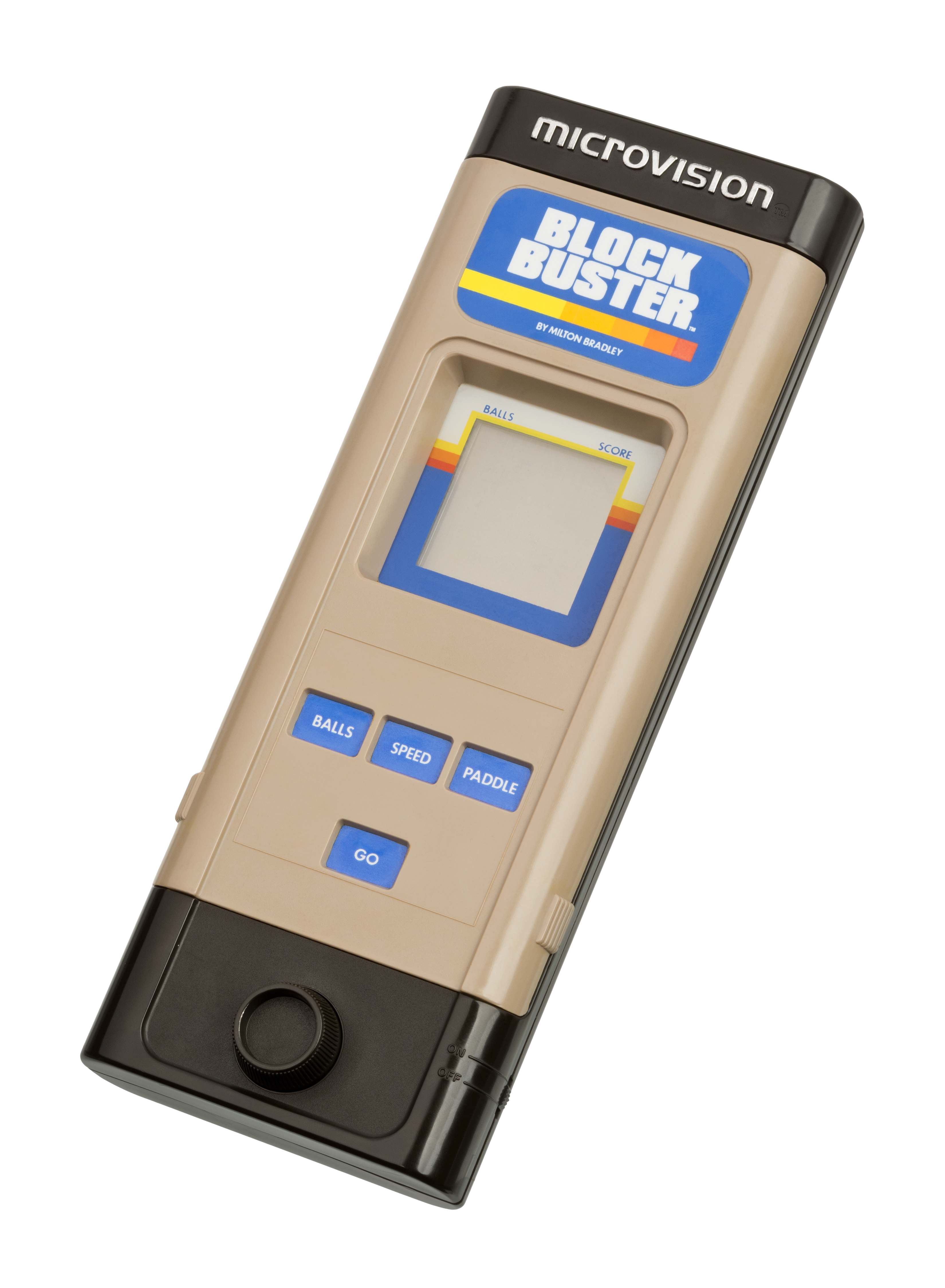
Milton Bradley Microvision
The first cartridge handheld — a console with no CPU, where every game is a different computer
 c. 1979
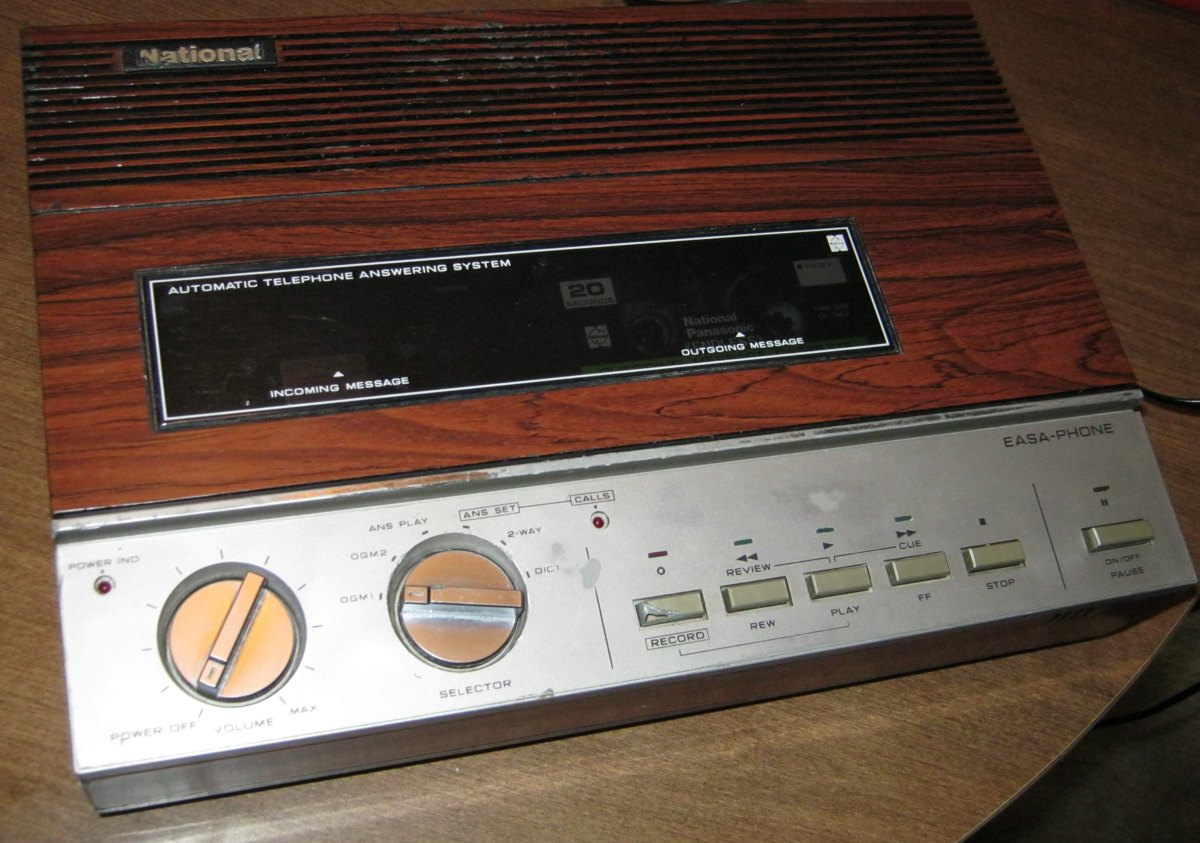
National Easa-Phone Answering Machine
The answerphone whose message tape physically cannot be rewound — an endless loop of magnetic tape
 1979
1979
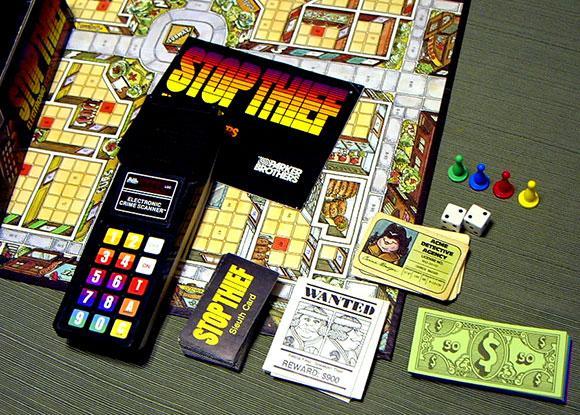
Stop Thief
The pocket computer that hides a thief and taunts you
 1979
1979
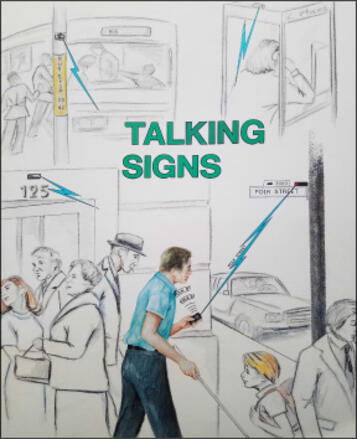
Talking Signs
The invisible city: infrared beams broadcasting spoken directions that only you can hear, turning the built environment into an ambient interface for blind navigation.
 1979
1979
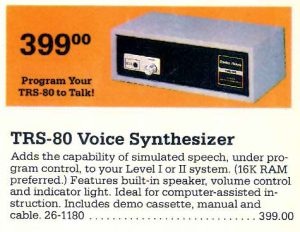
TRS-80 Voice Synthesizer
The speech synthesizer you programmed by writing to the screen
 1979
1979
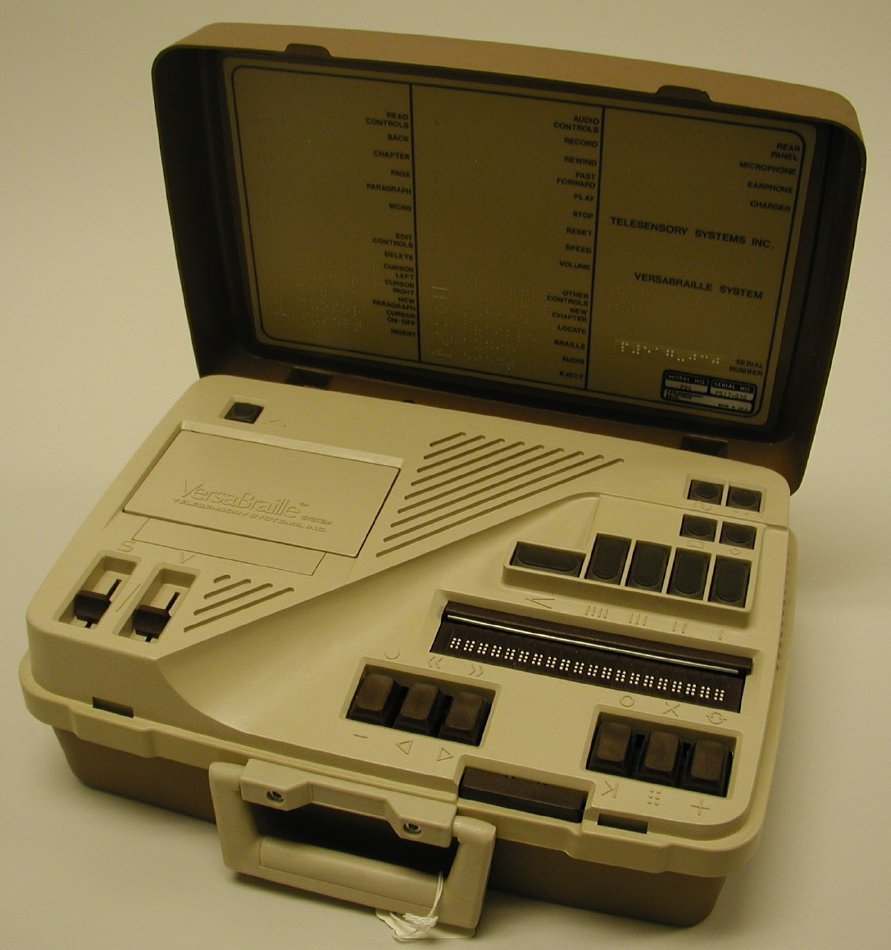
VersaBraille
The first American refreshable Braille display, turning screen text into raised dots under the fingers.
 1978
1978
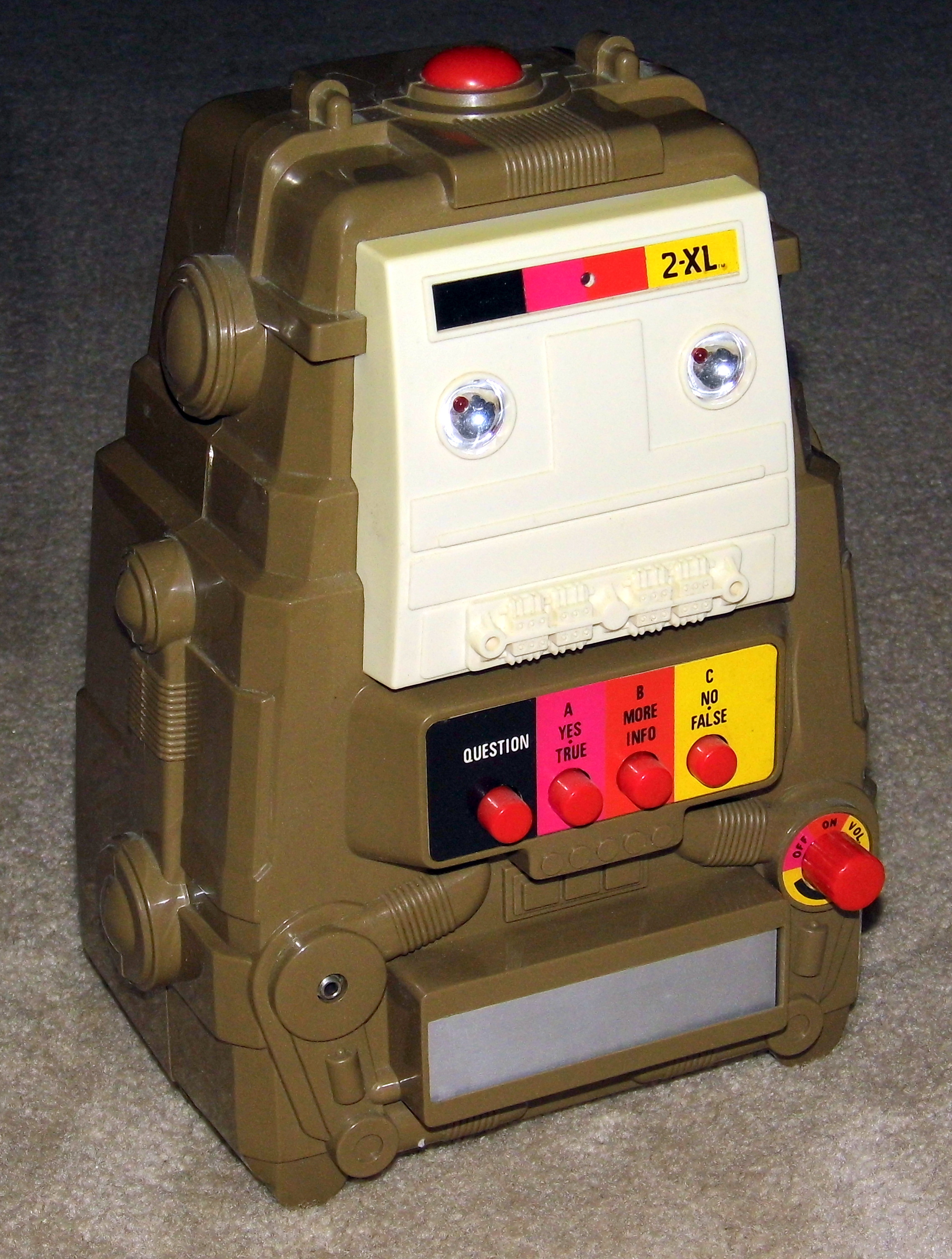
2-XL
A talking toy robot that used 8-track tape track-switching as an interactive branching mechanism — analog HCI at its most elegant.
 1978
1978
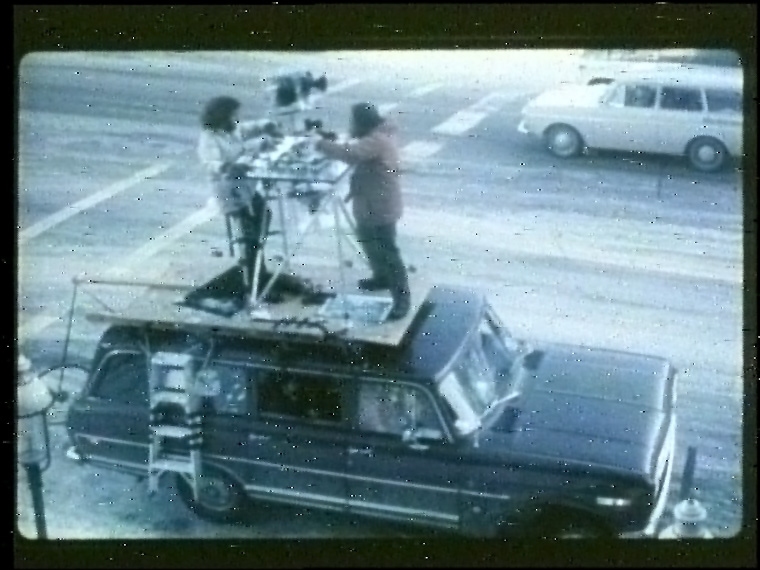
Aspen Movie Map
Drive through a filmed city with a touchscreen — surrogate travel before Street View
 1978
1978
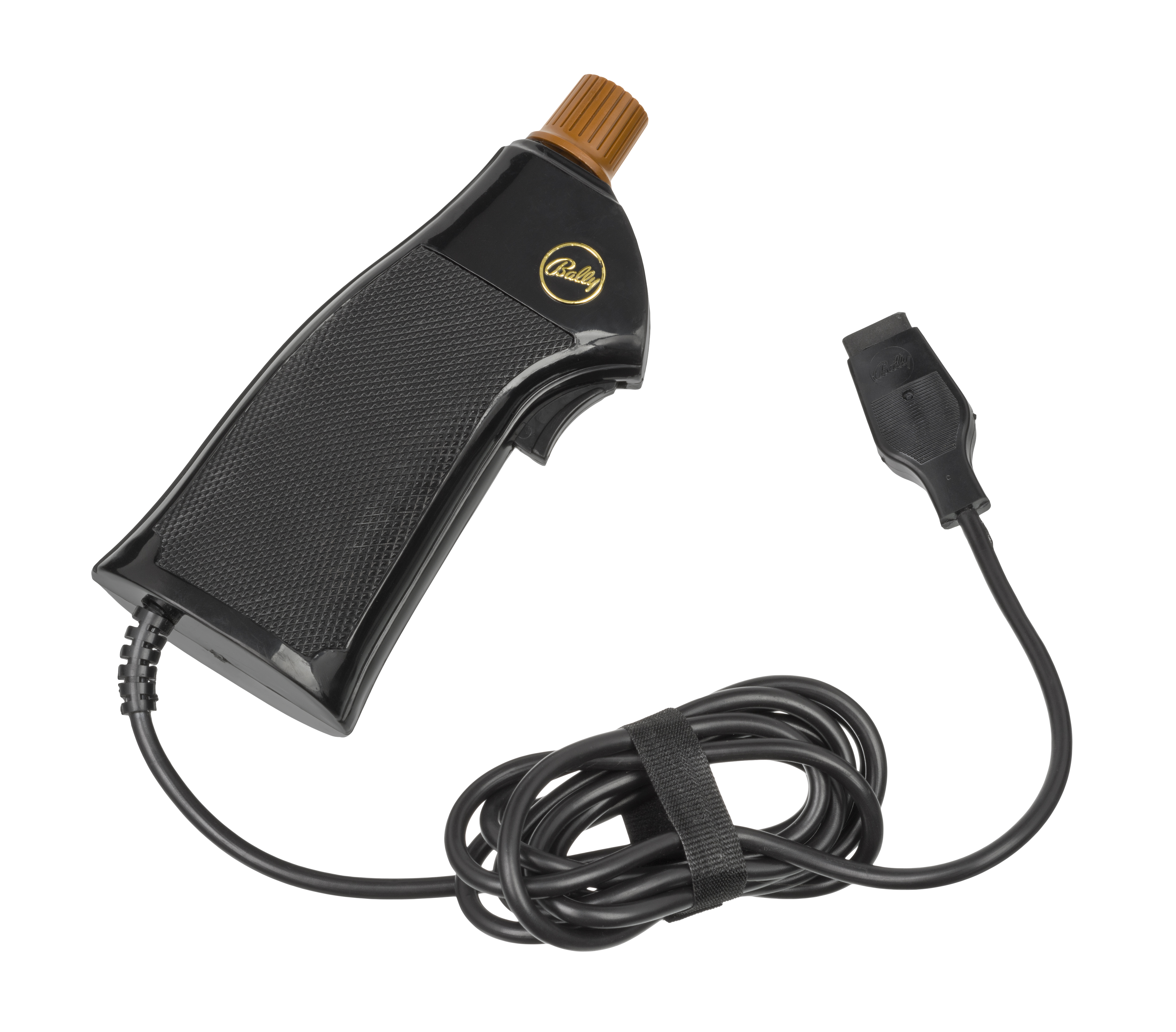
Bally Professional Arcade / Astrocade
A console you program by typing into the pixels — Bally BASIC lived inside the video RAM
 1978
1978
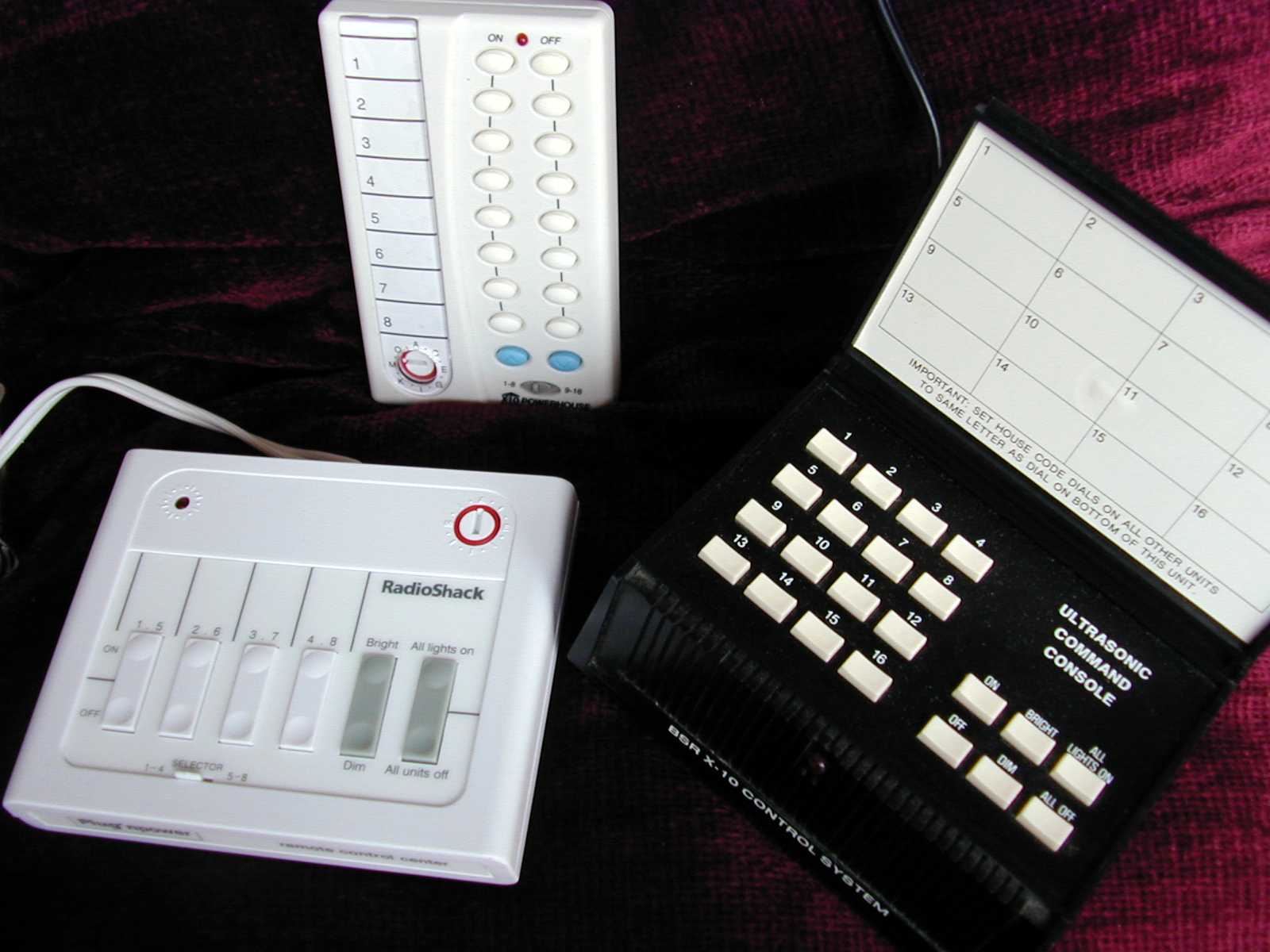
BSR/X10 Command Console
The first home-automation controller: a wedge of plastic whose rotary house-code dial and unit button grid command your whole house over the power line
 c.1978
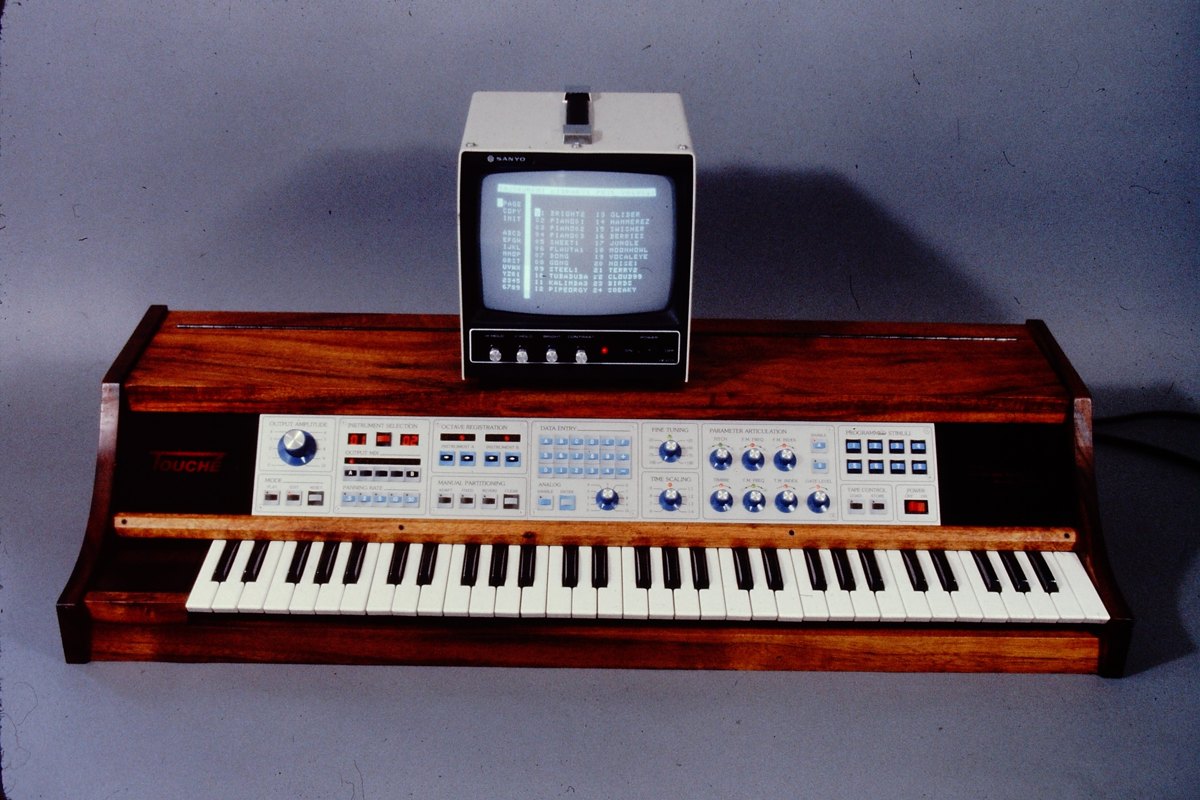
Buchla Touché
Don Buchla's reluctant piano keyboard atop a touch plate, programmed through a language called FOIL and a separate monitor
 1978
1978
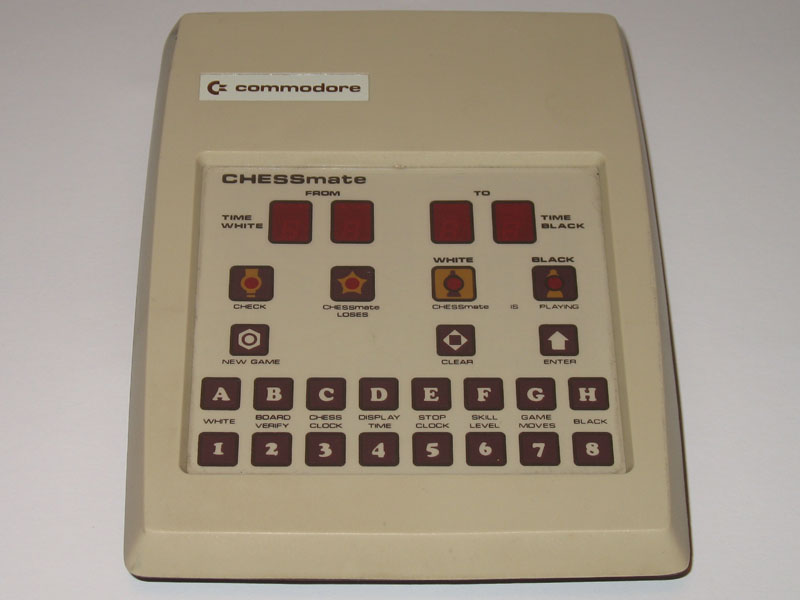
Commodore CHESSmate
A chess computer with no board — you play blindfold, typing moves as algebraic coordinates into a calculator-style keypad
 1978
1978
Cracklebox / Kraakdoos
The electronic instrument where the human body becomes a variable circuit component
 1978
1978
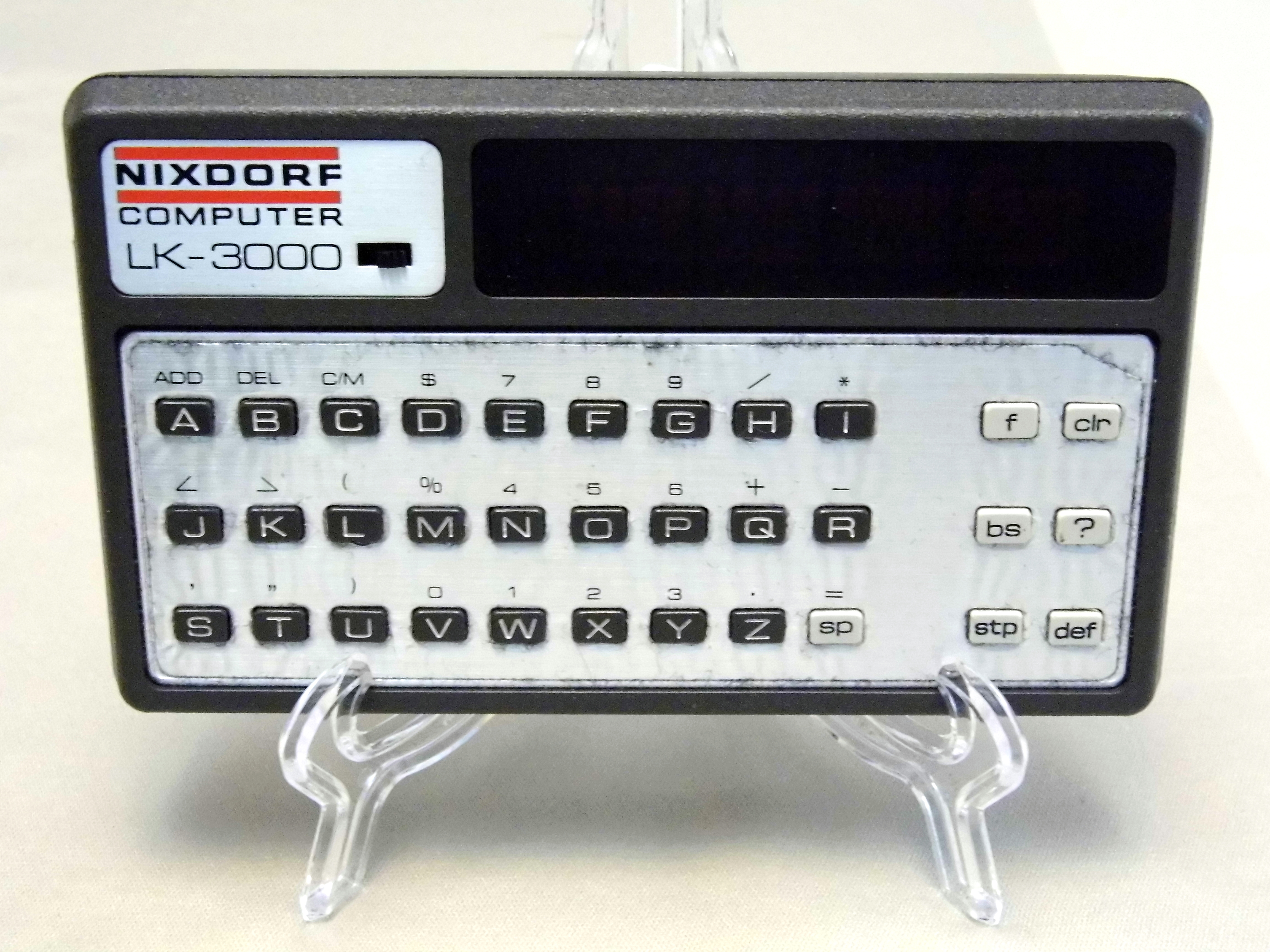
Lexicon LK-3000 (1978)
A pocket translator with no brain of its own — you swap the whole CPU and ROM cartridge by hand to change its function
 1978
1978
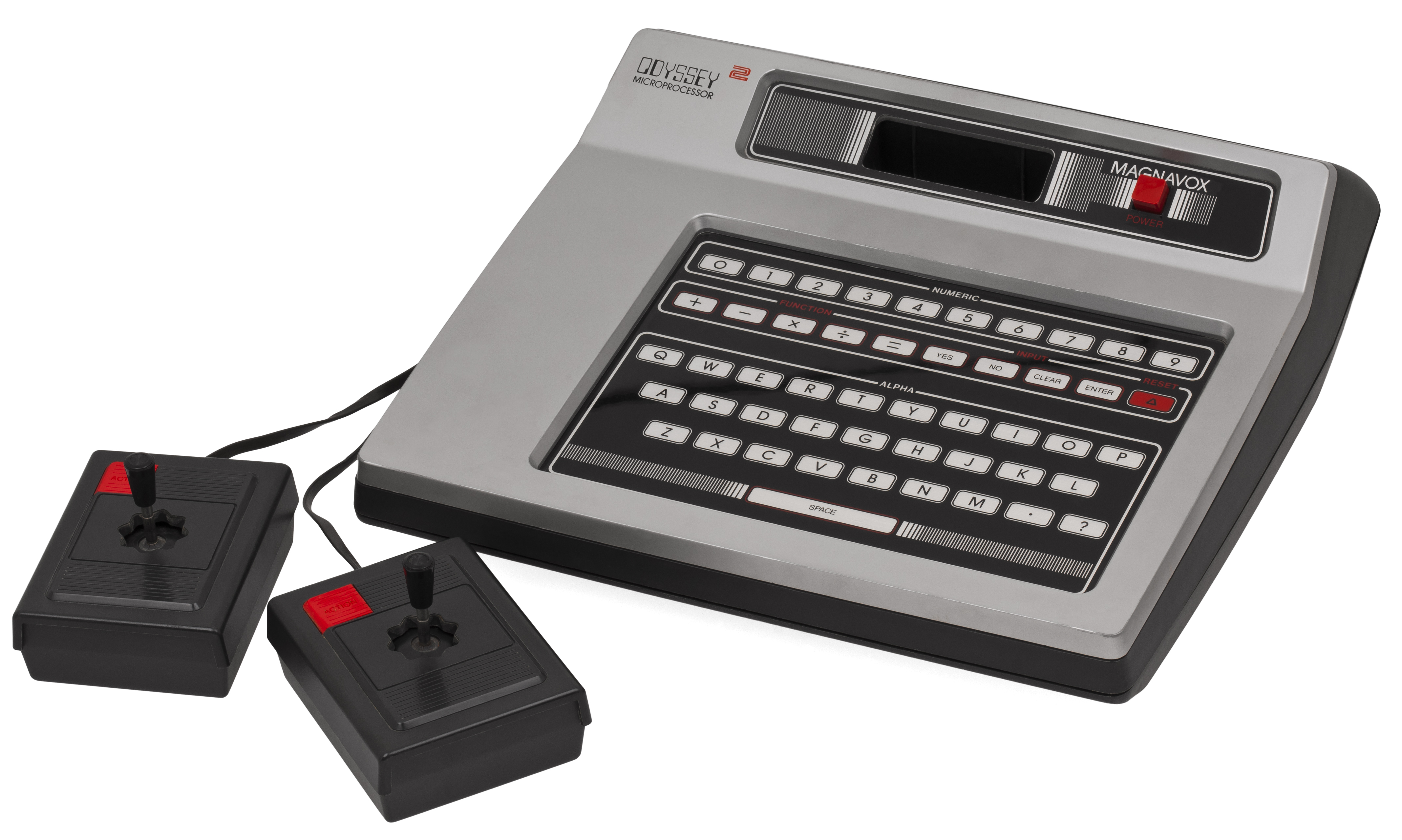
Magnavox Odyssey 2 / Philips Videopac G7000 (1978)
A game console that grew a full QWERTY keyboard, a speech-synthesis module, and a tactile board-game/video-game hybrid
 1978
1978
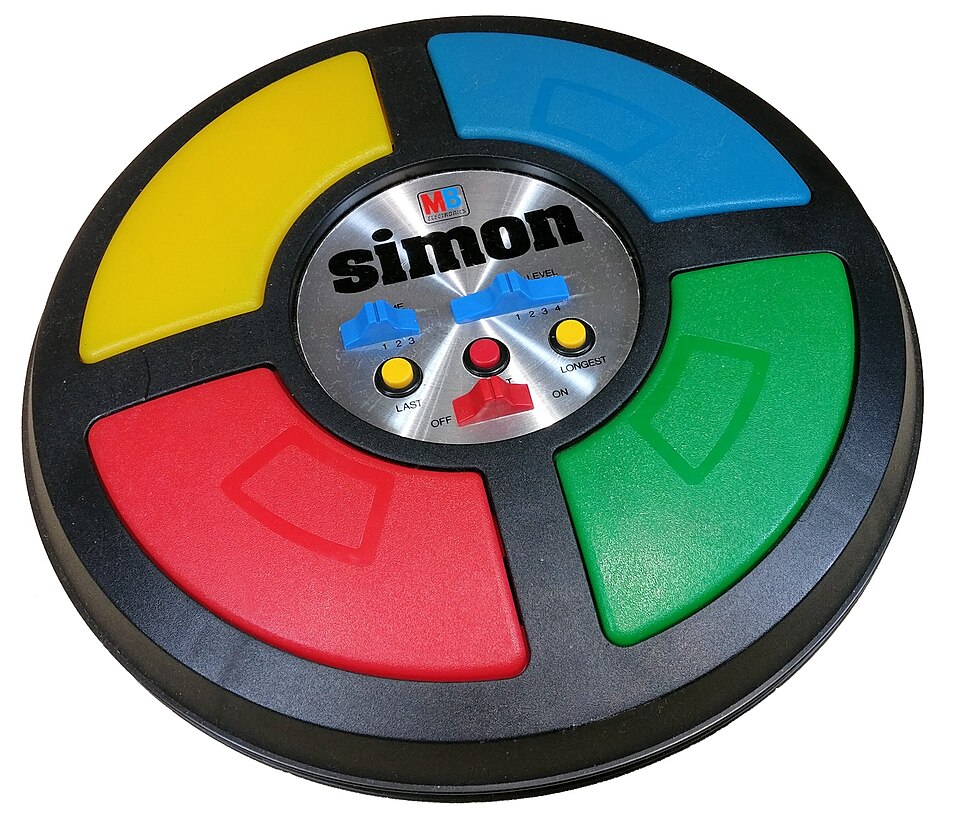
Milton Bradley Simon
A Texas Instruments TMS1000 microcontroller, four mechanical lighted push-buttons, and an A-major triad — the closed-loop microcontroller-mediated memory game that defined a genre
 1978
1978
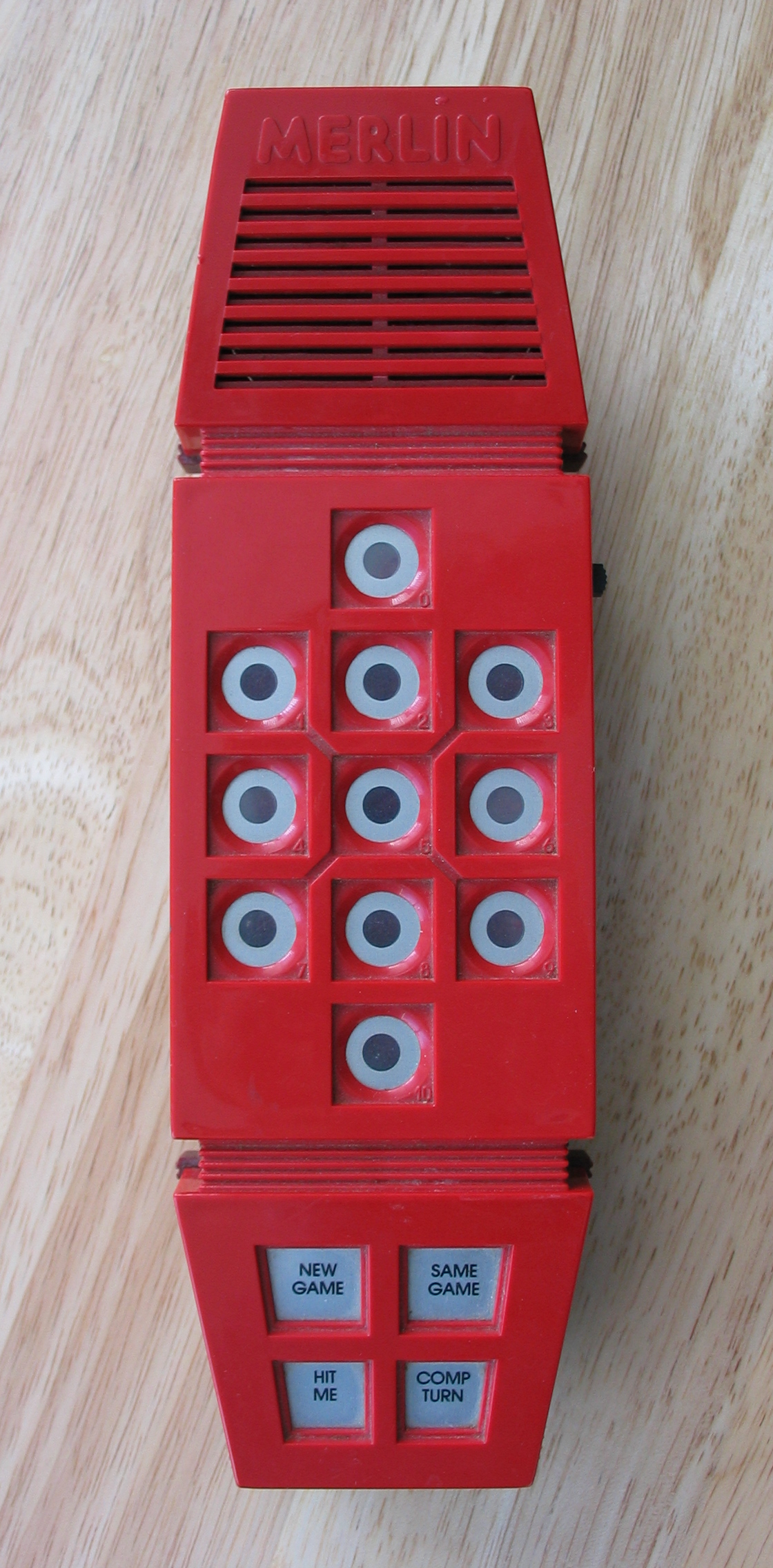
Parker Brothers Merlin
The toy that played games with you — eleven glowing keys that were both your input and its only screen
 1978
1978
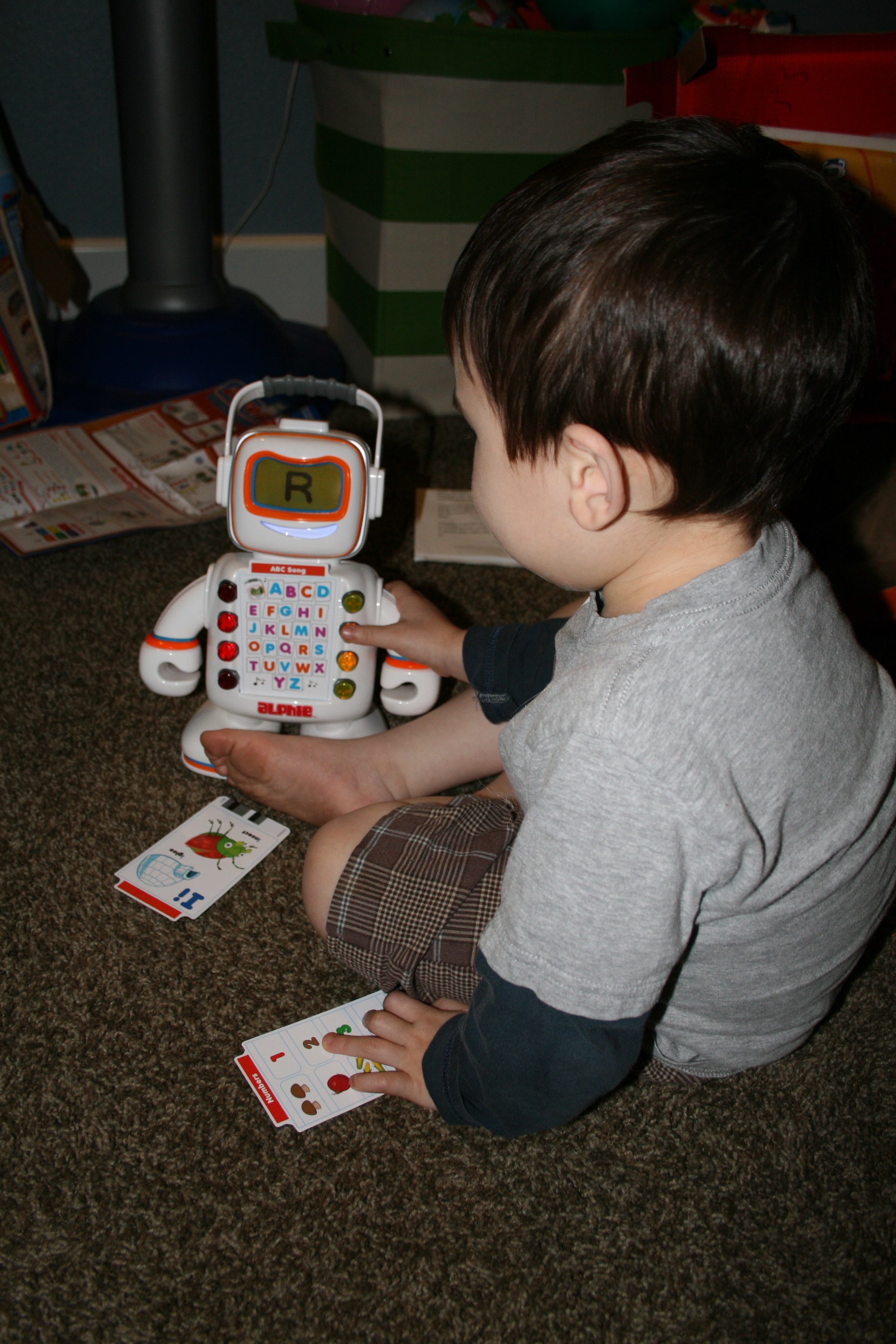
Playskool Alphie
The educational robot whose 'software' was printed cardboard — insert a card, press buttons, learn
 1978
1978
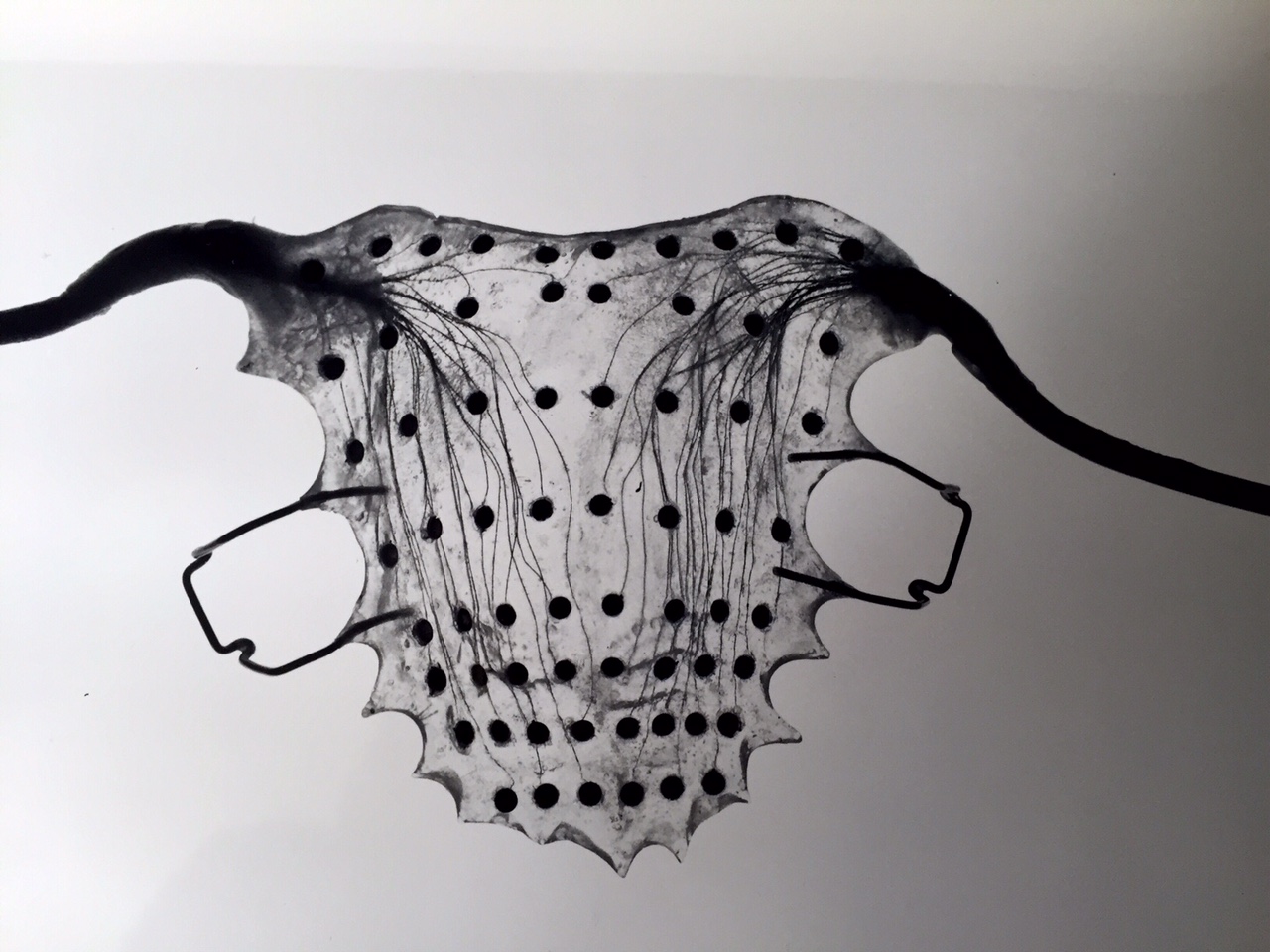
Reading Electropalatography System
A computer worn inside the mouth—62 gold electrodes on a custom acrylic palate turned invisible tongue movements into a real-time visual targeting game.
 1978
1978
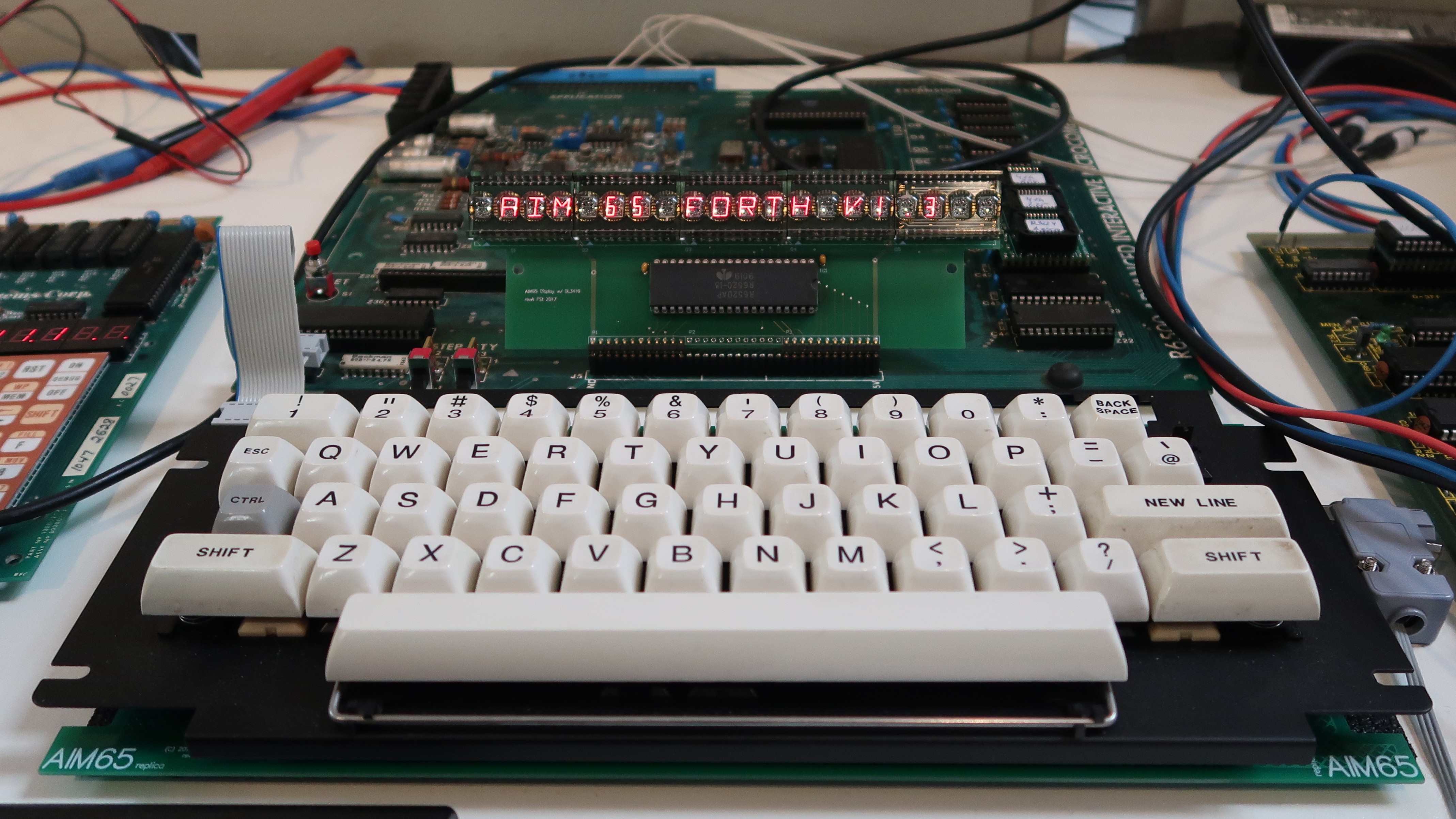
Rockwell AIM-65
The single-board computer that talks back on paper
 1978
1978
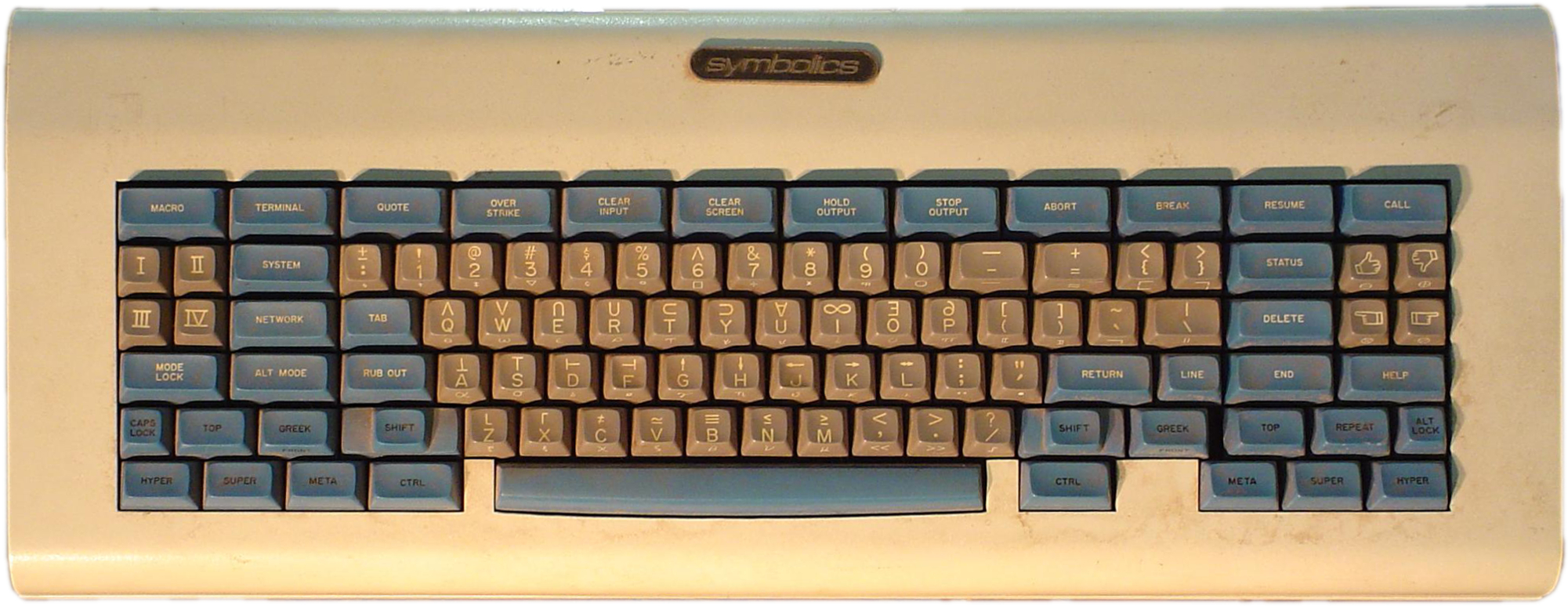
Space-Cadet Keyboard
The MIT Lisp-machine keyboard where chording five modifier bits and three shift levels gives a typist thousands of distinct single-keystroke commands
 1978
1978
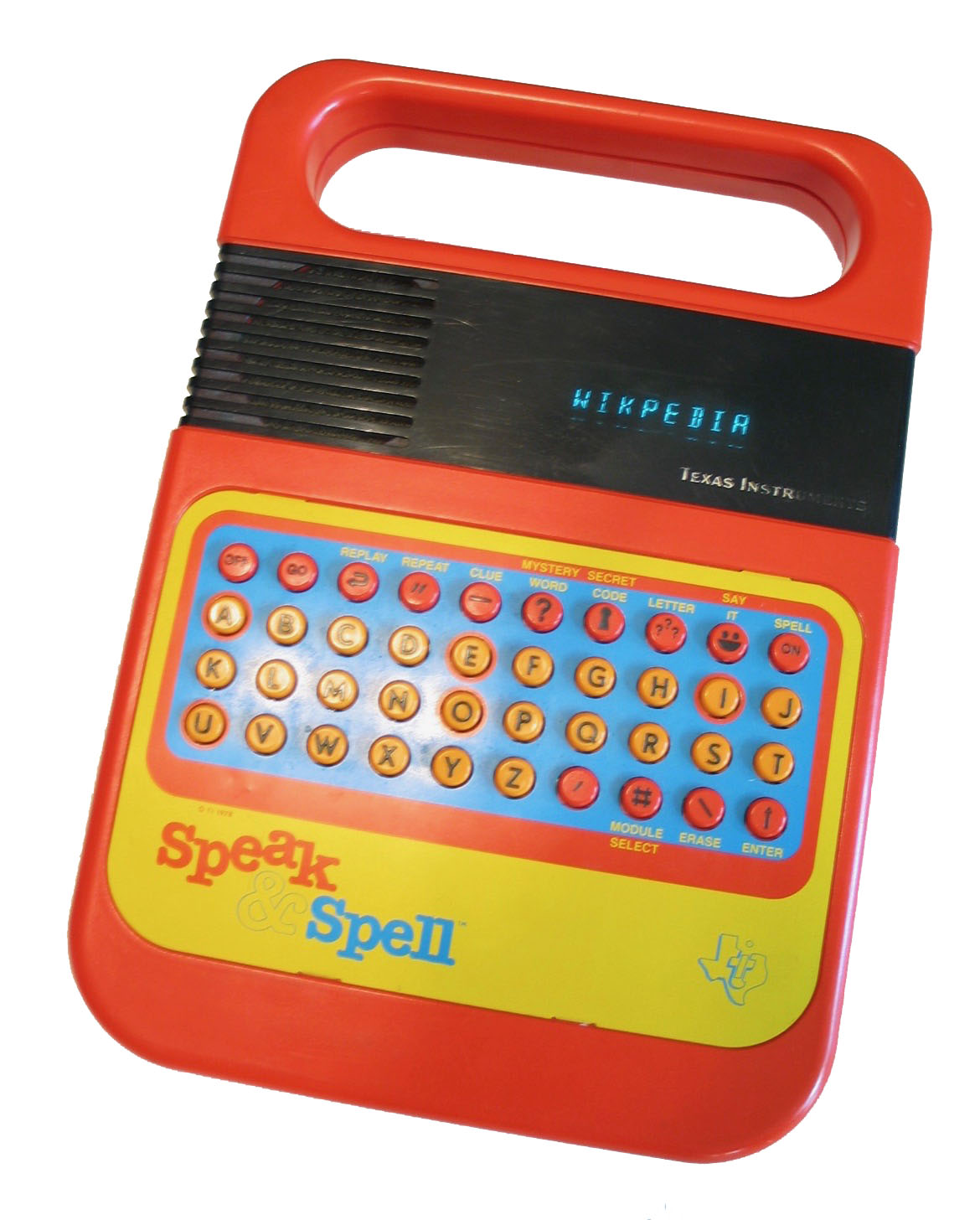
Speak & Spell
The first talking chip
 1978
1978
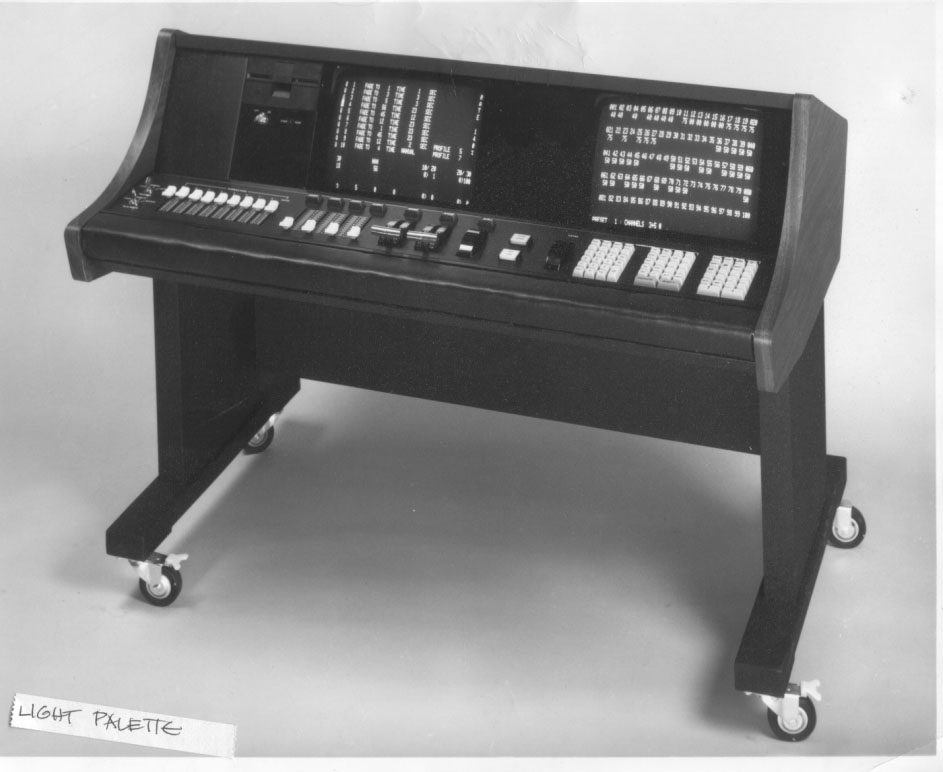
Strand Light Palette
The lighting designer's command line — type sentences like 'CH 1 @ 5', and the theatre obeys
 1978
1978
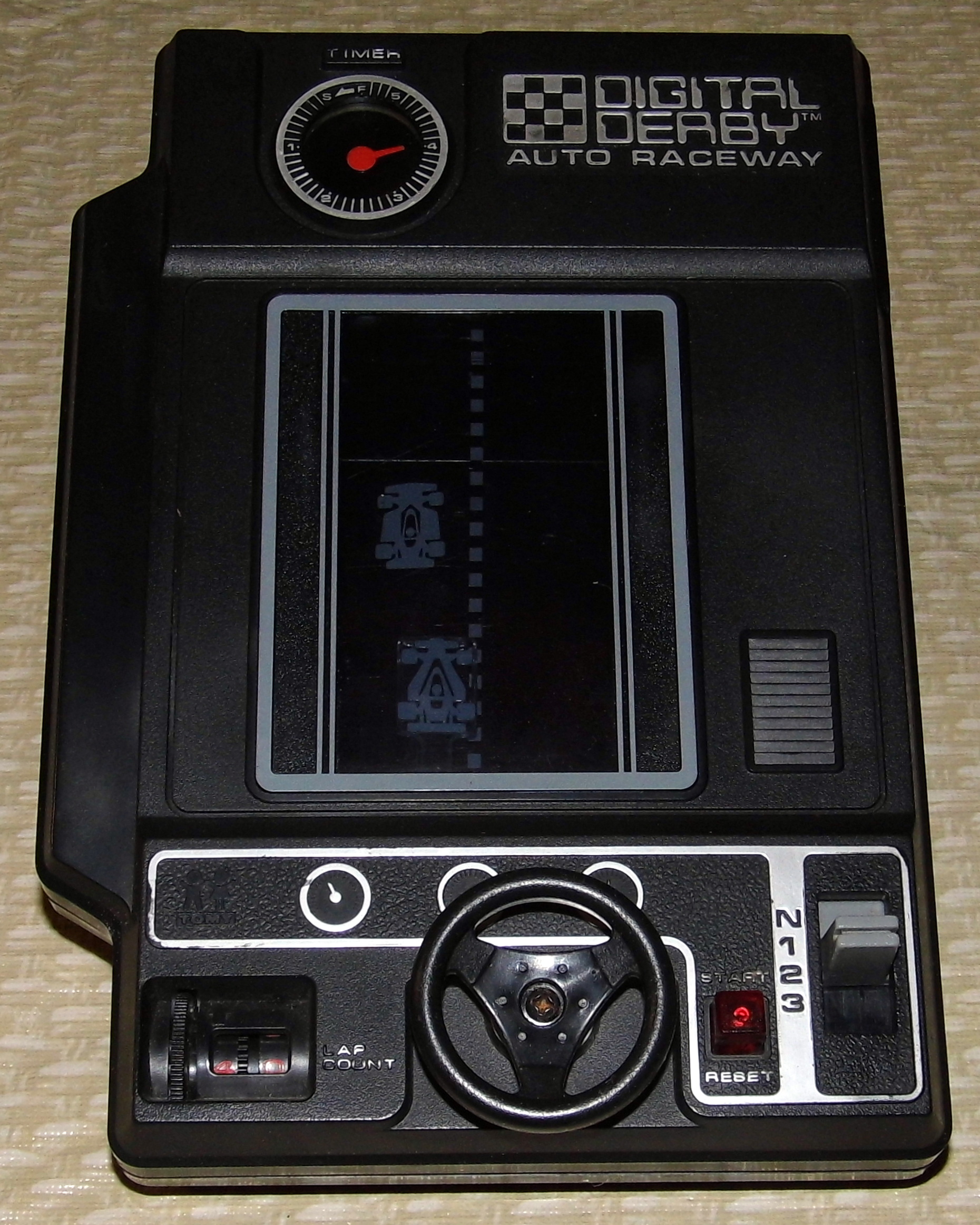
Tomy Digital Derby (1978)
A palm-sized race you steer with a physical wheel, not a switch
 1978
1978
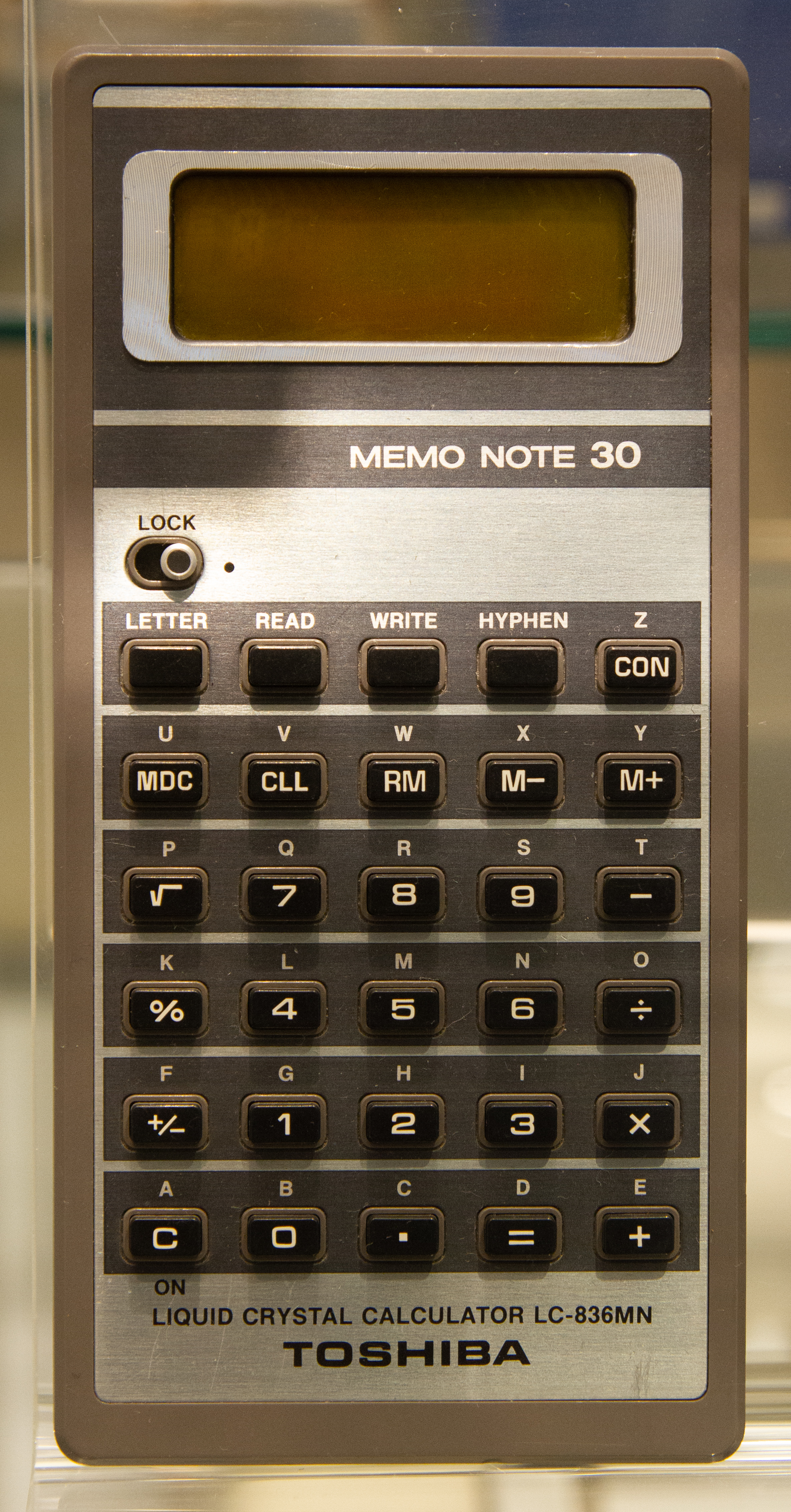
Toshiba LC-836MN Memo Note 30
The first portable electronic data bank — a calculator you type names into, one 8-segment character at a time
 1970s–80s
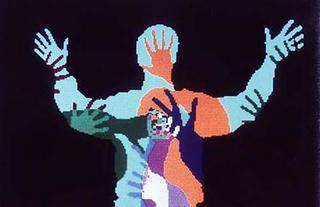
VIDEOPLACE
Artificial reality without goggles
 1978
1978
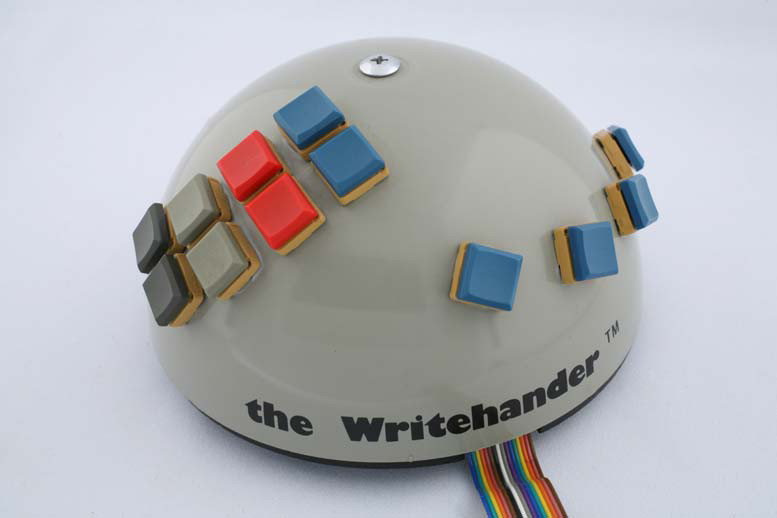
WriteHander
Twelve-key one-handed chording keyboard for left or right hand.
 1977
1977
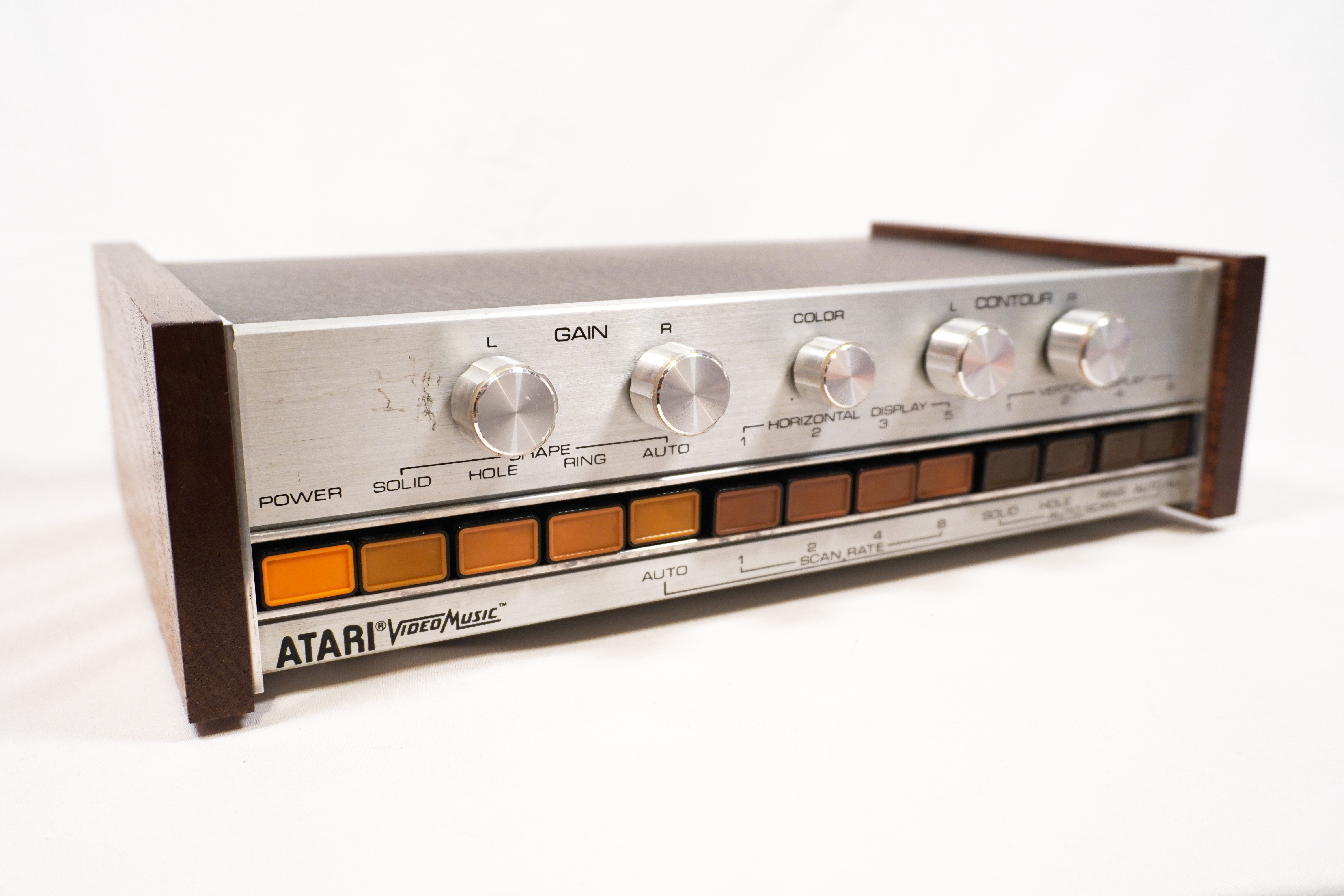
Atari Video Music / C-240
The first commercial music visualizer — five knobs and a walnut box that turned your stereo into abstract television
 1977
1977
BBN Spacegraph
A true 3D display — a vibrating mirror sweeps a CRT image through a volume of air you point into
 1977
1977
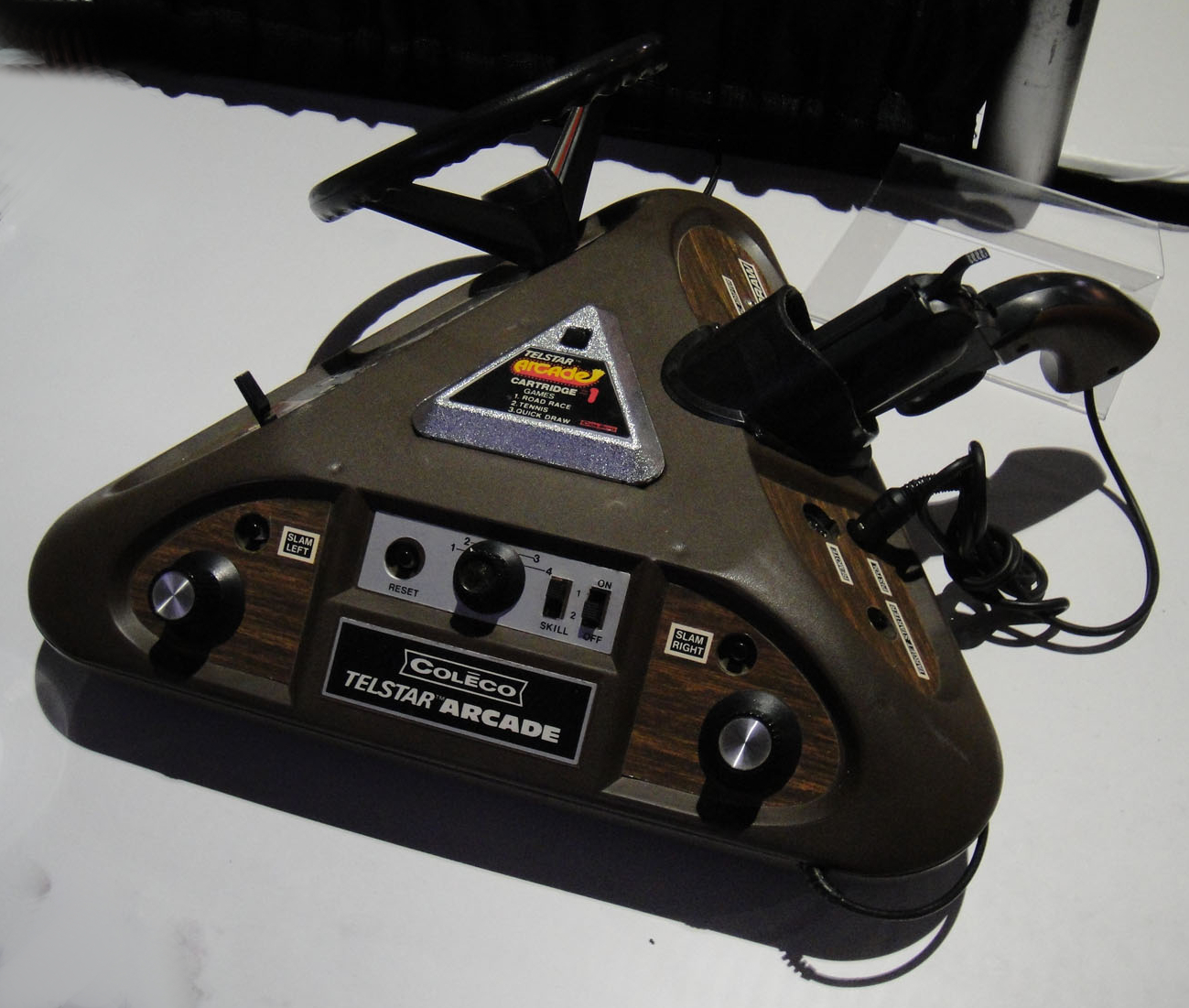
Coleco Telstar Arcade
The triangular 3-in-1 console whose body WAS the controller — rotate to play
 1977
1977
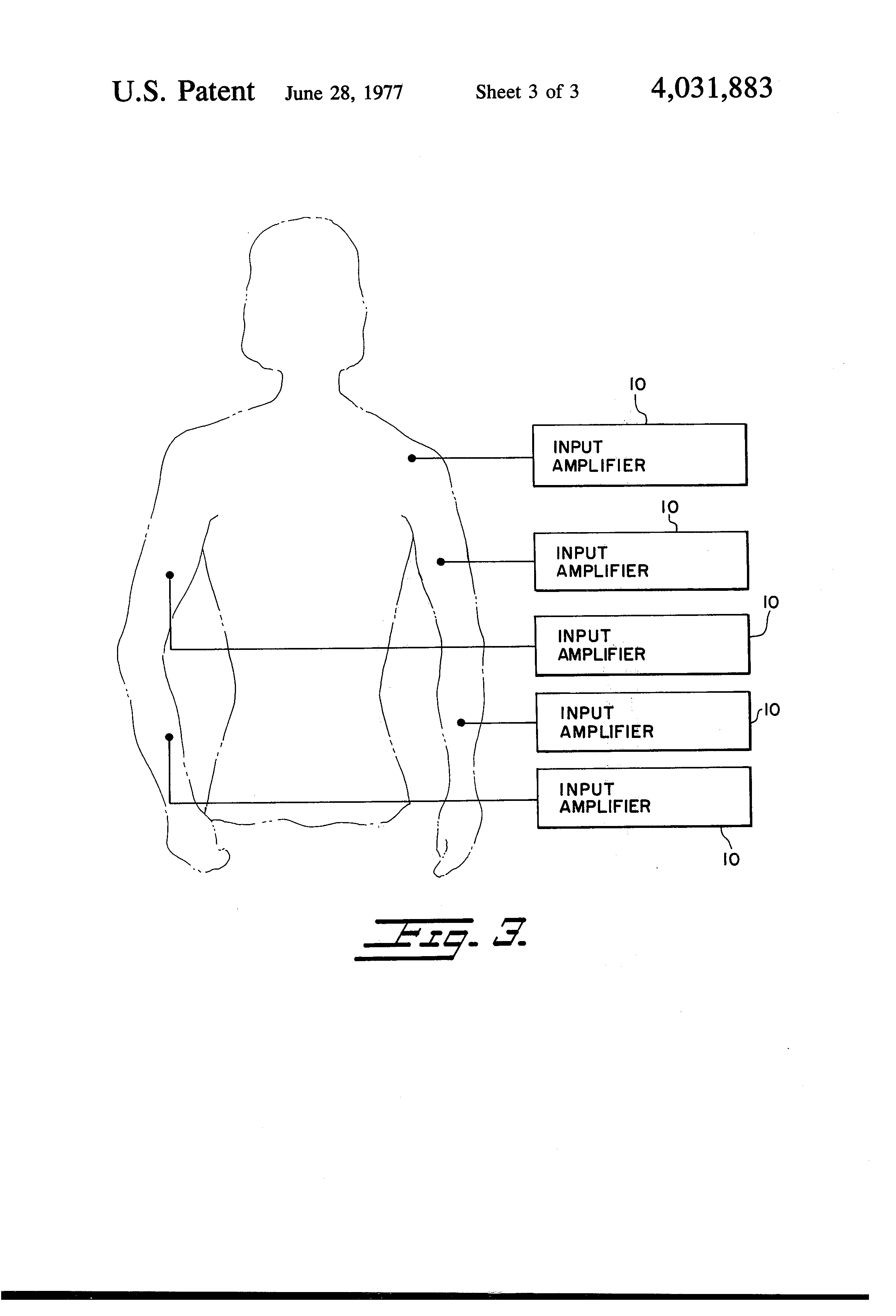
Fehmi Phase-Integrating Biofeedback Computer
A five-channel EEG/EMG instrument that made the phase relationship of brainwaves directly audible
 1977
1977
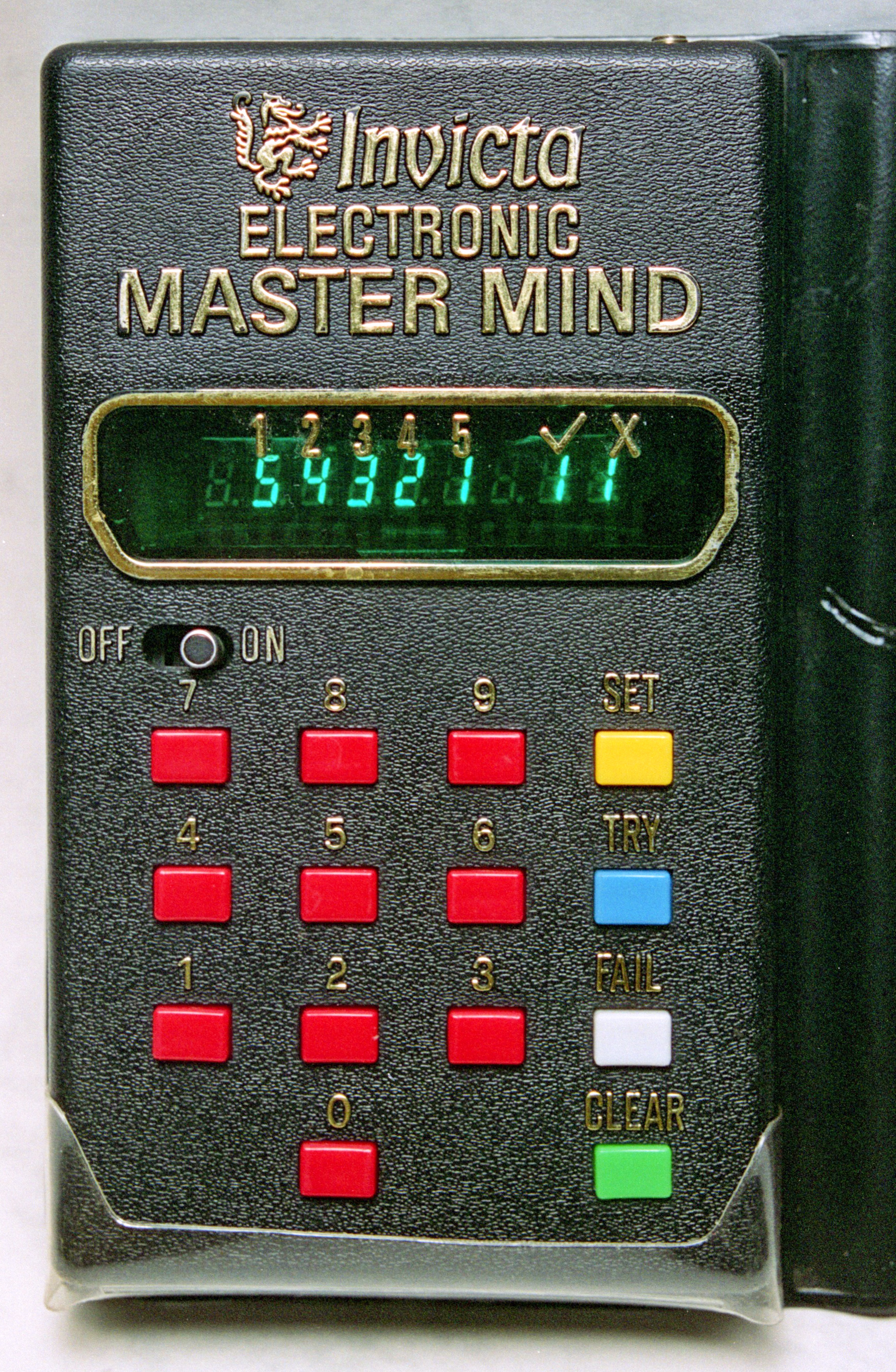
Invicta Electronic Master Mind
Interrogate the computer's hidden number until it cracks
 1977
1977
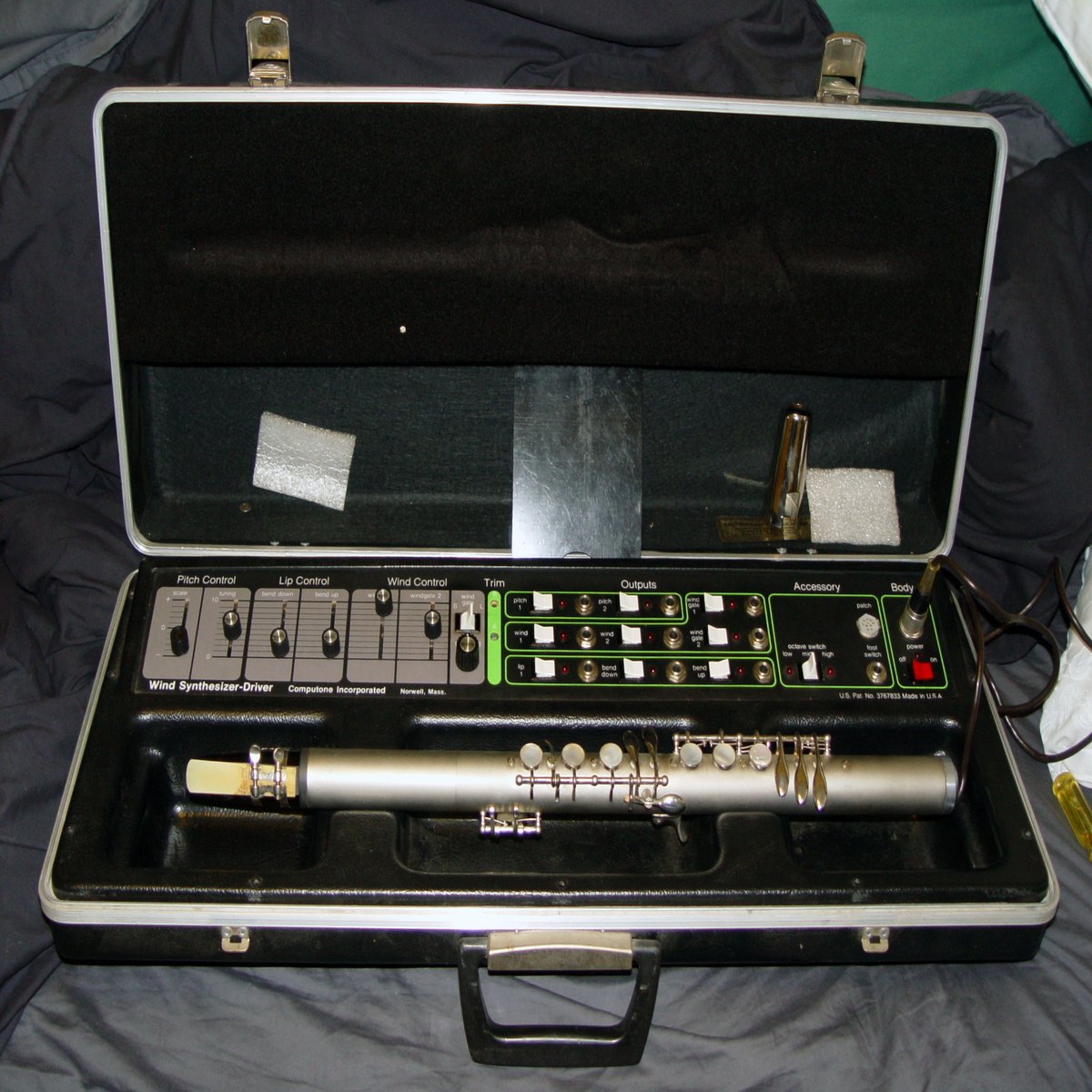
Lyricon / Wind Synthesizer Driver
The first electronic wind controller, where blowing a light beam makes an analog voltage
 1977
1977
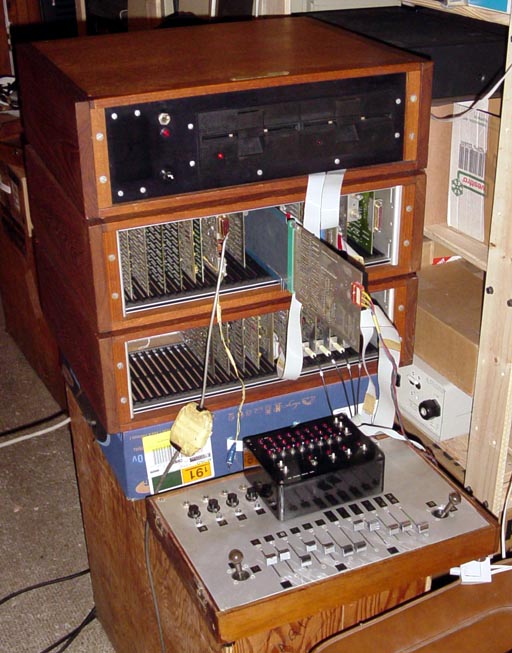
NED Synclavier
Draw your sound with a light pen — the first complete digital music workstation
 1977
1977
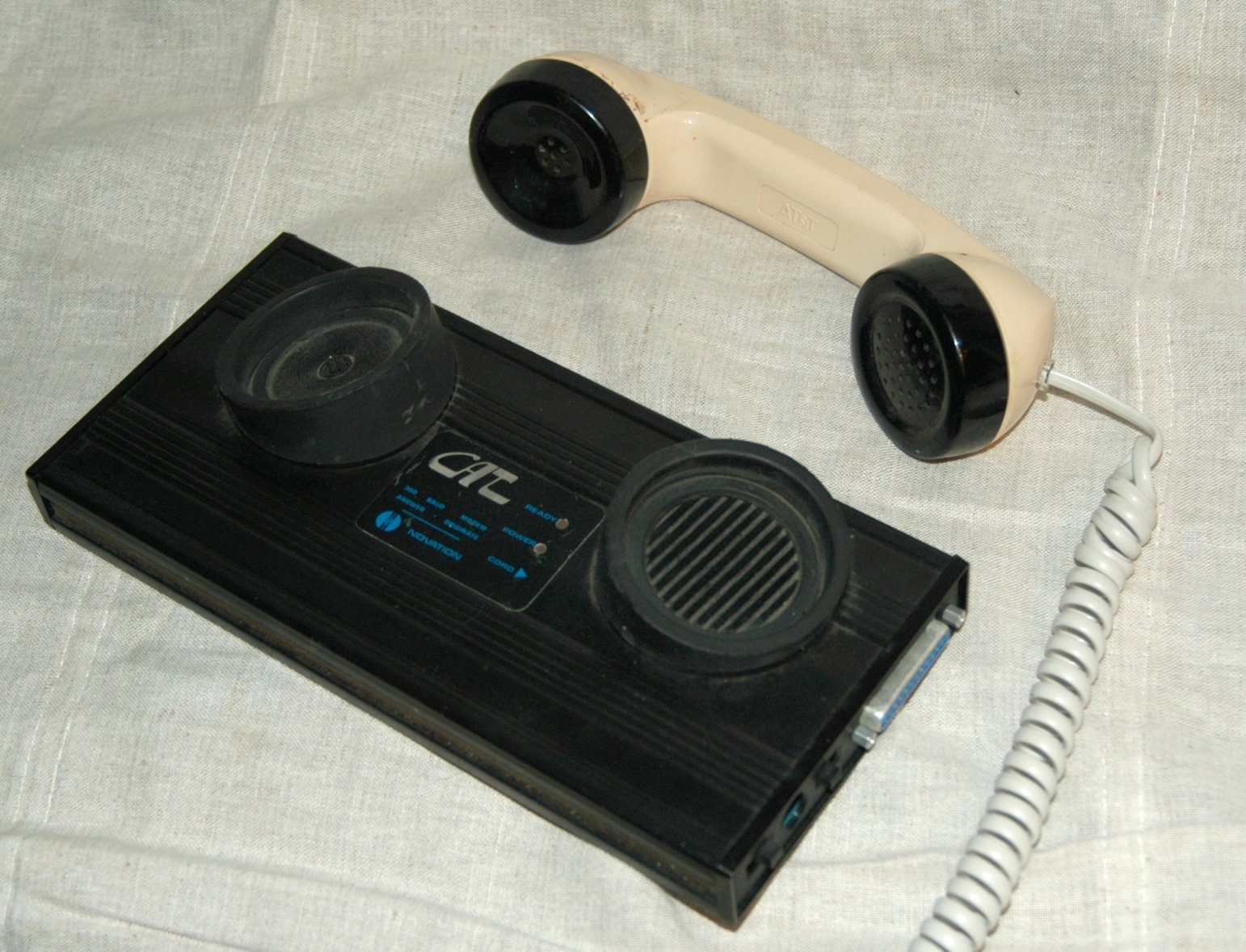
Novation CAT
The acoustic coupler that made the telephone a computer peripheral — one rubber cup at a time
 1977
1977
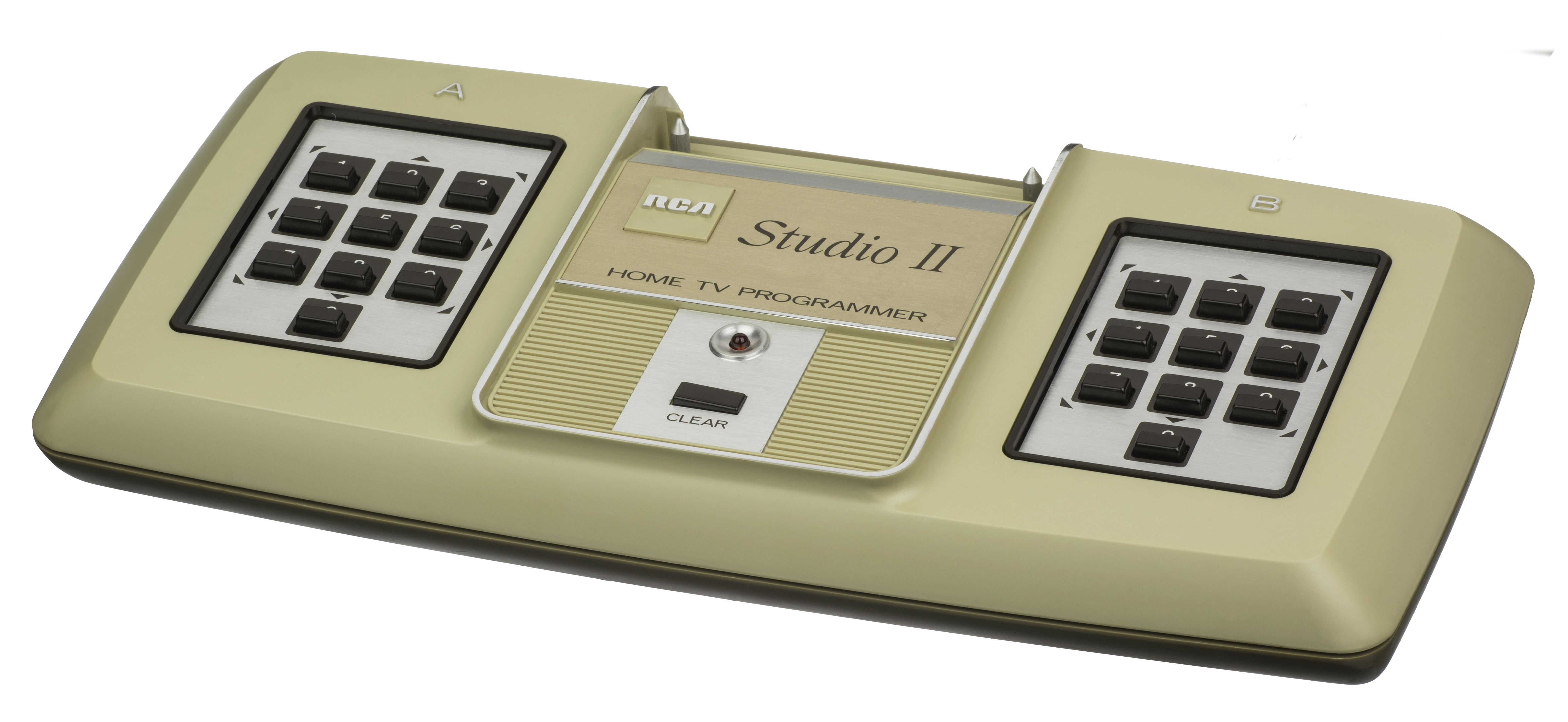
RCA Studio II
The home console with no joystick — every game played on telephone-style numeric keypads
 1977
1977
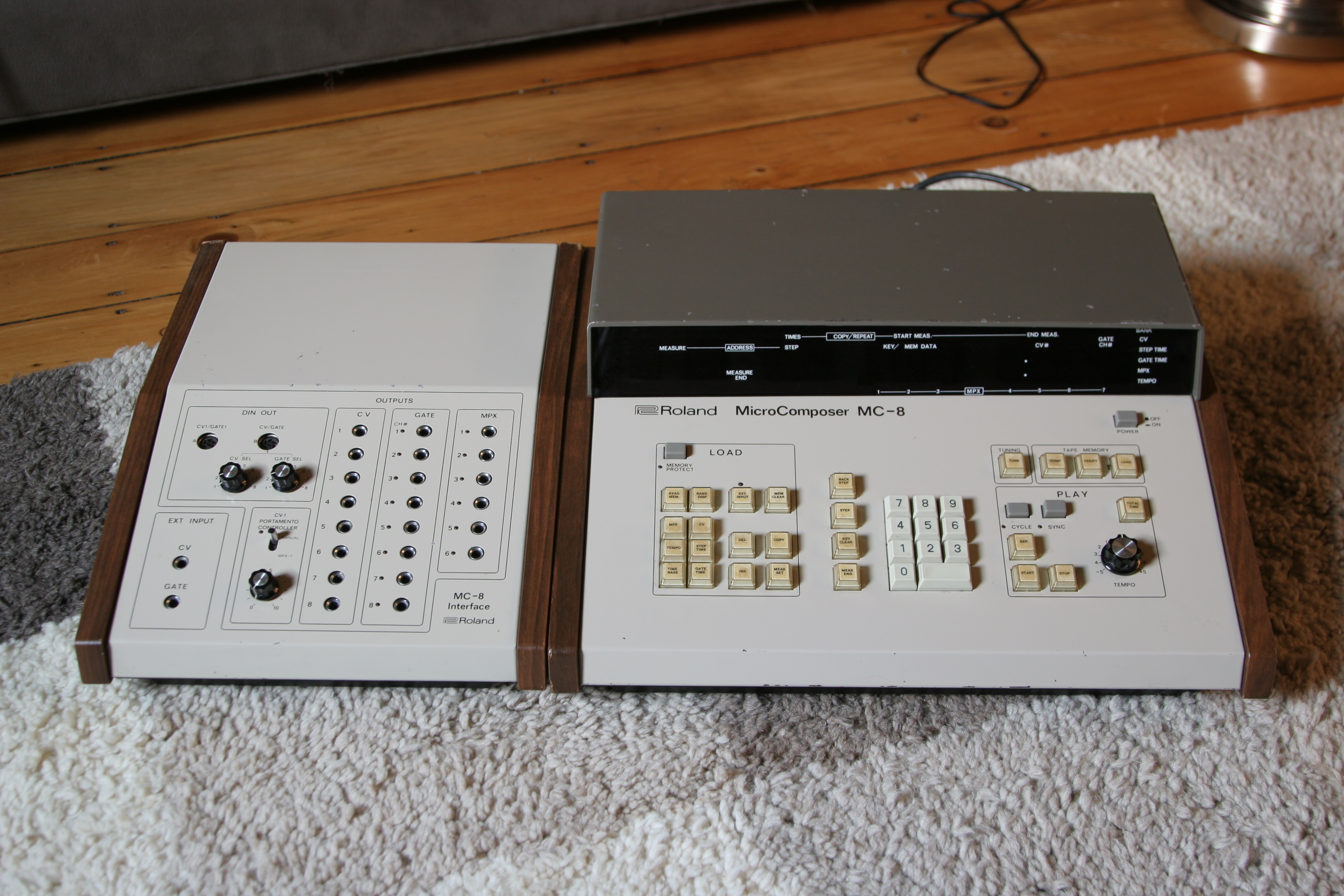
Roland MC-8 MicroComposer
The music machine you programmed with a calculator keypad instead of a keyboard
 1977
1977
Summagraphics Bit Pad
Large electromagnetic digitizing tablet for CAD.
 1977
1977
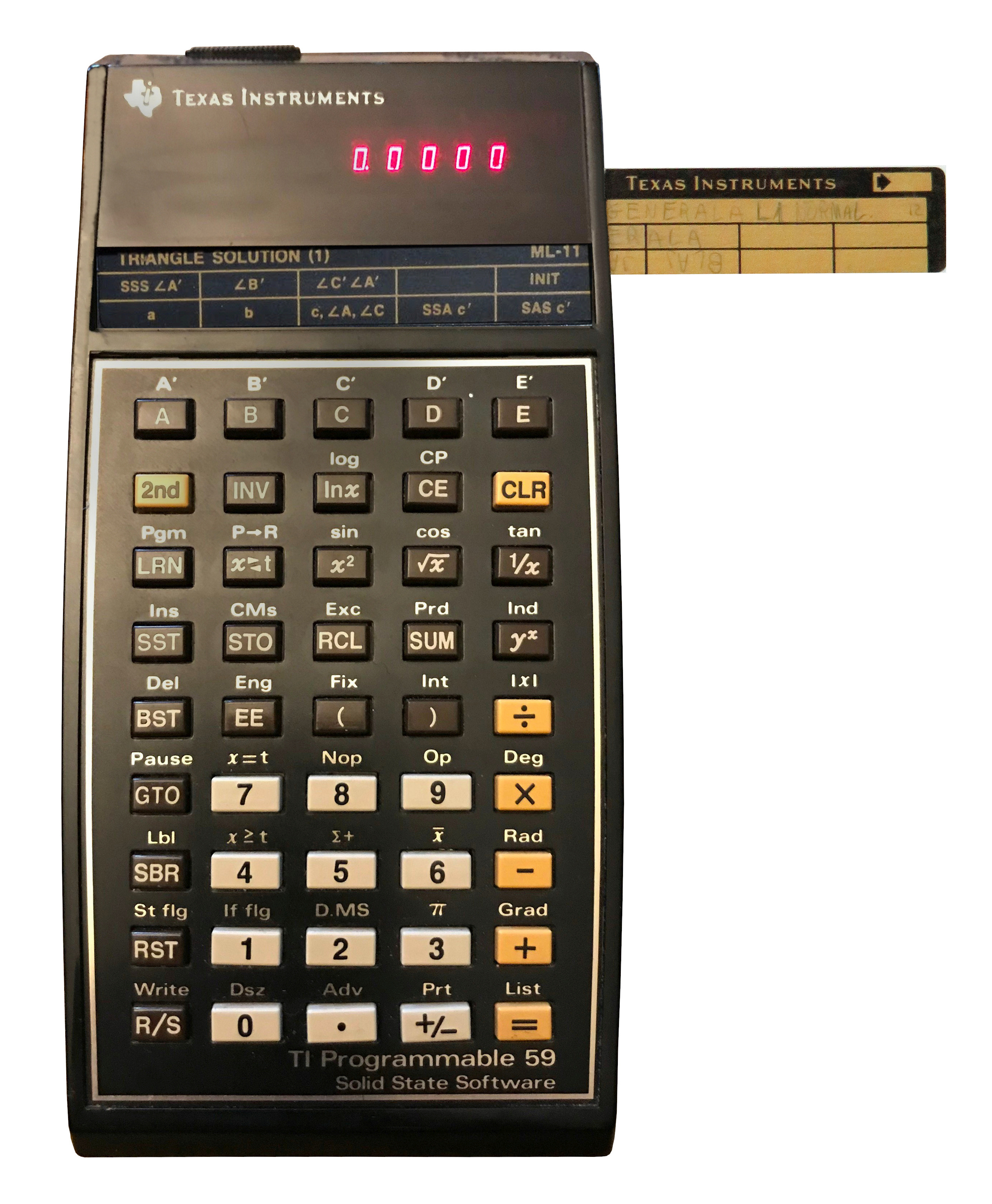
TI-59
The programmable calculator whose programs were physical cards you slid into the machine
 1977
1977
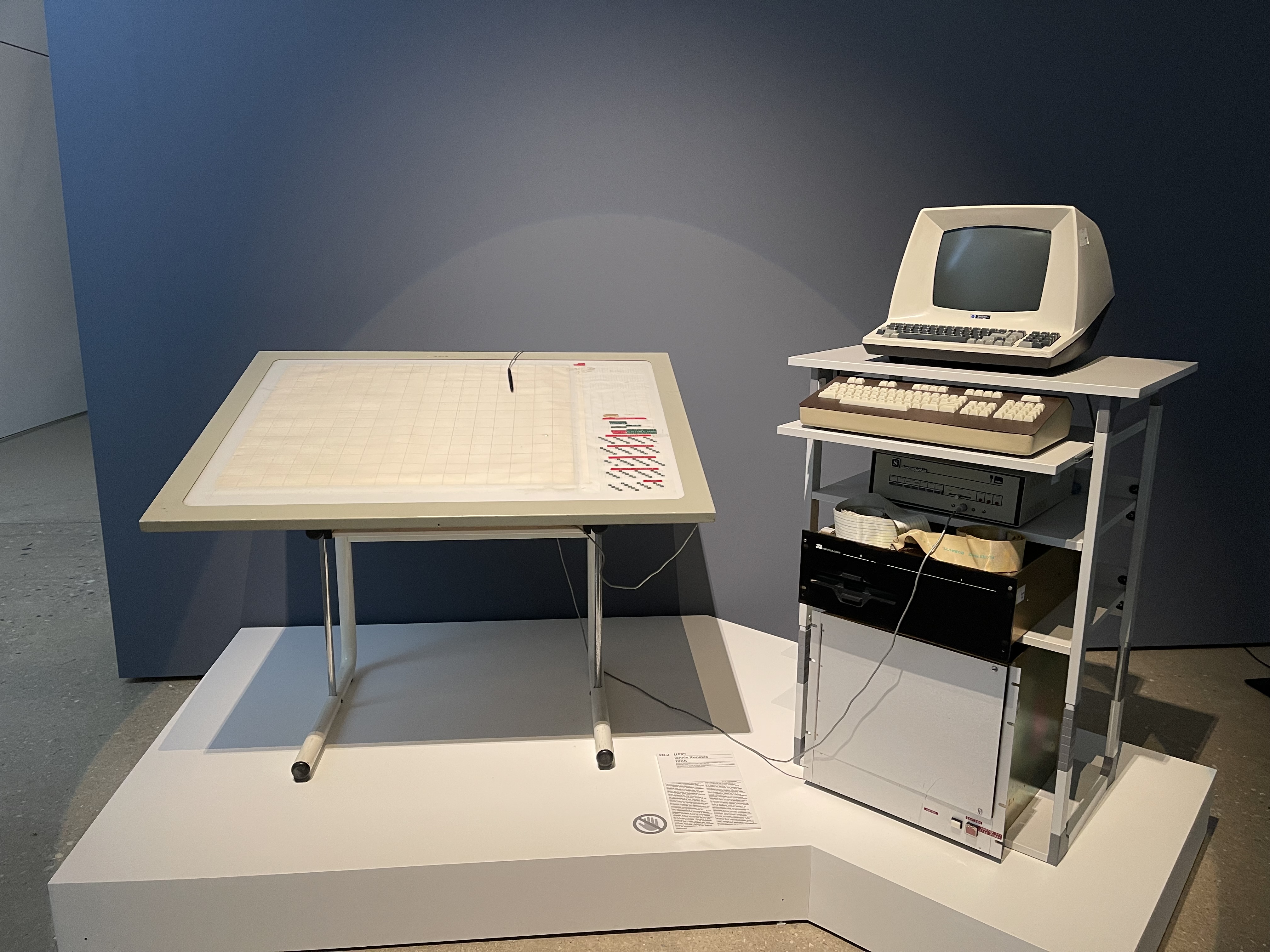
UPIC
Iannis Xenakis's drawing tablet that turned hand-drawn lines directly into synthesized sound.
 1976
1976
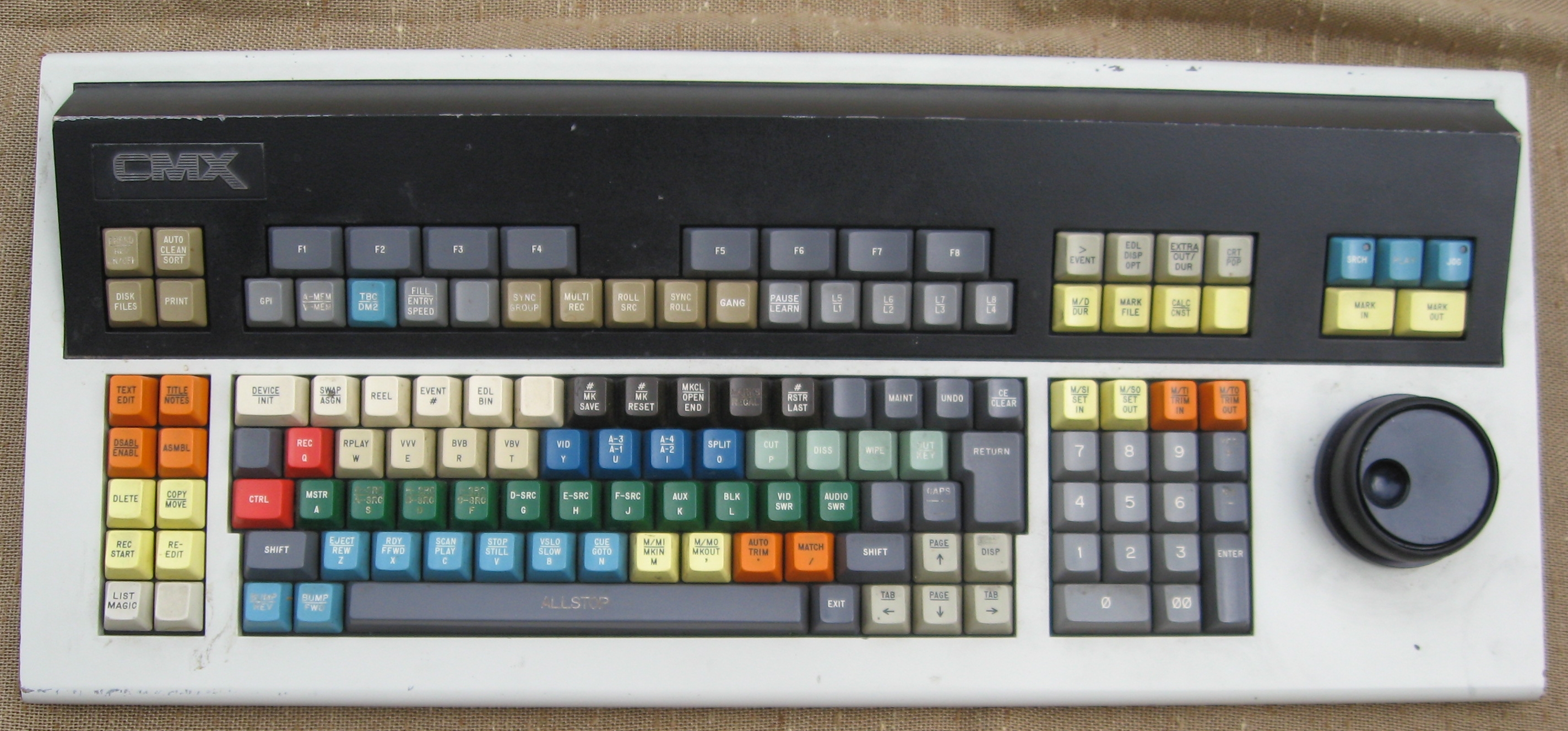
CMX-340 (1976)
The broadcast edit console whose keyboard became an industry standard — with a jog knob box you could hand over for left- or right-handed editors
 1976
1976
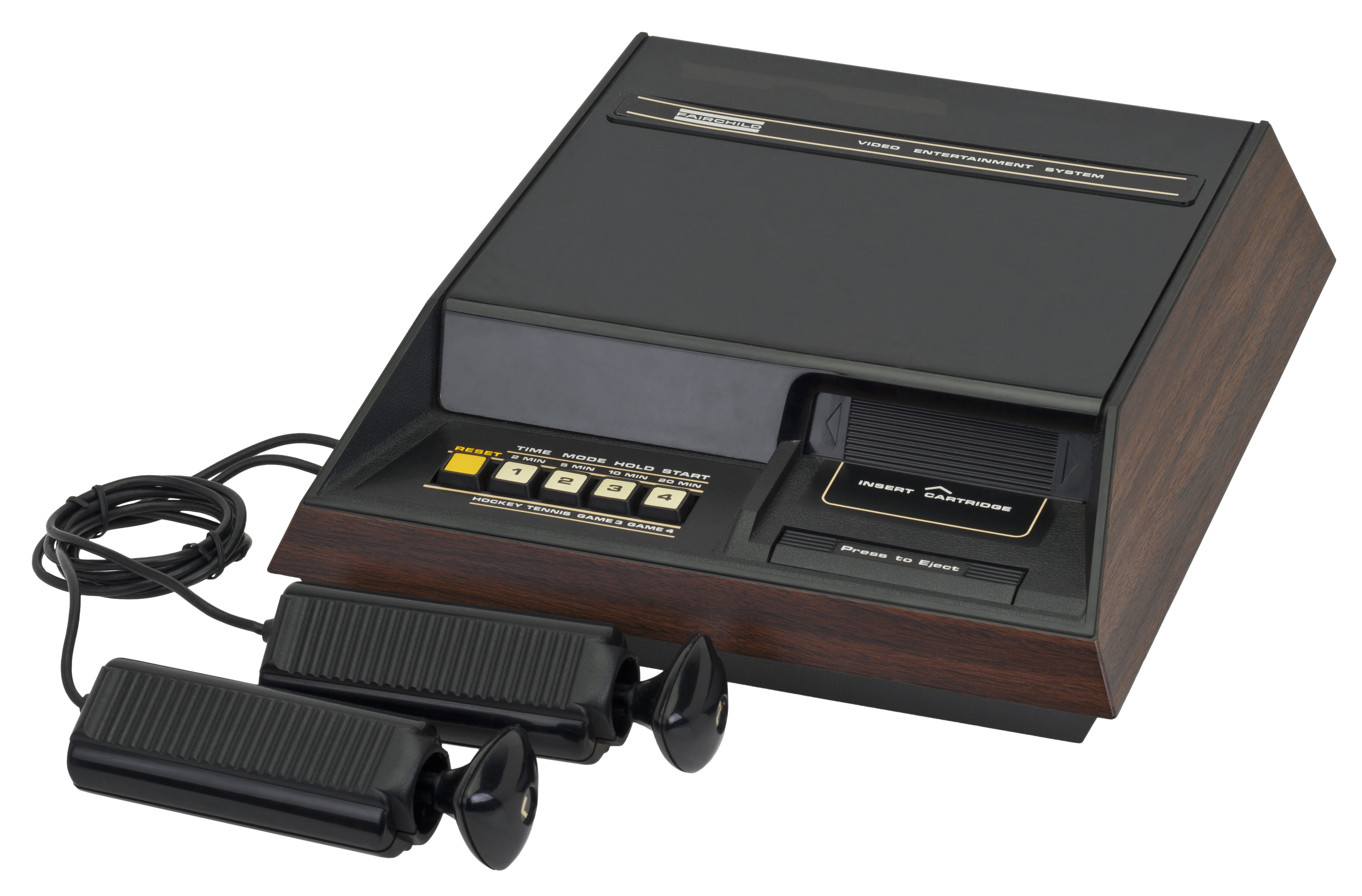
Fairchild Channel F
The first cartridge console, steered and fired by one knob you push, twist, and pull
 1976
1976
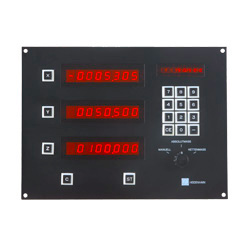
Ferranti-Packard Flip-Disc Display
An electromechanical dot matrix where each pixel is a metal disc flipped by a solenoid pulse and locked in place with no power at all
 1976
1976
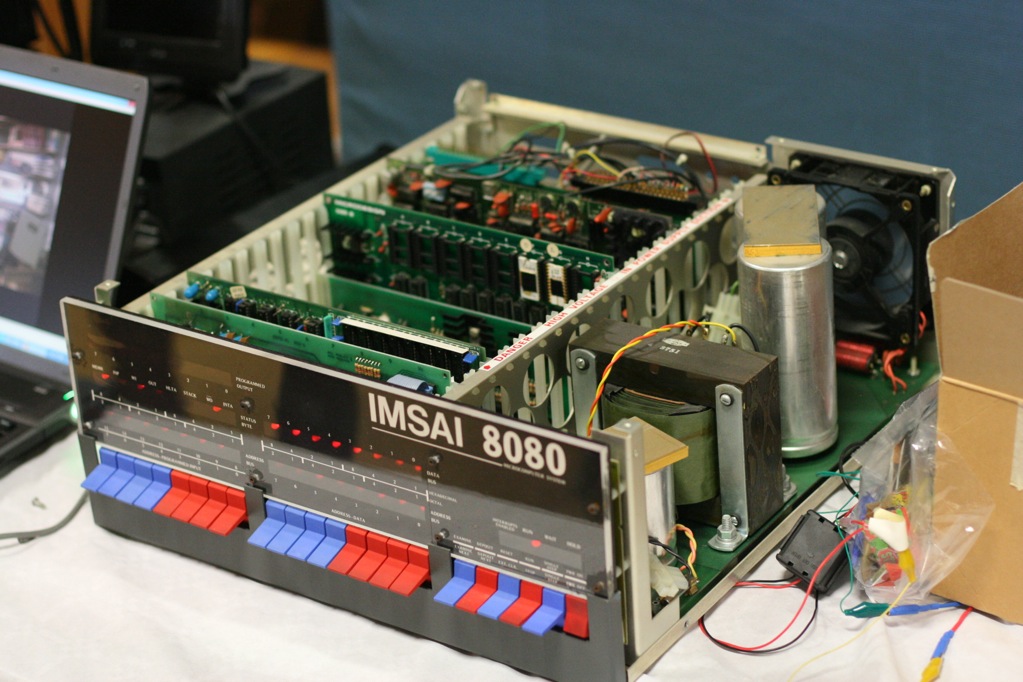
Heidenhain TNC 110
The first conversational CNC control — a machine tool that held a dialog with its operator through labeled function keys
 1976
1976
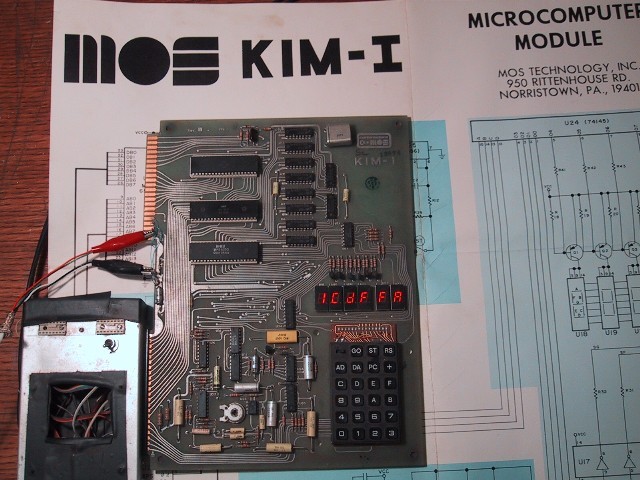
IMSAI 8080
A computer you program one toggle switch at a time — the front panel is the entire interface
 1976
1976
KIM-1
The $245 hex-keypad computer that made programming feel like typing instead of flipping switches
 1976
1976
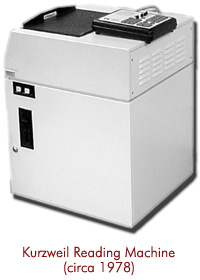
Kurzweil Reading Machine
Print made audible for the blind
 1976
1976
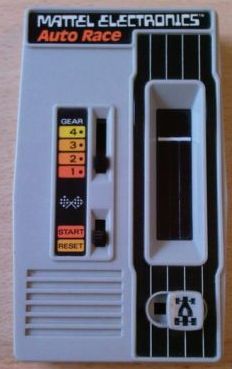
Mattel Auto Race
The first handheld electronic game — two slide switches, 512 bytes of assembly, and a field of red LEDs
 1976
1976
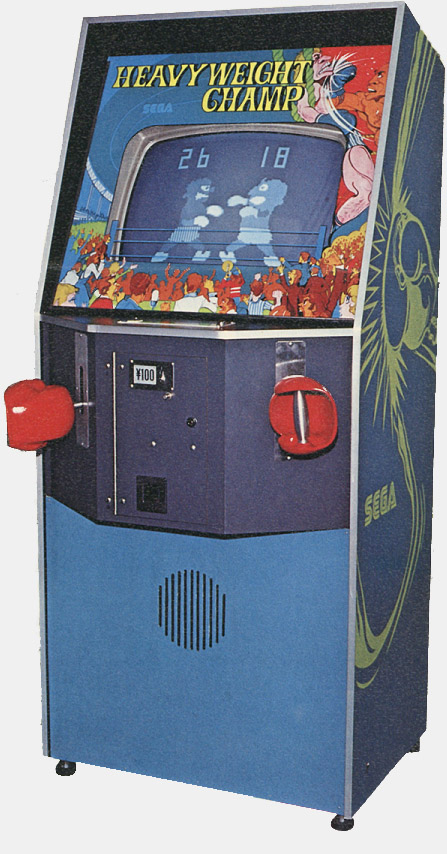
Sega Heavyweight Champ
The first fighting game — and arguably the first motion-controlled video game — with spring-loaded mechanical boxing glove controllers on articulated arms
 1976
1976
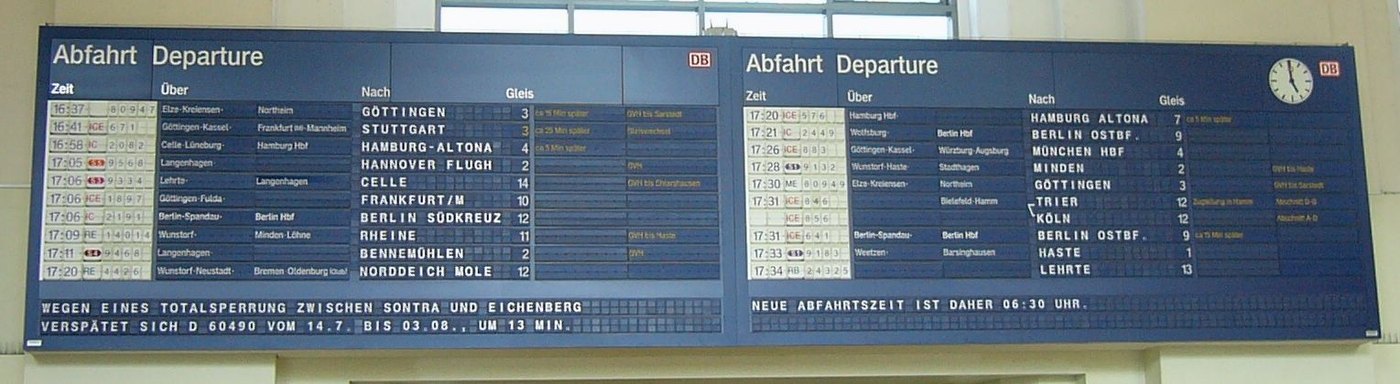
Solari Split-Flap Display
A public sign that speaks in a visible clatter of flipping cards, holding its message with zero power
 1976
1976
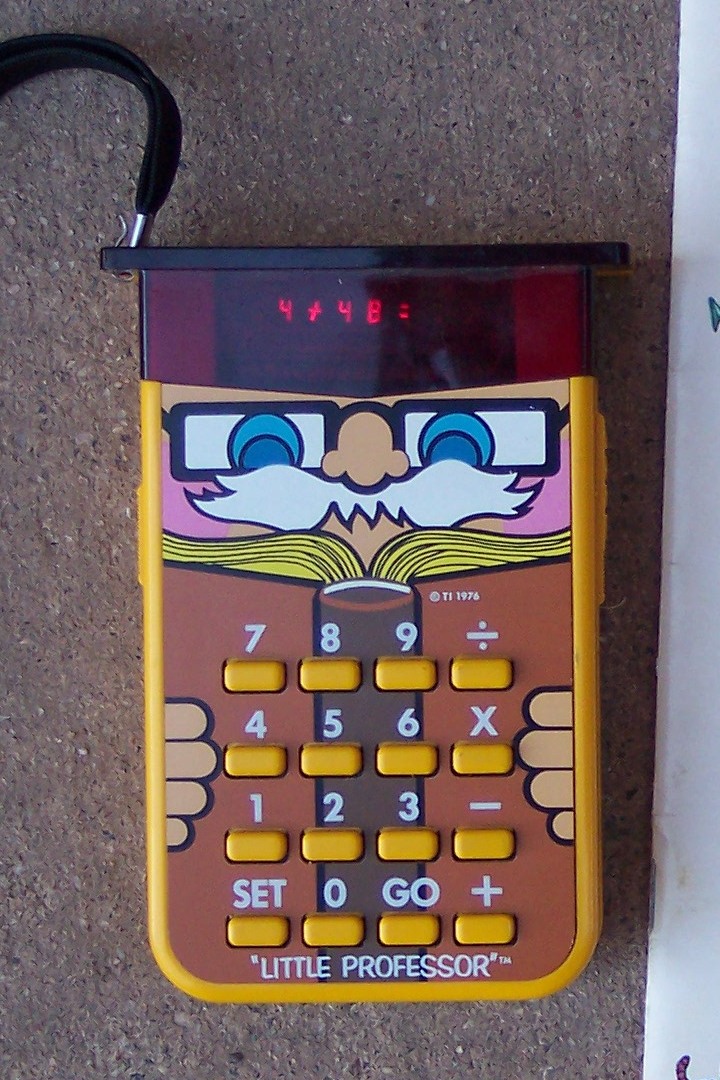
TI Little Professor
The backwards calculator — a machine that asks the questions
 1976
1976
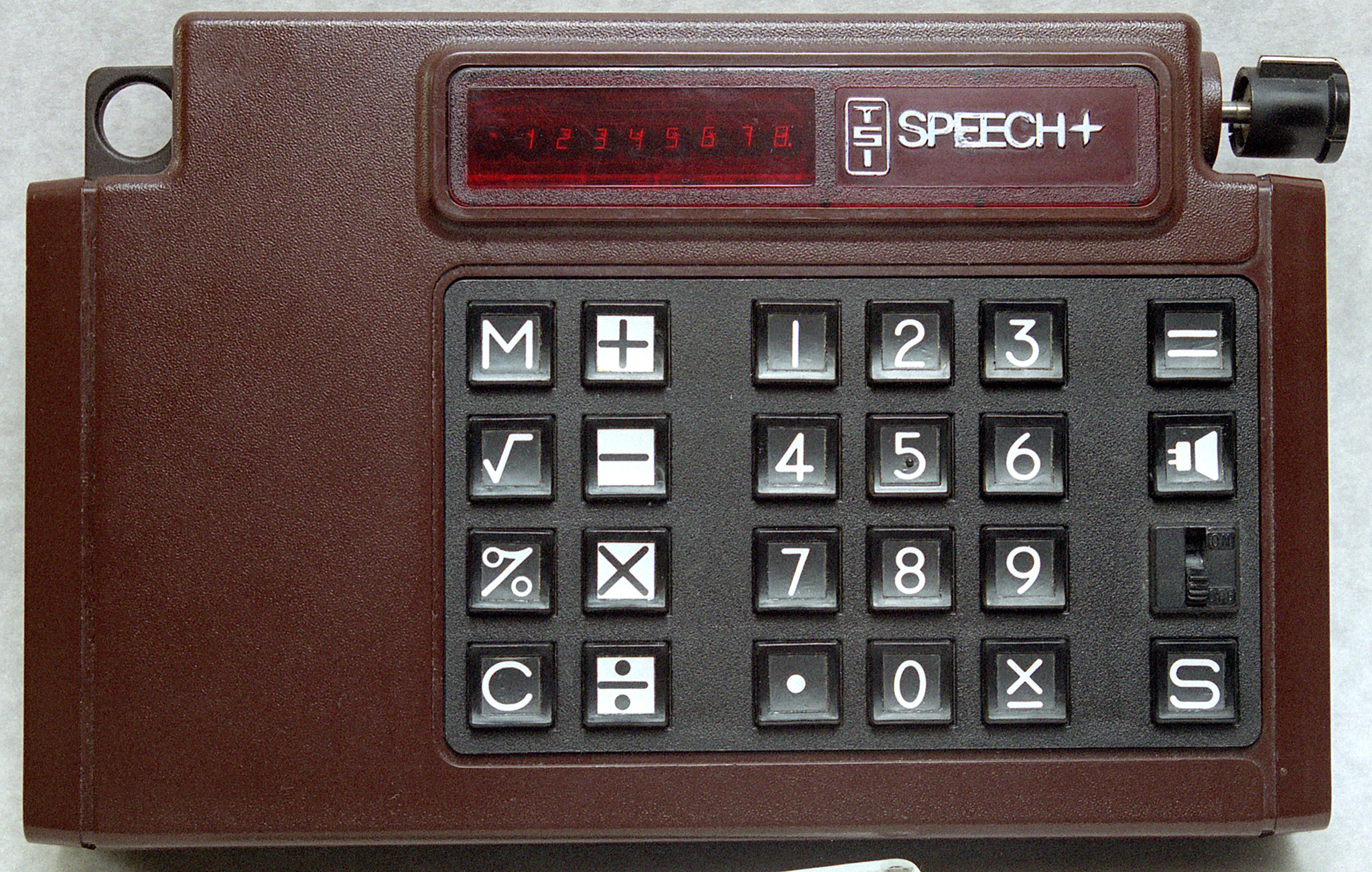
TSI Speech+ Talking Calculator
The first talking calculator — you hear every key you press
 1975
1975
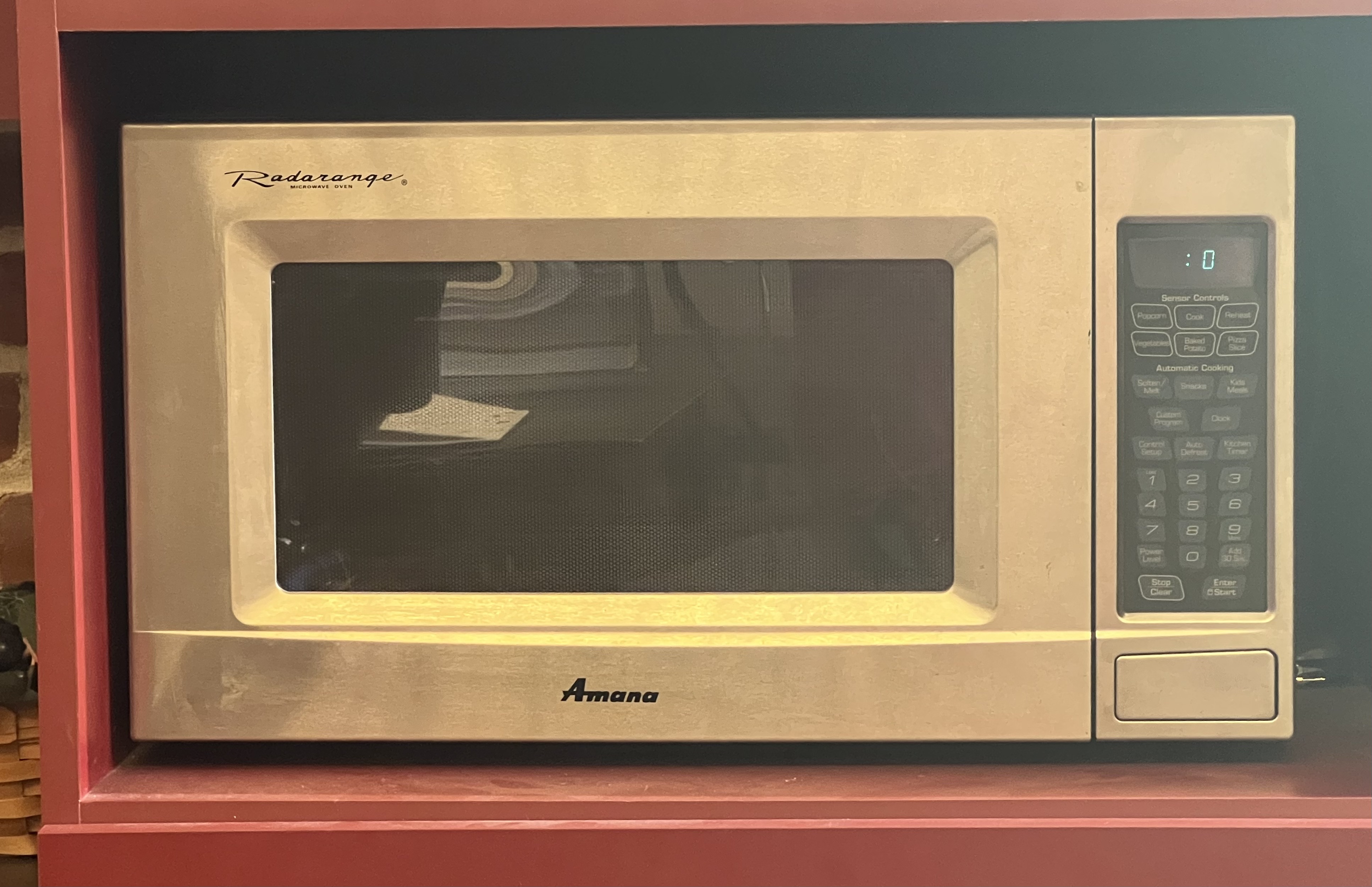
Amana Touchmatic Radarange
The first microprocessor control panel on a household appliance — cooking becomes programming
 1975
1975
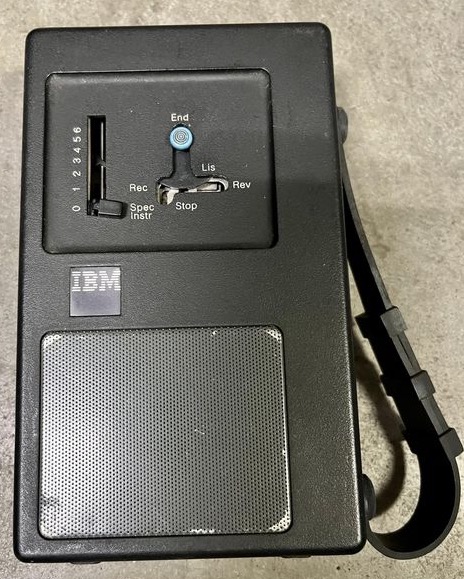
IBM 6:5 Cartridge System (1975)
The office dictation machine that stored your voice on magnetic discs you could color-code, mark urgent, and mail
 1975
1975
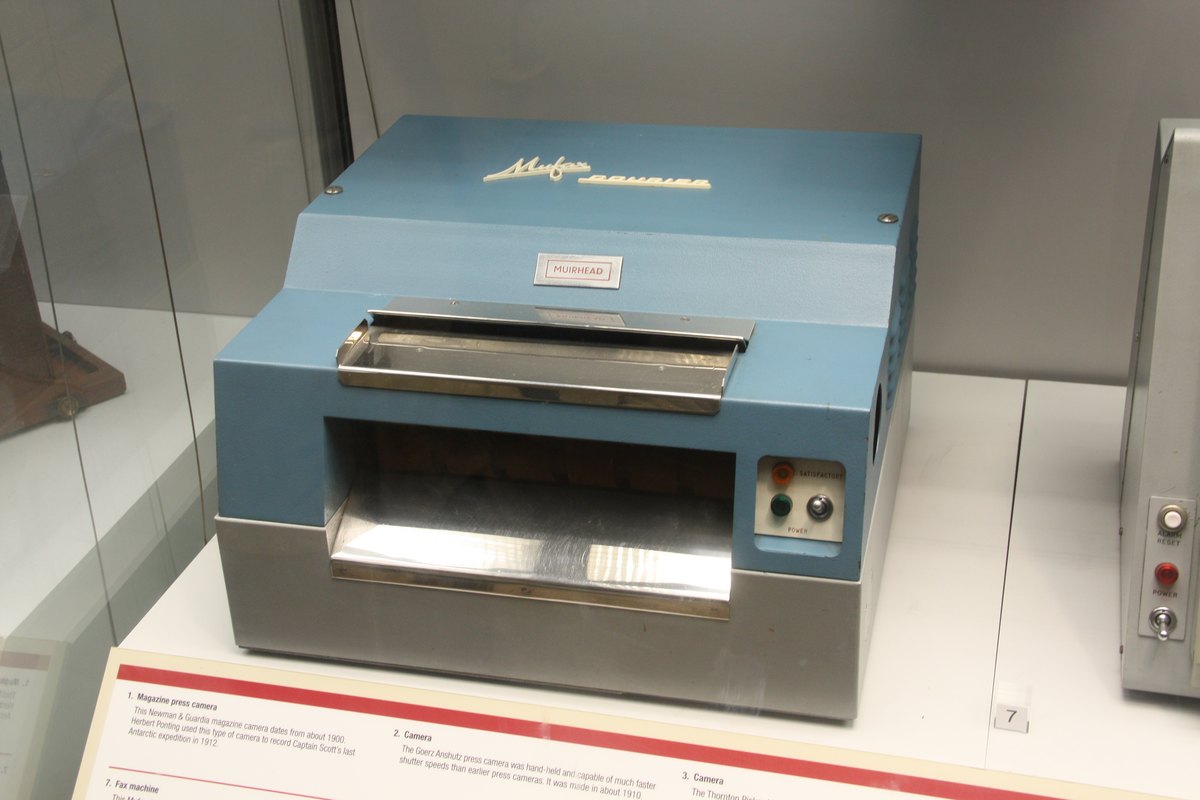
Mufax Courier (1975)
The portable drum fax whose sending half couples to a phone line — and whose '1-bit instant feedback' lamp tells you, mid-transmission, that the far end got a bad scan
 1975
1975
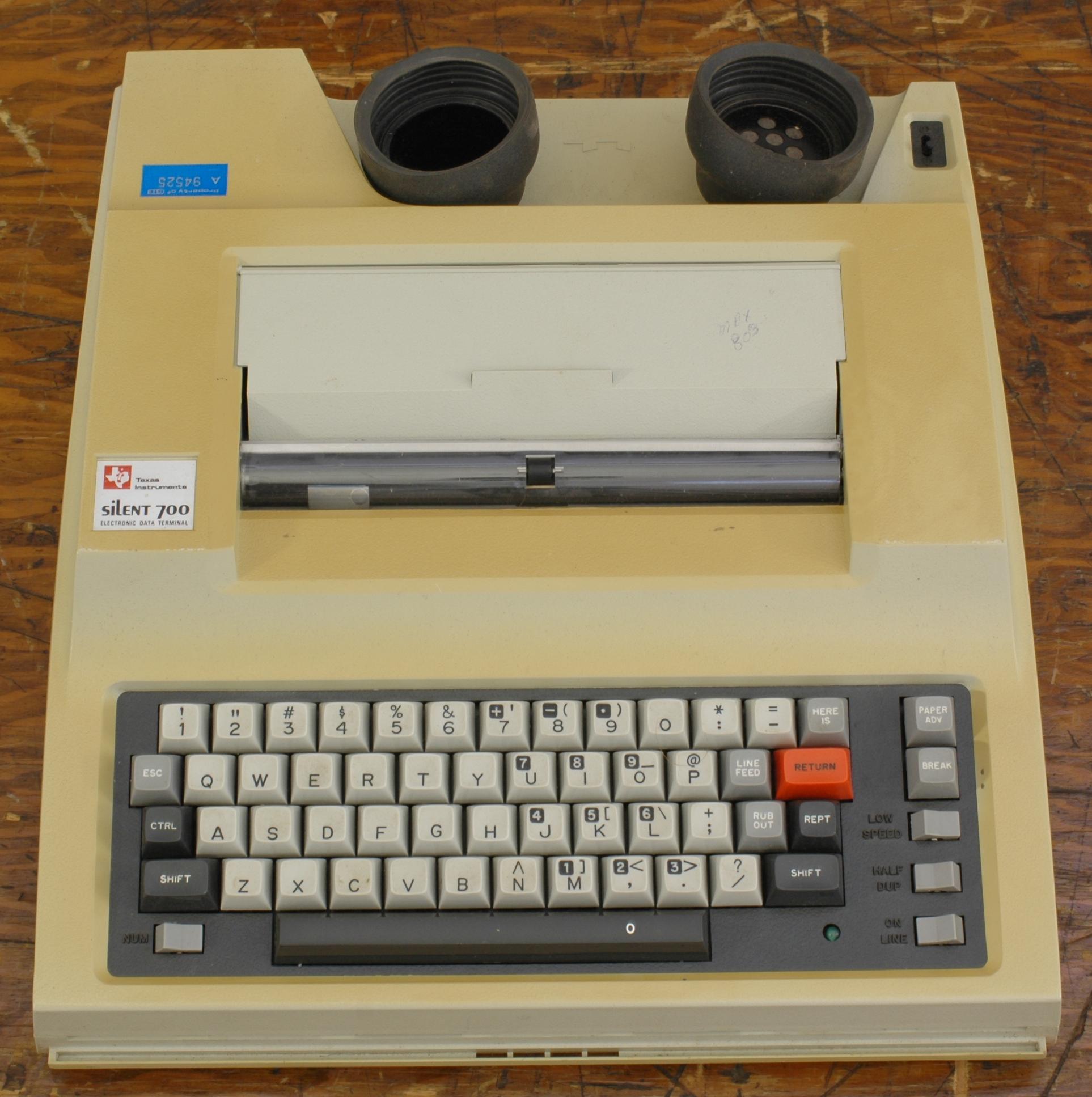
TI Silent 700
A 13-pound briefcase terminal — place a telephone handset into its rubber cups to go online
 1975
1975
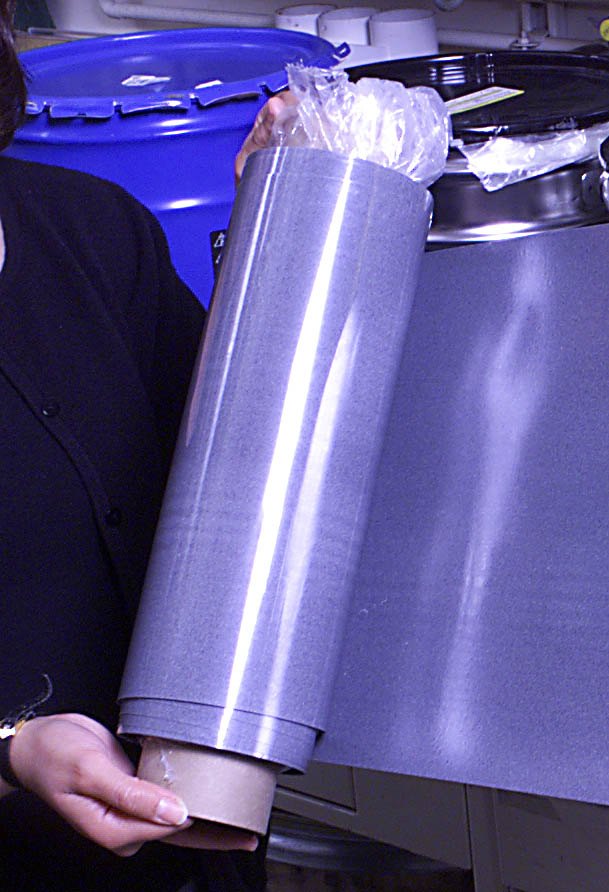
Xerox PARC Gyricon Electronic Paper
A flexible sheet of millions of black-and-white balls that tumble in oil to hold a picture on zero power
 1974
1974
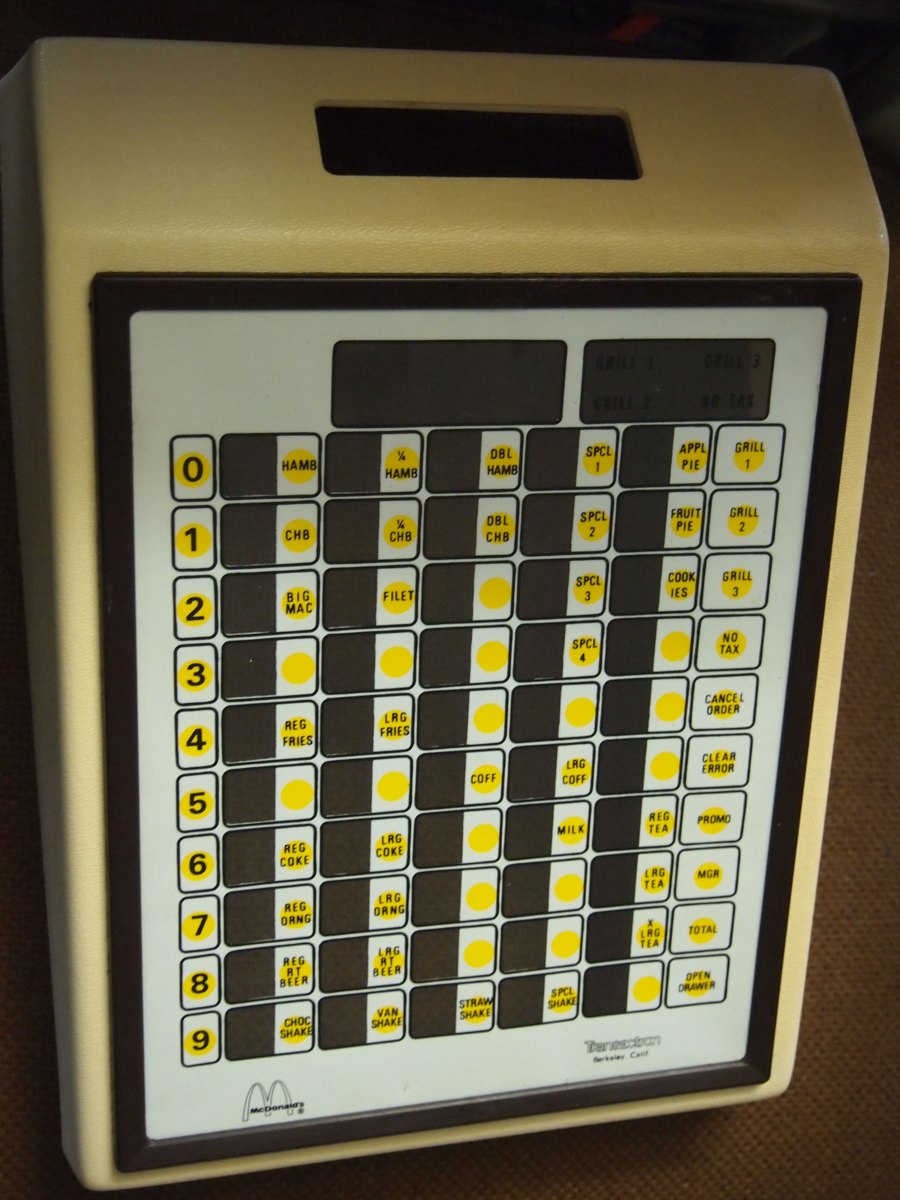
McDonald's Brobeck Point-of-Sale Terminal
The register where the menu is the keyboard — one physical button for every menu item, no prices typed
 1974
1974
Supermarket Checkout Laser Scanner
The glass window you swipe groceries across — object-as-input over a fixed scanning surface, and the iconic beep of checkout
 1973–1981
IBM 3614 Consumer Transaction Facility
The ATM that closed its own face on you: a self-closing safety-case shutter, stripe-up card insertion, and a machine that could seize your card and keep it
 1972–1984
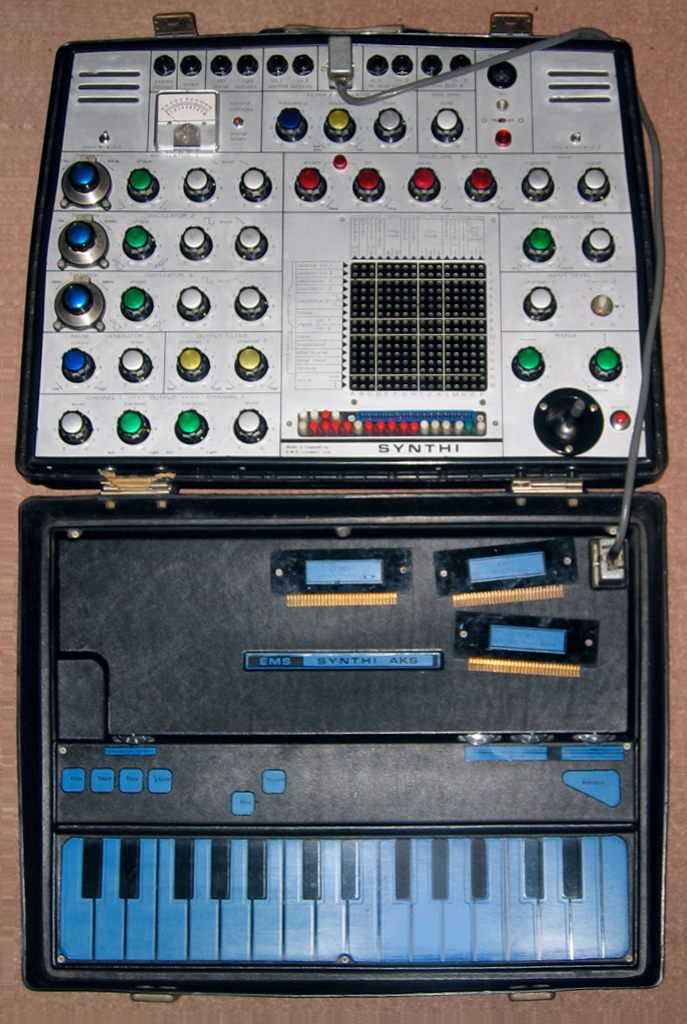
EMS Synthi AKS
A synthesizer in a briefcase whose programs are pins and whose keyboard is a touchplate
1986
Tektronix 11401 Digitizing Oscilloscope
The laboratory oscilloscope whose front panel became a touchscreen menu system — few knobs, the panel itself is software
1979
HP 64000 Logic Development System
A microprocessor development workstation whose front panel is software — function keys relabeled on the CRT by the operating system
1982
Scanset XL
A personal information terminal that fuses a telephone and a computer screen, dialing online databases 'as easy as using a telephone'
1985
Tamaya Planix Digital Planimeter
Trace a closed shape on a map and the machine hands you its area — a drafting gesture turned into a computed number
1980
Zeiss REC-100 Field Data Recorder
A handheld electronic field book that a surveyor wears on a strap and cables into a telescope that reads the world
1980
Fidelity Bridge Challenger
An electronic bridge opponent that reads your physical cards by their bar-coded backs
1977
Lyricon / Wind Synthesizer Driver
The first electronic wind controller, where blowing a light beam makes an analog voltage
1985
Yeoman Navigator / Sport Electronic Plotter
A wire-impregnated chart table that guides your hand by four LEDs to the vessel's live position
1976
Solari Split-Flap Display
A public sign that speaks in a visible clatter of flipping cards, holding its message with zero power
1981
Milton Bradley Dark Tower
A motorized rotating black tower that keeps a hidden state behind a tinted cover and reveals it by spinning film cels into view
c.1978
Buchla Touché
Don Buchla's reluctant piano keyboard atop a touch plate, programmed through a language called FOIL and a separate monitor
1975
Mufax Courier (1975)
The portable drum fax whose sending half couples to a phone line — and whose '1-bit instant feedback' lamp tells you, mid-transmission, that the far end got a bad scan
1984
Quazon Quik-Link 100
A $199 information appliance that turns your TV into a computer terminal through a telephone jack
1980
Xerox Cat
A circular capacitive touchpad — arguably the first shipped on a computer — in the Xerox 860 keyboard
1981
Epson HX-20
The world's first notebook computer, with a built-in microprinter that collapses field data and hard copy into one workflow
1984
Kurzweil K250
The first successful sampled-acoustic-piano workstation — with a Braille-interfaced prototype built for Stevie Wonder
1984
PPG Waveterm B
A standalone wave-computing workstation where you draw sound directly on a CRT with a light pen
1985
KAT MalletKAT MIDI Percussion Controller
A chromatic mallet-percussion interface whose force-sensing pads make the two-mallet strike itself the input
1978
Commodore CHESSmate
A chess computer with no board — you play blindfold, typing moves as algebraic coordinates into a calculator-style keypad
1991
Casio VDB-1000 Touchscreen Watch
The watch whose whole face is a finger-touch touchscreen you type on — a pocket data bank on the wrist
1980
Linn LM-1 Drum Computer
The drum machine whose pads were both the instrument and the step-sequencer grid — the pad-as-program interface
1978
BSR/X10 Command Console
The first home-automation controller: a wedge of plastic whose rotary house-code dial and unit button grid command your whole house over the power line
1974
McDonald's Brobeck Point-of-Sale Terminal
The register where the menu is the keyboard — one physical button for every menu item, no prices typed
c. 1984
Questron Electronic Answer Wand
A wand that reads hidden infrared ink on a printed page and answers with three tones
1977
NED Synclavier
Draw your sound with a light pen — the first complete digital music workstation
1975
Xerox PARC Gyricon Electronic Paper
A flexible sheet of millions of black-and-white balls that tumble in oil to hold a picture on zero power
1981
VersaWriter
A drafting-pantograph drawing tablet: trace a picture under Mylar and twin potentiometers turn arm angles into vector art
1983
Mephisto Modular Autosensory Chess Board
A durable pressure-sensing chess board onto which you snap swappable processors — the physical interface outlives the computation
1990
Logitech 3D Mouse (Fly Mouse)
A free-space 6-DOF mouse you lift into the air and fly — ultrasonic time-of-flight tracks your hand in 3D
1983
Milton Bradley Grandmaster (Phantom / Milton)
A robot chess computer whose invisible under-board X-Y plotter lifts magnetic pieces and moves them 'by magic'
1983
Coleco Super Action Controller
A game controller with a thumb-spun analog 'speed roller' — continuous proportional input amid a sea of digital switches
c. 1979
National Easa-Phone Answering Machine
The answerphone whose message tape physically cannot be rewound — an endless loop of magnetic tape
1987
Casio DG-20 Digital Guitar
A rubber-string guitar whose membrane fretboard hardwires each fret to a pitch — no tracking, because there is nothing to track
1974
Supermarket Checkout Laser Scanner
The glass window you swipe groceries across — object-as-input over a fixed scanning surface, and the iconic beep of checkout
1980
Honeywell Visicorder (Fiber-Optic CRT Optical Recorder)
An oscillograph where the picture tube itself is the pen — a CRT whose fiber-optic faceplate writes directly onto moving photosensitive paper
1986
Luma LU-1000 Lumaphone
A $1,500 desk phone that transmitted a single still photograph every few seconds over an ordinary phone line
1978
Space-Cadet Keyboard
The MIT Lisp-machine keyboard where chording five modifier bits and three shift levels gives a typist thousands of distinct single-keystroke commands
1979
Linotype CRTronic
A digital phototypesetter where the operator reads a movable keyboard and a tiltable CRT, and watches remaining line length as a glowing light bar
1976
Ferranti-Packard Flip-Disc Display
An electromechanical dot matrix where each pixel is a metal disc flipped by a solenoid pulse and locked in place with no power at all
1983
GE Talaria Light-Valve Video Projector
A full video image sculpted by electrons into a spinning film of oil, read by light bent into a shadow
1985
Casio FX-7000G Graphing Calculator
The first graphing calculator — a pocket number-slab whose 96×64 dot-matrix display becomes a drawing surface that plots your functions
1982
HP-75C / HP-75D Portable Computer
A handheld BASIC computer you load with software by sliding magnetic cards beside the spacebar — then it wakes up on a schedule to run your programs
1984
Motorola DynaTAC 8000X
The first handheld cell phone — the whole device is the handset, and every call is a dial-then-Send ritual
1980
Caere Hand-held OCR Wand with Visual Aligner (1980)
An OCR wand that projects a light pattern to guide your hand — read only when your sweep is geometrically perfect
1984
The Clapper
Clap on, clap off — two sharp handclaps as a consumer gesture command, a decade before Kinect
1983
Mattel Intellivision Keyboard Component
The toy console that sprouted a typewriter, a tape drive, and a second brain
c. 1985
Brother WP1 Word Processor / Electronic Typewriter
The typewriter that made you edit before you printed
1981
Movement Systems (MCS) Drum Computer (1981)
A drum machine that IS a microcomputer — you type your rhythms on a QWERTY keyboard and read them on a CRT
c. 1985
Sony BVE-600 (c. 1985)
A desktop edit controller with two independent jog dials — one hand on the source deck, one on the recorder — for two-handed scrubbing
1976
CMX-340 (1976)
The broadcast edit console whose keyboard became an industry standard — with a jog knob box you could hand over for left- or right-handed editors
1978
Tomy Digital Derby (1978)
A palm-sized race you steer with a physical wheel, not a switch
1978
Lexicon LK-3000 (1978)
A pocket translator with no brain of its own — you swap the whole CPU and ROM cartridge by hand to change its function
1984
Psion Organiser I (1984)
Saving data meant zapping a write-once EPROM — and reusing it meant ultraviolet light
1978
Magnavox Odyssey 2 / Philips Videopac G7000 (1978)
A game console that grew a full QWERTY keyboard, a speech-synthesis module, and a tactile board-game/video-game hybrid
1983
Orca Edge Dive Computer (1983)
A wrist-worn decompression computer that renders your body's nitrogen uptake as 12 abstract 'tissue' bar graphs
1992
IBM TrackPoint (1992)
The laptop pointer that reads pressure, not motion — force-sensing isometric input between the G and H keys
1975
IBM 6:5 Cartridge System (1975)
The office dictation machine that stored your voice on magnetic discs you could color-code, mark urgent, and mail
1989
Logitech TrackMan (1989)
The first thumb-operated trackball, the grammar laptops would borrow
1980
Mouse Systems Optical Mouse
The first optical mouse, chained to its printed grid pad
1982
Mailmobile
The office mail cart that chased you down a chemical trail and gave you thirty seconds to grab your mail
1975
Amana Touchmatic Radarange
The first microprocessor control panel on a household appliance — cooking becomes programming
1979
Mattel Intellivision
The console that turned a telephone keypad into a game controller and let a printed paper card redefine every button
1986
Polaroid Digital Palette
The desktop computer colour output device whose ritual is washing light through three filters onto instant film
1989
Ascom B8050 QuickFare
A self-service ticket machine whose output is a notched cardstock card that IS the data
1989
Cochlear Nucleus 22 / Mini Speech Processor
The machine that learns your brain's language for sound, then injects coded pulses straight into your auditory nerve
1982–1983
Rockwell Collins EFIS — Boeing 757 Glass Cockpit
The first CRT glass cockpit in an airliner: two color EADIs and EHSIs, a keyshow control panel, and a rising-runway symbol that grows up the screen as you descend
1973–1981
IBM 3614 Consumer Transaction Facility
The ATM that closed its own face on you: a self-closing safety-case shutter, stripe-up card insertion, and a machine that could seize your card and keep it
1979
IBM 5265 Point of Sale Terminal
The register that guided its cashier with a rotating cylinder of printed prompts and was reprogrammed by laying paper overlays across deliberately awkward chicklet keys
1981
Le Stick
The first motion-sensitive game controller: a base-less wand that steers by a mercury core shifting in your hand
1980
Fujitsu OASYS 100 Thumb-Shift Keyboard
The Japanese word-processor keyboard that moved the shift keys to the thumbs, giving every key three characters and keeping both hands on the home row
1982
Velotype Synthetic Keyboard
A two-handed keyboard where every stroke is a whole syllable — press several keys with both hands and the machine spells the sound
1981
ROLM CBX / RolmPhone 400
The first digital PBX whose desk phone had no switchhook — a magnet in the handset was the button, and its keys were software
1976
Heidenhain TNC 110
The first conversational CNC control — a machine tool that held a dialog with its operator through labeled function keys
1977
Fehmi Phase-Integrating Biofeedback Computer
A five-channel EEG/EMG instrument that made the phase relationship of brainwaves directly audible
1978
Toshiba LC-836MN Memo Note 30
The first portable electronic data bank — a calculator you type names into, one 8-segment character at a time
1978
Playskool Alphie
The educational robot whose 'software' was printed cardboard — insert a card, press buttons, learn
1988
View-Master Interactive Vision
The VHS console that painted 8-bit sprites over live video — interactive television, 1988-style
1984
CAPTAIN System / NEC NTX-5000
Japan's videotex that faxed you the screen: pre-rendered pages, kana keypad, numeric page codes
1983
Valiant Turtle / Valiant Logo Turtle
A floor-roving infrared-controlled robot that made Logo programs physically visible
1985
Microvote MV-464 Electronic Voting Computer
A push-button voting machine with a motor-driven paper scroll ballot display — democracy as a mechanical interface
1983
Concept Keyboard / Star Microterminals A4-128
A paper-overlay touch panel that let non-readers and motor-impaired children control a computer
1992
Turbo Touch 360
The D-pad replacement that swapped mechanical switches for a sliding capacitive touch plate
1986
Quotron II
Wall Street's dedicated quote terminal: type a ticker, press a labeled field key, read the green glass
1983
Bildschirmtext (BTX) Terminal
The pay-per-page videotex terminal: every screenful cost money, and the chip-card reader was the meter
1977
Invicta Electronic Master Mind
Interrogate the computer's hidden number until it cracks
1980
Mattel Dungeons & Dragons Computer Labyrinth Game
A hidden maze in a 4-bit chip, mapped one touch at a time
1983
Databar OSCAR
Load BASIC programs by swiping a wand over magazine barcodes until it beeps
1984
ThunderScan
Swap out your printer's ribbon and the printer becomes a scanner
1978
Aspen Movie Map
Drive through a filmed city with a touchscreen — surrogate travel before Street View
1983
Fluke 9010A Micro-System Troubleshooter
The repair tool you plug into a dead computer's brain socket
1981
Nissan/Datsun Voice Warning System
The talking car whose 'voice' was a tiny vinyl record with six parallel grooves
1976
KIM-1
The $245 hex-keypad computer that made programming feel like typing instead of flipping switches
1976
IMSAI 8080
A computer you program one toggle switch at a time — the front panel is the entire interface
1976
TSI Speech+ Talking Calculator
The first talking calculator — you hear every key you press
1984
Minolta Talker
The camera that talks back — three spoken phrases coach your photography
1978
Bally Professional Arcade / Astrocade
A console you program by typing into the pixels — Bally BASIC lived inside the video RAM
1977
BBN Spacegraph
A true 3D display — a vibrating mirror sweeps a CRT image through a volume of air you point into
1976
Fairchild Channel F
The first cartridge console, steered and fired by one knob you push, twist, and pull
1992
Meade LX200
The first telescope you point by keying a catalog number into a red-lit keypad
1972–1984
EMS Synthi AKS
A synthesizer in a briefcase whose programs are pins and whose keyboard is a touchplate
1990
VCR Plus+
A whole recording schedule compressed into a printed number you type into a box
1981
TI Touch & Tell
The toddler computer with no keyboard — you answer by pointing at the picture
1983–84
GRAF/PEN GrafBar Sonic Digitizer
The pen that made sparks — a digitizer whose stylus is a loudspeaker and whose tablet is just a table
1988
VTech Socrates
The kids' console that cut every wire — keyboard, controllers, mouse, and drawing pad all talked over infrared
1977
TI-59
The programmable calculator whose programs were physical cards you slid into the machine
1991
Philips CD-i
The living-room computer you operate like a TV — a remote with a thumb-trackball for a mouse
1977
RCA Studio II
The home console with no joystick — every game played on telephone-style numeric keypads
1984
Apricot Portable
The first portable computer with a built-in ear — teach it your voice
1985
Teddy Ruxpin
The animatronic bear that read stories off a cassette tape
1980
Unimation PUMA Teach Pendant / VAL
Programming a robot by grabbing it — jog buttons, a limp-mode arm, and a record key
1982
Novag Robot Adversary
The chess computer with a robot arm that moves your pieces for you
1984
Photon
The Ultimate Game on Planet Earth — fifteen pounds of IR gear, and the whole body as interface
1980
Roland TR-808 Rhythm Composer
The 16-step LED grid that taught a generation to think in sequences
1981
Roland TB-303 Bass Line
The bass machine with no display that programmed in two blind passes — and accidentally invented acid house
1978
Strand Light Palette
The lighting designer's command line — type sentences like 'CH 1 @ 5', and the theatre obeys
1984
Pfaff Creative 1471
The first domestic computer that sewed — programmable stitches, an LCD, and a counting bug
1984
Yamaha CX5M Music Computer
The whole computer is a synthesizer — an MSX machine sold in music stores, played by typing
1986
Franklin Spelling Ace
The pocket device that expects you to spell wrong — and fixes your word anyway
1982
Northern Telecom Displayphone
A telephone and a computer terminal that were the same desk object
1979
Craig M100 Hand-Held Translator and Information Center
A pocket translator that admitted when it was confused — flashing question marks instead of guessing
1987
Yamaha Disklavier
A real acoustic piano that records your touch to a floppy disk, then plays it back by physically moving the keys
1987
Fisher-Price PXL2000 / Pixelvision
A toy video camera that stored eleven minutes of black-and-white video on a plain audio cassette
1979
Stop Thief
The pocket computer that hides a thief and taunts you
1980
Milton
The talking game that memorized phrases and insulted you
1981
PLATO V Terminal
The orange-glowing touchscreen terminal that split a mainframe
1981
Sony Mavica (1981 prototype)
The world's first electronic still camera — film replaced by a floppy disk and a TV playback ritual
1979
Milton Bradley Microvision
The first cartridge handheld — a console with no CPU, where every game is a different computer
1976
Mattel Auto Race
The first handheld electronic game — two slide switches, 512 bytes of assembly, and a field of red LEDs
1986
ID-3D Hand Geometry Verifier
The machine that reads your whole hand as a password
1980
Sony Typecorder
A three-pound typewriter that stored up to 120 pages of text on a microcassette — and could fax it over a phone line
1986
Etch A Sketch Animator
The classic knob-drawing ritual, digitized — a $90 toy with infrared rotary encoders and a frame-based animation engine
1978
Parker Brothers Merlin
The toy that played games with you — eleven glowing keys that were both your input and its only screen
1984
Sony VIEW System
A PC with a laserdisc for a hard drive
c.1985
Pioneer LaserBarcode System
Swipe a printed strip of barcodes to command a laserdisc
1988
TI Voyager
A talking toy with no keyboard — the only way in is to answer aloud
1992
AT&T VideoPhone 2500
A $1,500 color videophone that squeezed 10 frames a second out of a phone line
1980
Fidelity Voice Sensory Chess Challenger
The chess computer that felt your move and talked back
1990
Sony Data Discman
The first dedicated e-book reader, three years before the word meant anything
1986
Buick Riviera GCC
The first automotive touchscreen — a green-phosphor CRT dashboard, 15 years too early
1980
Tektronix 7854
The oscilloscope with a detachable RPN calculator keyboard — a lab instrument taught to compute
1982
TI Magic Wand Speaking Reader
The barcode wand that read children's books aloud, years before LeapFrog
1986
AEA PK-232 Pakratt 232
The box that made the radio spectrum feel like a data network
1981
Mattel Synsonics Drums
The toy drum machine that Kraftwerk took seriously
1985
Casio SK-1 Sampling Keyboard
One button. Any sound. Now play it.
1978
Rockwell AIM-65
The single-board computer that talks back on paper
1981
Casio VL-1 / VL-Tone
The calculator that became a musical instrument — and vice versa
1988
Linus Write-Top
The first handwriting recognition tablet — no keyboard, just a pen and 30 minutes of training
1981
Suzuki Omnichord
The electronic autoharp that replaced strings with a capacitive touch strip
1977
Roland MC-8 MicroComposer
The music machine you programmed with a calculator keypad instead of a keyboard
1984
Rainbow Sentinel Dongle
When software came with a physical key you had to plug into your printer port
1983
Commodore 1520 / Atari 1020
A miniature four-color mechanical drawing machine that made physical output a spectacle
1981
Hayes Smartmodem 300
The modem that taught computers to dial the phone — and created the language every modem still speaks
1975
TI Silent 700
A 13-pound briefcase terminal — place a telephone handset into its rubber cups to go online
1987
Casio PB-1000
A folding pocket computer with 16 touch zones embedded directly in the LCD
1987
Cambridge Z88
Clive Sinclair's silent A4 notebook computer — 20mm thin, no moving parts
1989
Sharp Wizard OZ-7000
Transparent touch panel over swappable physical IC cards — a plug-and-play hardware UI
1976
TI Little Professor
The backwards calculator — a machine that asks the questions
1986
Videoface Digitizer
Real-time video frame capture for the ZX Spectrum, at £69
1988
Famicom Network System / Famicom Modem
Japan's iconic game console becomes a stock trading and horse-betting terminal
1983
Topo
Nolan Bushnell's 36-inch programmable floor robot — code made physical
1984
The Hands
Michel Waisvisz's hand-worn gestural MIDI controller — wooden frames, tilt sensors, and ultrasound
1978
Cracklebox / Kraakdoos
The electronic instrument where the human body becomes a variable circuit component
1977
Novation CAT
The acoustic coupler that made the telephone a computer peripheral — one rubber cup at a time
1990
Dycam Model 1 / Logitech Fotoman
The camera with one button, no screen, volatile memory, and a fake shutter sound — a computer peripheral that happened to be shaped like a camera
1982
Minitel
The terminal France gave away for free — 9 million keyboards brought a nation online a decade before the Web
1981–1984
TELESAR I
First working telexistence system — a head-coupled stereoscopic telepresence rig that produced a genuine out-of-body sensation in every operator who tried it
1978
Milton Bradley Simon
A Texas Instruments TMS1000 microcontroller, four mechanical lighted push-buttons, and an A-major triad — the closed-loop microcontroller-mediated memory game that defined a genre
1991
Sega Hologram Time Traveler
A curved mirror projects live-action actors as free-standing 3D figures above the cabinet — and a coin-bought 'time reversal' button rewinds your mistakes
1986
BBC Domesday Project
A million contributors, two laserdiscs, a trackball and 16 function keys — the pre-Web national point-and-click information system that became unreadable within 15 years
1982
Entex Adventure Vision
A 150-pixel-wide red display synthesized by a spinning mirror sweeping a vertical column of 40 LEDs — a mechanical-scan display in a battery-powered handheld
1985
Optacon II (Tactile Reading Machine)
Feel the shape of a printed letter vibrating against your fingertip, in real time — no OCR, no speech
c. 1985
Toby Churchill Lightwriter SL1
A speech prosthesis with two screens — one for the typer, one facing the listener
1987
Worlds of Wonder Action Max
A VHS tape is the game cartridge, and a light gun reads screen brightness to score your shots
1987
Kay Visi-Pitch / Electroglottograph
A computer that reads what your vocal cords are doing, not what they sound like
1986
Stompin'
The arcade game you play with your feet — Bushnell's 'floorplay' controller that invented the dance pad
1979
TRS-80 Voice Synthesizer
The speech synthesizer you programmed by writing to the screen
1990
Dallas Semiconductor iButton
A 16mm steel can that turned touch into digital identity
1986
Sega AI Computer
A children's computer that understood natural language — touch overlays, speech recognition, and Prolog AI in 1986
1986
LifeRower
The rowing machine that was also a video game console — full-body exergaming, 20 years before the Wii
1984
Covox Voice Master
Trainable voice command recognition for the Commodore 64 — a consumer speech I/O peripheral that let home computers listen, speak, and obey
1983
Suncom Aerobics Joystick
An exercise bike adapter for the Atari 2600 that translated pedaling speed into proportional game input — cardiovascular exergaming, 35 years before Peloton
1976
Sega Heavyweight Champ
The first fighting game — and arguably the first motion-controlled video game — with spring-loaded mechanical boxing glove controllers on articulated arms
1983
Vectrex Light Pen
The light pen that shouldn't have worked — a bullseye-tracking hack on a vector display
1987
Street Fighter Pneumatic Controller
The arcade cabinet that hurt you back — punch pads that sensed force through compressed air
1977
Coleco Telstar Arcade
The triangular 3-in-1 console whose body WAS the controller — rotate to play
1983
Grimes Digital Data Entry Glove
A chorded keyboard you wear — type by touching your fingers together
1977
Atari Video Music / C-240
The first commercial music visualizer — five knobs and a walnut box that turned your stereo into abstract television
1990
Iwata Desktop Force Display
A compact desktop haptic device that let you grope blind through invisible virtual space — feeling hard walls, squishy surfaces, and swirling fluid vortices with your bare hand.
1985
Surf Champ
The ZX Spectrum game that shipped with a miniature plastic surfboard — shifting your hands forward, back, and sideways translated weight into fluid-dynamic surfing physics.
1978
2-XL
A talking toy robot that used 8-track tape track-switching as an interactive branching mechanism — analog HCI at its most elegant.
1988
Bandai Terebikko
The VHS telephone that let cartoon characters call you — Bandai's pre-web interactive television.
1982
Sega SubRoc-3D
The arcade cabinet you pressed your face into — first stereoscopic 3D video game with a mechanical spinning-shutter periscope.
1985
Versatron Footmouse
The first commercial foot-operated computer cursor controller — built by a missile-guidance company as their only consumer product.
1981
Gibson Light Pen System (LPS II)
A professional-grade light pen for the Apple II by the teenager who worked at Stanford AI Lab at age 15 — the launchpad for SpinRite and Security Now!
1983
Butler in a Box
The first voice-controlled home automation system, responding 'Yes, boss' 30 years before Alexa — built by a magician and an ex-IBM programmer.
1990
Xerox LiveBoard
A 67-inch rear-projection wall that turned a meeting room into a shared computer — and put a laser from a copier in the corner to track your pen.
1991
NTT ClearBoard-1
A shared glass drawing surface where your collaborator appears as a ghostly face, maintaining eye contact through a half-silvered mirror.
1990
BAT Keyboard
Seven keys, one hand, and a tilt that says 'I was designed for a fighter jet cockpit.' NASA helped bring it to Earth.
1987
Logitech ScanMan
The scanner where your hand was the motor — every twitch came out as a pixel
1979
Big Trak
A programmable toy tank with a membrane keypad and a Texas Instruments brain, executing 16-step programs in the physical world
1984
Armatron
A $40 plastic robot arm that made every ten-year-old a teleoperator, no computer required
1987
Akai EWI 1000
The saxophone with no moving keys — just the electricity in your fingers
1990
Sega R360
The arcade cabinet that barrel-rolled with you inside
1986
SGI Dial and Button Box
Eight aluminum knobs, thirty-two buttons, and a design philosophy that said your tools should feel like instruments.
1983
AtariLab
The home computer became a scientific instrument when a physics professor plugged a thermistor into the joystick port.
1977
UPIC
Iannis Xenakis's drawing tablet that turned hand-drawn lines directly into synthesized sound.
1985
CMU Sensor Frame
The multi-touch system where pinch-to-zoom was born — built from DRAM memory chips, shown to Steve Jobs.
1985
Sega Hang-On
The arcade motorcycle you rode with your whole body, launching Sega's body-sensation revolution.
1985
SynthAxe
The £10,000 MIDI guitar that freed pitch from pluck — crashed sequencers with six channels of aftertouch, and fewer than 100 were made
1978
Reading Electropalatography System
A computer worn inside the mouth—62 gold electrodes on a custom acrylic palate turned invisible tongue movements into a real-time visual targeting game.
1985
Cauzin Softstrip Reader
Before QR codes, this $200 wand turned magazine pages into computer data—one manual 30-second swipe at a time.
1989
Hard Drivin'
The arcade machine that strapped a real DC motor to your steering wheel — and hid a Milliken-level vehicle physics model inside
1984
Soundbeam
The invisible keyboard in space — ultrasonic sonar that turned body movement into music, then accidentally revolutionized disability music therapy
1983
Vectrex 3D Imager
Color 3D from a black-and-white screen — using a motorized spinning filter disk strapped to your face
1992
Virtual Fixtures
The first augmented reality system — a full upper-body exoskeleton that let you see and feel virtual objects registered in the real world
1992
CAVE Automatic Virtual Environment
The first room-scale VR — no headset, just a room you walked into
1991
Interactive Brainwave Visual Analyzer (IBVA)
The first commercial wireless brain-computer interface — think with your forehead, control a Mac with your mind
1987
Exciting Boxing Controller
An inflatable humanoid punching bag you physically fought to control a Famicom boxing game
1984
Synapse Relax Stress Reduction System
A video-game company built the first FDA-cleared biofeedback peripheral for home computers—and it almost worked
1982
Pencept PenPad
A keyboardless terminal that read your handwriting—and your gestures—in 1982
1990
DataHand Keyboard
The keyboard where your fingers never move — each digit rests in a padded well and types by twitching in five directions.
1985
The Drawing Prism
An optical bridge between real brushes and digital pixels — paint directly into a computer with your hands.
1983
MBX Expansion System
Consumer voice-recognition gaming peripheral that trained on your voice, then let you shout commands at the screen.
1979
VersaBraille
The first American refreshable Braille display, turning screen text into raised dots under the fingers.
1985
Puma RS Computer Shoes
The first body-worn computer activity tracker — a running shoe you plugged into your Apple IIe.
1987
Canon Cat
Jef Raskin's radical text-centric computer that rejected files, applications, and the mouse.
1979
Talking Signs
The invisible city: infrared beams broadcasting spoken directions that only you can hear, turning the built environment into an ambient interface for blind navigation.
1985
RDI Halcyon
The voice-controlled laserdisc game console that trained itself to your voice, cost $2,500, and sold perhaps ten units before vanishing into legend.
1984
Aesthedes
The 220 kg Dutch design workstation with 636 dedicated membrane keys, six screens, and a philosophy that designers should never need to learn computers.
1991
Tongue Touch Keypad
The intraoral dental retainer with a nine-key membrane keypad that let quadriplegics control computers by touching their tongue to the roof of their mouth.
1981
Quantel Paintbox
The $250,000 broadcast graphics workstation that put a pressure-sensitive stylus in the hands of TV artists and defined the look of 1980s television.
1990
Minsky Sandpaper
The 2-DOF force-feedback joystick that synthesized virtual textures through programmable lateral forces, birthing computational haptics.
1989
VPL DataSuit
The first full-body fiber-optic tracking suit — 30+ sensors across arms, legs, and trunk, your entire body as computer input
1986
HeadMaster
An ultrasonic headset that turned head movement into cursor movement — 'If you can move your head, you can move your world'
1988
Convolvotron
The first real-time 3D audio spatializer — a $15,000 PC board set from NASA's VIEW lab that let you listen through someone else's ears
1990
Performance-Driven Facial Animation
The first system to use a live actor's real face as a real-time input device for computer-generated animation
1988
Talking Glove
A glove that translated American Sign Language fingerspelling into spoken words in real time
1991
Barcode Battler
A handheld game that turned every supermarket barcode into an RPG character — Japan's brief, glorious fad for scanning cereal boxes into warriors
1984
Seiko RC-1000 Wrist Terminal
A wristwatch that plugs into your desktop computer — the first wrist-worn computer terminal, a decade ahead of its time
1991
Buchla Lightning
Conjure music from thin air — two infrared wands, one optical tracker, and a DSP that reads your gestures as MIDI
1989
Fakespeare BOOM
Press your face against a CRT on a counterbalanced mechanical arm — immersive VR with zero latency, zero weight on your head
1989
U-Force
The NES touchless controller with the unfortunate slogan 'Don't Touch!' — nine infrared beams, zero playability, one magnificent failure
c.1987
Radio Drum
A 3D capacitive spatial controller that tracks two batons in free space — built as a mouse, reborn as an instrument
1989
Private Eye
The vibrating-mirror monocular display that launched wearable computing and became the Nintendo Virtual Boy
1985
Nintendo R.O.B.
A physical robot companion that played NES games with you, commanded by light flashes from the TV screen
1985
Etak Navigator
The first practical in-car navigation computer, using dead reckoning and a rotating map — years before GPS
1990
BioMuse
The first commercial biosignal controller: muscle tension, eye movement, and brainwaves become music
1983
EyeTyper
The first camera-based eye-typing device: look to type, dwell to select
1989
DragonDictate
The first large-vocabulary speech-to-text dictation: 30,000 words, one $9,000 DSP board, and an 'Oops' command
1981
DLR Control Ball
The first 6-DOF force-sensing ball: push, twist, and pull your way through 3D space — built for robots, launched in orbit, and still on desks today
1989
Nintendo Hands Free Controller
The first accessibility controller produced by a major gaming corporation, operated by chin and breath — 29 years ahead of its time.
1990
GROPE-III
The first force-feedback molecular docking system that let chemists physically feel electrostatic forces between drug molecules and protein receptors.
1983
Amiga Joyboard
The world's first home-console balance board — a foot-operated Atari 2600 controller that gave us the 'Guru Meditation' error screen.
1988
NES Power Pad (Family Trainer / Family Fun Fitness)
The first mass-market full-body exertion interface for home video games — run, jump, stomp.
1990
Konami LaserScope
A voice-activated head-mounted targeting device for the NES — shout 'Fire!' to shoot.
1979
Fairlight CMI (Computer Musical Instrument)
The first digital sampling synthesizer — draw sound with a light pen.
1978
WriteHander
Twelve-key one-handed chording keyboard for left or right hand.
1977
Summagraphics Bit Pad
Large electromagnetic digitizing tablet for CAD.
1986
Psion Organiser II
Pocket computer with full QWERTY and expansion slots.
1989
Poqet PC
Credit-card-sized MS-DOS computer with PCMCIA.
1987
Polhemus 3Space Isotrak
Magnetic 6DOF tracking sensor for 3D interaction.
1985
Nintendo D-pad controller
Cross-shaped directional pad replacing joysticks on consoles.
1980
Microwriter
Five-key chorded portable word processor.
1984
KoalaPad
Pressure-sensitive touch tablet for 8-bit home computers.
1983
HP-150 Touchscreen
CRT monitor with infrared touch overlay for office PCs.
1982
Heathkit HERO 1
Educational robot with sonar, light, and sound sensors.
1989
GRiDPad 100
First commercial tablet computer with pen input.
1992
Twiddler
A keyboard in one hand
1992
Active Badge
Your location, broadcast every 10 seconds
1976
Kurzweil Reading Machine
Print made audible for the blind
1978
Speak & Spell
The first talking chip
1980
Put-That-There
Voice + gesture at the graphics interface
1986
ViewTouch
The first commercial touchscreen point-of-sale — finger-on-glass order entry on an Atari ST
1986
Mandala
Full-body VR on an Amiga
1991
The Digital Desk
Paper meets projector
1980s
EyeTap
Wearable computing before it had a name
1990
Virtuality
Networked VR in an arcade pod
1980s
VPL EyePhone & DataGlove
The birth of commercial VR
1988
P300 Speller
Talking off the top of your head
1970s–80s
VIDEOPLACE
Artificial reality without goggles
1984
Atari Mindlink
Mind control (actually eyebrow control)
1989
Power Glove
A $10,000 NASA glove, shrunk to $90
c.1983
Hubot
The butler robot with an Atari inside